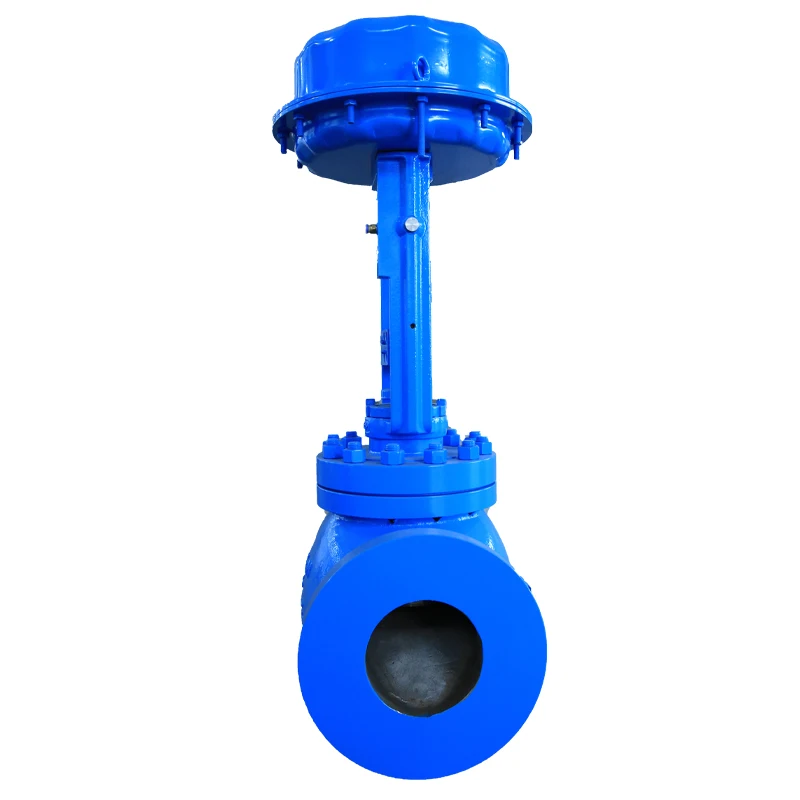
steam trap for beverage processing
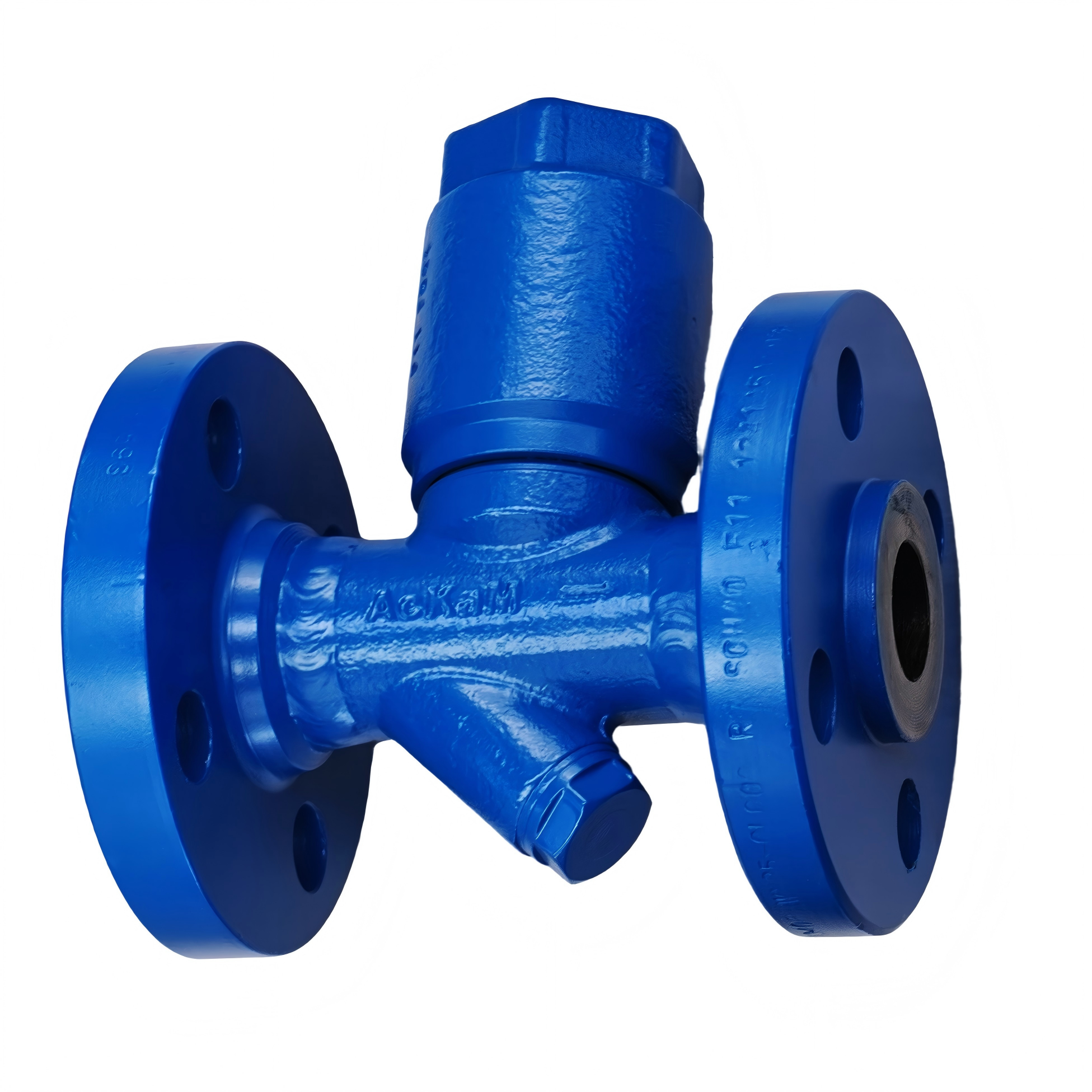
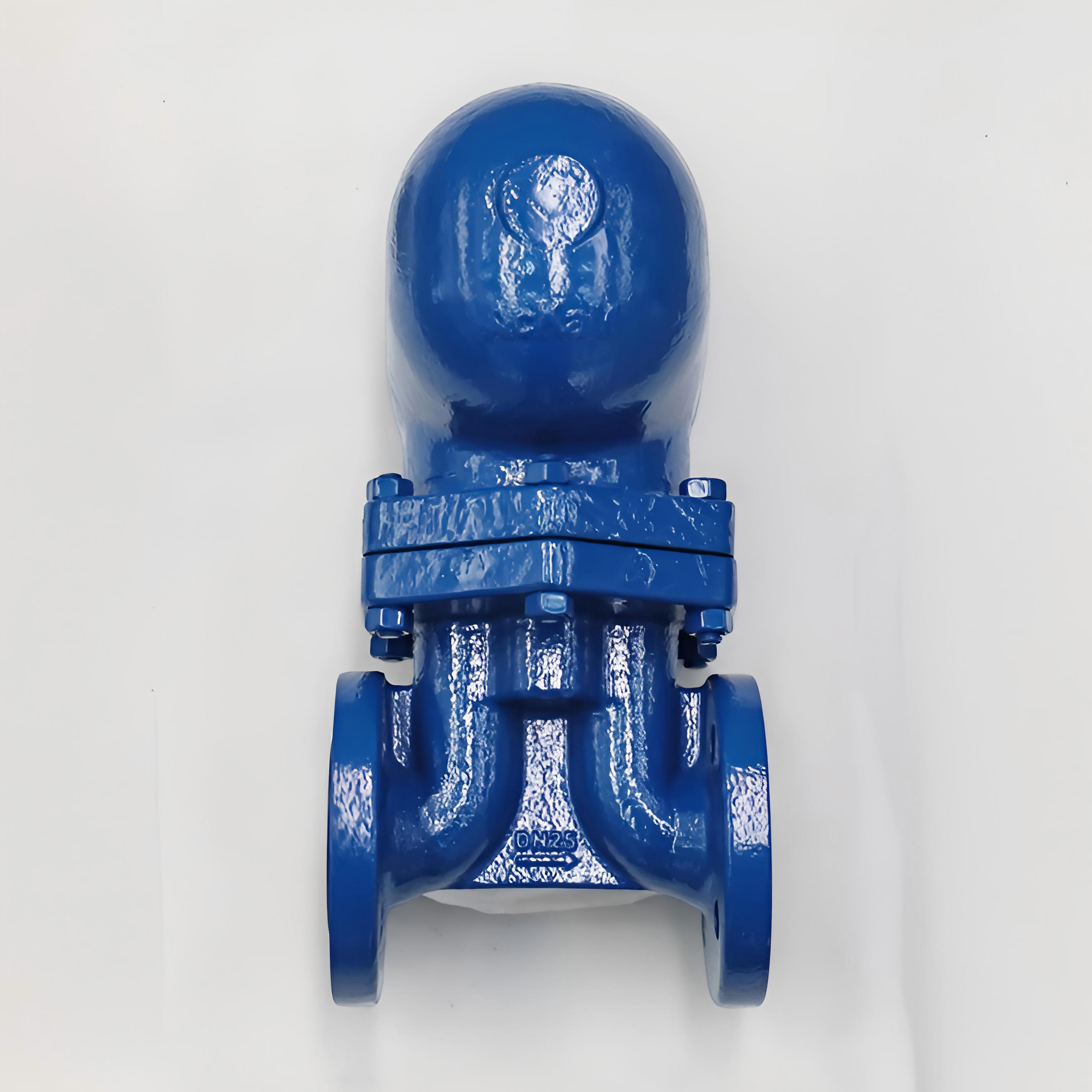
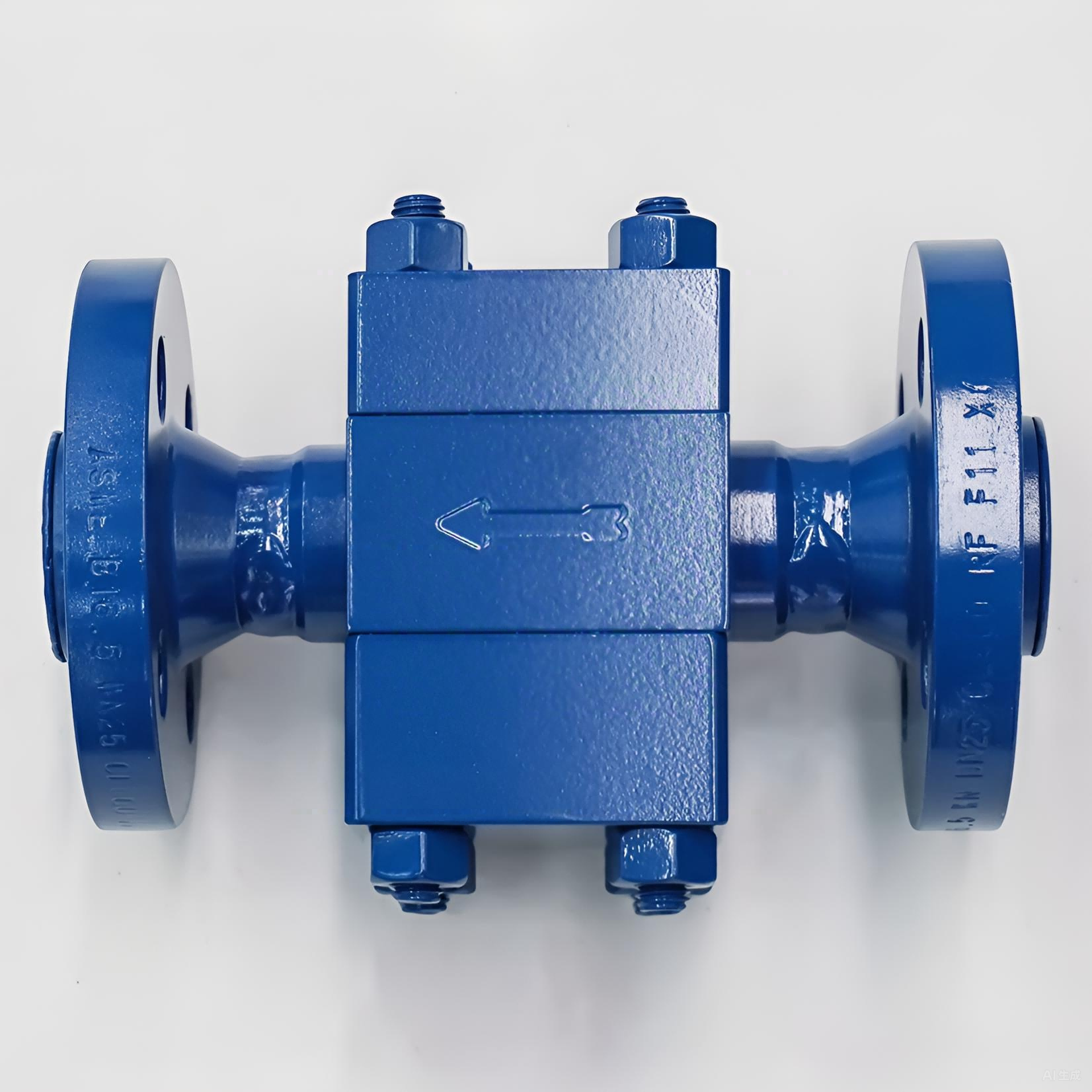
Steam traps for beverage processing represent essential components in modern food and drink manufacturing facilities, serving as critical control devices that manage steam flow and condensate removal throughout production systems. These specialized valves automatically discharge condensate, air, and other non-condensable gases from steam systems while preventing valuable steam from escaping, ensuring optimal energy efficiency and process control in beverage manufacturing operations. The primary function of a steam trap for beverage processing involves maintaining proper temperature control during pasteurization, sterilization, and heating processes that are fundamental to beverage safety and quality standards. These devices operate through various mechanisms, including thermostatic, mechanical, and thermodynamic principles, each designed to respond to specific conditions within beverage processing equipment. Technological features of steam traps for beverage processing include corrosion-resistant materials such as stainless steel construction, which meets strict food-grade requirements and withstands the acidic nature of many beverage products. Advanced steam traps incorporate precision-engineered internal components that provide reliable operation under varying pressure and temperature conditions commonly encountered in beverage production environments. Many modern steam trap designs feature easy maintenance access points, allowing technicians to perform routine inspections and cleaning procedures without extensive system shutdowns. Applications of steam traps for beverage processing span across numerous production stages, from initial ingredient preparation and mixing to final packaging operations. These devices are commonly installed in heat exchangers, pasteurizers, bottle washing systems, and CIP cleaning circuits where steam heating is utilized. The versatility of steam trap technology makes it suitable for processing various beverage types, including soft drinks, juices, dairy products, alcoholic beverages, and specialty drinks, each requiring specific temperature and hygiene considerations throughout manufacturing processes.