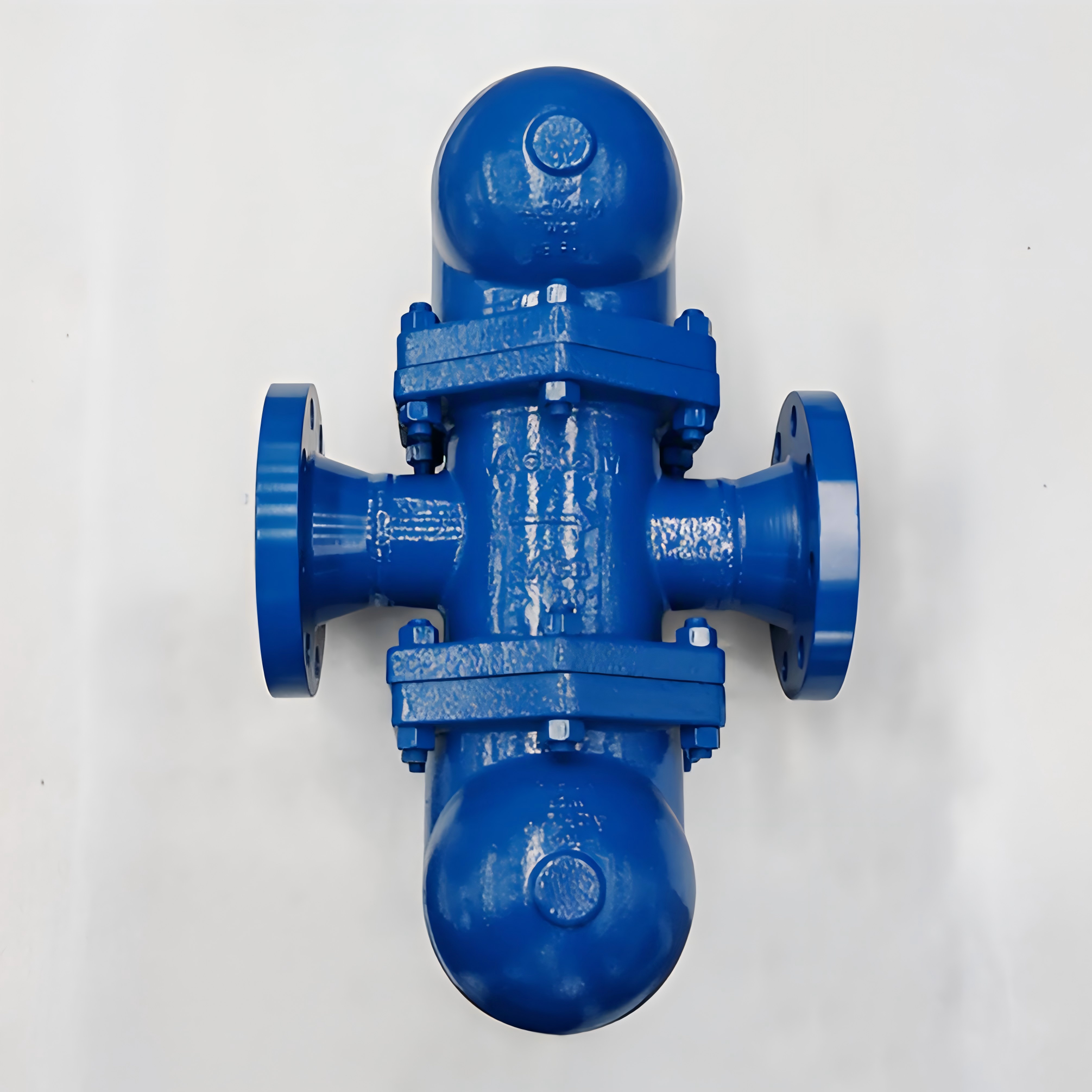
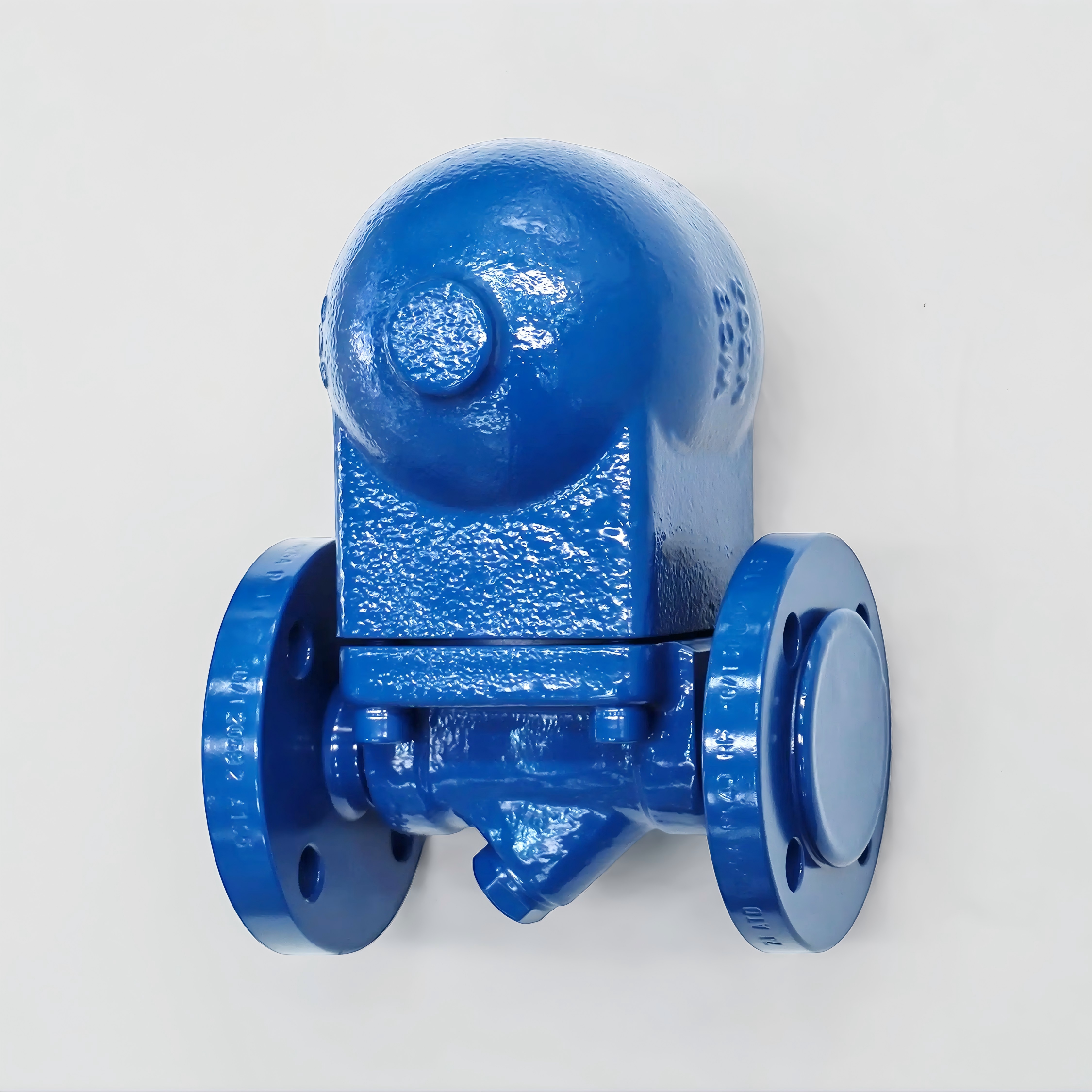
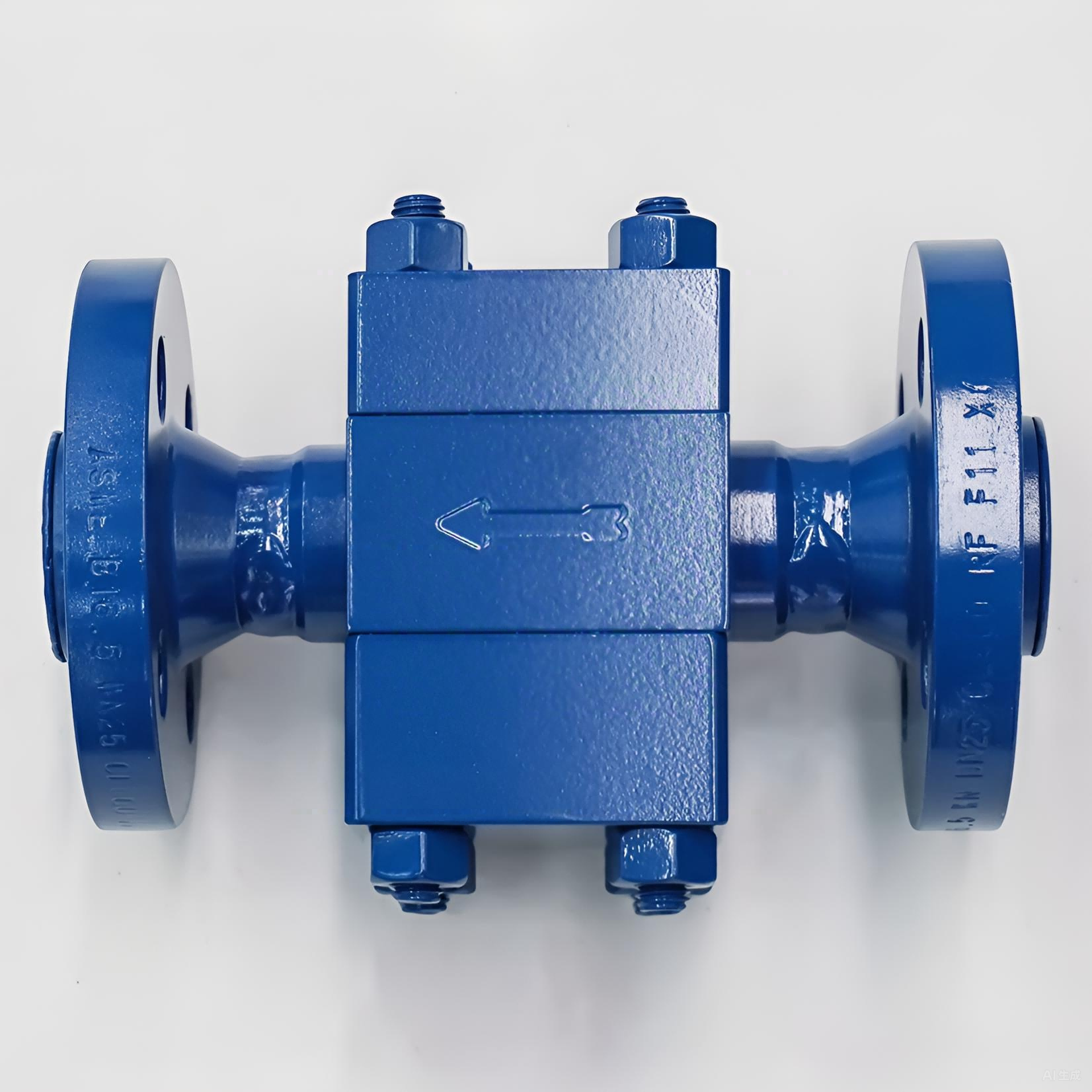
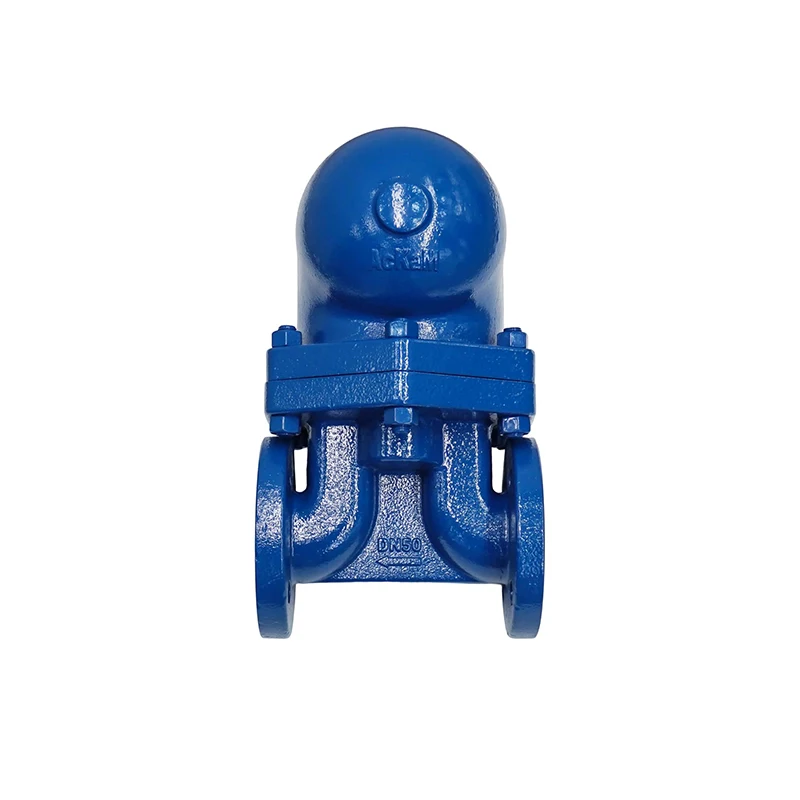
steam trap for dyeing
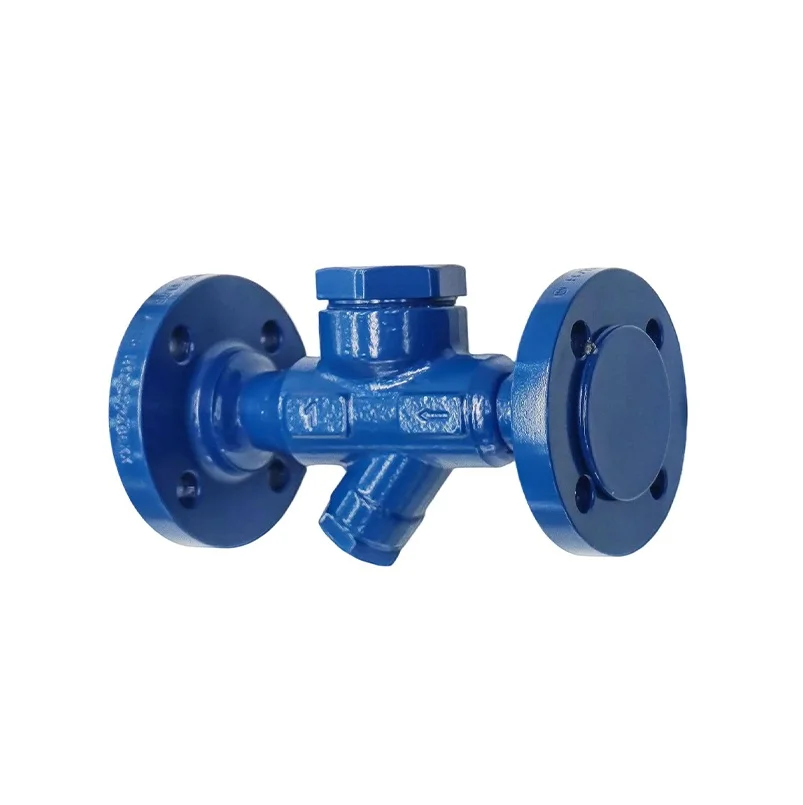
The steam trap for dyeing represents a critical component in textile manufacturing processes, specifically designed to optimize steam distribution and condensate removal in dyeing operations. This specialized equipment serves as an intelligent valve system that automatically distinguishes between steam and condensate, ensuring efficient heat transfer while preventing steam loss. In textile dyeing applications, maintaining precise temperature control and consistent steam flow is essential for achieving uniform color penetration and quality results. The steam trap for dyeing operates through thermodynamic principles, utilizing temperature and pressure differentials to control fluid flow. When steam enters the dyeing vessel, it provides the necessary heat energy for the dyeing process. As steam transfers its heat and condenses into water, the steam trap for dyeing automatically opens to discharge this condensate while simultaneously preventing live steam from escaping. This mechanism ensures maximum energy efficiency and maintains optimal operating conditions throughout the dyeing cycle. Modern steam trap for dyeing systems incorporate advanced materials and precision engineering to withstand the harsh chemical environments typical in textile processing. These units feature corrosion-resistant components that can handle various dyes, chemicals, and high-temperature conditions without degradation. The robust construction ensures long-term reliability and minimal maintenance requirements, making them ideal for continuous industrial operations. Temperature sensing capabilities in contemporary steam trap for dyeing models provide real-time monitoring and adjustment, allowing operators to maintain precise control over dyeing parameters. The integration of smart technology enables remote monitoring and predictive maintenance scheduling, reducing downtime and operational costs. Installation flexibility allows these steam traps to be incorporated into existing dyeing systems or new installations, providing versatility for different manufacturing setups and production requirements.