Steam Condensate Trap Solutions: Energy-Efficient Automatic Drainage Systems for Industrial Steam Applications

All Categories

Get a Free Quote

Our representative will contact you soon.
Email
Name
Company Name
Message
0/1000

steam condensate trap

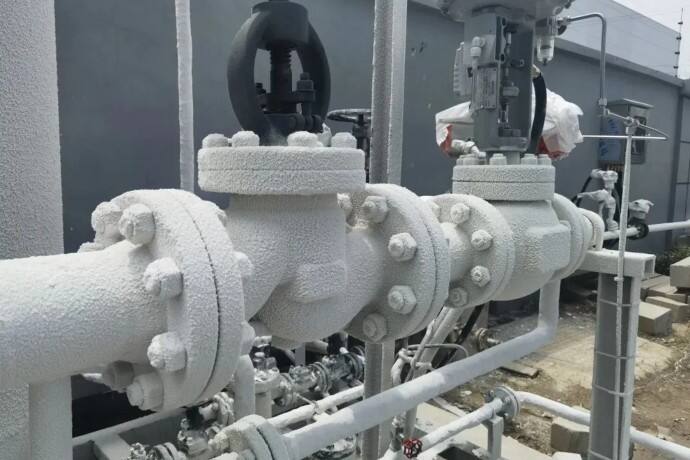
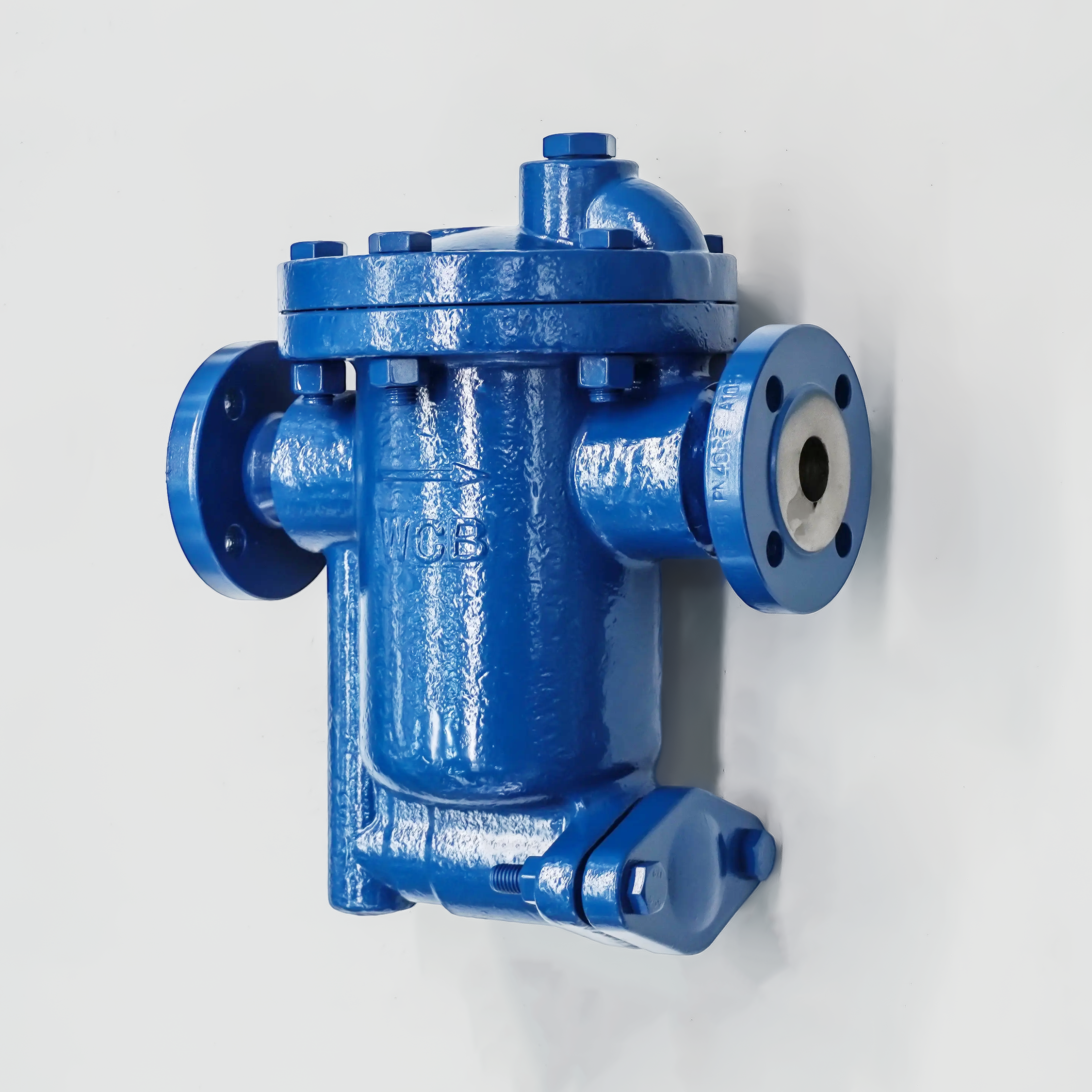
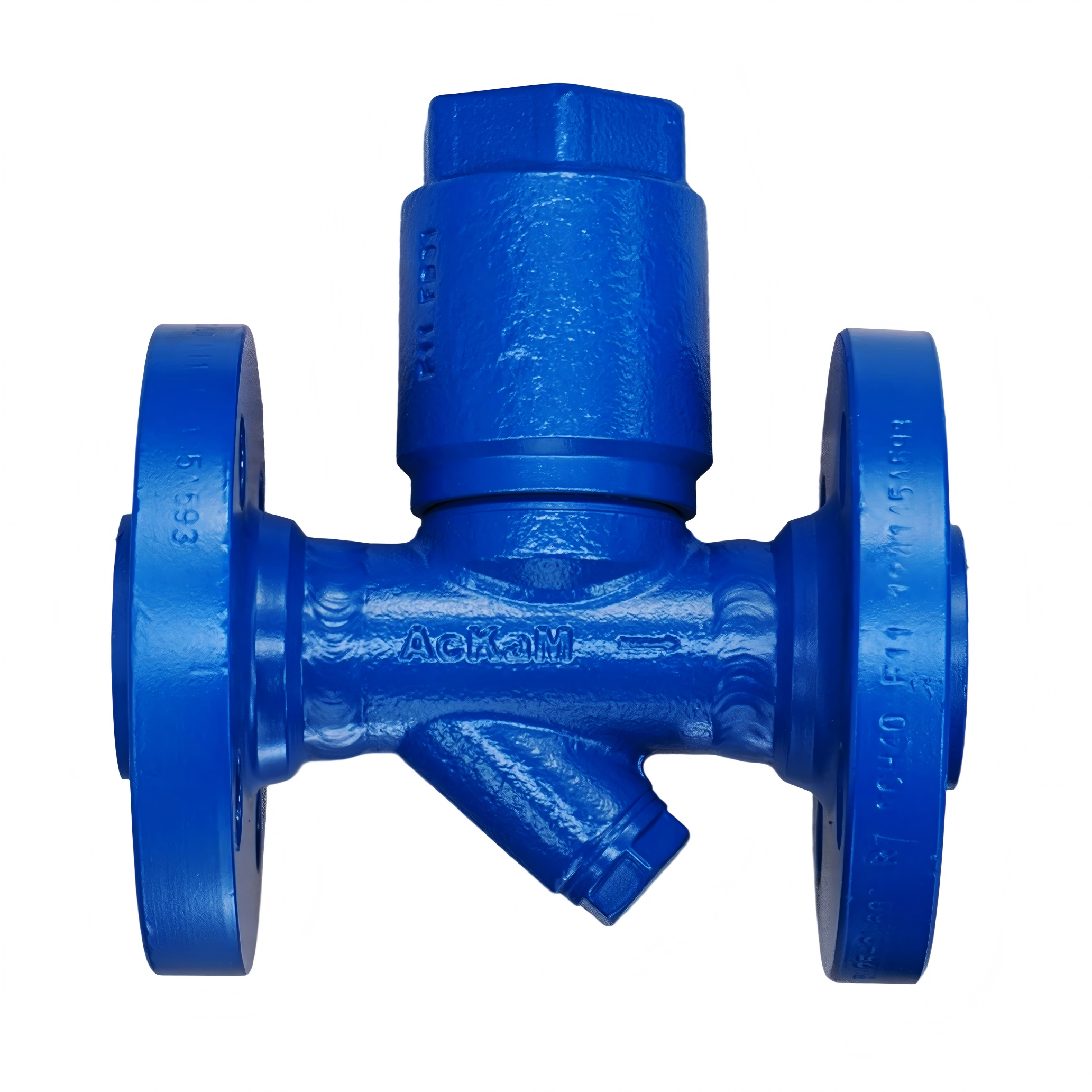
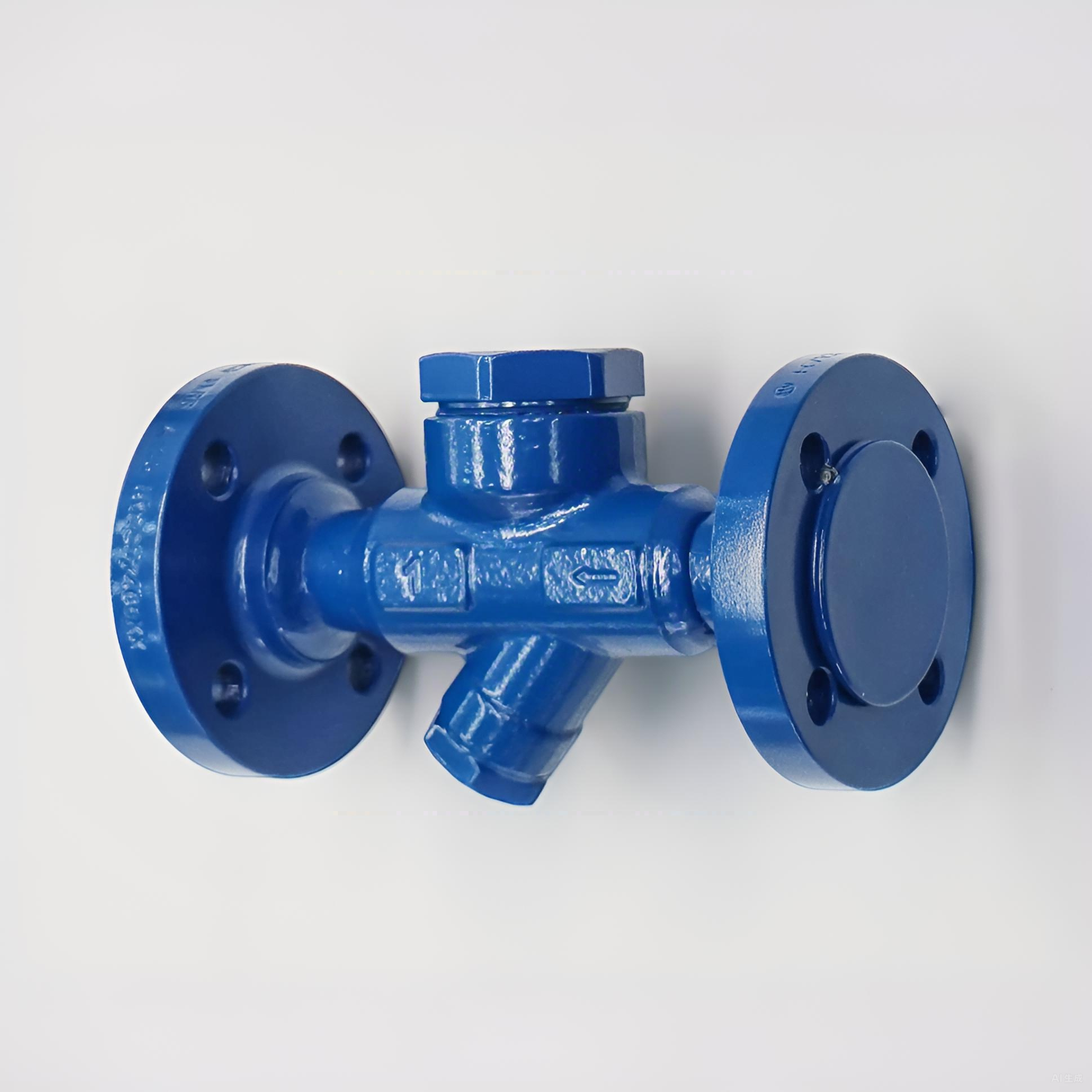
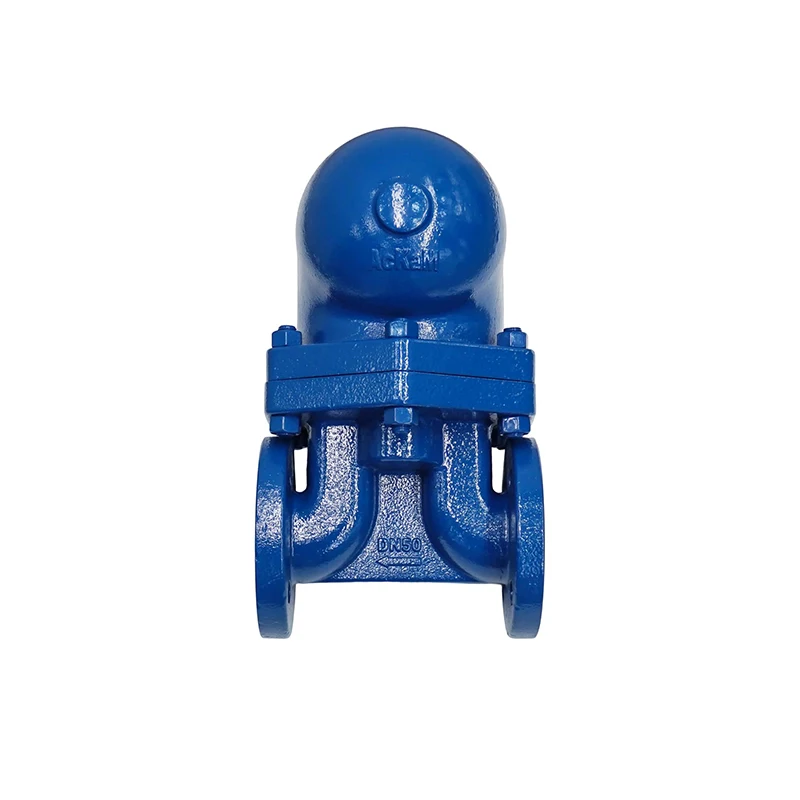
A steam condensate trap represents an essential component in steam heating and industrial process systems, designed to automatically remove condensed water from steam lines while preventing the escape of valuable steam. This mechanical device operates on fundamental thermodynamic principles, utilizing the temperature and pressure differences between steam and condensate to control fluid flow. The steam condensate trap serves as a critical barrier that maintains system efficiency by ensuring only condensed water exits the system while retaining live steam for continued heating applications. Modern steam condensate trap designs incorporate advanced materials and precision engineering to withstand extreme temperatures and pressures commonly found in industrial environments. The primary mechanism involves a float chamber or thermostatic element that responds to condensate accumulation, triggering valve operation to discharge water while sealing against steam loss. Steam systems rely heavily on these devices to prevent water hammer, maintain proper heat transfer, and protect equipment from damage caused by accumulated condensate. The steam condensate trap installation requires careful consideration of system pressure, temperature ranges, and condensate load calculations to ensure optimal performance. Different trap configurations exist to accommodate various applications, including inverted bucket traps, float and thermostatic traps, and thermodynamic disc traps. Each design offers specific advantages depending on operational requirements, maintenance preferences, and system characteristics. The steam condensate trap functionality extends beyond simple water removal, contributing to overall system reliability, energy conservation, and operational cost reduction. Proper selection and maintenance of these devices directly impact steam system performance, making them indispensable components in commercial, industrial, and institutional heating applications where steam serves as the primary heat transfer medium.

New Product Releases

The steam condensate trap delivers substantial cost savings by preventing energy waste through steam loss, which can account for significant operational expenses in commercial and industrial facilities. When properly functioning, these devices ensure that expensive steam remains within the system while efficiently removing condensate that would otherwise impede heat transfer and cause equipment damage. The automatic operation of a steam condensate trap eliminates the need for manual intervention, reducing labor costs and minimizing the risk of human error that could lead to system inefficiency or equipment failure. Energy efficiency improvements result from maintaining optimal steam flow conditions, as accumulated condensate creates barriers to effective heat transfer and forces heating systems to work harder to achieve desired temperatures. The steam condensate trap prevents water hammer, a dangerous condition that occurs when condensate accumulates in steam lines and suddenly moves at high velocity, potentially causing pipe damage, valve failure, and safety hazards. This protection extends equipment lifespan significantly, reducing replacement costs and maintenance downtime. Industrial facilities benefit from improved process control when steam condensate trap systems function correctly, as consistent steam quality enables more precise temperature regulation in manufacturing processes, food preparation, and chemical applications. The reliability of modern steam condensate trap designs means fewer service interruptions and reduced emergency repair costs. Maintenance requirements are minimal compared to manual drainage systems, as the automatic operation reduces wear on system components and eliminates the need for constant monitoring. The steam condensate trap contributes to environmental benefits by maximizing energy utilization and reducing fuel consumption required to generate replacement steam. Facility managers appreciate the peace of mind that comes with properly installed steam condensate trap systems, knowing that their heating infrastructure operates efficiently without constant supervision. The return on investment for quality steam condensate trap installation typically occurs within the first heating season through reduced energy bills and avoided repair costs. Safety improvements include reduced risk of scalding from manual condensate drainage and elimination of slip hazards from condensate accumulation in equipment areas.

Latest News

Soaring to New Heights: AcKaM Industrial Surges in Billion-Dollar Market with 200% H1 Sales Growth

04

Nov

Soaring to New Heights: AcKaM Industrial Surges in Billion-Dollar Market with 200% H1 Sales Growth

View More
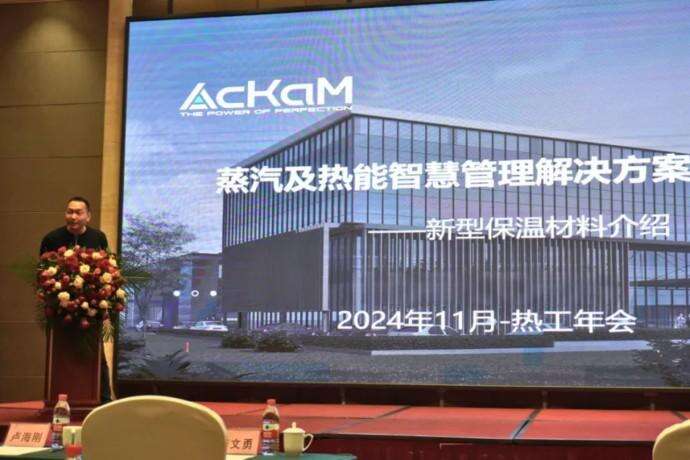
Innovation in Thermal Insulation Technology! AcKaM Delivers Keynote Speech at 2024 National Thermal Engineering Conference

05

Nov

Innovation in Thermal Insulation Technology! AcKaM Delivers Keynote Speech at 2024 National Thermal Engineering Conference

View More
AcKaM: Riding the Trillion-Yuan Wave to Pioneer Innovation

04

Nov

AcKaM: Riding the Trillion-Yuan Wave to Pioneer Innovation

View More

Get a Free Quote

Our representative will contact you soon.
Email
Name
Company Name
Message
0/1000

steam condensate trap

Advanced Automatic Operation Ensures Continuous System Performance

Advanced Automatic Operation Ensures Continuous System Performance

The steam condensate trap incorporates sophisticated automatic operation mechanisms that represent a significant advancement over manual drainage systems, providing facility managers with reliable, hands-off condensate management. This automation relies on precision-engineered components that respond instantaneously to changing conditions within steam systems, ensuring optimal performance without human intervention. The internal mechanisms of a modern steam condensate trap utilize float chambers, thermostatic elements, or pressure-sensitive discs that detect the presence of condensate and automatically trigger discharge cycles. This responsive design means that condensate removal occurs precisely when needed, preventing accumulation that could compromise system efficiency while avoiding premature steam loss that wastes energy. The automatic operation eliminates the guesswork and potential errors associated with manual valve operation, where timing mistakes can result in either inadequate drainage or excessive steam loss. Facility maintenance teams benefit from reduced workload and can focus on other critical tasks rather than constantly monitoring steam system drainage requirements. The steam condensate trap automation extends to varying load conditions, automatically adjusting to increased condensate production during peak heating periods and reducing activity during low-demand times. This adaptability ensures consistent performance across different operational scenarios without requiring system adjustments or manual oversight. The reliability of automatic operation translates to fewer emergency service calls and reduced risk of system failures that could disrupt critical processes. Modern steam condensate trap designs incorporate fail-safe mechanisms that default to safe positions if internal components experience wear or damage, protecting overall system integrity. The precision of automatic operation also contributes to energy conservation by ensuring that steam condensate trap cycles occur at optimal intervals, maximizing condensate removal while minimizing steam loss. This sophisticated automation represents a substantial improvement in industrial heating technology, providing facility operators with dependable performance that supports continuous operation and optimal energy utilization.
Superior Energy Conservation Through Intelligent Steam Retention

Superior Energy Conservation Through Intelligent Steam Retention

Energy conservation stands as the most compelling benefit of implementing quality steam condensate trap systems, directly impacting operational costs and environmental sustainability in facilities that rely on steam heating. The steam condensate trap achieves remarkable energy savings by maintaining a precise balance between condensate removal and steam retention, ensuring that valuable steam energy remains within the system for productive heating applications. Traditional manual drainage methods often result in significant steam loss, as operators tend to err on the side of extended valve opening to ensure complete condensate removal, inadvertently allowing live steam to escape. The intelligent design of a steam condensate trap eliminates this wasteful practice by responding only to actual condensate presence, keeping discharge cycles brief and targeted. Energy audits consistently demonstrate that facilities with properly functioning steam condensate trap installations consume substantially less fuel compared to those with manual or malfunctioning drainage systems. The cumulative effect of preventing steam loss across multiple trap locations throughout a facility results in impressive energy savings that directly translate to reduced utility costs and improved profitability. The steam condensate trap contributes to energy conservation by maintaining optimal system pressure and temperature conditions, enabling heating equipment to operate at peak efficiency rather than working harder to compensate for lost steam energy. This efficiency improvement extends beyond immediate fuel savings to include reduced wear on boilers and steam generation equipment, as these systems experience less cycling and stress when steam condensate trap systems maintain proper conditions. Environmental benefits accompany the energy conservation achieved through effective steam condensate trap operation, as reduced fuel consumption translates to lower emissions and a smaller carbon footprint for facility operations. The long-term financial impact of energy conservation through steam condensate trap implementation often justifies the initial investment within a single heating season, making these devices an essential component of sustainable facility management strategies that prioritize both cost control and environmental responsibility.
Exceptional Equipment Protection and System Reliability Enhancement

Exceptional Equipment Protection and System Reliability Enhancement

The steam condensate trap provides unparalleled equipment protection by preventing the accumulation of condensate that poses serious threats to steam system components, piping, and connected heating equipment. Water hammer represents one of the most destructive forces in steam systems, occurring when accumulated condensate suddenly moves through pipes at high velocity, creating pressure waves that can damage valves, fittings, and pipe joints. The steam condensate trap eliminates this risk by continuously removing condensate before dangerous accumulations can occur, protecting expensive system components from impact damage and extending their operational lifespan significantly. Corrosion prevention represents another critical aspect of equipment protection provided by effective steam condensate trap operation, as stagnant condensate creates acidic conditions that accelerate metal deterioration in pipes and system components. By maintaining proper drainage, the steam condensate trap prevents the formation of corrosive environments that would otherwise require frequent pipe replacement and extensive system maintenance. The protection extends to heat exchangers, radiators, and other terminal equipment that rely on efficient steam flow for optimal performance, as condensate accumulation creates insulation barriers that reduce heat transfer effectiveness and force equipment to work harder to achieve desired temperatures. System reliability improves dramatically when steam condensate trap installations function correctly, as the elimination of condensate-related problems reduces the frequency of service interruptions and emergency repairs. Facility managers report significantly fewer heating system failures and reduced maintenance costs when comprehensive steam condensate trap coverage ensures proper drainage throughout their steam distribution networks. The protective benefits include prevention of freeze damage in seasonal applications, as the steam condensate trap removes water that could otherwise freeze and cause pipe ruptures during cold weather shutdowns. Quality steam condensate trap systems also protect against pressure fluctuations that occur when condensate blocks steam flow, maintaining stable operating conditions that prevent stress on system components and reduce the likelihood of premature equipment failure. This comprehensive equipment protection translates to improved facility uptime, reduced maintenance expenses, and extended equipment life cycles that provide substantial long-term value for heating system investments.

Get a Free Quote

Our representative will contact you soon.
Email
Name
Company Name
Message
0/1000