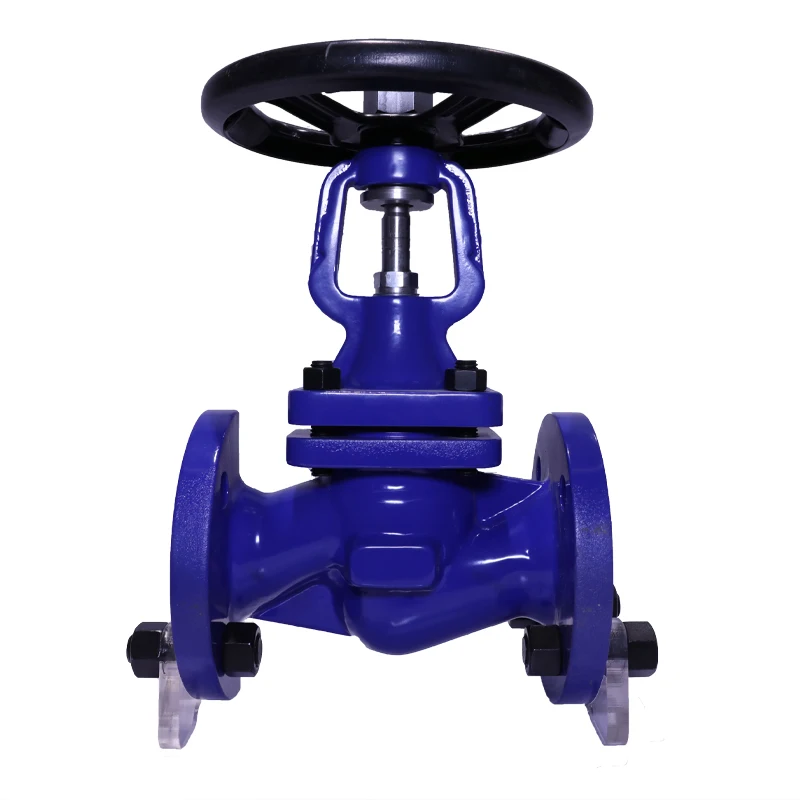
Corrosion-Resistant Sanitary Construction
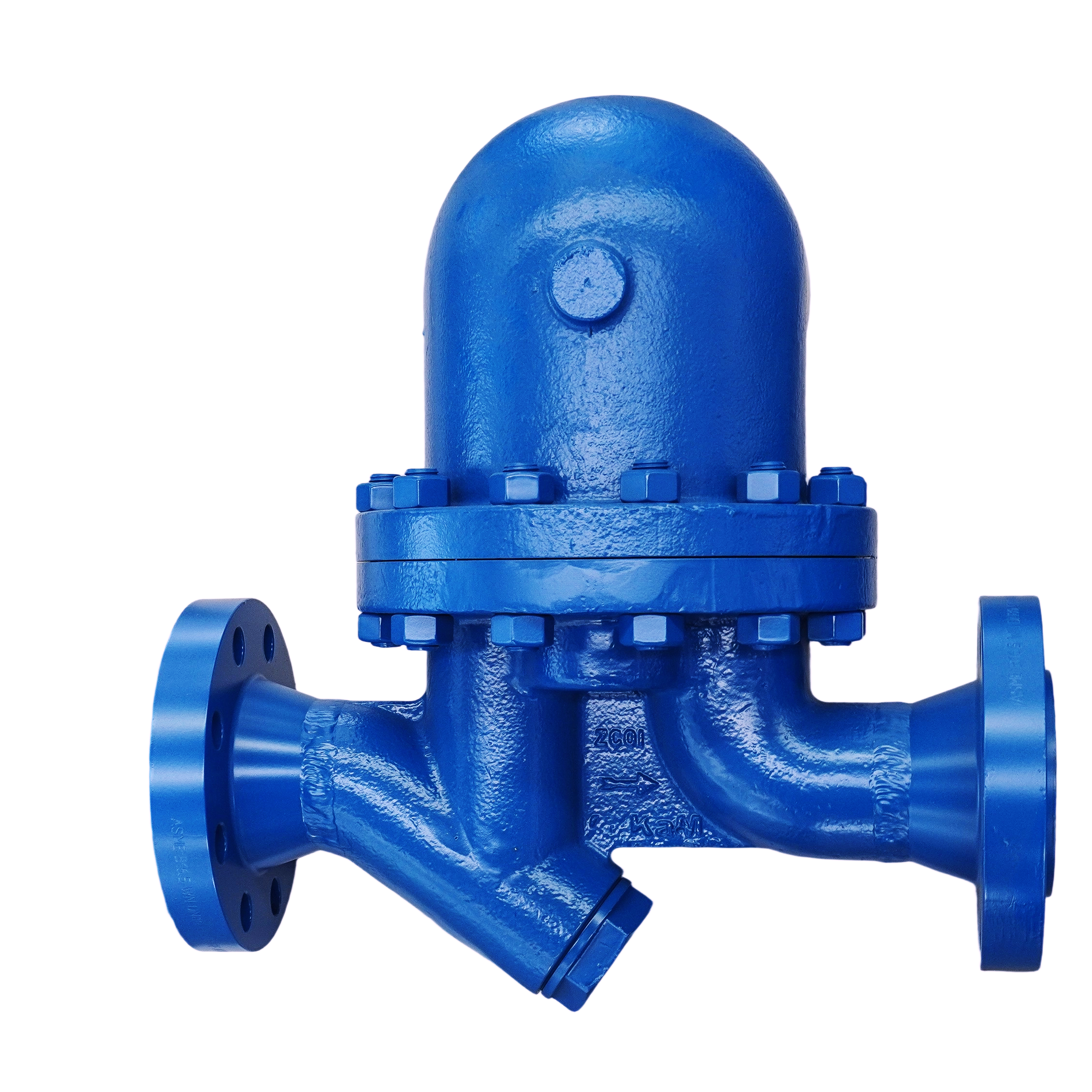
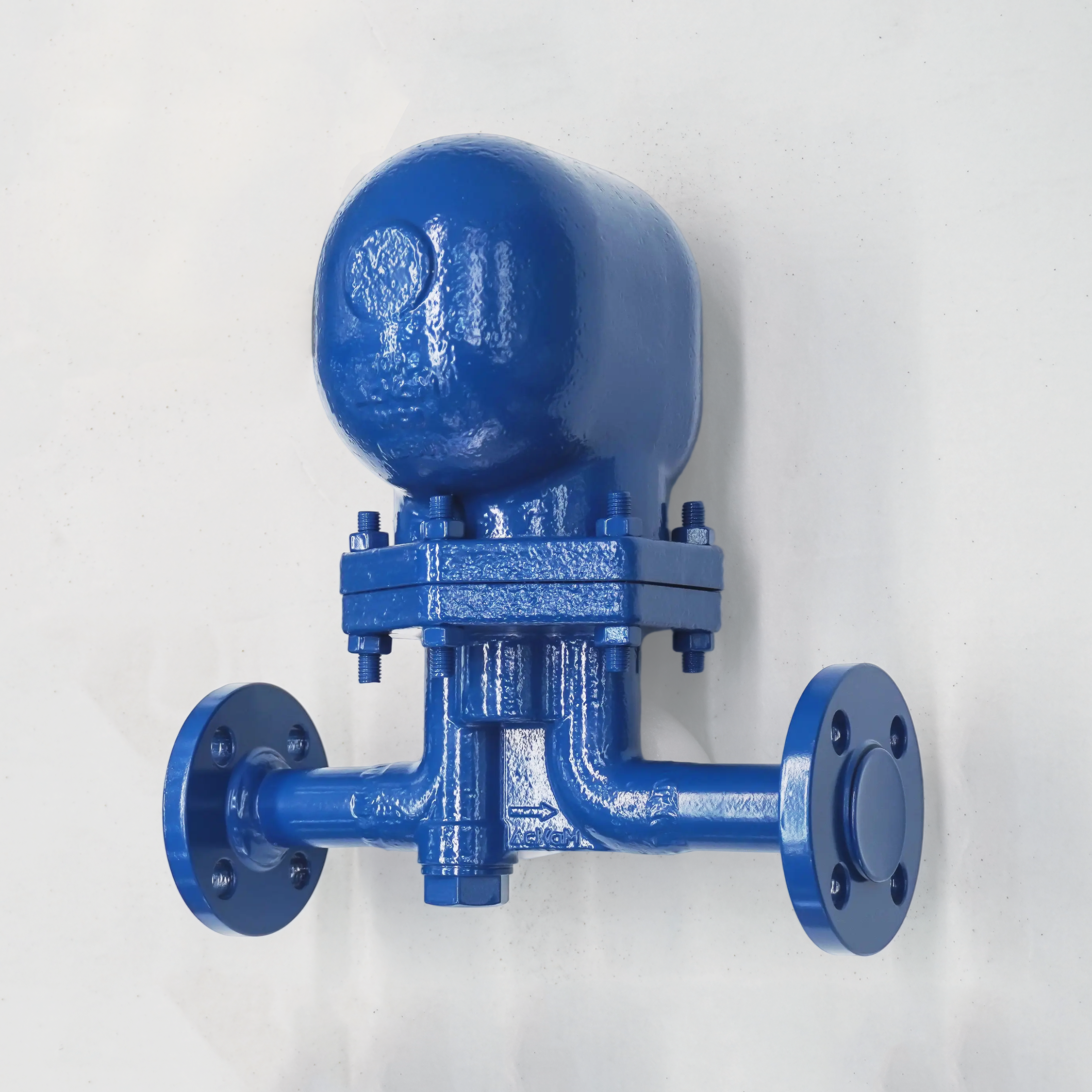
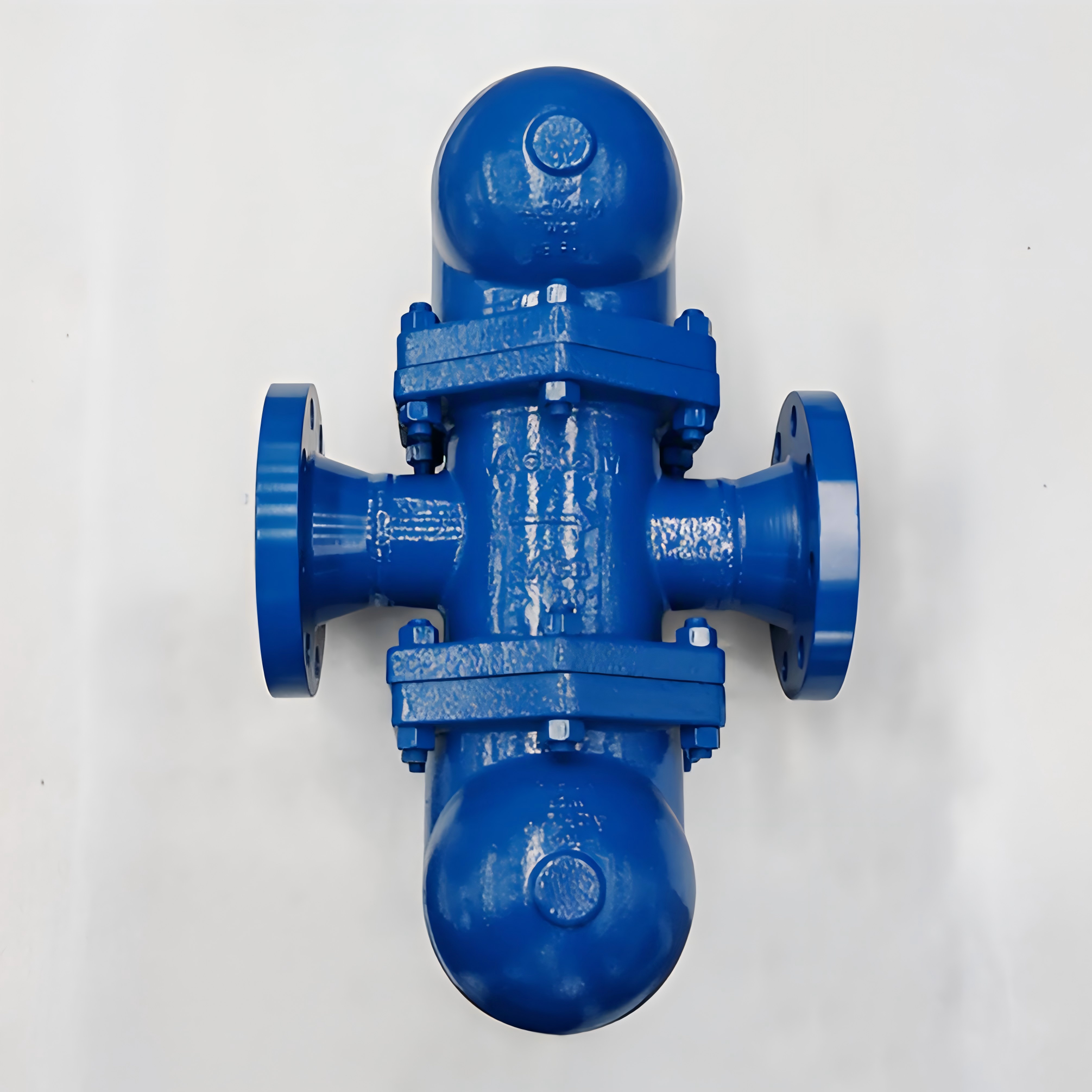
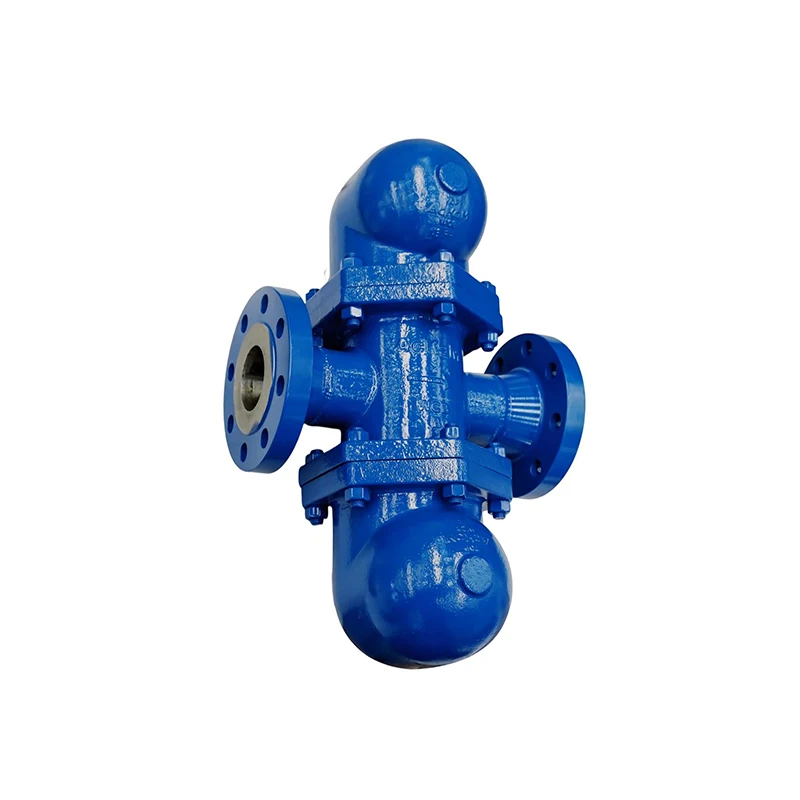
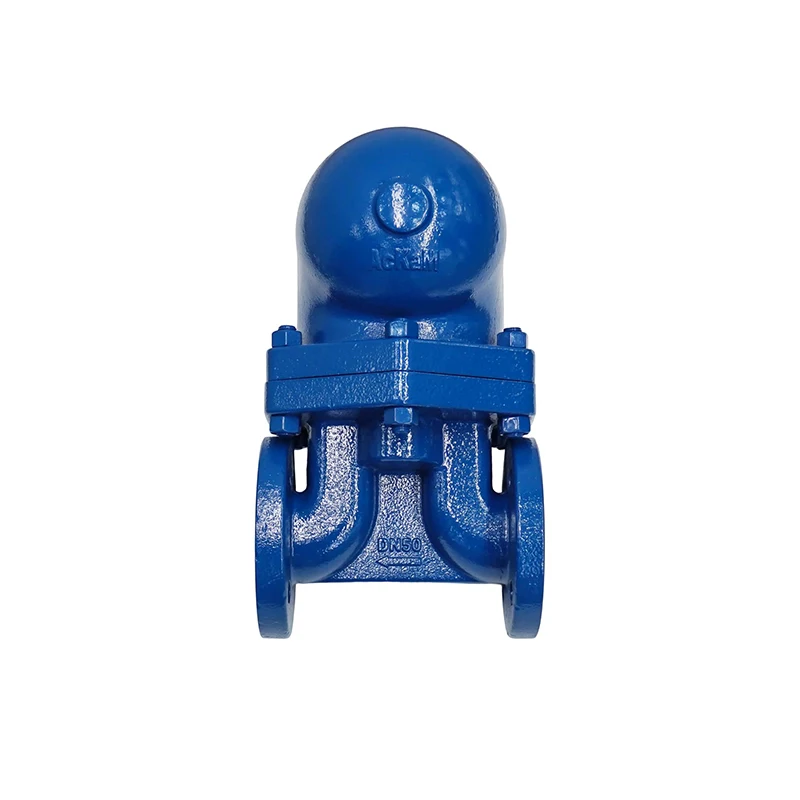
The steam trap for CIP features specialized sanitary construction designed to meet stringent hygiene standards while withstanding aggressive cleaning environments encountered in food, pharmaceutical, and biotechnology applications. Every component of the steam trap for CIP utilizes premium-grade stainless steel alloys that resist corrosion from caustic cleaning solutions, acidic sanitizers, and high-temperature steam exposure. The sanitary design eliminates crevices, dead spaces, and surface irregularities where bacteria or product residues could accumulate, ensuring complete cleanability during CIP operations. Internal surfaces of the steam trap for CIP maintain smooth finishes that facilitate thorough cleaning and prevent microbial growth, supporting compliance with FDA, USDA, and other regulatory requirements. The construction methodology employs continuous welding techniques that create seamless joints without gaps or overlaps that could harbor contaminants. Special attention to gasket and seal materials ensures compatibility with cleaning chemicals while maintaining leak-proof operation under varying pressure and temperature conditions. The steam trap for CIP incorporates drain ports and inspection points that enable verification of complete cleaning, supporting validation protocols required in regulated industries. Modular design allows complete disassembly for deep cleaning or sterilization when necessary, providing flexibility for different sanitation requirements. The surface treatment of steam trap for CIP components includes electropolishing that further enhances corrosion resistance and cleanability while reducing particle adhesion. Material certifications accompany each steam trap for CIP unit, documenting compliance with material standards and traceability requirements essential for pharmaceutical and food applications. The robust construction withstands repeated thermal cycling between ambient and sterilization temperatures without degradation or dimensional changes that could affect performance. Quality assurance procedures include pressure testing, material verification, and dimensional inspection to ensure each steam trap for CIP meets exact specifications. The sanitary construction extends equipment lifespan significantly compared to standard industrial designs, providing excellent return on investment through reduced replacement costs and improved reliability in critical applications.