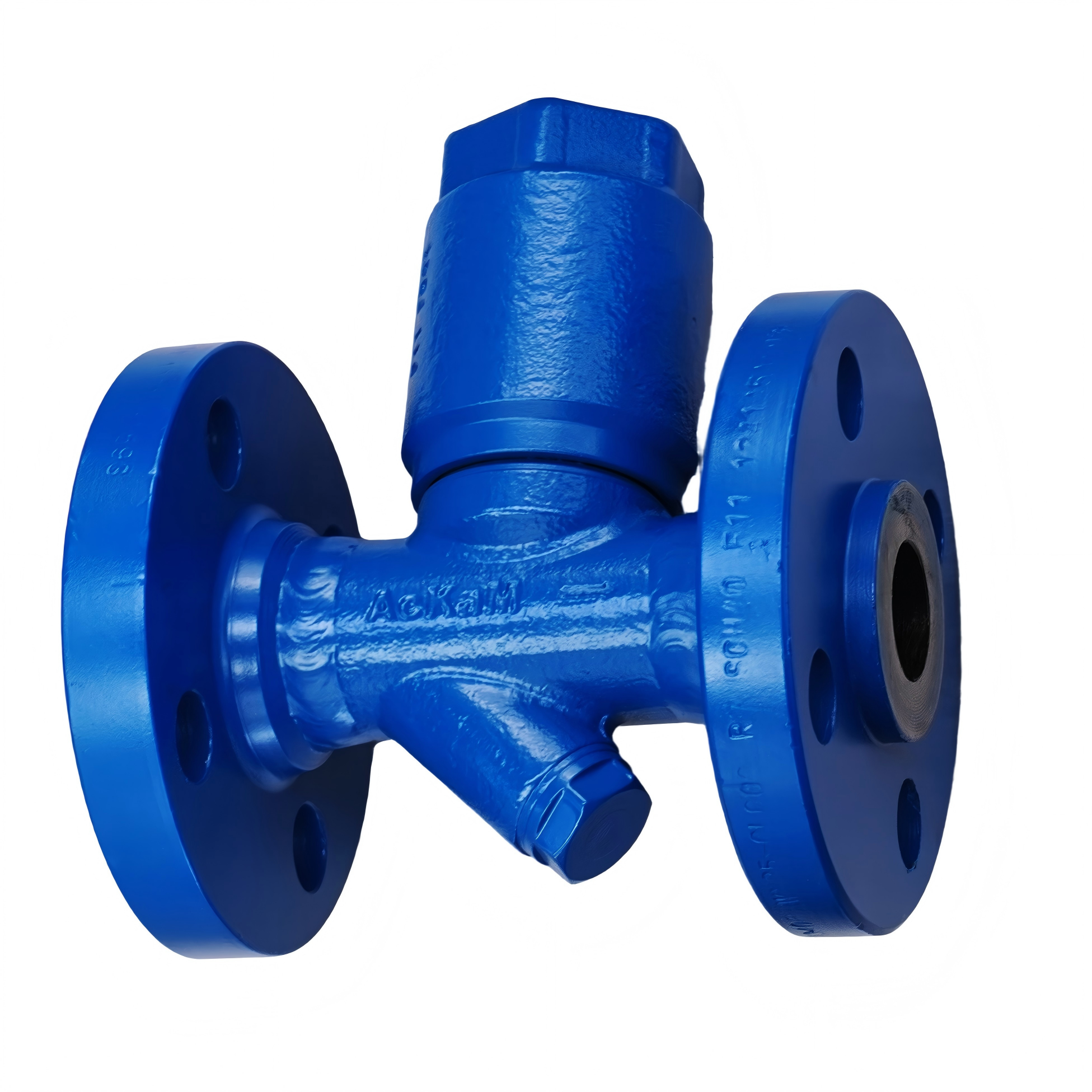
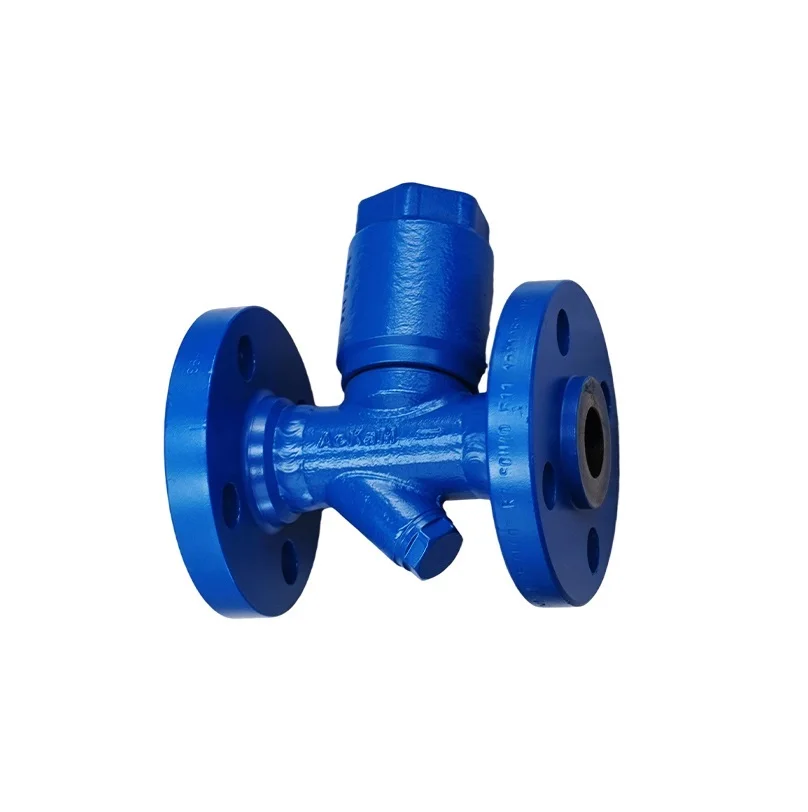
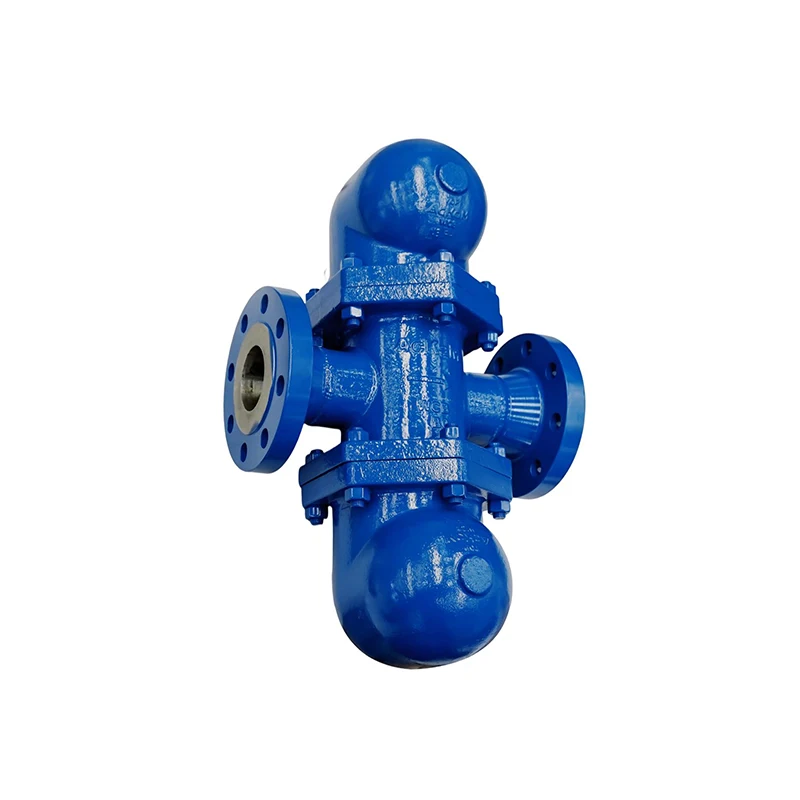
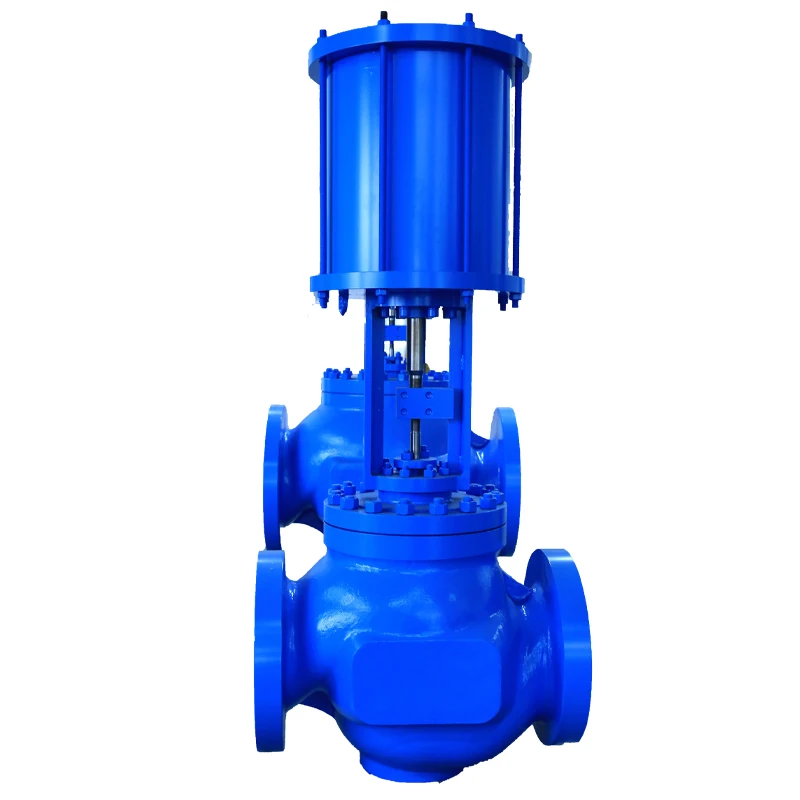
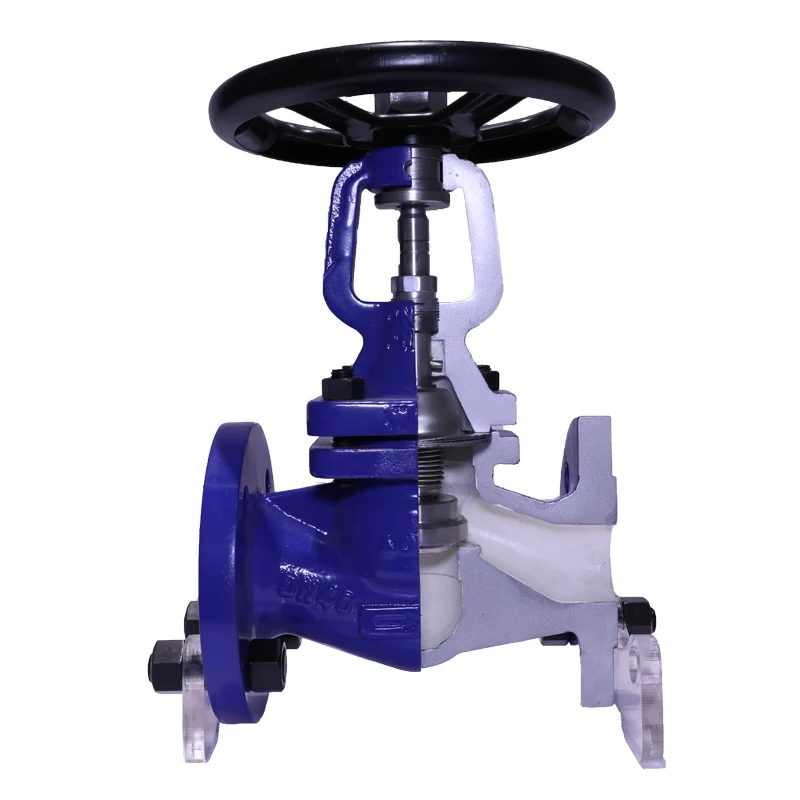
steam trap for paper machine dryers
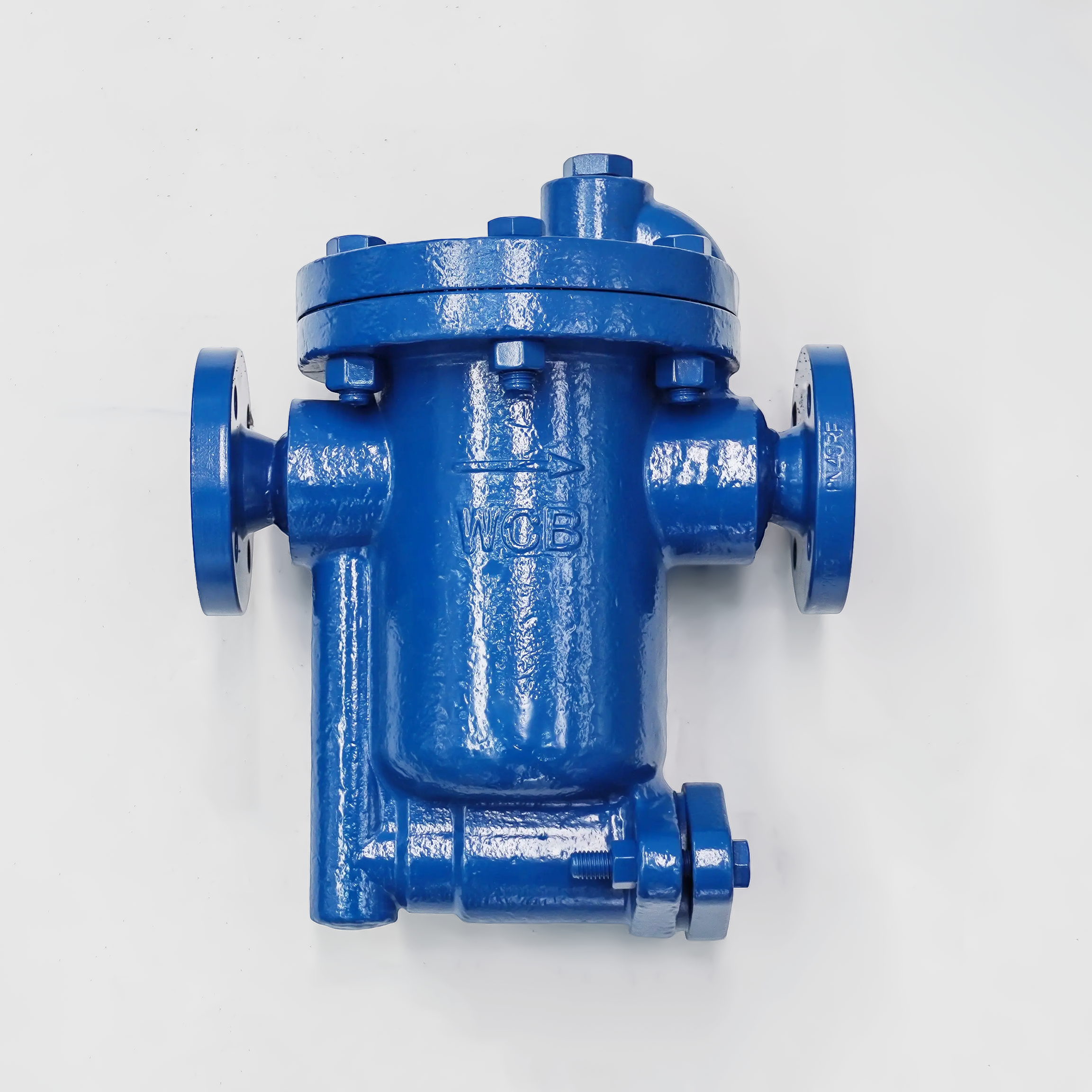
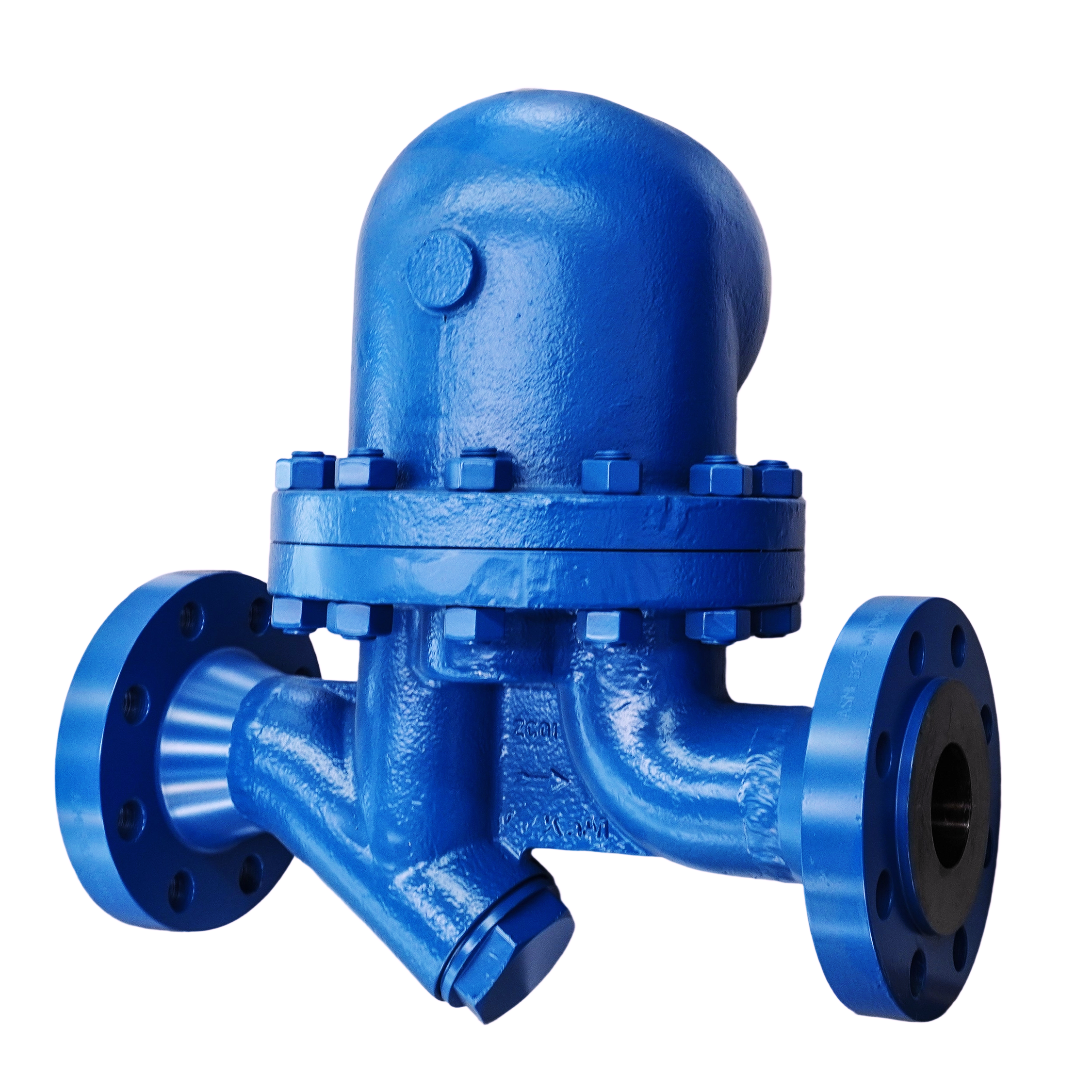
The steam trap for paper machine dryers represents a critical component in modern paper manufacturing processes, designed specifically to optimize thermal efficiency and maintain consistent drying performance. This specialized device operates by automatically removing condensate while preventing valuable steam from escaping the drying system, ensuring maximum heat transfer efficiency throughout the paper production cycle. The steam trap for paper machine dryers incorporates advanced thermodynamic principles to distinguish between steam and condensate, utilizing temperature and pressure differentials to trigger precise valve mechanisms. These sophisticated systems feature robust construction materials that withstand the harsh operating conditions typical in paper mill environments, including high temperatures, corrosive chemicals, and continuous operation demands. The primary function centers on maintaining optimal steam pressure within heated cylinders while facilitating rapid condensate removal, preventing water accumulation that could compromise paper quality or reduce production speeds. Modern steam trap for paper machine dryers employs various operational mechanisms including thermostatic, mechanical float, and inverted bucket designs, each tailored to specific application requirements and operating parameters. The technological features encompass self-regulating capabilities that adapt to varying steam loads, ensuring consistent performance across different production scenarios. These devices integrate seamlessly with existing paper machine infrastructure, featuring standardized connections and mounting configurations that facilitate straightforward installation and maintenance procedures. The steam trap for paper machine dryers also incorporates fail-safe mechanisms that protect against system damage during abnormal operating conditions, including overpressure situations or condensate backup scenarios. Applications span across various paper grades and machine configurations, from lightweight tissue production to heavy-duty packaging materials, demonstrating versatility across the entire paper manufacturing spectrum.