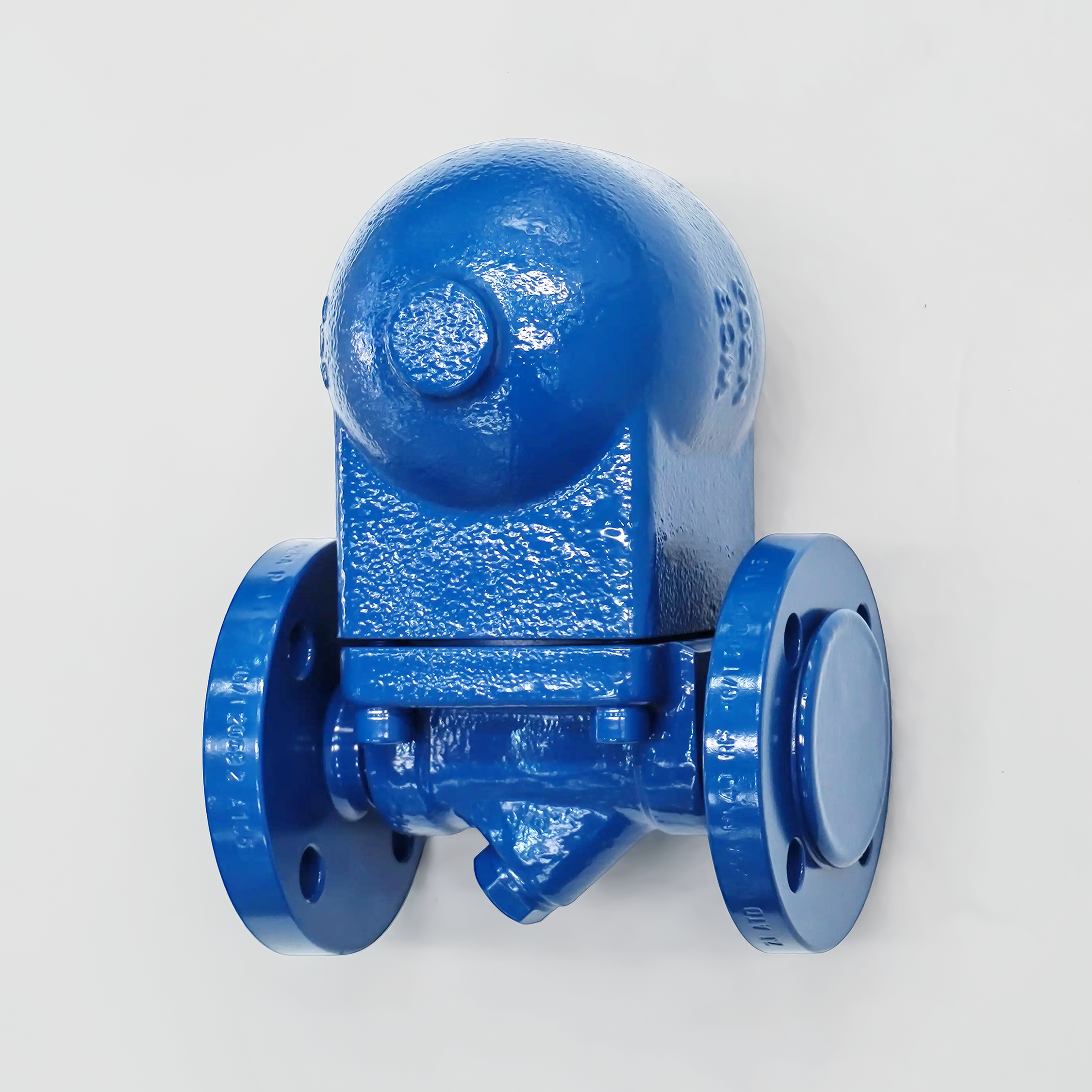
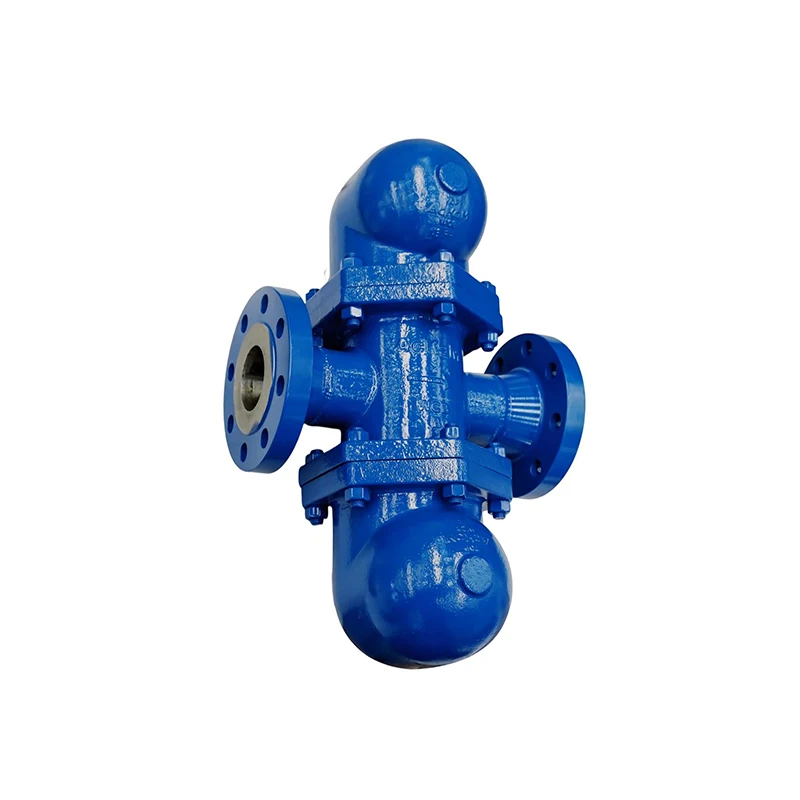
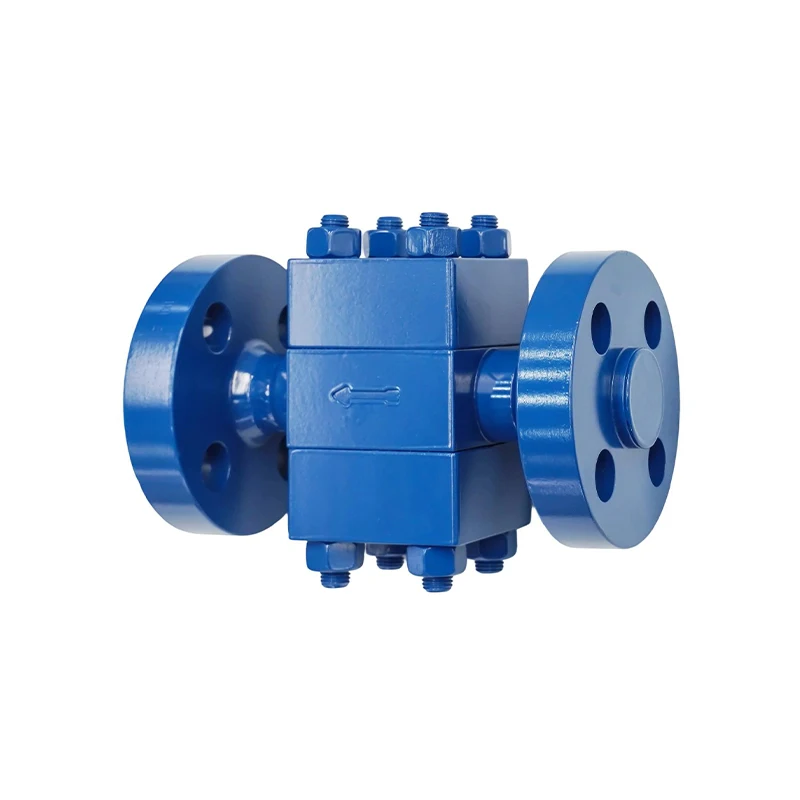
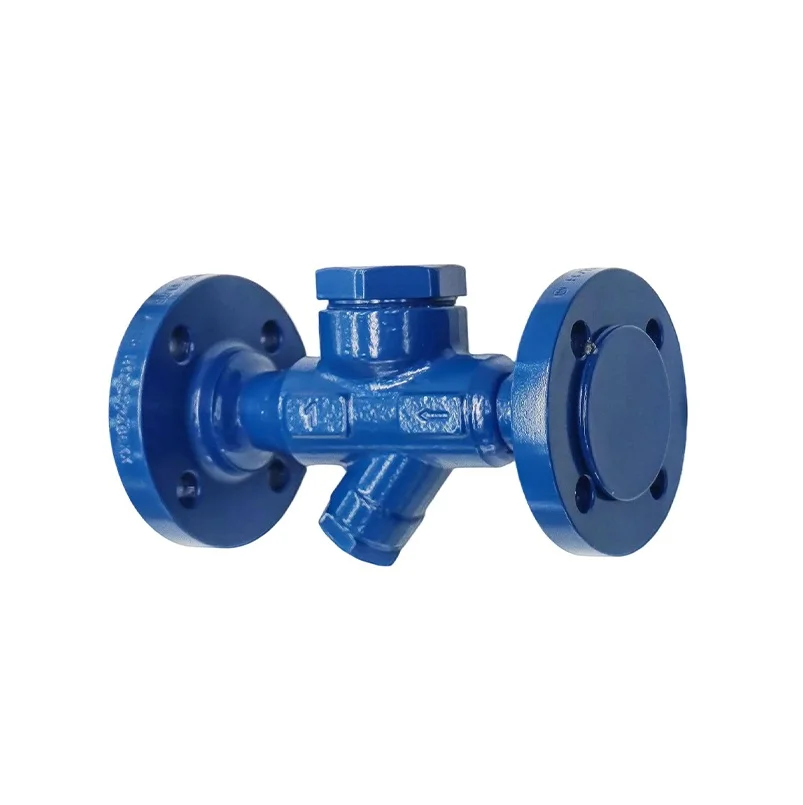
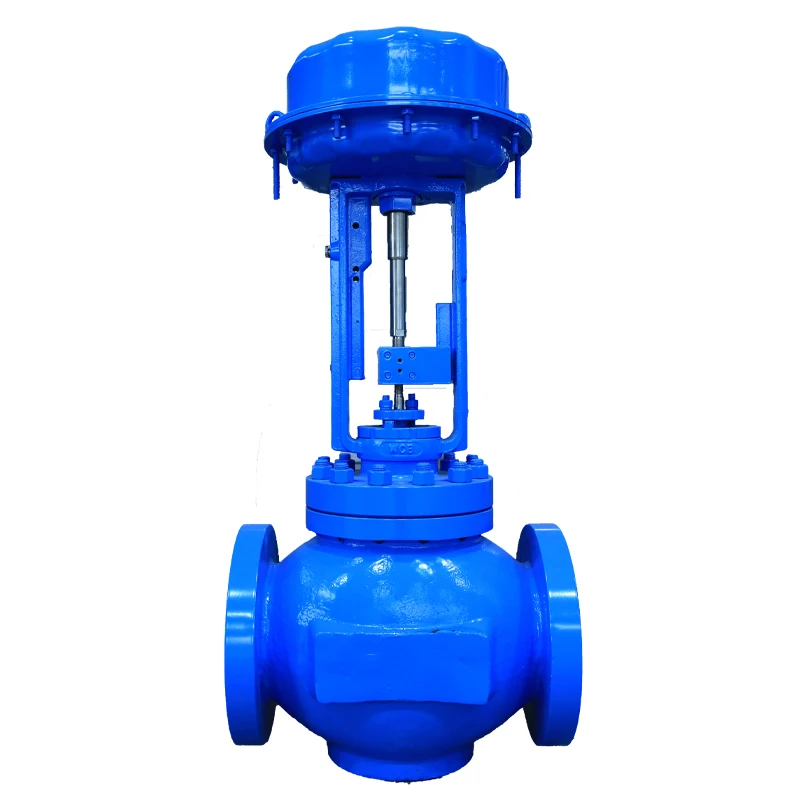
steam trap for food processing
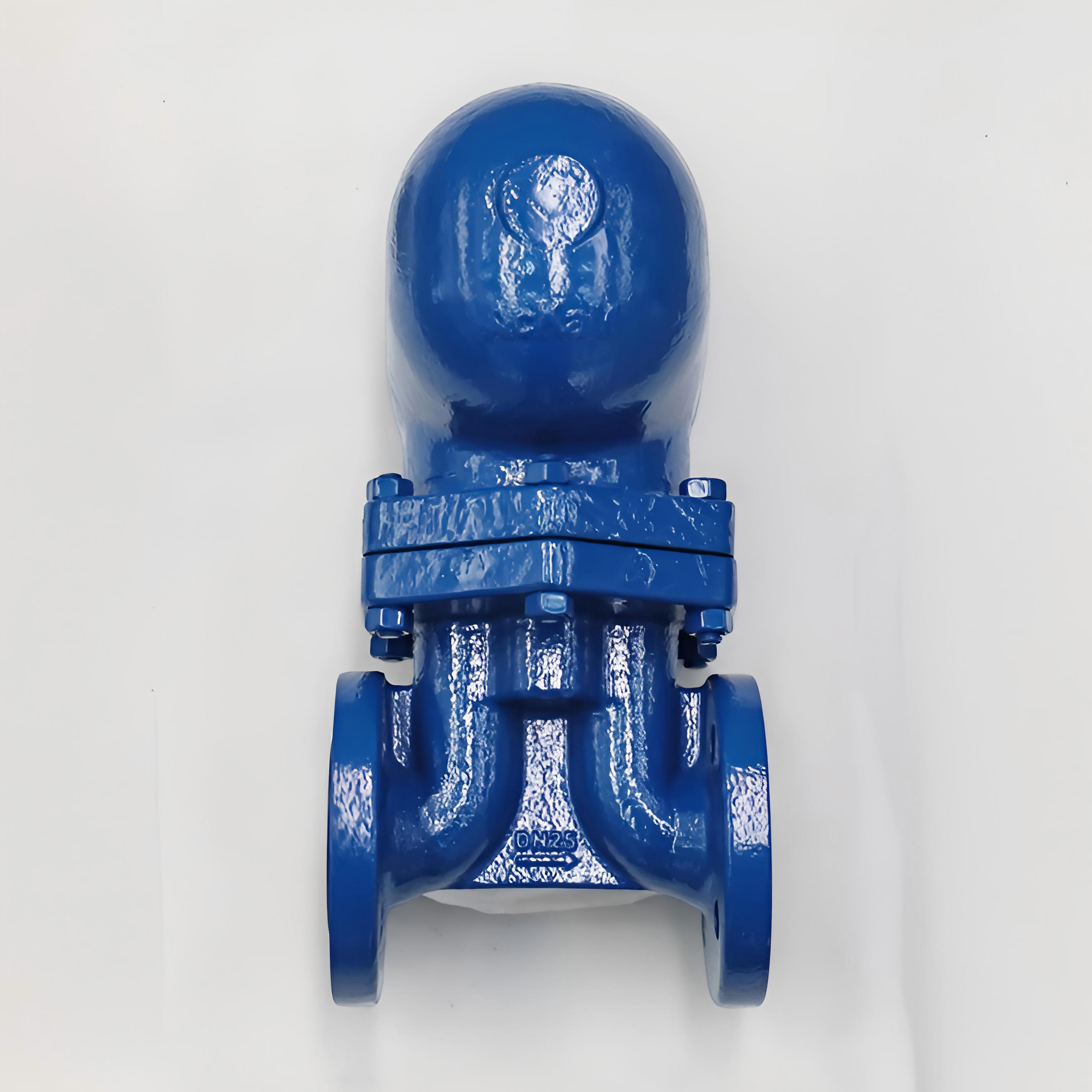
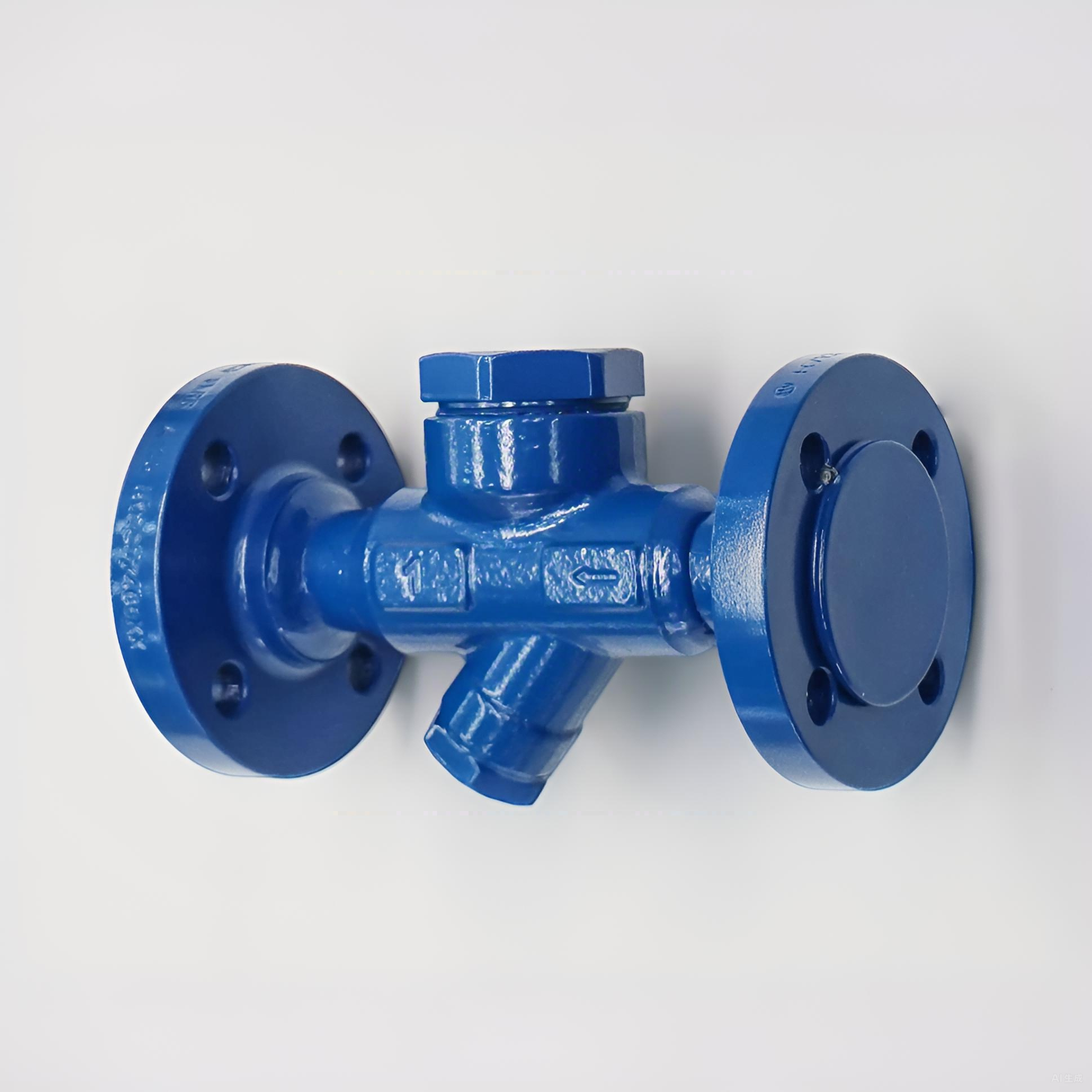
A steam trap for food processing represents a critical component in industrial food production systems, designed to efficiently manage steam and condensate flow throughout manufacturing operations. These specialized devices automatically remove condensed water, air, and other non-condensable gases from steam systems while preventing the escape of live steam, ensuring optimal energy efficiency and process control in food manufacturing environments. The steam trap for food processing operates through sophisticated thermodynamic, mechanical, or thermostatic principles, depending on the specific design configuration. Thermodynamic steam traps utilize the velocity and pressure differences between steam and condensate to control discharge, while mechanical versions rely on float mechanisms that respond to condensate levels. Thermostatic models use temperature-sensitive elements to distinguish between steam and condensate phases. In food processing applications, these steam traps maintain precise temperature control essential for cooking, sterilization, pasteurization, and cleaning processes. The technological features of a steam trap for food processing include corrosion-resistant materials such as stainless steel construction that meets food-grade standards and FDA regulations. Advanced models incorporate self-cleaning mechanisms, modulating capabilities, and integrated monitoring systems that provide real-time performance data. These devices feature sanitary designs with smooth surfaces and minimal crevices to prevent bacterial growth and facilitate thorough cleaning protocols. The steam trap for food processing applications spans across various sectors including dairy processing, beverage production, meat processing, bakery operations, and canned goods manufacturing. In dairy facilities, these traps ensure consistent temperatures during pasteurization and sterilization cycles. Beverage manufacturers rely on steam traps for precise heating control during brewing and bottling processes. Meat processing plants utilize these systems for cooking, smoking, and sanitation procedures, while bakeries depend on accurate steam control for baking processes and equipment cleaning.