Premium Steam Trap for Centralized Heating - Energy Efficient Condensate Management Solutions

All Categories

Get a Free Quote

Our representative will contact you soon.
Email
Name
Company Name
Message
0/1000

steam trap for centralized heating

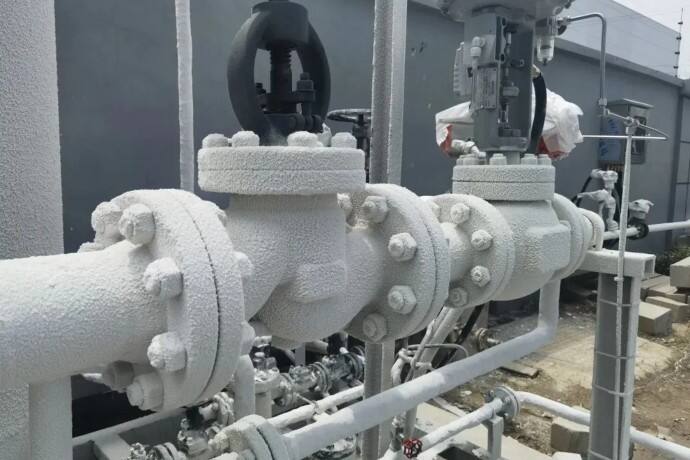
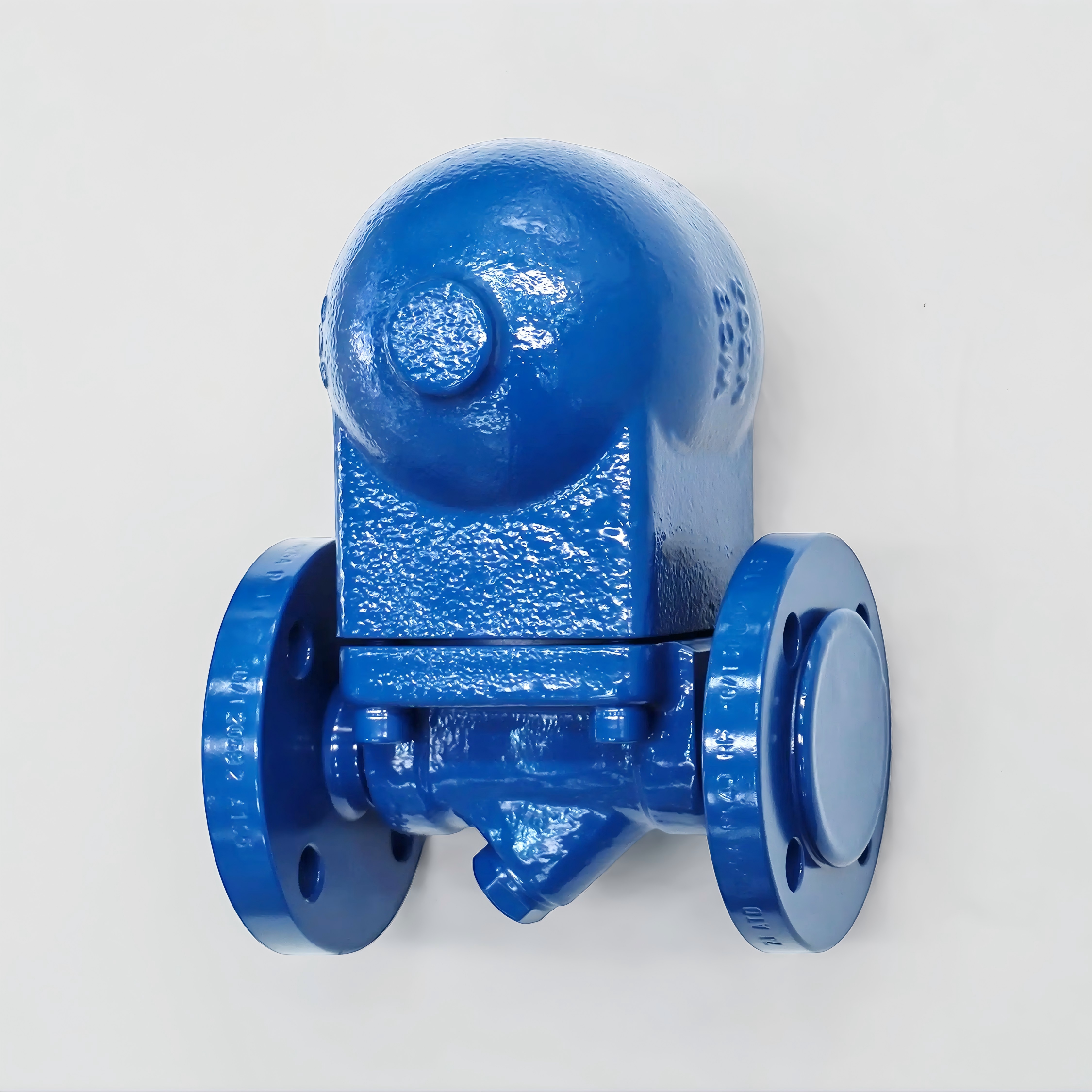
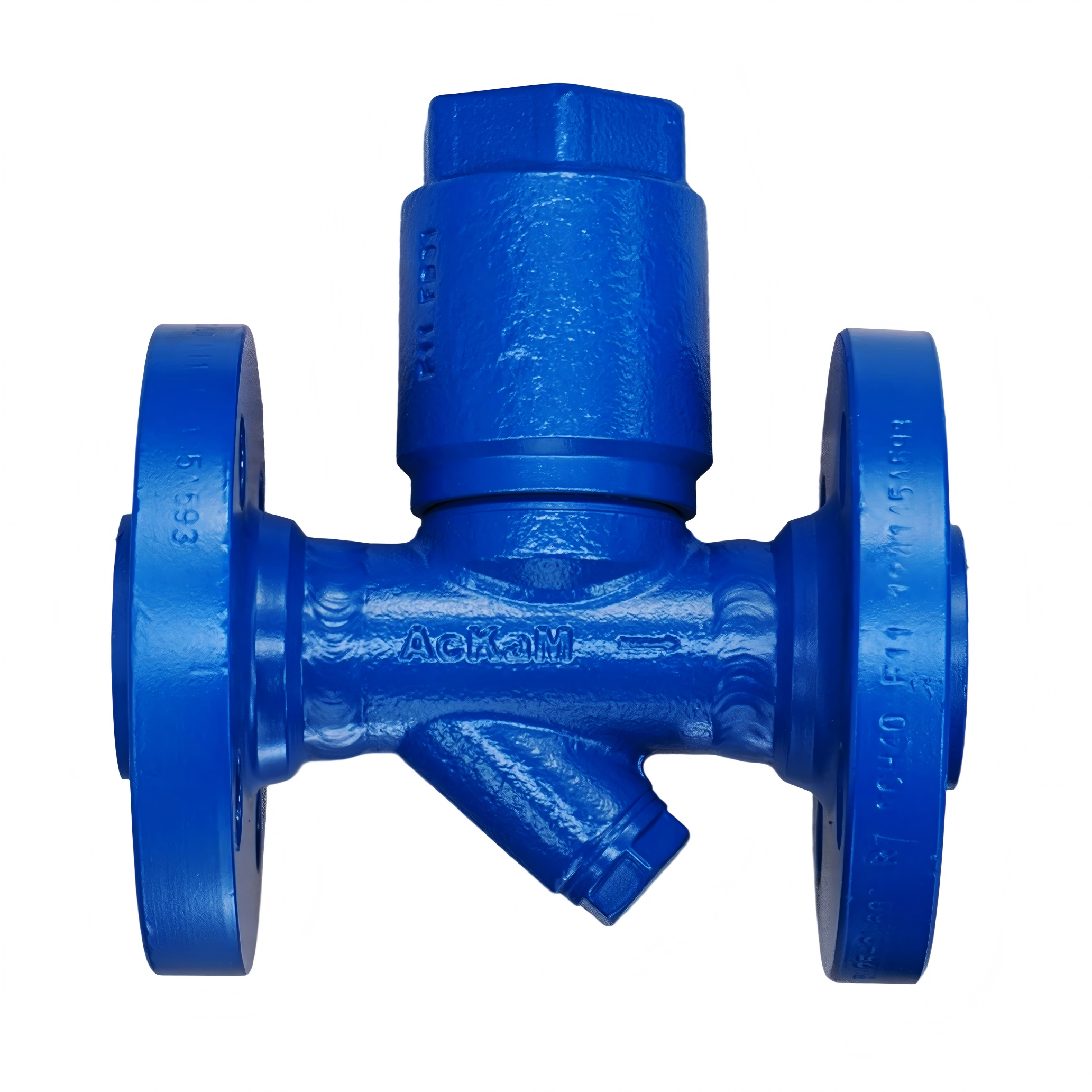
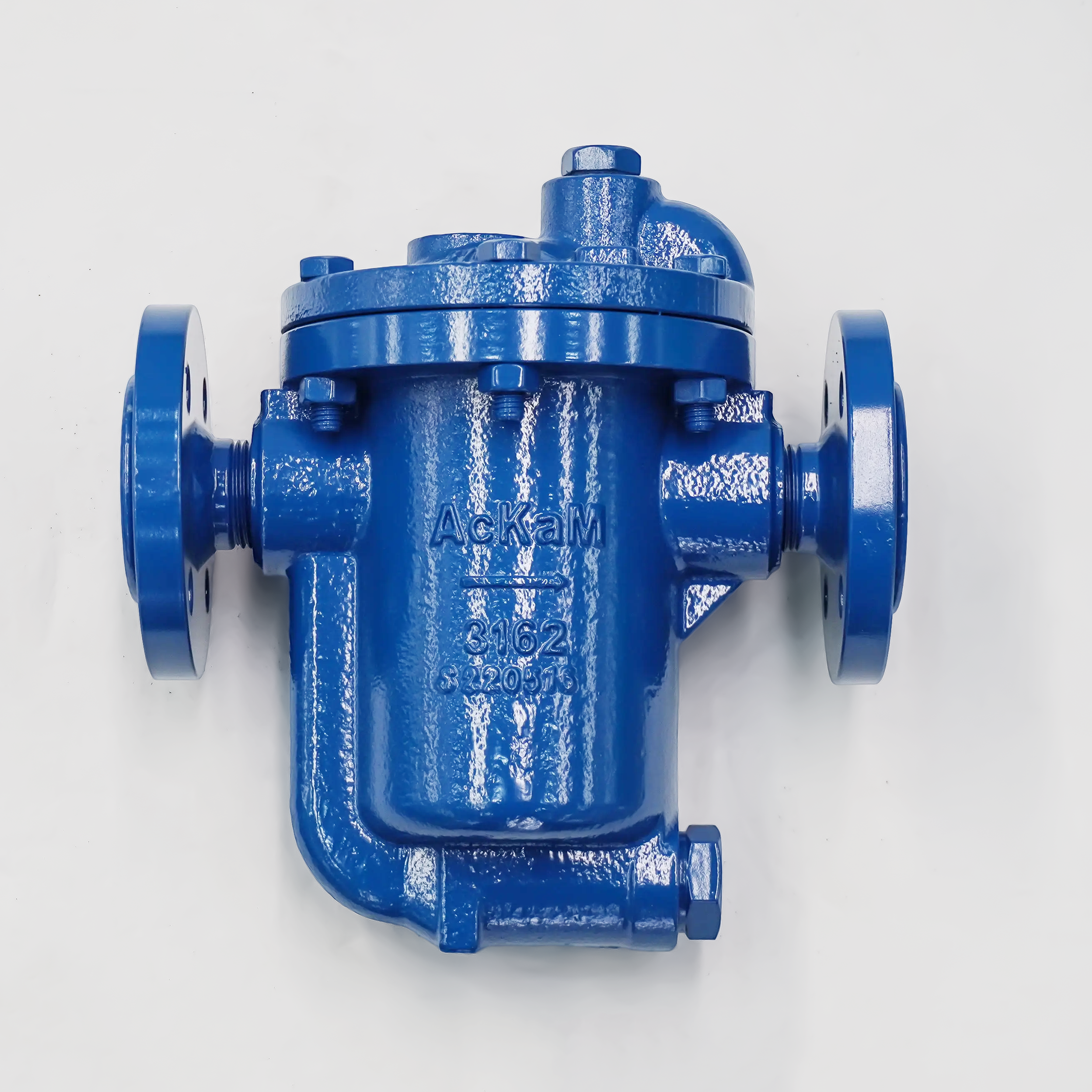
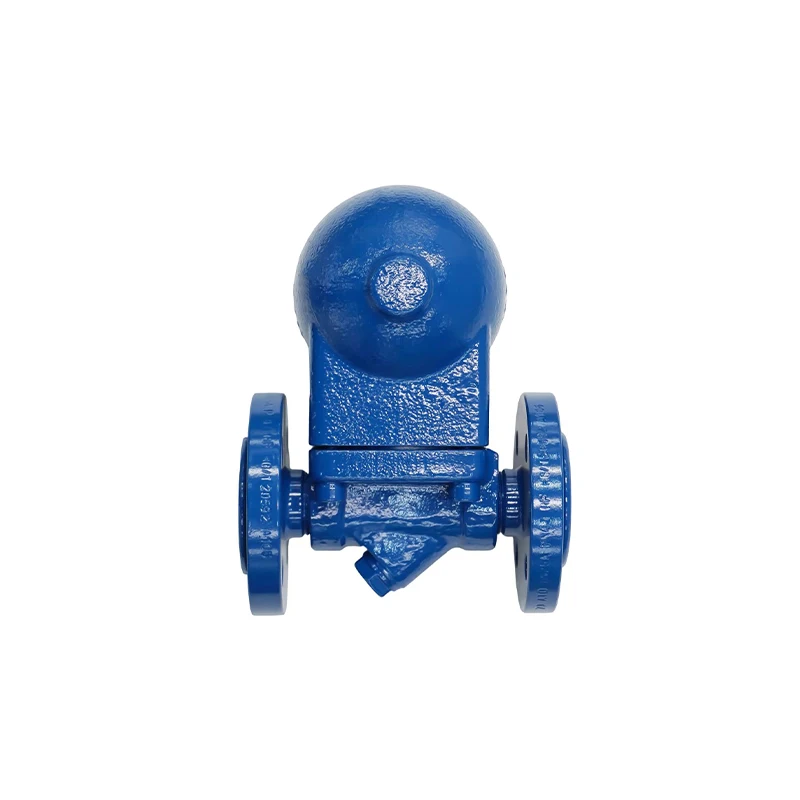
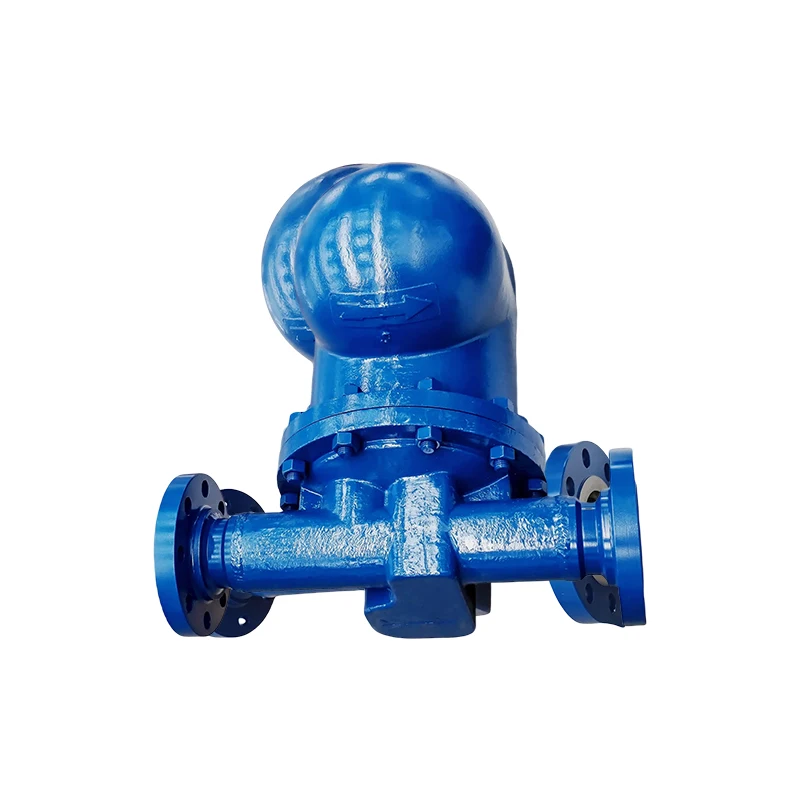
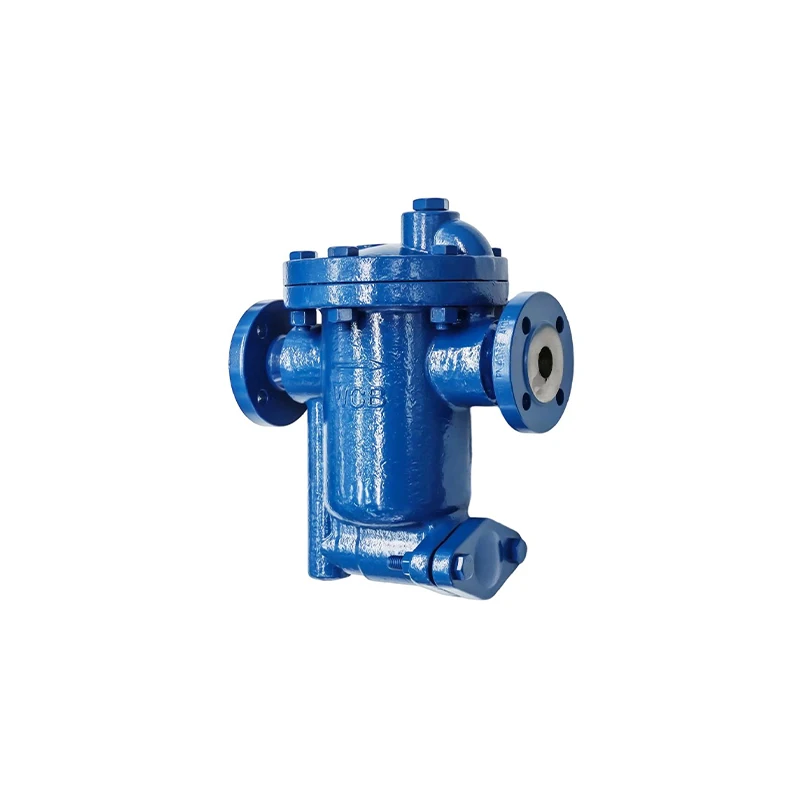
Steam traps for centralized heating represent critical components in modern building infrastructure, designed to automatically discharge condensate while preventing valuable steam from escaping the system. These specialized devices maintain optimal heating performance by removing water that forms when steam releases its latent heat throughout the distribution network. The primary function of a steam trap for centralized heating involves distinguishing between steam and condensate, ensuring that only liquid water exits the system while retaining pressurized steam for continued heat distribution. This selective operation maximizes energy efficiency and maintains consistent temperature control across large buildings, hospitals, schools, and commercial facilities. Technologically, steam trap for centralized heating systems employ various mechanisms including thermodynamic, mechanical, and thermostatic principles. Thermodynamic traps utilize pressure differentials and steam velocity changes, while mechanical versions rely on float mechanisms that respond to condensate accumulation. Thermostatic steam traps for centralized heating react to temperature variations between steam and condensate, opening when cooler liquid water accumulates. Modern steam trap for centralized heating designs incorporate corrosion-resistant materials, precision-engineered internal components, and robust housings that withstand high-pressure environments. Applications span diverse sectors including district heating networks, industrial facilities, and multi-story residential complexes where centralized steam distribution provides efficient heating solutions. The steam trap for centralized heating proves essential in maintaining system pressure, preventing water hammer damage, and eliminating air pockets that reduce heating effectiveness. Installation locations include radiator connections, main distribution lines, and heat exchanger outlets where condensate naturally accumulates during normal operation.
New Products

Steam trap for centralized heating systems deliver substantial operational benefits that directly impact facility management costs and occupant comfort levels. Energy savings represent the most significant advantage, as properly functioning steam traps for centralized heating prevent steam losses that can account for up to thirty percent of total heating costs. By retaining steam within the distribution network, these devices ensure maximum heat transfer efficiency while reducing fuel consumption and associated expenses. Maintenance requirements decrease substantially when facilities install quality steam traps for centralized heating, as these systems self-regulate condensate removal without requiring constant manual intervention or monitoring. This automation reduces labor costs while ensuring consistent performance throughout heating seasons. System longevity improves dramatically with proper steam trap for centralized heating installation, as these devices prevent corrosive condensate accumulation that typically causes pipe deterioration, valve damage, and equipment failures. The protective function extends equipment lifespan and delays costly replacement projects. Occupant comfort benefits significantly from steam trap for centralized heating systems that maintain steady heat distribution without temperature fluctuations or cold spots common in poorly maintained heating networks. Even heat delivery creates more pleasant indoor environments while reducing complaints and adjustment requests. Safety enhancements result from steam trap for centralized heating installations that prevent dangerous pressure buildups and water hammer incidents that can damage pipes or injure personnel. These devices automatically regulate system pressures within safe operating parameters. Environmental benefits emerge as steam traps for centralized heating reduce fuel consumption and lower carbon emissions associated with heating operations. Improved efficiency contributes to sustainability goals while demonstrating corporate environmental responsibility. Cost-effectiveness becomes apparent through reduced energy bills, lower maintenance expenses, and extended equipment lifecycles that justify initial investment costs. Return on investment typically occurs within two to three years for most steam trap for centralized heating installations, making these systems financially attractive for budget-conscious facility managers seeking long-term operational improvements.

Tips And Tricks

Soaring to New Heights: AcKaM Industrial Surges in Billion-Dollar Market with 200% H1 Sales Growth

04

Nov

Soaring to New Heights: AcKaM Industrial Surges in Billion-Dollar Market with 200% H1 Sales Growth

View More
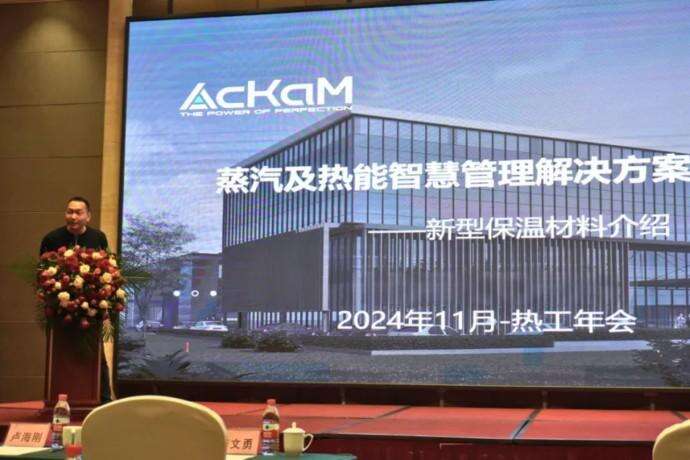
Innovation in Thermal Insulation Technology! AcKaM Delivers Keynote Speech at 2024 National Thermal Engineering Conference

05

Nov

Innovation in Thermal Insulation Technology! AcKaM Delivers Keynote Speech at 2024 National Thermal Engineering Conference

View More
AcKaM: Riding the Trillion-Yuan Wave to Pioneer Innovation

04

Nov

AcKaM: Riding the Trillion-Yuan Wave to Pioneer Innovation

View More

Get a Free Quote

Our representative will contact you soon.
Email
Name
Company Name
Message
0/1000

steam trap for centralized heating

Advanced Condensate Management Technology

Advanced Condensate Management Technology

Steam trap for centralized heating systems incorporate sophisticated condensate management technology that revolutionizes how buildings handle water removal from heating networks. This advanced technology operates through precision-engineered mechanisms that continuously monitor steam and water conditions, automatically adjusting to changing system demands without manual intervention. The condensate management capability of steam trap for centralized heating ensures that water accumulation never impedes steam flow or reduces heating efficiency. Internal components respond instantly to pressure changes, temperature variations, and flow rate modifications, maintaining optimal system performance under diverse operating conditions. This technological advancement eliminates the guesswork and manual monitoring traditionally required for heating system maintenance. The automated nature of steam trap for centralized heating condensate management prevents costly system failures that occur when water accumulates in steam lines, causing temperature drops and uneven heat distribution. Building operators benefit from reduced maintenance schedules and fewer emergency repairs, as the steam trap for centralized heating continuously manages water removal without requiring constant attention. The precision engineering ensures that only condensate exits the system while valuable steam remains contained, maximizing energy utilization and minimizing waste. This technology adapts to seasonal variations in heating demand, automatically adjusting operation to maintain consistent performance regardless of outdoor temperatures or building occupancy levels. The reliability of steam trap for centralized heating condensate management technology provides peace of mind for facility managers responsible for maintaining comfortable indoor environments. Long-term operational benefits include extended equipment lifespan, reduced energy consumption, and improved system reliability that justifies the investment in quality steam trap for centralized heating systems.
Energy Efficiency Optimization

Energy Efficiency Optimization

Steam trap for centralized heating systems excel at energy efficiency optimization through intelligent steam retention and selective condensate discharge mechanisms. This optimization directly translates into measurable cost savings for building owners and operators who implement comprehensive steam trap for centralized heating solutions. The energy efficiency stems from the device's ability to prevent steam losses that typically occur in heating systems without proper condensate management. Every unit of steam retained within the distribution network represents energy that continues providing heat rather than escaping uselessly into the atmosphere. The steam trap for centralized heating maximizes this energy utilization by ensuring that steam travels throughout the entire heating network before condensing and releasing its thermal energy. This comprehensive heat distribution creates uniform temperature conditions while minimizing fuel consumption required to maintain desired indoor temperatures. Quantifiable energy savings often reach twenty to thirty percent in facilities that upgrade to modern steam trap for centralized heating systems, representing substantial annual cost reductions for heating operations. The optimization occurs continuously throughout heating seasons, as the steam trap for centralized heating adapts to varying steam loads and condensate production rates. Peak efficiency operation maintains consistent energy performance regardless of external weather conditions or internal heating demands. Building operators appreciate the predictable energy costs that result from steam trap for centralized heating installations, as these systems eliminate the energy waste associated with steam leakage and inefficient condensate removal. The environmental benefits of energy efficiency optimization include reduced carbon emissions and lower fuel consumption that supports sustainability initiatives. Investment returns accelerate through energy savings that compound over multiple heating seasons, making steam trap for centralized heating systems increasingly valuable assets for forward-thinking facility managers.
Low-Maintenance Reliability Design

Low-Maintenance Reliability Design

Steam trap for centralized heating systems feature low-maintenance reliability design that minimizes operational disruptions while ensuring consistent heating performance throughout extended service periods. This reliability design incorporates robust materials, precision manufacturing, and simplified maintenance protocols that reduce the total cost of ownership for heating system operators. The steam trap for centralized heating requires minimal intervention once properly installed, operating automatically for years without requiring frequent adjustments or component replacements. This reliability stems from careful engineering that anticipates the demanding conditions present in centralized heating applications, including high temperatures, varying pressures, and continuous operation cycles. Quality steam trap for centralized heating systems undergo rigorous testing to ensure dependable performance under diverse operating conditions that characterize real-world heating environments. The low-maintenance design eliminates the frequent service calls and emergency repairs commonly associated with inferior heating system components. Building maintenance teams appreciate the predictable service schedules enabled by steam trap for centralized heating reliability, allowing for planned maintenance activities rather than reactive emergency responses. Component durability ensures that steam trap for centralized heating systems continue operating effectively even when other heating system elements require attention or replacement. This reliability provides operational continuity that prevents occupant discomfort and maintains productivity in commercial and institutional facilities. The design philosophy prioritizes long-term performance over short-term cost savings, resulting in steam trap for centralized heating systems that deliver value through extended service life and consistent operation. Warranty coverage typically reflects manufacturer confidence in reliability design, with many steam trap for centralized heating products offering multi-year guarantees that protect customer investments. The combination of reliable operation and low maintenance requirements makes steam trap for centralized heating systems ideal solutions for facilities seeking dependable heating performance without excessive maintenance burdens or unexpected repair costs.

Get a Free Quote

Our representative will contact you soon.
Email
Name
Company Name
Message
0/1000