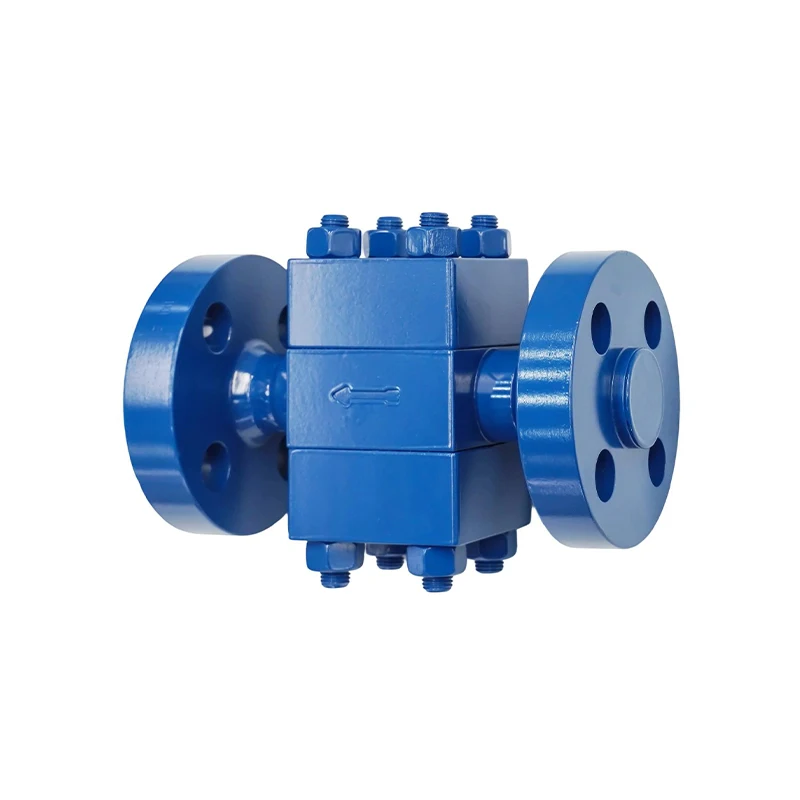
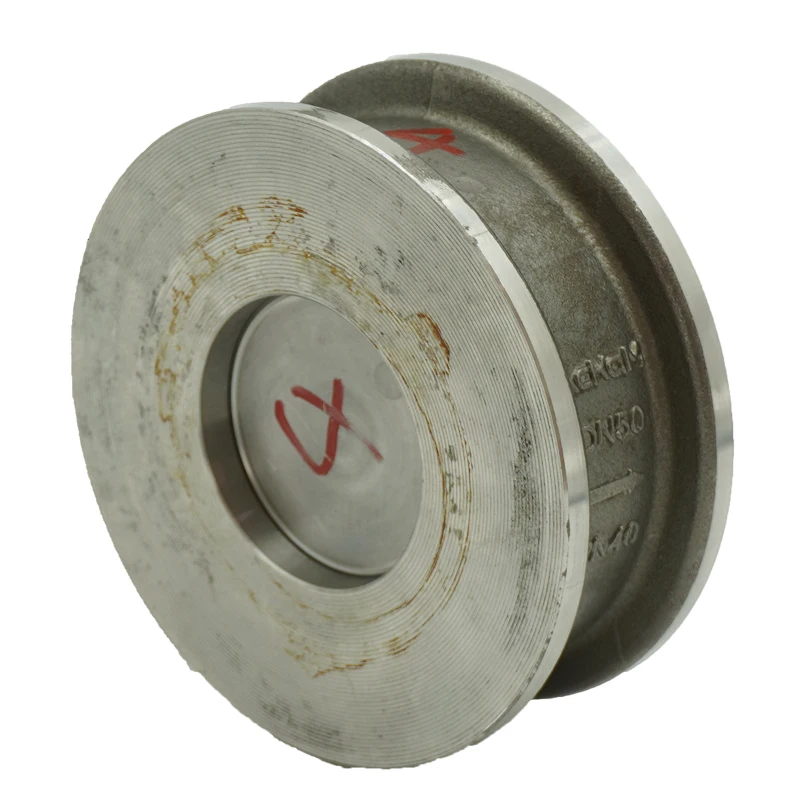
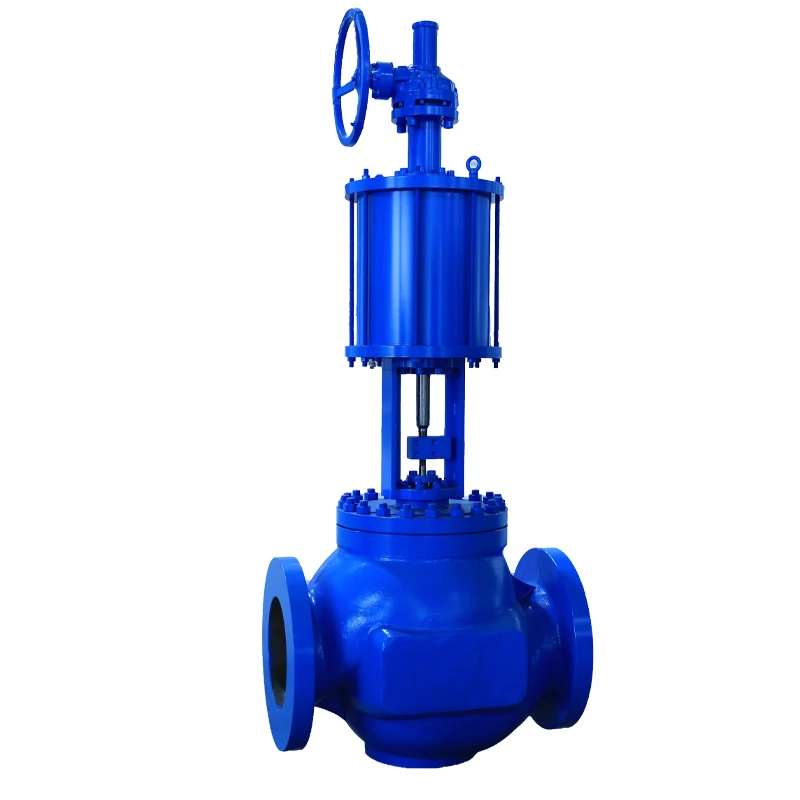
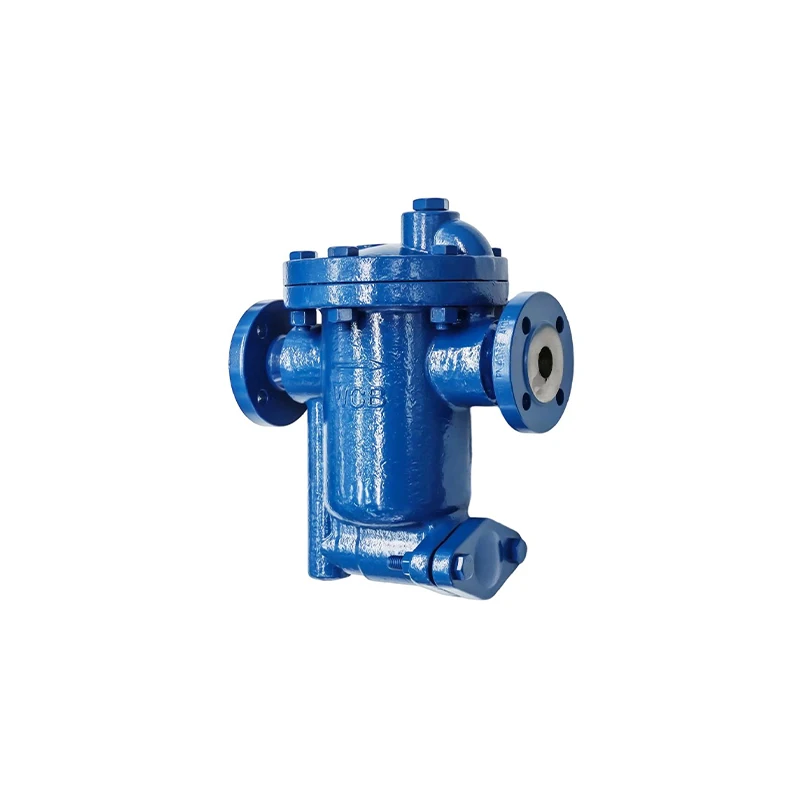
steam trap for direct heating
A steam trap for direct heating represents an essential component in industrial heating systems, designed to automatically remove condensate, air, and non-condensable gases while preventing the escape of live steam. This specialized device operates as an intelligent valve that distinguishes between steam and condensate, ensuring optimal thermal efficiency in direct heating applications. The steam trap for direct heating functions through sophisticated mechanisms that respond to temperature, pressure, or density differences between steam and condensate. When steam condenses into water within heating equipment, the steam trap for direct heating immediately detects this phase change and opens to discharge the condensate. Once the condensate is expelled, the trap closes automatically to prevent steam loss, maintaining consistent heating performance. The technological features of a steam trap for direct heating include robust construction materials that withstand high temperatures and pressures, precise temperature sensing elements, and reliable sealing mechanisms. Modern steam traps for direct heating incorporate advanced materials such as stainless steel bodies, hardened valve seats, and corrosion-resistant internal components. These traps feature adjustable discharge capacities, allowing operators to customize performance based on specific heating requirements. The operational principle relies on thermodynamic, mechanical, or thermostatic mechanisms that ensure reliable condensate removal without steam waste. Applications for steam traps in direct heating span numerous industries including food processing, chemical manufacturing, pharmaceutical production, and textile operations. In food processing facilities, steam traps for direct heating maintain precise temperature control during cooking, sterilization, and packaging processes. Chemical plants utilize these devices to ensure consistent heating in reactors, distillation columns, and heat exchangers. The pharmaceutical industry depends on steam traps for direct heating to maintain sterile conditions and precise temperature control during drug manufacturing. Textile manufacturers employ these systems for dyeing processes, fabric finishing, and steam pressing operations, where consistent heat distribution is crucial for product quality.