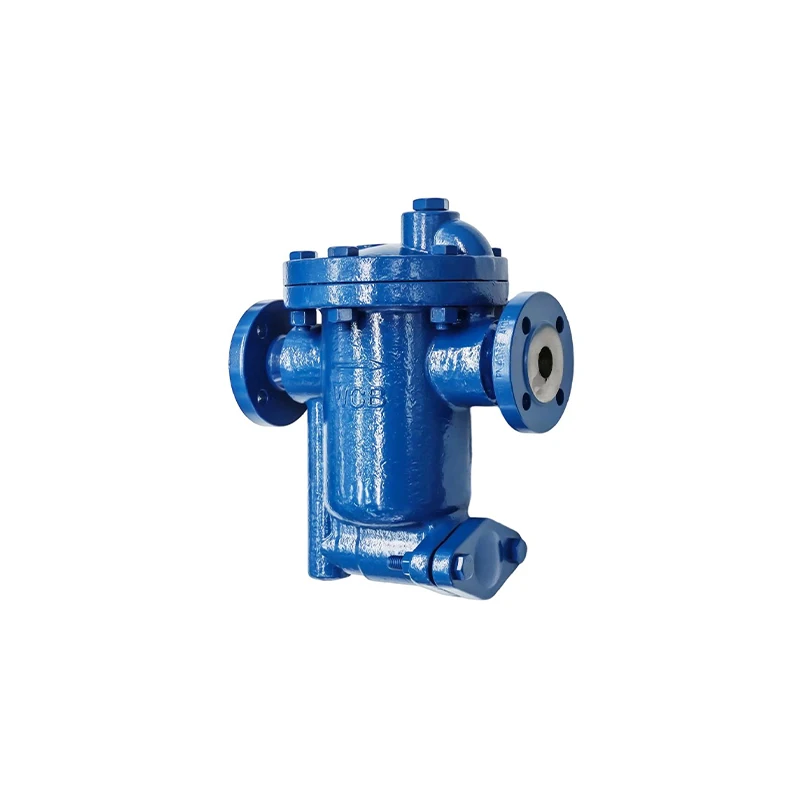
Mechanical Steam Trap Solutions: Reliable Condensate Removal for Industrial Steam Systems

All Categories

Get a Free Quote

Our representative will contact you soon.
Email
Name
Company Name
Message
0/1000

mechanical steam trap

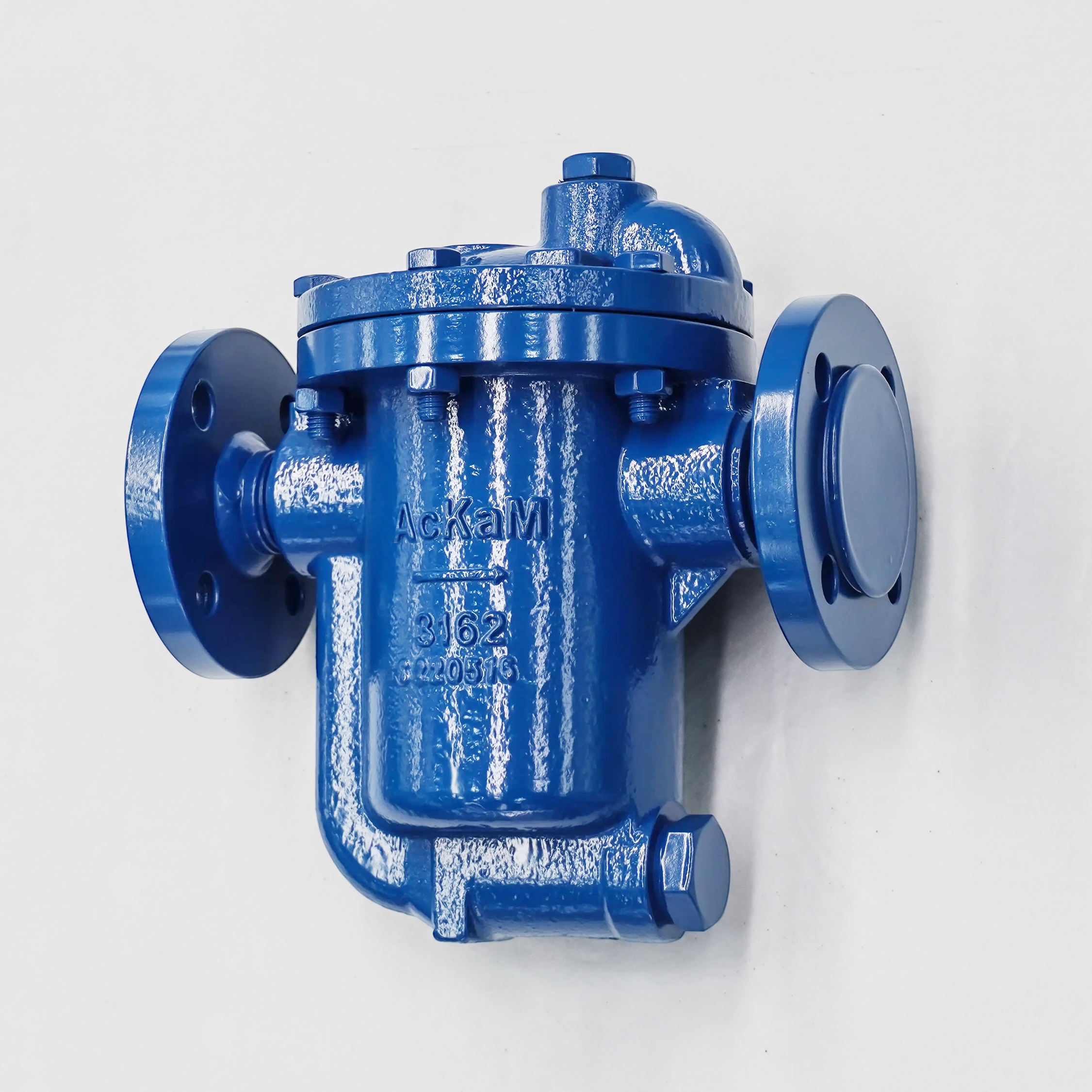
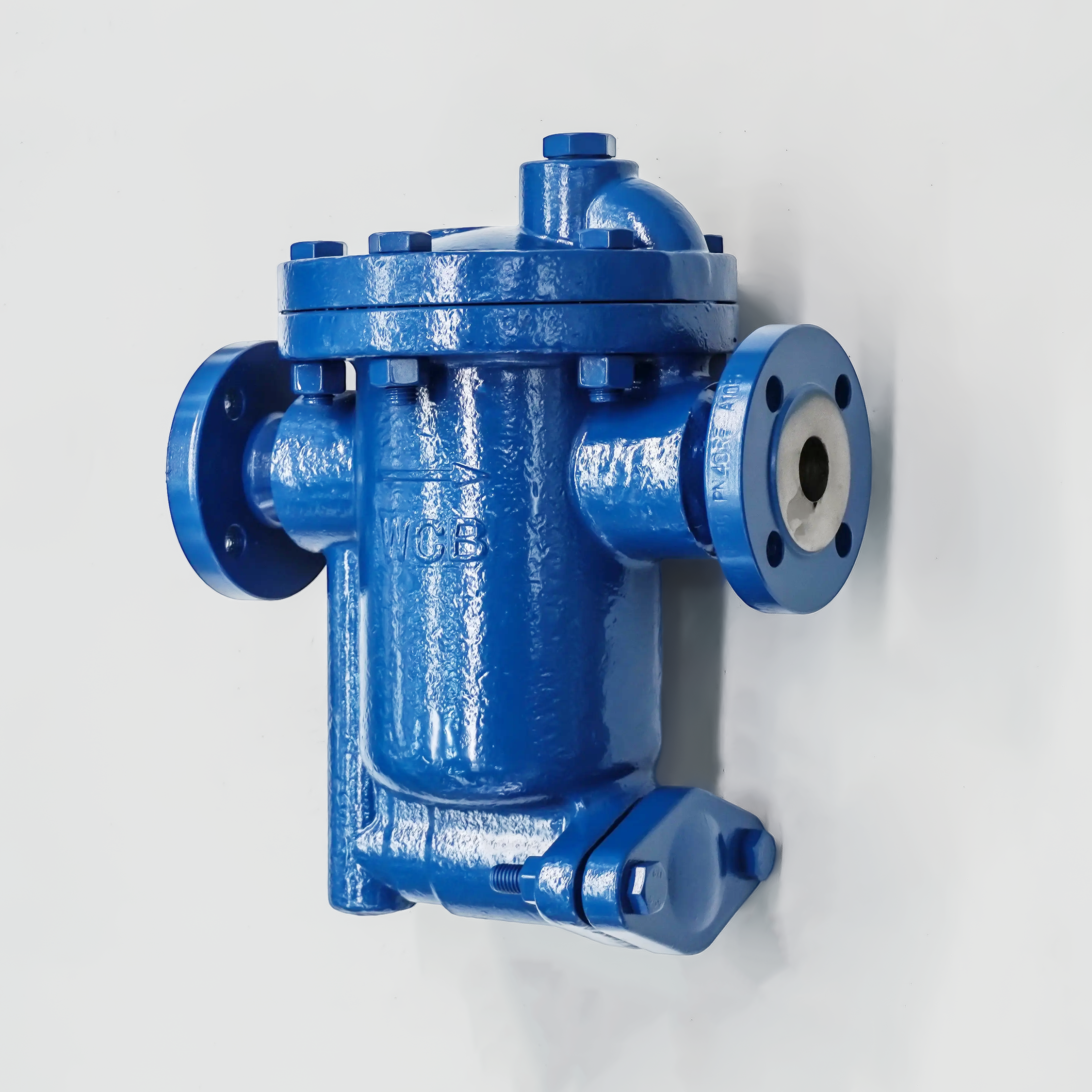
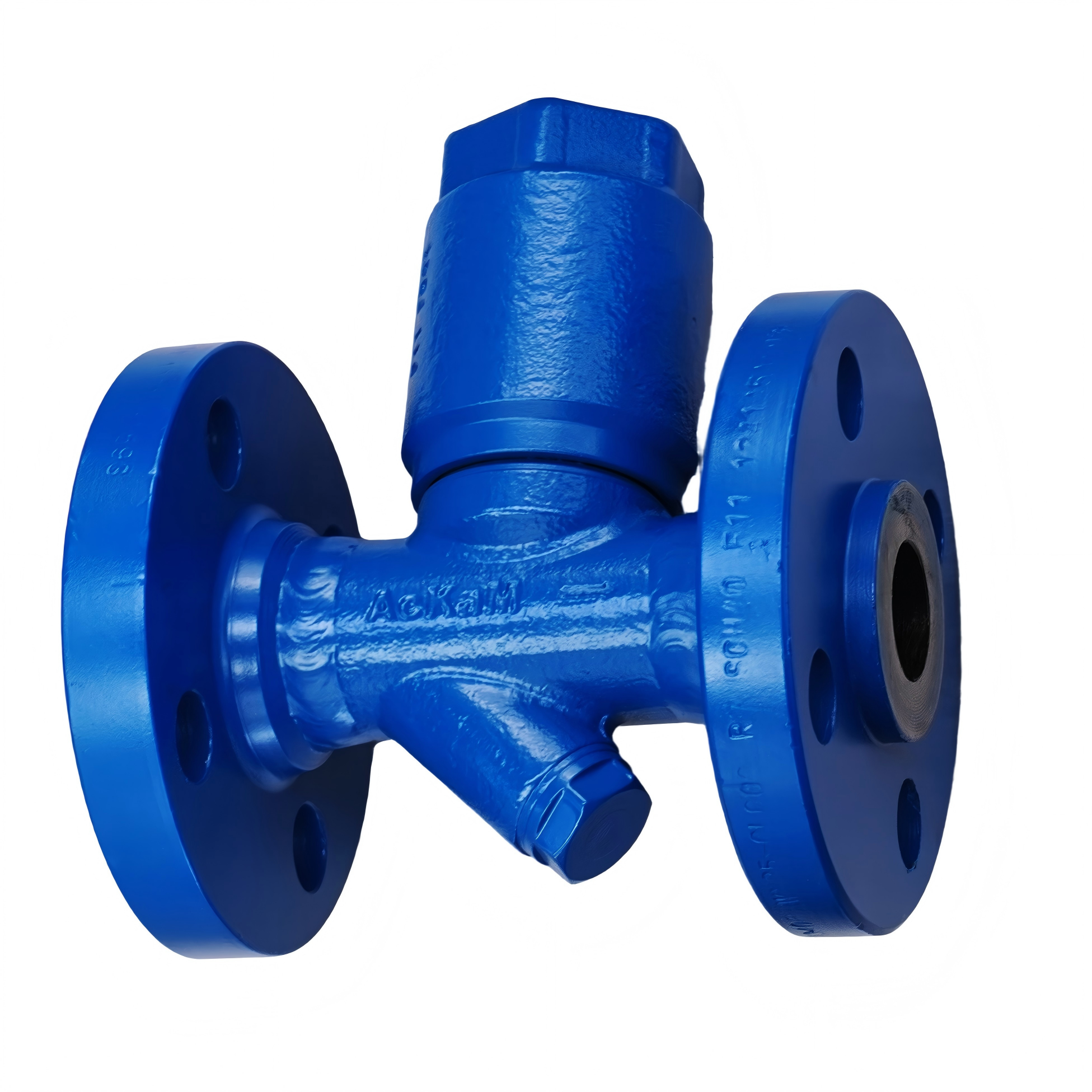
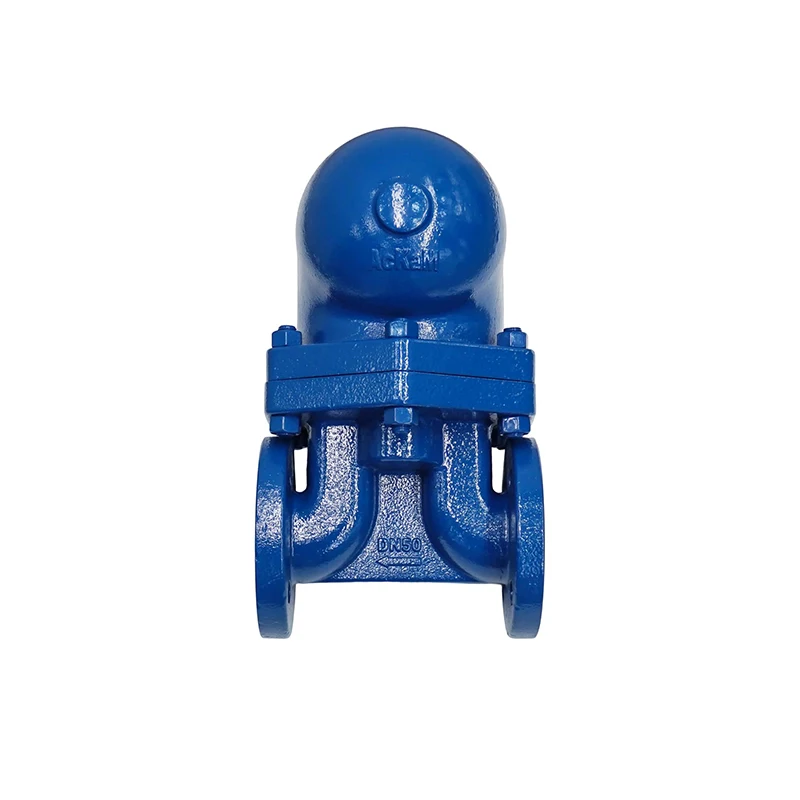
A mechanical steam trap represents one of the most reliable and efficient solutions for automatic steam condensate removal in industrial steam systems. This essential component operates without external power sources, utilizing the fundamental properties of steam and condensate to function effectively. The mechanical steam trap works by detecting the presence of condensate through changes in density, temperature, or buoyancy, automatically opening to discharge water while preventing valuable steam from escaping. The primary function of a mechanical steam trap involves maintaining optimal steam system efficiency by removing condensate that forms when steam transfers its latent heat during industrial processes. When steam condenses into water, it must be promptly removed to prevent system damage, maintain heat transfer efficiency, and ensure proper operation of steam-powered equipment. The mechanical steam trap accomplishes this through various mechanisms, including float-operated valves, thermostatic elements, or inverted bucket systems. Technological features of mechanical steam traps include robust construction materials designed to withstand high temperatures and pressures commonly found in steam applications. These devices typically incorporate stainless steel, carbon steel, or specialized alloy components that resist corrosion and thermal stress. The internal mechanisms are precisely engineered to respond quickly to changing conditions while maintaining long-term reliability. Many mechanical steam traps feature adjustable discharge capacities, allowing operators to optimize performance for specific applications. Applications for mechanical steam traps span numerous industries, including chemical processing, food and beverage production, pharmaceutical manufacturing, power generation, and HVAC systems. These versatile devices are commonly installed in steam heating systems, process equipment, steam distribution networks, and condensate return lines. The mechanical steam trap proves particularly valuable in applications requiring consistent performance, minimal maintenance, and reliable operation under varying load conditions.

New Product Releases

The mechanical steam trap delivers substantial operational benefits that directly impact industrial efficiency and cost-effectiveness. These advantages stem from the device's inherent design characteristics and proven performance in demanding applications. First, the mechanical steam trap operates continuously without requiring electrical power or external control systems. This independence from external energy sources ensures uninterrupted operation during power outages or control system failures, maintaining steam system integrity when other automated systems might fail. The self-contained operation reduces installation complexity and eliminates ongoing electrical costs associated with powered alternatives. Energy efficiency represents another significant advantage of the mechanical steam trap. By preventing steam loss while efficiently removing condensate, these devices help maintain optimal heat transfer rates throughout steam systems. Proper condensate removal prevents waterlogging, which can reduce heat transfer efficiency by up to 50 percent in some applications. The mechanical steam trap ensures that valuable steam reaches its intended destination rather than being wasted through improper discharge or system leaks. Maintenance requirements for mechanical steam traps remain minimal compared to other steam system components. The robust mechanical design features fewer moving parts than complex electronic alternatives, reducing potential failure points and extending service intervals. Most mechanical steam traps require only periodic inspection and occasional cleaning, with many units operating reliably for years without major maintenance. This reliability translates directly into reduced downtime and lower maintenance costs for facility operators. Cost-effectiveness emerges as a primary advantage when considering both initial investment and long-term operational expenses. Mechanical steam traps typically cost less than electronic alternatives while delivering comparable or superior performance in most applications. The absence of electrical components eliminates concerns about electromagnetic interference, harsh environmental conditions, or complex wiring requirements. Additionally, the mechanical steam trap adapts automatically to varying load conditions without requiring manual adjustment or sophisticated control algorithms, making it an ideal choice for applications with fluctuating steam demands.

Latest News

Soaring to New Heights: AcKaM Industrial Surges in Billion-Dollar Market with 200% H1 Sales Growth

04

Nov

Soaring to New Heights: AcKaM Industrial Surges in Billion-Dollar Market with 200% H1 Sales Growth

View More
Innovation in Thermal Insulation Technology! AcKaM Delivers Keynote Speech at 2024 National Thermal Engineering Conference

05

Nov

Innovation in Thermal Insulation Technology! AcKaM Delivers Keynote Speech at 2024 National Thermal Engineering Conference

View More
AcKaM: Riding the Trillion-Yuan Wave to Pioneer Innovation

04

Nov

AcKaM: Riding the Trillion-Yuan Wave to Pioneer Innovation

View More

Get a Free Quote

Our representative will contact you soon.
Email
Name
Company Name
Message
0/1000

mechanical steam trap

Superior Reliability and Durability in Harsh Industrial Environments

Superior Reliability and Durability in Harsh Industrial Environments

The mechanical steam trap demonstrates exceptional reliability through its robust construction and time-tested operating principles. Unlike electronic or pneumatic alternatives, the mechanical steam trap relies solely on proven mechanical components that withstand extreme temperatures, pressure fluctuations, and corrosive environments commonly encountered in industrial steam applications. The device operates effectively in temperature ranges from sub-zero conditions to over 450°F, maintaining consistent performance regardless of ambient conditions. This temperature tolerance makes the mechanical steam trap particularly valuable in outdoor installations, unheated facilities, and process applications involving extreme thermal cycling. The durability advantage extends to the materials used in construction, with most mechanical steam traps featuring corrosion-resistant stainless steel, carbon steel, or specialized alloys designed for specific chemical environments. These materials resist degradation from steam, condensate, and various industrial chemicals, ensuring long service life even in challenging applications. The mechanical design eliminates electronic components that might fail due to moisture, vibration, electromagnetic interference, or temperature extremes. Internal mechanisms such as float assemblies, thermostatic elements, and valve seats are engineered to withstand millions of operating cycles while maintaining tight shutoff capabilities. Quality mechanical steam traps often include renewable seat designs that allow for field maintenance without complete unit replacement, further extending operational life. The reliability of mechanical steam traps translates into reduced maintenance schedules, lower replacement costs, and improved system uptime. Many installations report mechanical steam trap operation exceeding 10 years without major maintenance, providing exceptional return on investment. This proven durability makes the mechanical steam trap the preferred choice for critical applications where system reliability cannot be compromised, such as hospital heating systems, pharmaceutical production, and food processing operations where consistent steam supply is essential for product quality and safety.

Automatic Self-Regulating Performance Without External Controls

Automatic Self-Regulating Performance Without External Controls

The mechanical steam trap excels through its inherent ability to automatically adjust operation based on real-time system conditions without requiring external sensors, controls, or power sources. This self-regulating capability represents a fundamental advantage over manual valves or electronically controlled systems that depend on external inputs for proper operation. The mechanical steam trap responds immediately to changes in condensate levels, temperature variations, and system pressure fluctuations through its internal mechanisms. Float-type mechanical steam traps utilize buoyancy principles to automatically open and close discharge valves based on condensate accumulation. As condensate enters the trap body, the internal float rises, mechanically opening the discharge valve to remove water while maintaining steam retention. When condensate levels drop, the float descends, closing the valve to prevent steam loss. This continuous automatic adjustment ensures optimal system performance without operator intervention or complex programming. Thermostatic mechanical steam traps incorporate temperature-sensitive elements that respond to the temperature difference between steam and condensate. These elements expand and contract based on fluid temperature, automatically modulating valve position to discharge condensate while retaining steam at operating temperature. The thermostatic response provides precise control that adapts to varying load conditions and seasonal temperature changes. The self-regulating nature of mechanical steam traps eliminates the need for manual adjustment during system startups, load changes, or seasonal variations. This automatic adaptation reduces operator workload and minimizes the potential for human error in system operation. Unlike manual valves that require regular adjustment and monitoring, the mechanical steam trap continuously optimizes performance based on actual system conditions. The automatic operation also ensures consistent performance across multiple shifts and different operators, maintaining system efficiency regardless of personnel changes. This self-sufficiency makes mechanical steam traps particularly valuable in remote locations, unmanned facilities, or applications where regular operator attention is impractical or impossible.
Energy Conservation and Cost Reduction Through Efficient Steam Management

Energy Conservation and Cost Reduction Through Efficient Steam Management

The mechanical steam trap delivers significant energy conservation benefits by maximizing steam utilization efficiency while minimizing waste throughout industrial steam systems. These energy-saving capabilities directly translate into reduced operating costs and improved environmental performance for facilities utilizing steam-powered processes. The primary energy conservation mechanism involves preventing valuable steam from escaping through discharge ports while ensuring rapid condensate removal. Steam carries substantial energy content in the form of latent heat, and any steam loss represents direct energy waste that increases boiler fuel consumption and operating costs. The mechanical steam trap maintains tight shutoff when only steam is present, preserving this valuable energy for its intended purpose while opening quickly to discharge condensate that has already released its thermal energy. Efficient condensate removal by mechanical steam traps prevents waterlogging conditions that dramatically reduce heat transfer efficiency in steam-powered equipment. When condensate accumulates in heat exchangers, radiators, or process vessels, it creates an insulating layer that impedes heat transfer and forces systems to operate at higher steam pressures to maintain desired temperatures. The mechanical steam trap eliminates this inefficiency by continuously removing condensate, allowing equipment to operate at optimal conditions with lower steam consumption. The energy conservation extends to condensate return systems, where mechanical steam traps help recover valuable hot condensate for boiler feedwater. This recovered condensate retains significant thermal energy and requires less fuel to convert back to steam compared to cold makeup water. Properly functioning mechanical steam traps ensure maximum condensate recovery while preventing steam breakthrough that would waste energy in condensate return lines. Cost reduction benefits accumulate through multiple mechanisms including reduced fuel consumption, lower water treatment costs, decreased boiler maintenance, and extended equipment life. Many facilities report fuel savings of 10-20 percent after installing properly sized mechanical steam traps throughout their steam distribution systems. These savings compound over time, often recovering the initial investment within months while providing ongoing operational cost benefits for years.

Get a Free Quote

Our representative will contact you soon.
Email
Name
Company Name
Message
0/1000