High-Efficiency Steam Trap for Process Heating - Industrial Temperature Control Solutions

All Categories

Get a Free Quote

Our representative will contact you soon.
Email
Name
Company Name
Message
0/1000

steam trap for process heating

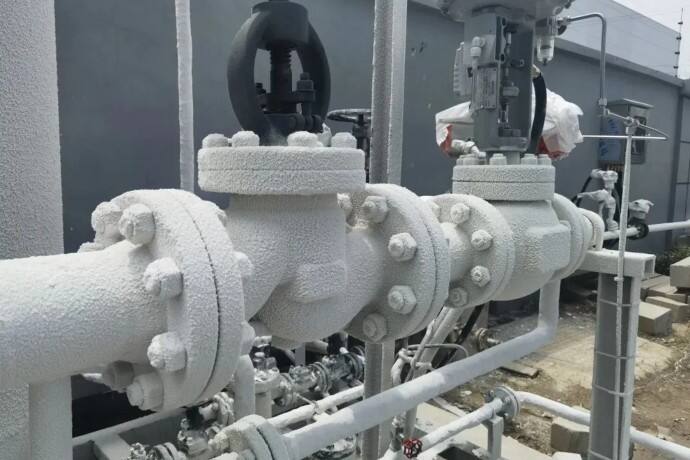
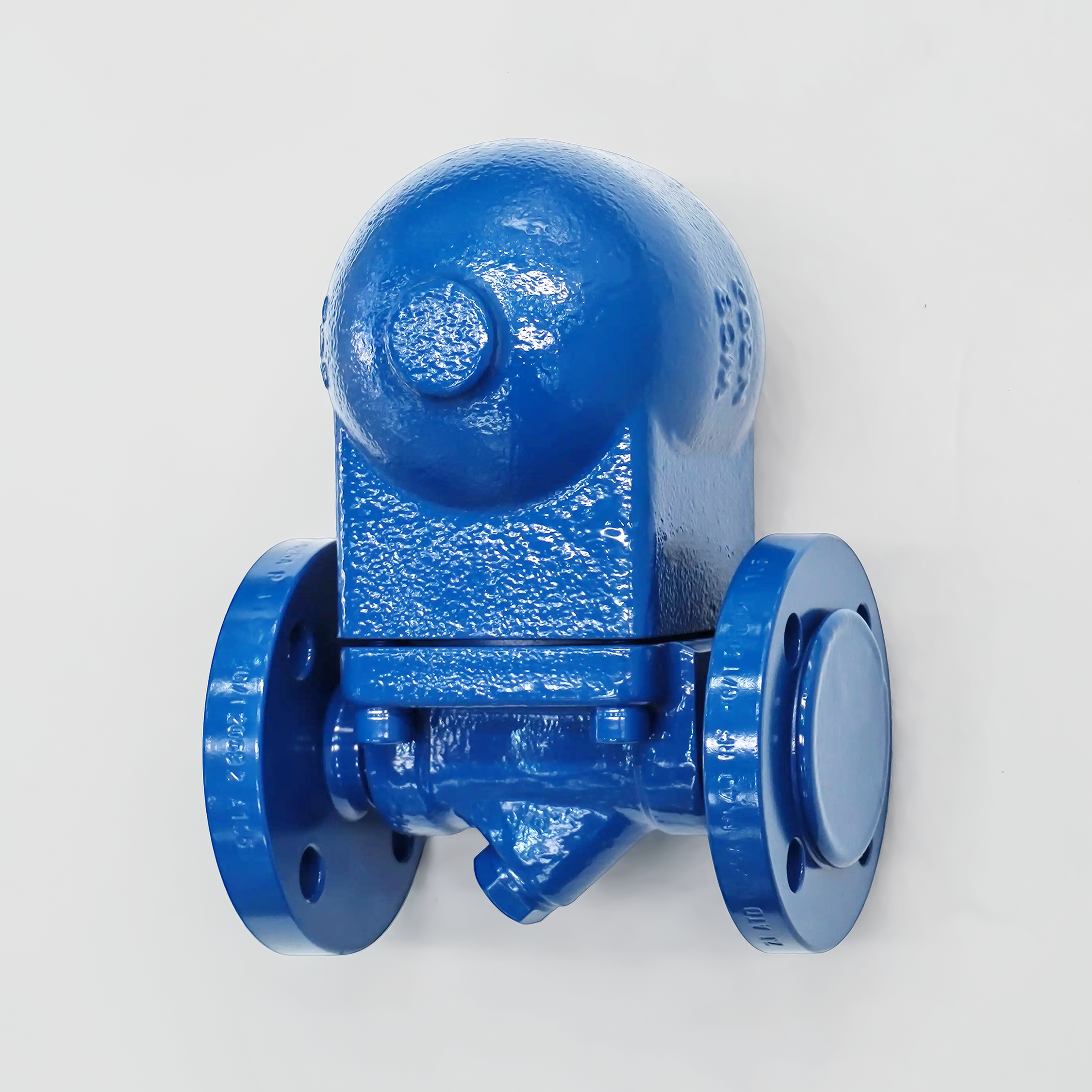
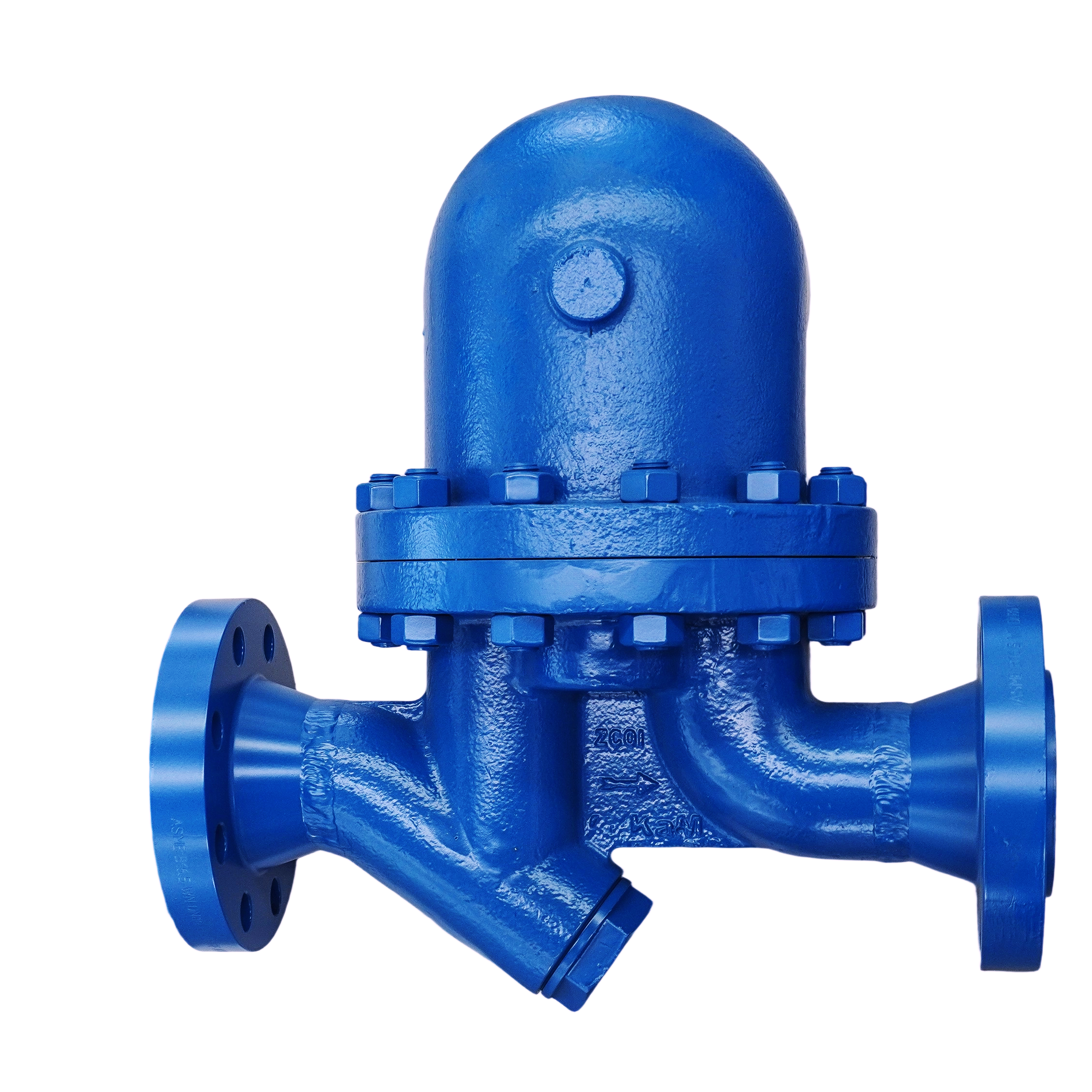
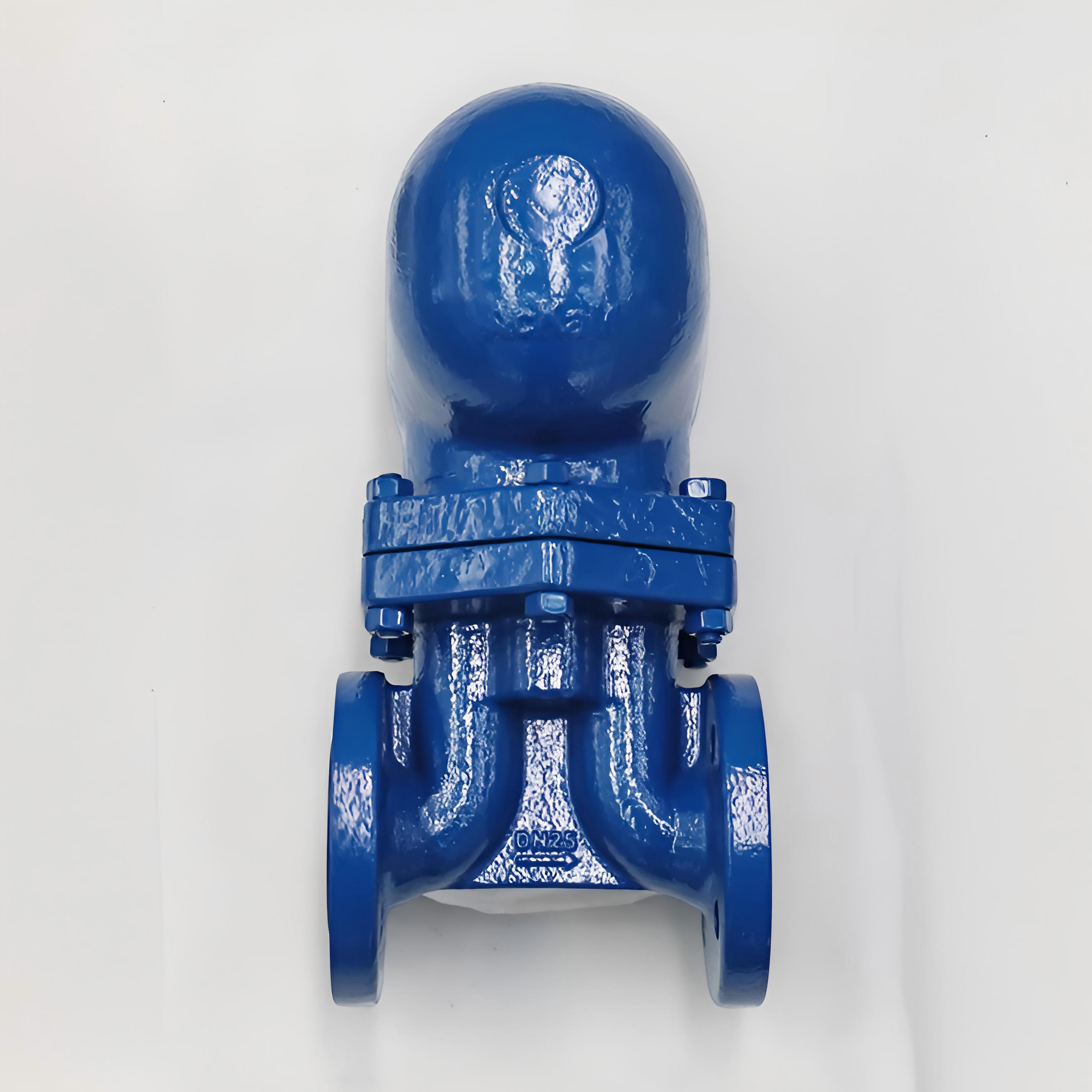
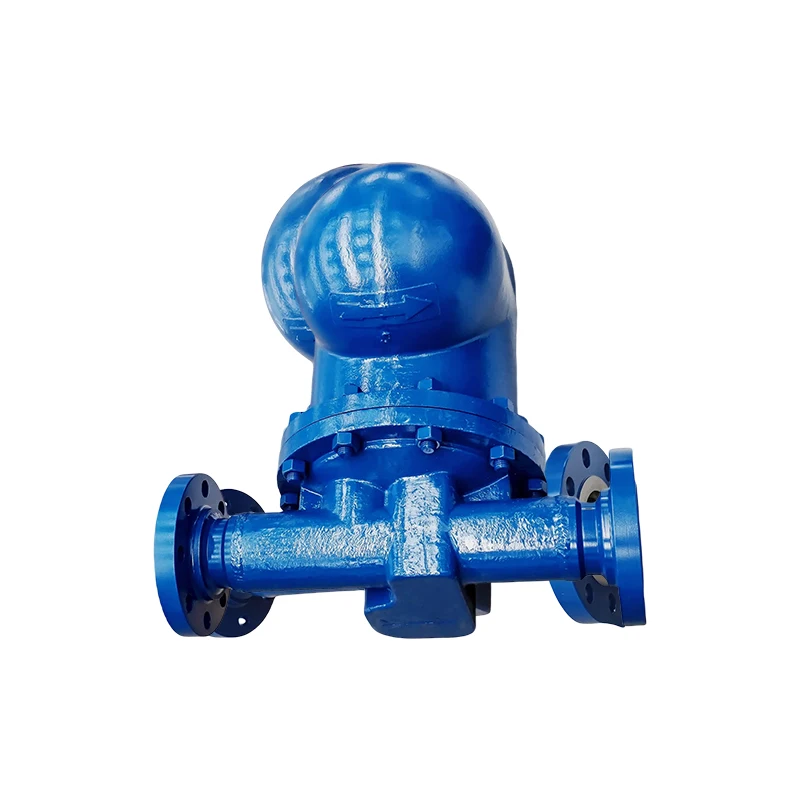
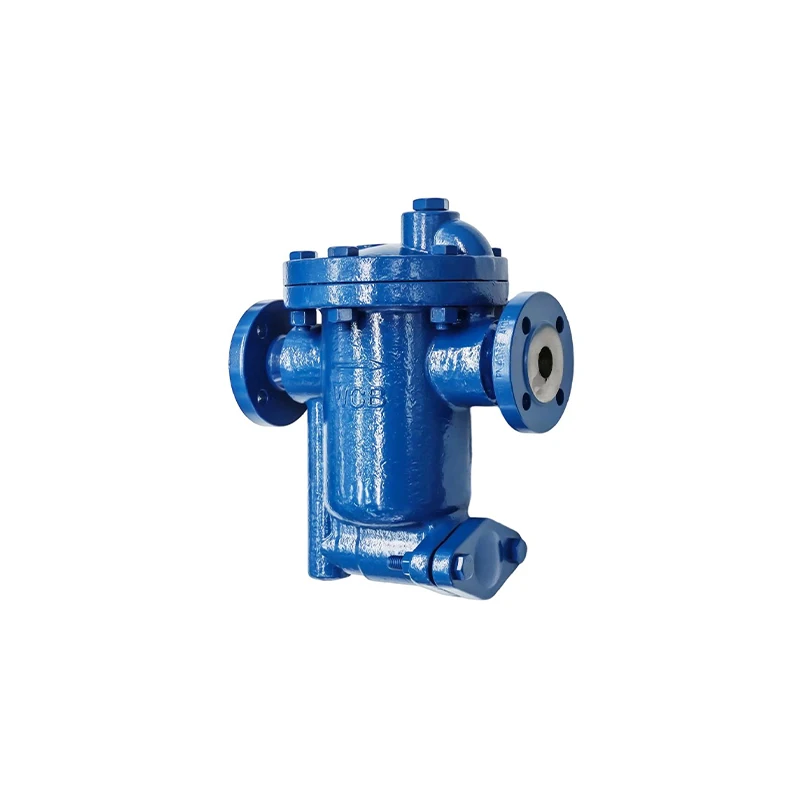
A steam trap for process heating represents a critical component in industrial heating systems, designed to automatically remove condensate, air, and non-condensable gases while preventing the loss of live steam. This specialized valve operates through thermodynamic principles, ensuring optimal steam system performance across various process heating applications. The primary functions of a steam trap for process heating include condensate removal, which prevents water hammer and corrosion while maintaining efficient heat transfer rates. Additionally, these devices eliminate air and other gases that can create insulation barriers, reducing heating effectiveness and causing temperature inconsistencies. The steam trap for process heating also serves as an automatic valve that responds to temperature and pressure changes, opening to discharge condensate and closing to retain valuable steam energy. Modern steam trap for process heating units incorporate advanced thermostatic elements, float mechanisms, or inverted bucket designs depending on specific application requirements. Technological features include stainless steel construction for corrosion resistance, adjustable temperature settings for precise control, and compact designs that integrate seamlessly into existing piping systems. The steam trap for process heating utilizes materials capable of withstanding high temperatures and pressures commonly found in industrial environments. Applications span across pharmaceutical manufacturing, food processing, chemical production, textile operations, and building heating systems where consistent temperature control is essential. In pharmaceutical facilities, the steam trap for process heating ensures sterile processing conditions by maintaining precise temperatures without contamination risks. Food processing industries rely on these devices for cooking, sterilization, and packaging operations where temperature accuracy directly impacts product quality and safety. Chemical manufacturing processes depend on steam trap for process heating systems to control reaction temperatures and prevent thermal degradation of sensitive compounds. The versatility of steam trap for process heating technology makes it indispensable for any industrial operation requiring reliable, efficient steam utilization while minimizing energy waste and operational costs.

New Product Releases

The steam trap for process heating delivers substantial energy savings by preventing steam loss, which directly translates to reduced fuel consumption and lower utility bills for manufacturing facilities. This efficiency gain occurs because the steam trap for process heating automatically distinguishes between valuable steam and waste condensate, ensuring that only unwanted liquids and gases are discharged while preserving the energy-rich steam for continued heating purposes. Facility managers consistently report energy cost reductions of fifteen to thirty percent after installing properly sized steam trap for process heating systems throughout their operations. The reliability of steam trap for process heating units minimizes maintenance requirements and eliminates the need for constant manual monitoring, allowing personnel to focus on core production activities rather than system adjustments. These devices operate continuously without external power sources, utilizing the natural properties of steam and condensate to trigger opening and closing mechanisms automatically. The steam trap for process heating prevents water hammer, which protects expensive equipment from damage and extends the lifespan of piping systems, heat exchangers, and processing vessels. This protection saves companies thousands of dollars in repair costs and prevents costly production shutdowns that occur when equipment fails unexpectedly. Installation of steam trap for process heating systems improves product quality consistency by maintaining stable temperatures throughout heating processes, eliminating hot spots and cold zones that can compromise manufacturing standards. The precise temperature control achieved with steam trap for process heating technology ensures that pharmaceutical products meet stringent regulatory requirements and food products achieve proper cooking or sterilization levels. Safety benefits include reduced risk of scalding accidents from steam leaks and elimination of pressure buildup that could cause system failures or explosions. The steam trap for process heating also reduces environmental impact by minimizing steam emissions and improving overall system efficiency, helping companies meet sustainability goals and regulatory compliance requirements. Maintenance costs decrease significantly because steam trap for process heating units require minimal servicing when properly selected and installed, with many models operating reliably for years without intervention. The compact design of modern steam trap for process heating systems allows installation in tight spaces without extensive piping modifications, reducing installation costs and project timelines while maximizing operational flexibility for future system expansions or modifications.

Tips And Tricks

Soaring to New Heights: AcKaM Industrial Surges in Billion-Dollar Market with 200% H1 Sales Growth

04

Nov

Soaring to New Heights: AcKaM Industrial Surges in Billion-Dollar Market with 200% H1 Sales Growth

View More
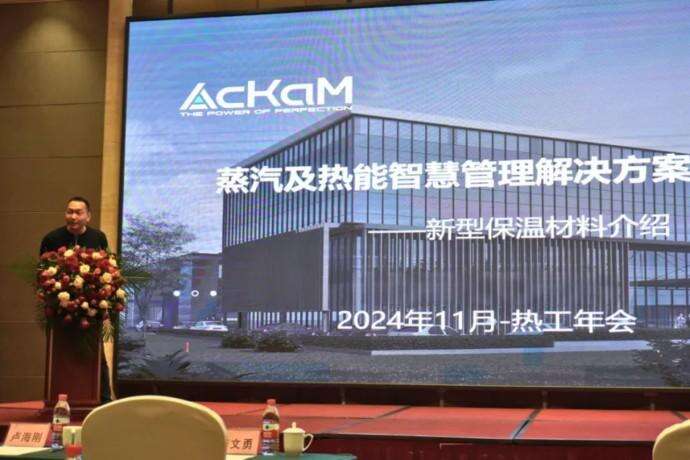
Innovation in Thermal Insulation Technology! AcKaM Delivers Keynote Speech at 2024 National Thermal Engineering Conference

05

Nov

Innovation in Thermal Insulation Technology! AcKaM Delivers Keynote Speech at 2024 National Thermal Engineering Conference

View More
AcKaM: Riding the Trillion-Yuan Wave to Pioneer Innovation

04

Nov

AcKaM: Riding the Trillion-Yuan Wave to Pioneer Innovation

View More

Get a Free Quote

Our representative will contact you soon.
Email
Name
Company Name
Message
0/1000

steam trap for process heating

Advanced Thermodynamic Efficiency for Maximum Energy Conservation

Advanced Thermodynamic Efficiency for Maximum Energy Conservation

The steam trap for process heating incorporates sophisticated thermodynamic principles that automatically respond to temperature variations, ensuring optimal energy utilization while preventing valuable steam losses that plague conventional heating systems. This intelligent operation centers on precision-engineered thermostatic elements that expand and contract based on steam and condensate temperatures, creating a reliable mechanism that distinguishes between useful steam and waste products without requiring external controls or manual intervention. The thermodynamic efficiency of steam trap for process heating technology results from its ability to maintain consistent steam temperatures while rapidly evacuating condensate that would otherwise create thermal barriers and reduce heat transfer effectiveness. Manufacturing facilities implementing advanced steam trap for process heating systems typically experience energy savings ranging from twenty to forty percent compared to facilities using basic condensate removal methods or manual drain systems. The thermodynamic design ensures that steam trap for process heating units respond instantly to changing load conditions, automatically adjusting their operation to match process demands without overshooting or undershooting optimal performance parameters. This responsiveness prevents energy waste during startup periods, load variations, and shutdown cycles when traditional systems often lose significant amounts of steam through improper timing or inadequate control mechanisms. The energy conservation benefits extend beyond immediate fuel savings to include reduced wear on boiler systems, decreased water treatment costs, and lower emissions associated with steam generation. Process engineers appreciate how steam trap for process heating technology maintains consistent temperatures across multiple heating zones simultaneously, eliminating the energy losses that occur when some areas overheat while others remain below target temperatures. The thermodynamic efficiency also contributes to faster heating cycles, allowing production schedules to maintain tight timelines while consuming less energy per unit of output. Environmental benefits multiply as steam trap for process heating systems reduce the carbon footprint of industrial operations by minimizing fuel consumption and steam emissions, supporting corporate sustainability initiatives while delivering measurable cost reductions that improve operational profitability and competitive positioning in energy-conscious markets.
Automated Condensate Management for Uninterrupted Production Flow

Automated Condensate Management for Uninterrupted Production Flow

The steam trap for process heating provides fully automated condensate management that eliminates production interruptions caused by water accumulation, system blockages, or manual drainage procedures that disrupt manufacturing schedules and compromise product quality standards. This automation relies on precisely calibrated mechanisms that detect condensate formation and immediately initiate drainage cycles without operator intervention, ensuring continuous production flow even during extended operational periods or unmanned shifts. The automated condensate management capabilities of steam trap for process heating systems prevent the formation of water slugs that can cause violent water hammer events, protecting sensitive equipment and preventing damage to heat exchangers, control valves, and instrumentation that could halt production lines for hours or days. Production managers value how steam trap for process heating technology maintains consistent heating performance regardless of load variations, seasonal changes, or operational intensity fluctuations that might overwhelm manual condensate removal systems or basic automatic drains. The automation extends to air venting capabilities, with steam trap for process heating units automatically purging non-condensable gases that accumulate during system startup, shutdown, or normal operation, preventing air binding that could create cold spots or uneven heating patterns affecting product specifications. Manufacturing facilities report significant reductions in unplanned downtime after implementing comprehensive steam trap for process heating systems, with some operations achieving continuous run times exceeding thirty days without condensate-related interruptions. The automated operation eliminates human error factors that contribute to system failures, ensuring that condensate removal occurs at optimal intervals regardless of operator experience levels or attention to detail during busy production periods. Advanced steam trap for process heating models incorporate self-monitoring capabilities that provide early warning signals when maintenance attention becomes necessary, allowing scheduled interventions during planned downtime rather than emergency repairs during critical production runs. The reliability of automated condensate management translates directly to improved production metrics, including higher equipment utilization rates, reduced waste from temperature excursions, and enhanced product consistency that meets quality specifications without rework or rejection costs. This automation also reduces labor requirements for system monitoring and maintenance, allowing skilled technicians to focus on value-added activities rather than routine condensate management tasks that steam trap for process heating systems handle automatically with superior precision and reliability.
Versatile Application Compatibility Across Diverse Industrial Processes

Versatile Application Compatibility Across Diverse Industrial Processes

The steam trap for process heating demonstrates exceptional versatility through its compatibility with diverse industrial processes, ranging from delicate pharmaceutical manufacturing to heavy chemical processing, each requiring specific temperature profiles, pressure ranges, and contamination prevention measures that standard heating solutions cannot accommodate effectively. This versatility stems from the modular design philosophy incorporated into modern steam trap for process heating systems, allowing engineers to select appropriate models, materials, and configurations that match exact process requirements without compromising performance or safety standards. Pharmaceutical applications benefit from steam trap for process heating technology that maintains sterile conditions while providing precise temperature control essential for drug synthesis, tablet coating, and sterile packaging operations where temperature deviations can invalidate entire production batches worth millions of dollars. The compatibility extends to food processing environments where steam trap for process heating systems must handle varying product loads, seasonal production cycles, and stringent sanitation requirements while maintaining temperatures that ensure food safety and quality consistency. Chemical manufacturing facilities utilize steam trap for process heating solutions to manage complex reaction temperatures, prevent thermal degradation of sensitive compounds, and maintain safe operating conditions when handling hazardous materials that require exact temperature control to prevent dangerous reactions or product contamination. Textile operations depend on steam trap for process heating versatility to accommodate different fabric types, dye processes, and finishing treatments that each require unique heating profiles and rapid temperature adjustments that conventional systems cannot provide efficiently. Building heating applications showcase steam trap for process heating adaptability in maintaining comfortable environments across office complexes, hospitals, schools, and residential facilities where occupant comfort and energy efficiency must be balanced with operational costs and maintenance requirements. The material compatibility of steam trap for process heating systems includes options for corrosive environments, high-pressure applications, and extreme temperature ranges that expand their usefulness across industries with challenging operating conditions. Installation flexibility allows steam trap for process heating units to integrate into existing systems without extensive modifications, supporting retrofit projects and system upgrades that improve efficiency without disrupting ongoing operations. This versatility extends to maintenance procedures, with steam trap for process heating systems designed for easy access, component replacement, and system testing that minimizes downtime while ensuring reliable performance across all application types and operating conditions that industrial facilities encounter.

Get a Free Quote

Our representative will contact you soon.
Email
Name
Company Name
Message
0/1000