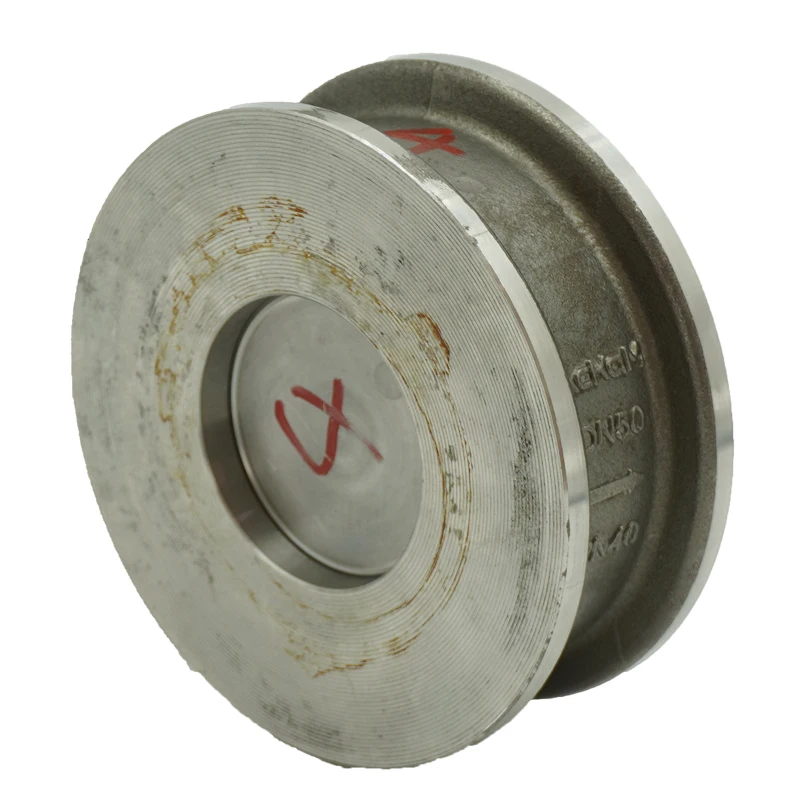
steam trap for domestic hot water
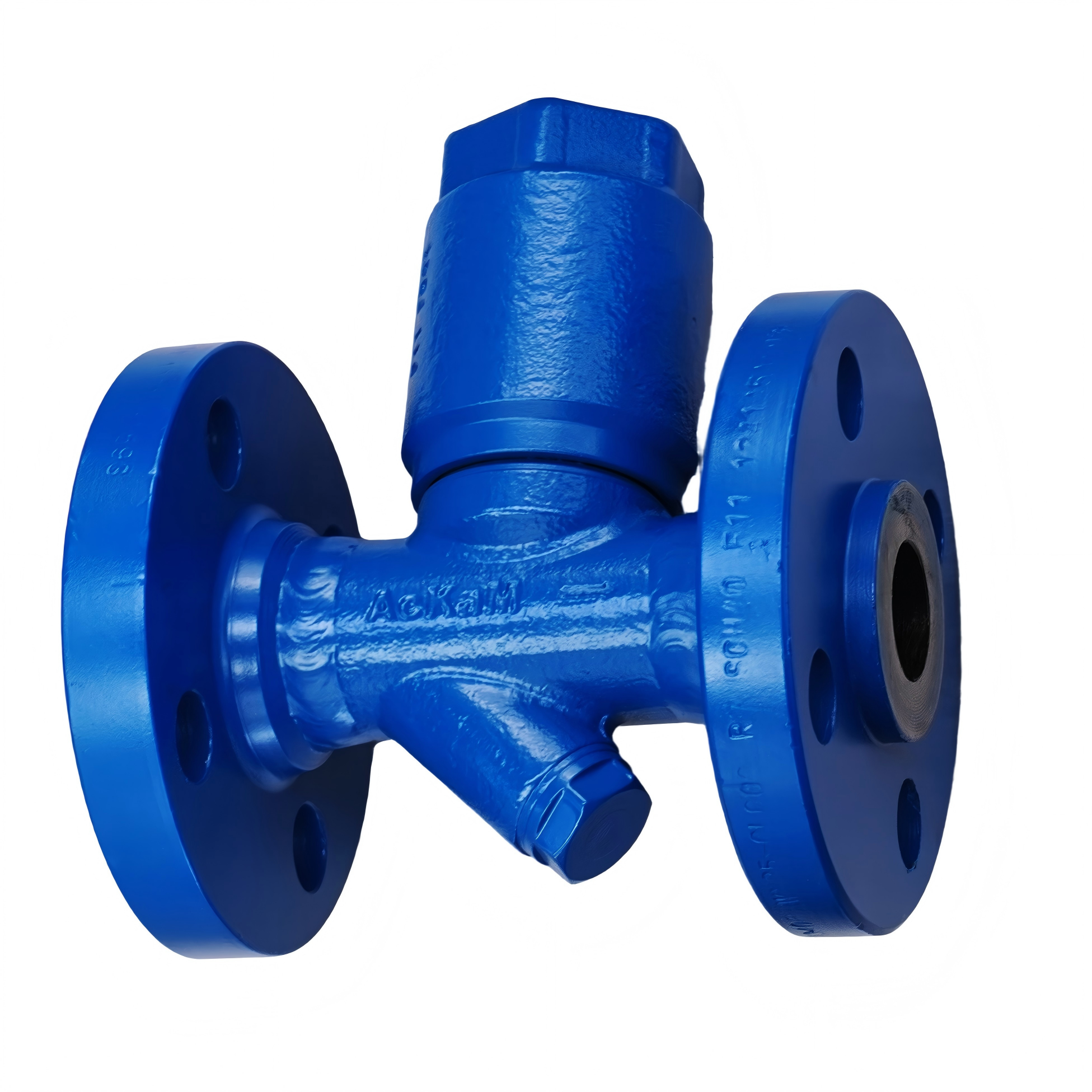
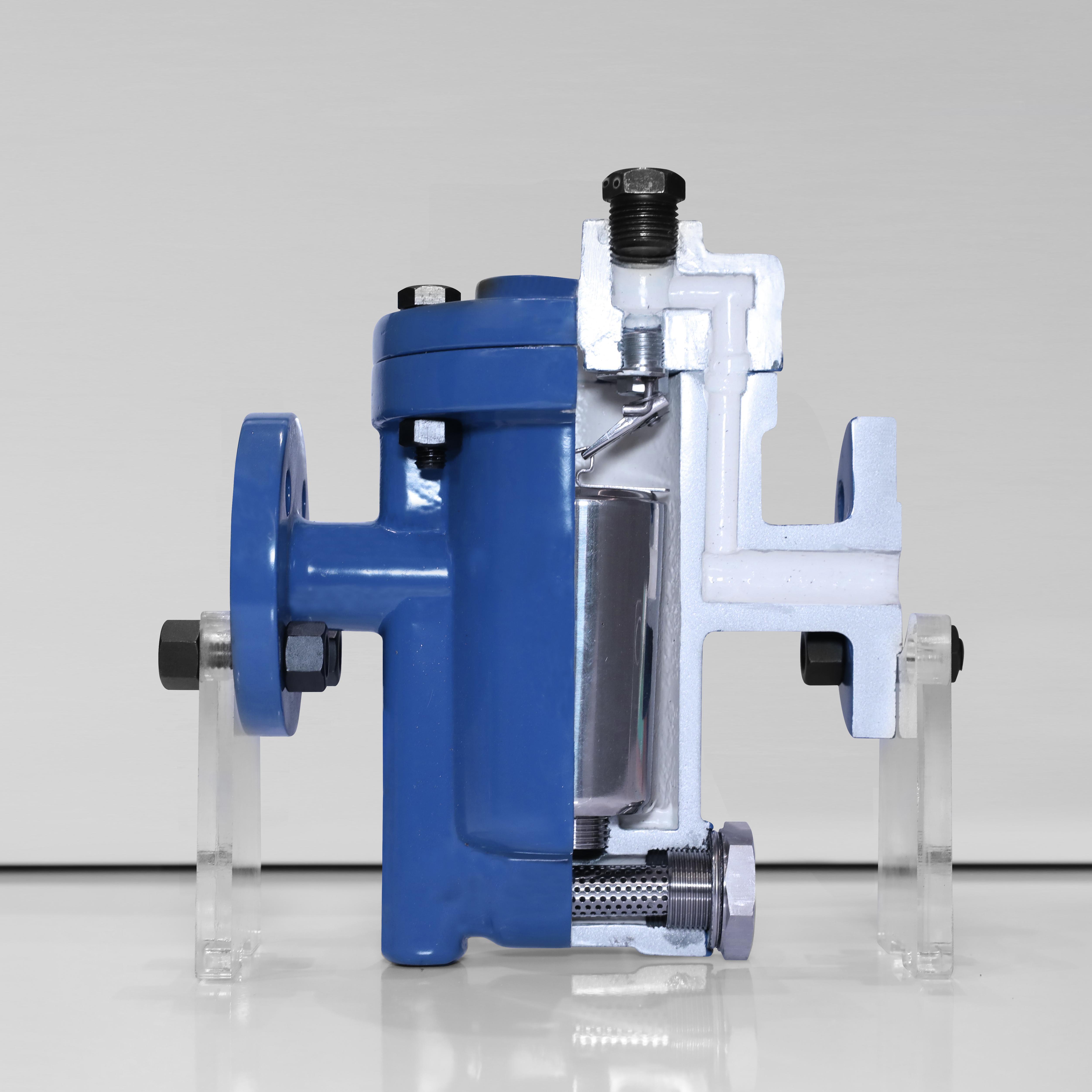
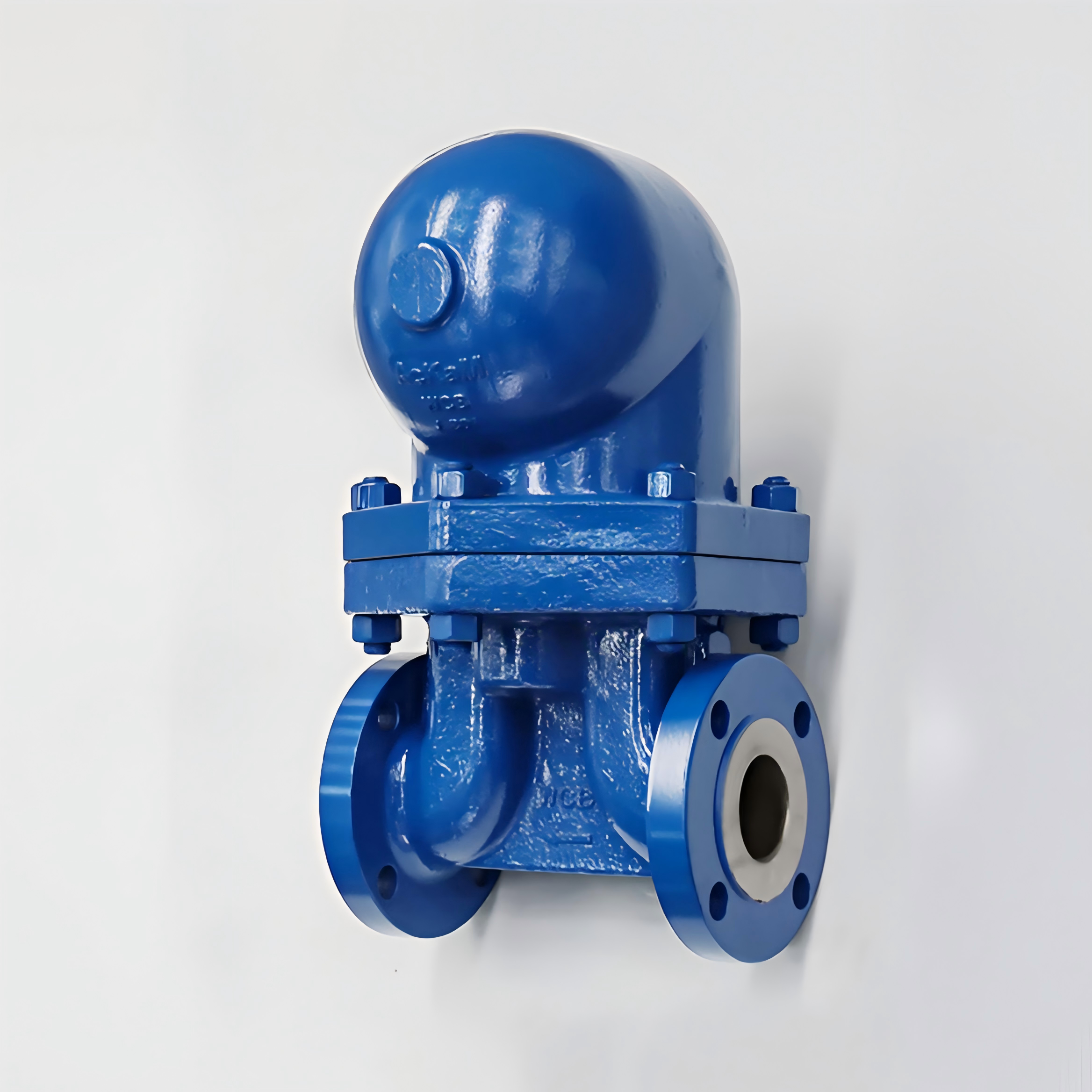
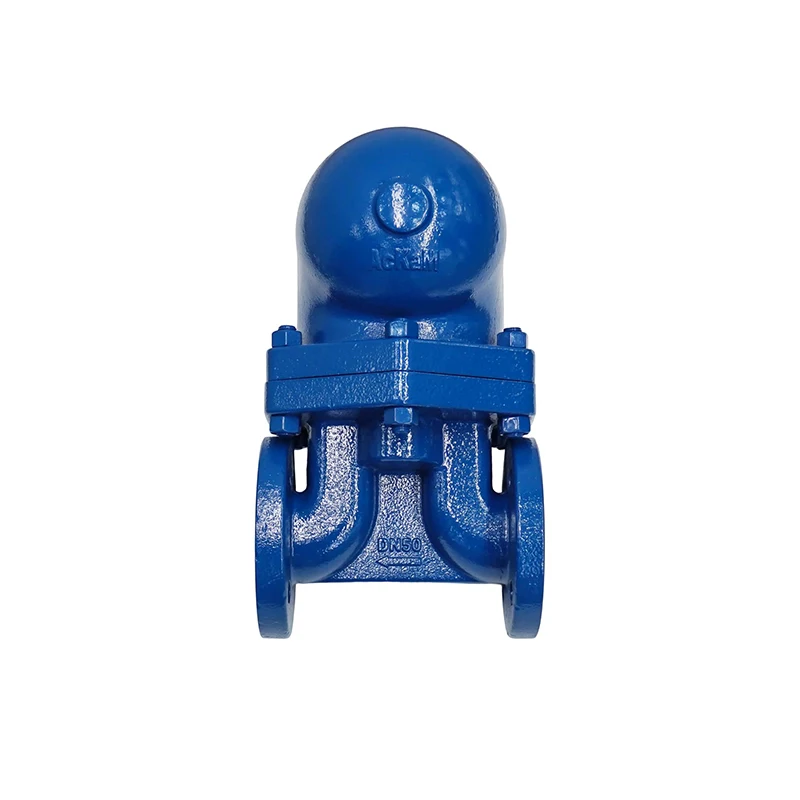
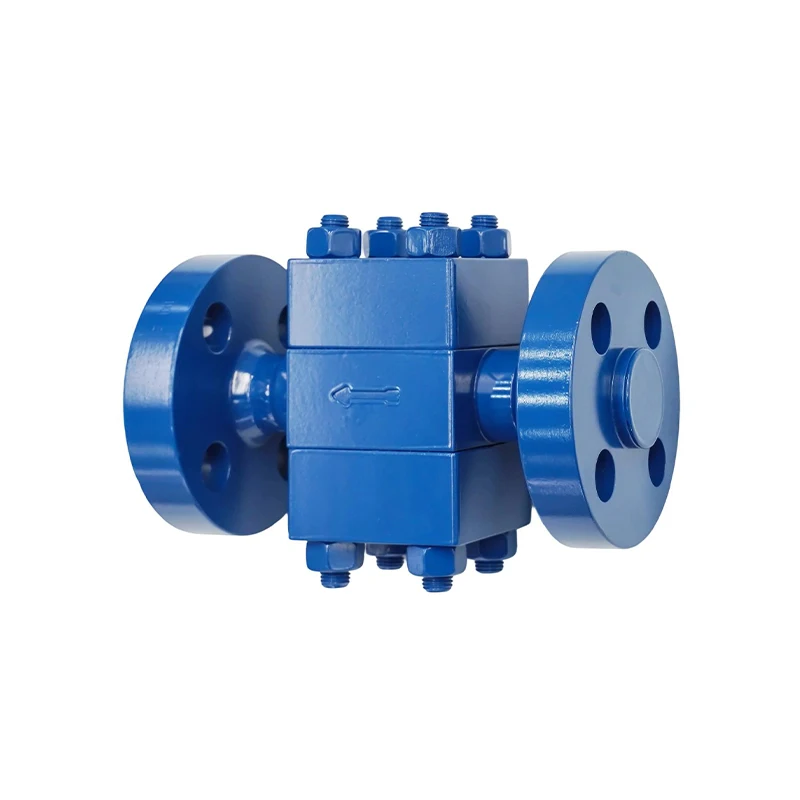
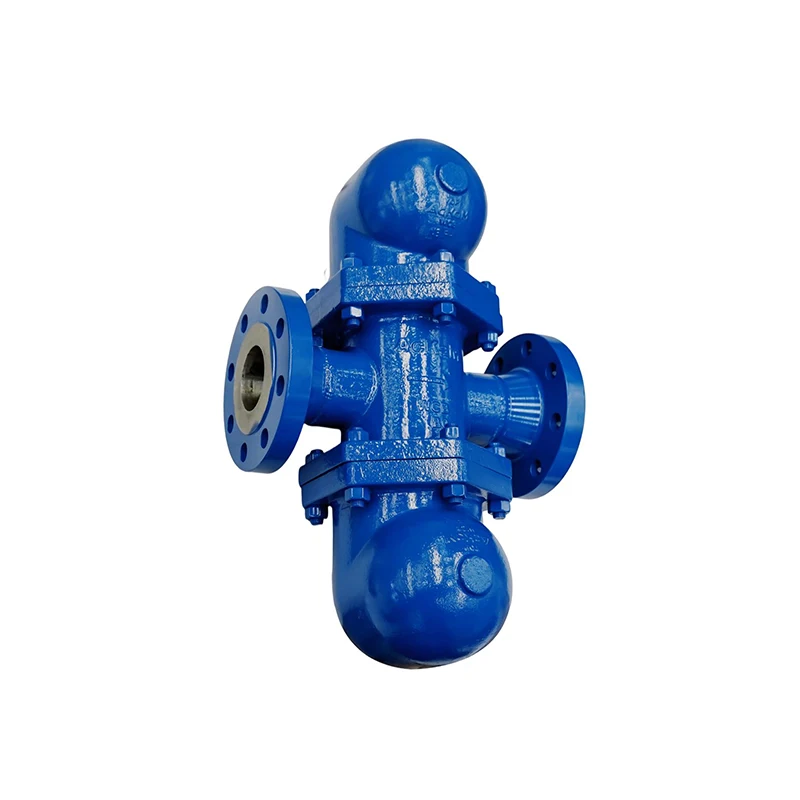
A steam trap for domestic hot water serves as a crucial component in residential heating systems, designed to automatically remove condensate while preventing steam loss from the distribution network. This specialized device operates by distinguishing between steam and condensed water, ensuring optimal heat transfer efficiency throughout domestic hot water applications. The steam trap for domestic hot water functions through thermodynamic principles, utilizing temperature and pressure differentials to control the discharge of condensate while maintaining steam integrity within the system. Modern steam trap designs incorporate advanced materials and precision engineering to deliver reliable performance in residential environments. These devices feature compact constructions suitable for integration into existing plumbing systems without requiring extensive modifications. The technological framework of a steam trap for domestic hot water includes float mechanisms, thermostatic elements, or inverted bucket designs, each offering specific operational characteristics tailored to different installation requirements. Float-type steam traps utilize buoyancy principles to automatically open and close discharge valves based on condensate levels, while thermostatic versions respond to temperature variations between steam and condensate. The inverted bucket design employs steam buoyancy to control valve positioning, providing consistent operation across varying pressure conditions. Installation versatility represents another key aspect of steam trap technology, with options for horizontal or vertical mounting configurations to accommodate diverse piping layouts. These devices incorporate corrosion-resistant materials such as stainless steel or bronze to withstand the demanding conditions present in domestic hot water systems. Regular maintenance requirements remain minimal due to robust construction and self-regulating operational characteristics. Applications for steam trap systems extend beyond basic hot water heating to include radiator systems, baseboard heating, and commercial kitchen equipment where steam-based heating provides efficient thermal management solutions.