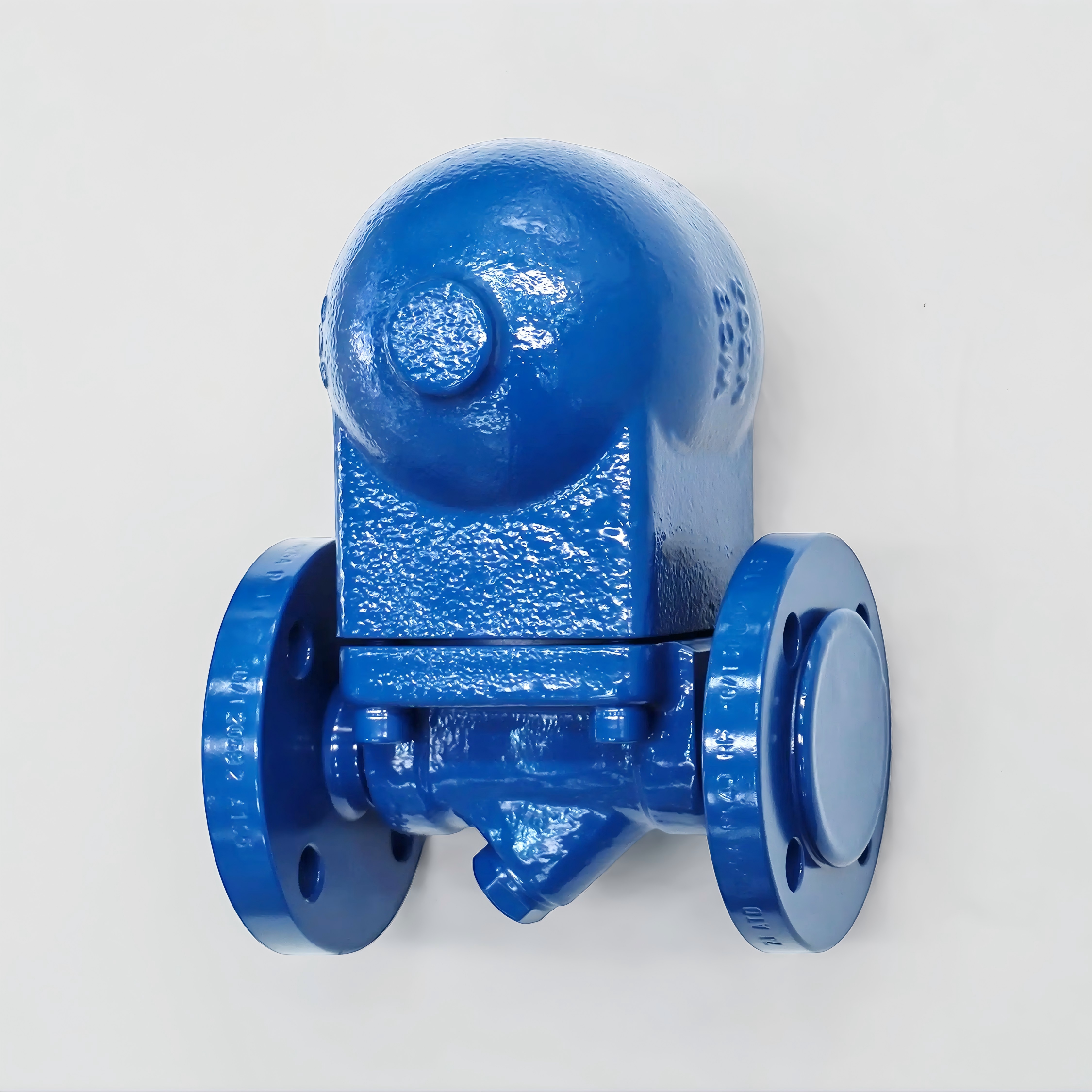
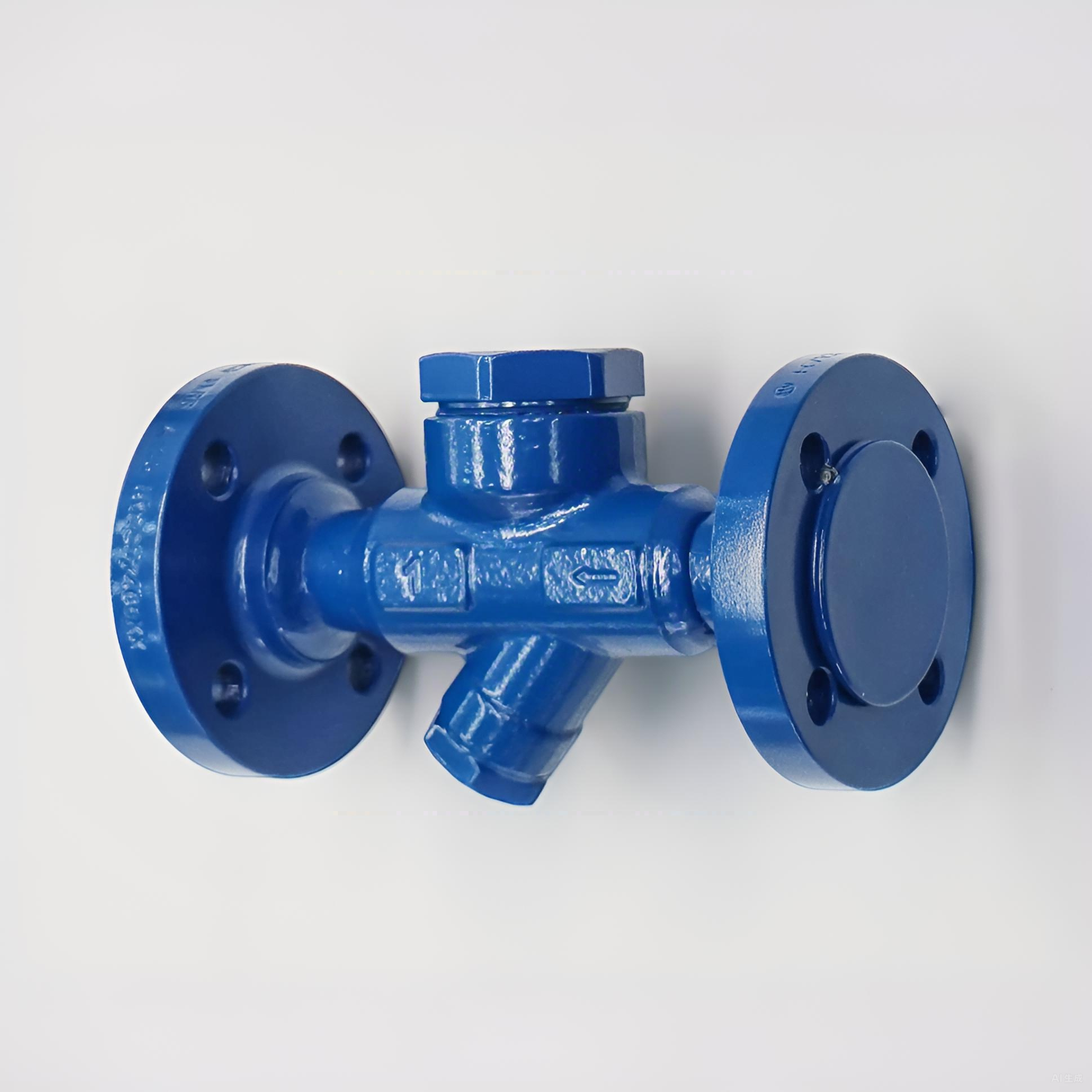
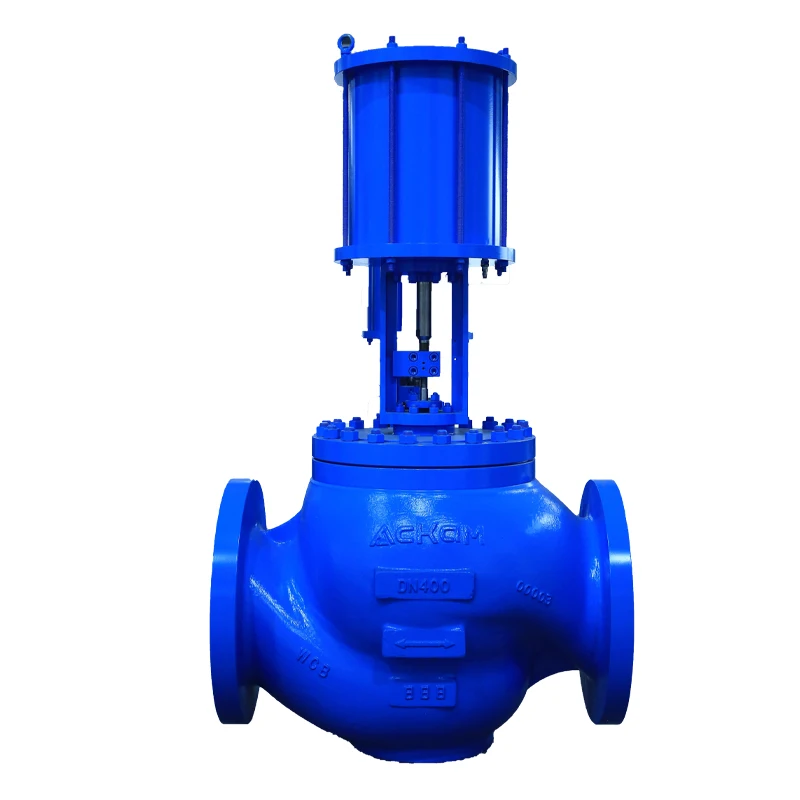
steam trap for thermal insulation
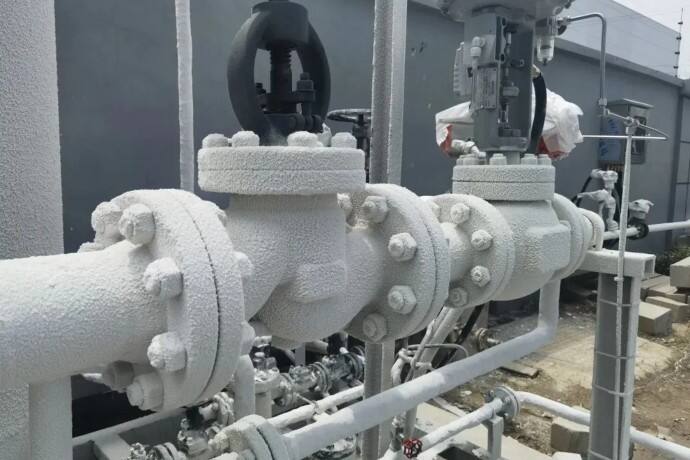
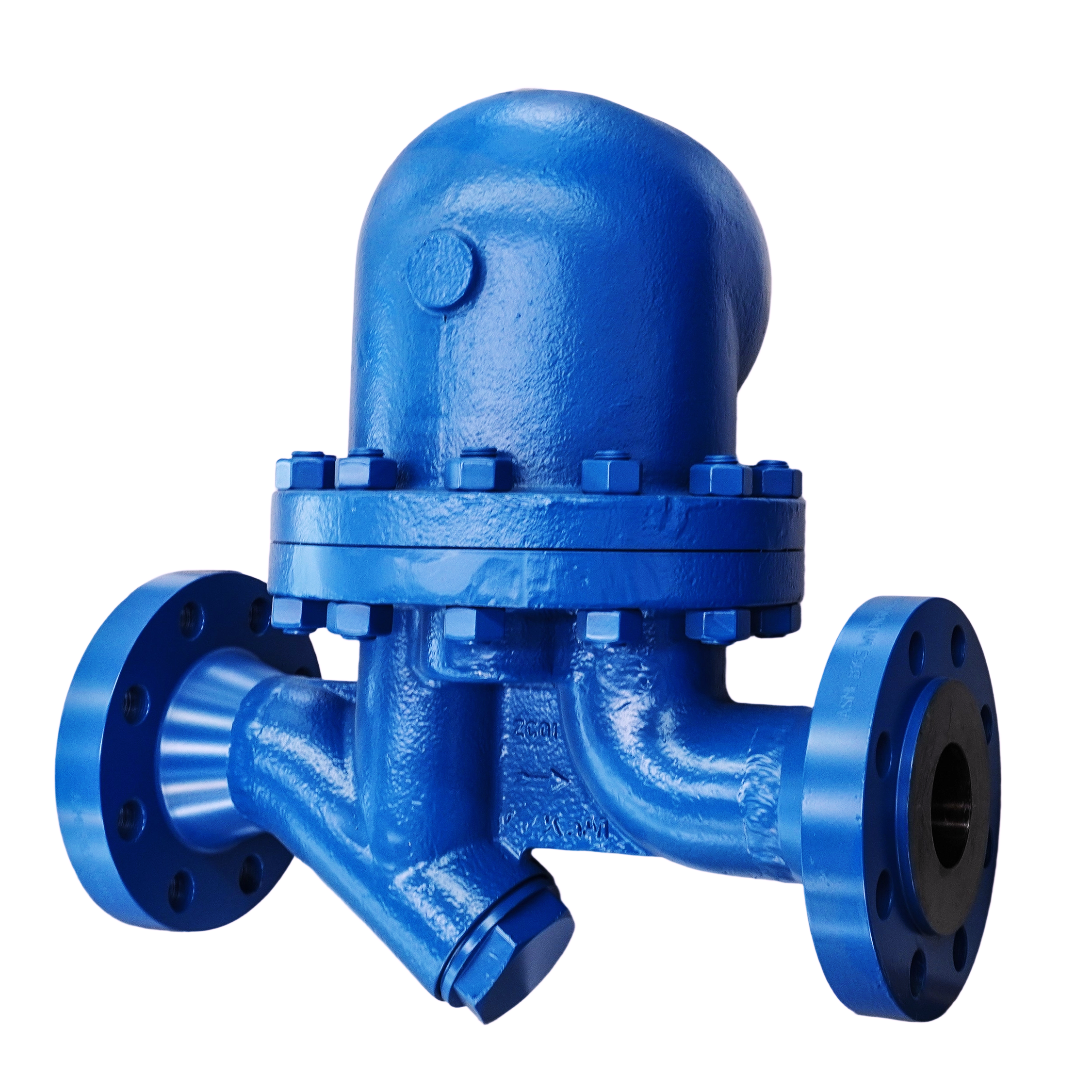
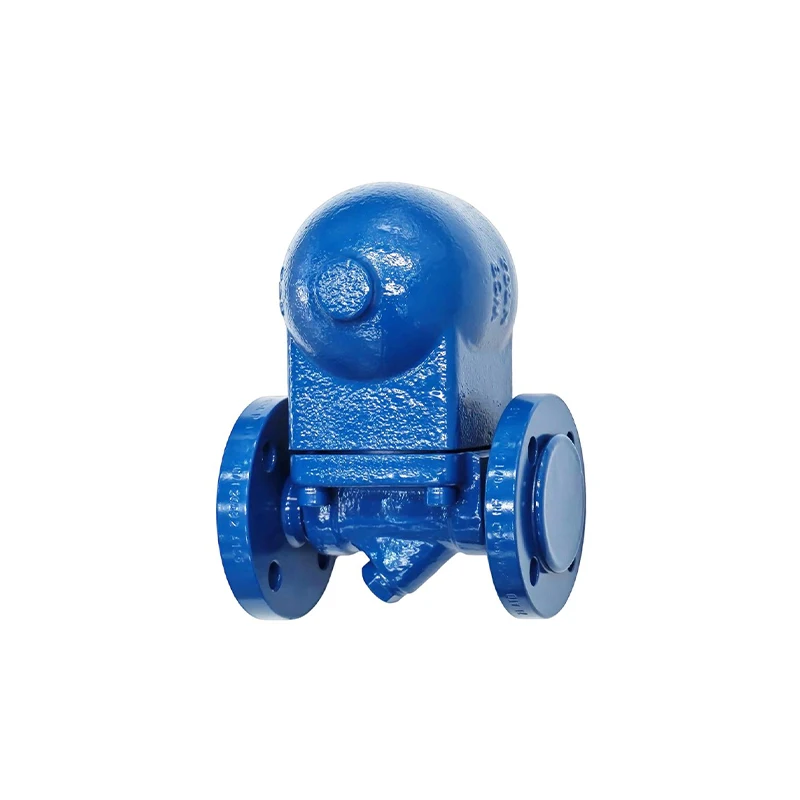
A steam trap for thermal insulation represents a critical component in industrial steam systems, designed to automatically discharge condensate while preventing valuable steam from escaping. This specialized device combines the fundamental principles of steam trapping with advanced thermal insulation technology to maximize energy efficiency and system performance. The primary function of a steam trap for thermal insulation involves maintaining optimal temperature control within steam distribution networks while minimizing heat loss through superior insulation properties. These devices operate by detecting the presence of condensate through temperature differential mechanisms, allowing only liquid condensate to pass through while effectively sealing against steam leakage. The thermal insulation aspect ensures that heat transfer is controlled precisely where needed, preventing unnecessary energy dissipation to surrounding environments. Modern steam trap for thermal insulation units incorporate sophisticated materials such as high-grade stainless steel bodies with specialized thermal barriers that resist corrosion and maintain structural integrity under extreme temperature variations. The technological features include self-regulating mechanisms that automatically adjust to varying steam pressures and flow rates, ensuring consistent performance across diverse operating conditions. Applications span across numerous industries including chemical processing, pharmaceutical manufacturing, food production, textile operations, and power generation facilities. In chemical plants, these devices maintain precise temperature control for reaction processes while conserving energy through effective insulation. Manufacturing facilities utilize steam trap for thermal insulation systems to optimize heating processes, reduce operational costs, and maintain product quality standards. The integration of thermal insulation technology with traditional steam trapping creates a dual-purpose solution that addresses both condensate management and heat conservation requirements. Installation typically occurs at strategic points throughout steam distribution systems, including process equipment outlets, distribution lines, and heating apparatus connections, where effective condensate removal and thermal management are essential for optimal system performance.