High-Performance Steam Traps for Petrochemical Applications - Energy Efficient Solutions

All Categories

Get a Free Quote

Our representative will contact you soon.
Email
Name
Company Name
Message
0/1000

steam trap in petrochemical

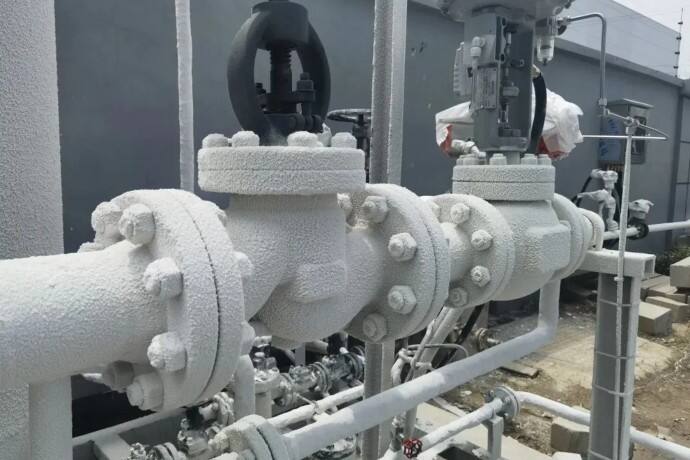
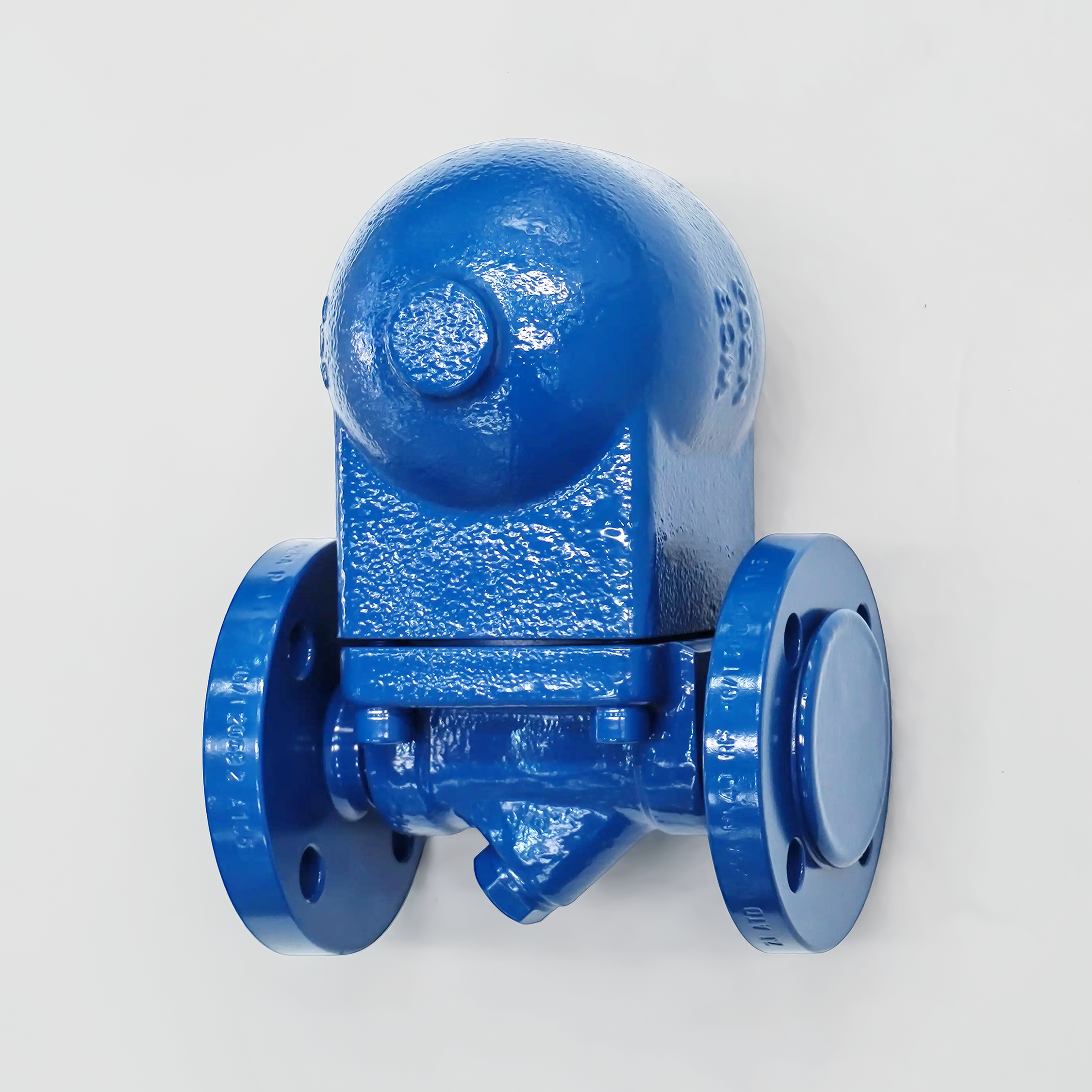
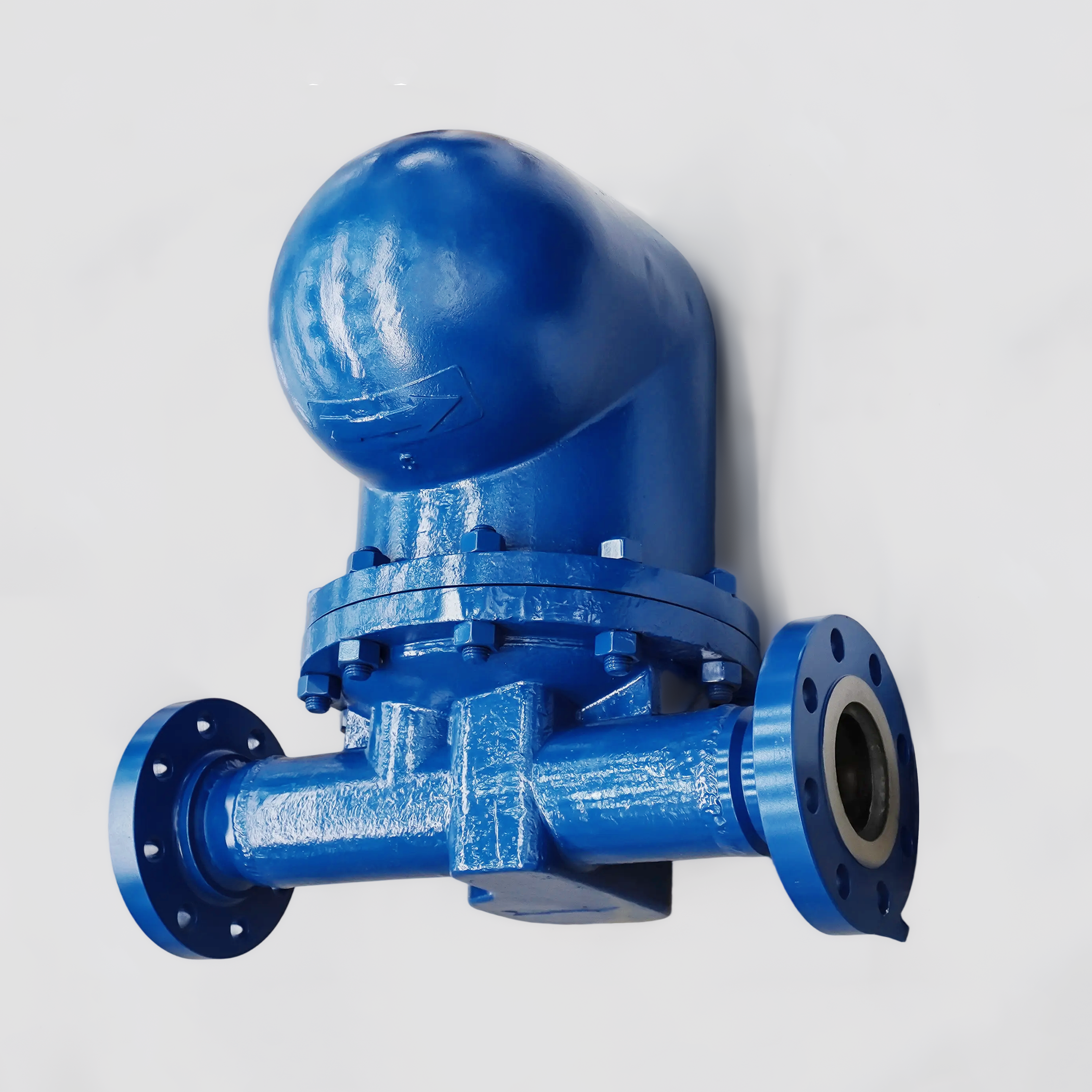
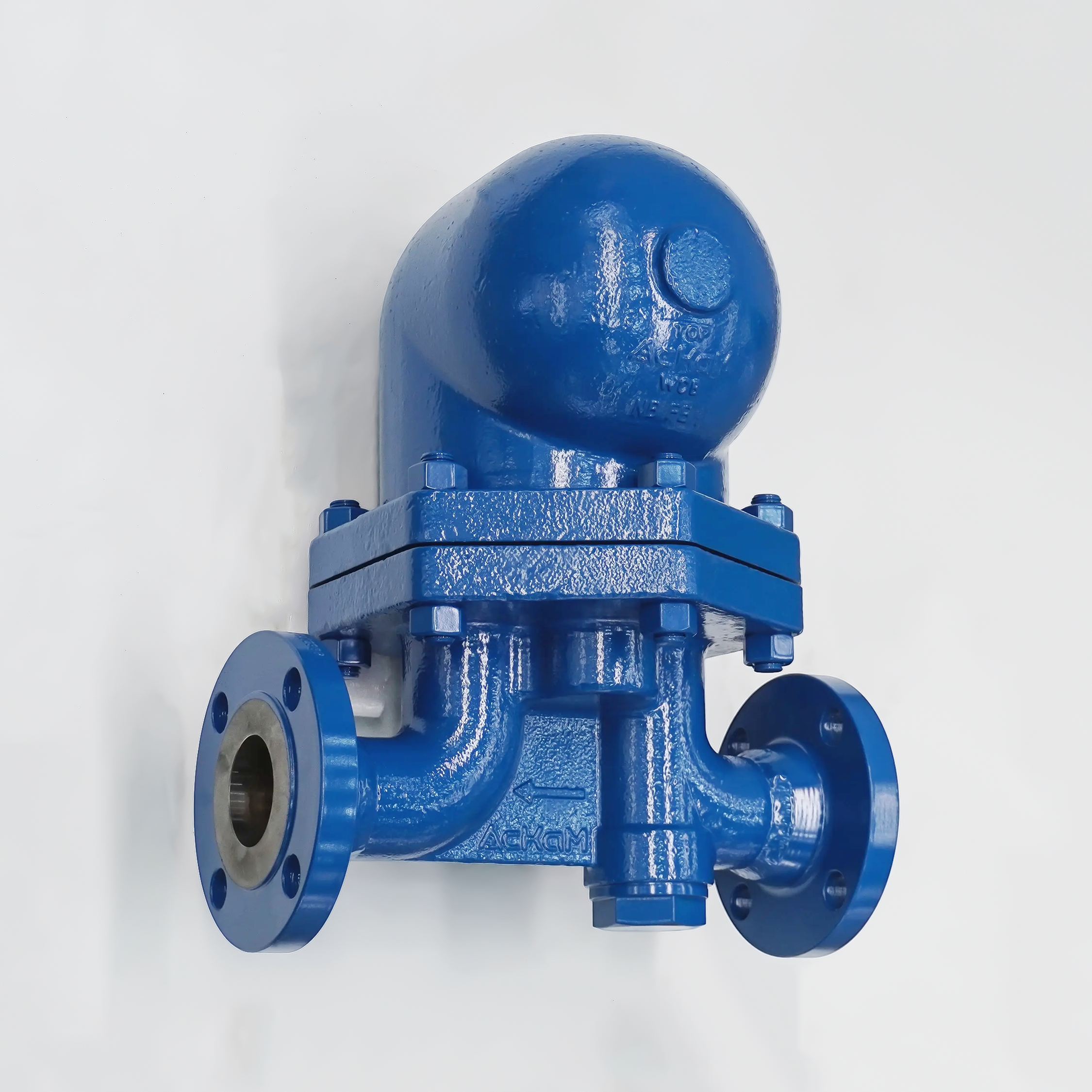
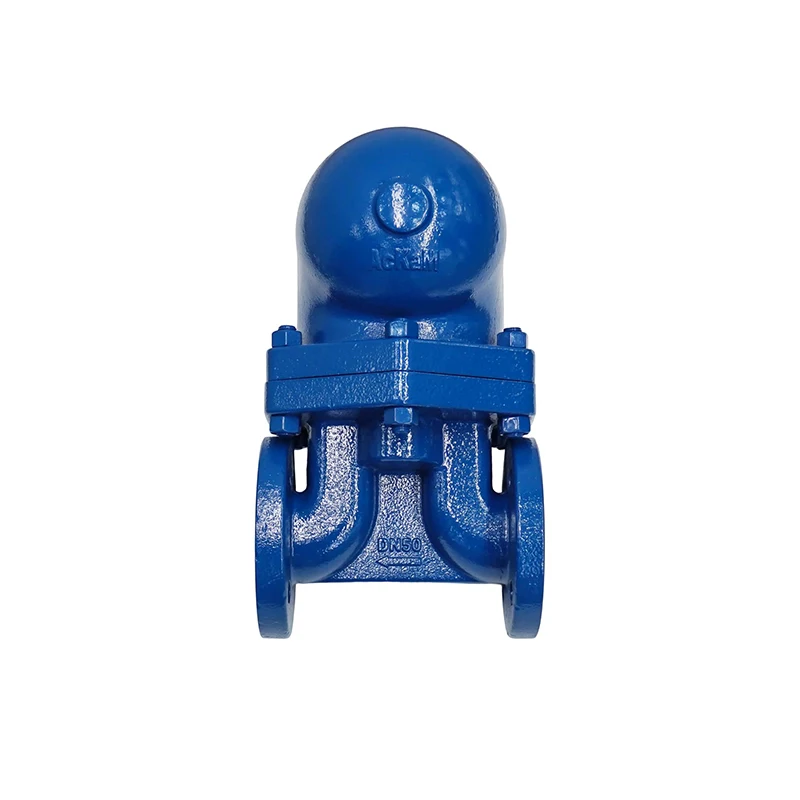
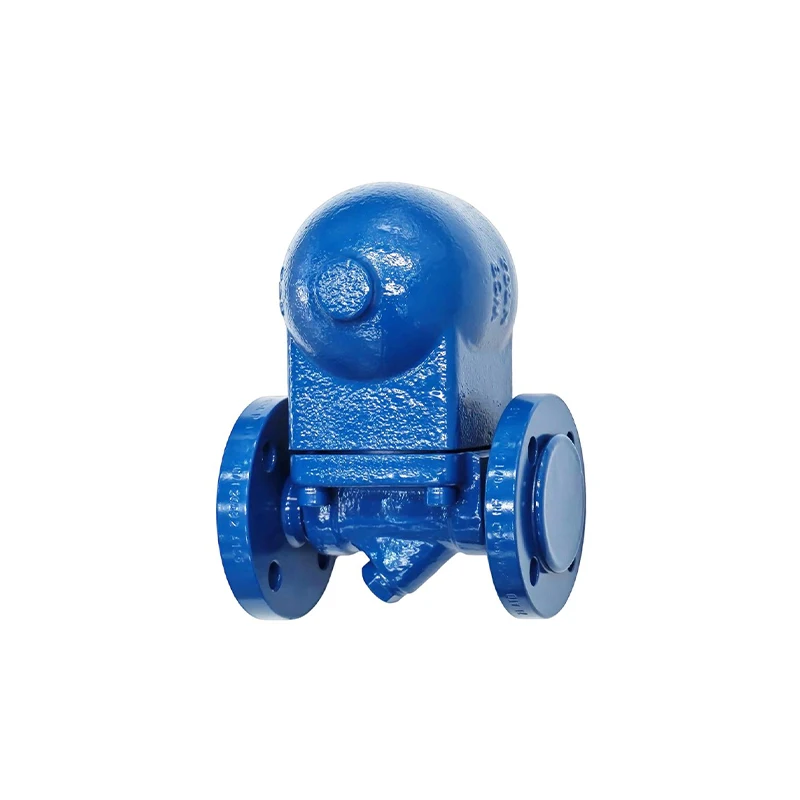
Steam traps in petrochemical facilities serve as critical mechanical devices that automatically discharge condensate, air, and non-condensable gases from steam systems while preventing the escape of live steam. These specialized components play an essential role in maintaining optimal thermal efficiency across complex petrochemical processing operations. The primary function of a steam trap in petrochemical applications involves separating condensate from steam within heating systems, ensuring continuous heat transfer while protecting equipment from water hammer damage and corrosion. Modern steam traps in petrochemical plants utilize advanced thermodynamic principles, incorporating float mechanisms, thermostatic elements, or inverted bucket designs to achieve precise condensate removal. The technological features of these devices include corrosion-resistant materials such as stainless steel construction, high-pressure ratings suitable for industrial conditions, and temperature resistance capabilities extending up to 800 degrees Fahrenheit. Steam traps in petrochemical operations must withstand aggressive chemical environments while maintaining consistent performance under varying load conditions. These devices feature self-regulating capabilities that automatically adjust to fluctuating steam demands without manual intervention. Applications span across distillation columns, heat exchangers, pipeline heating systems, storage tank heating, process vessels, and steam tracing circuits throughout petrochemical complexes. The integration of steam traps in petrochemical infrastructure ensures energy conservation by preventing steam losses that could otherwise result in significant operational costs. Advanced models incorporate built-in strainers, check valves, and monitoring capabilities that enable predictive maintenance scheduling. The selection criteria for steam traps in petrochemical environments consider factors such as pressure differentials, condensate loads, installation orientation, and chemical compatibility requirements, making proper specification crucial for optimal system performance and longevity.
New Product Recommendations

Steam traps in petrochemical applications deliver substantial energy savings by preventing valuable steam from escaping through condensate discharge points, resulting in reduced fuel consumption and lower operational expenses. These devices enhance process efficiency by maintaining consistent temperatures throughout heating systems, ensuring optimal reaction conditions and product quality in petrochemical manufacturing processes. The automatic operation of steam traps in petrochemical facilities eliminates the need for manual valve adjustments, reducing labor costs while providing continuous condensate removal without human intervention. Improved equipment protection represents another significant advantage, as steam traps prevent water hammer effects that can damage piping systems, valves, and heat transfer equipment in petrochemical installations. The corrosion resistance of properly selected steam traps in petrochemical environments extends equipment lifespan by minimizing exposure to aggressive chemicals and high-temperature conditions that characterize these industrial settings. Enhanced heat transfer efficiency occurs when steam traps maintain dry steam conditions within heat exchangers and process vessels, maximizing thermal energy utilization and reducing processing times. Environmental benefits emerge from reduced emissions associated with improved fuel efficiency, supporting sustainability goals while meeting regulatory requirements in petrochemical operations. The reliability of modern steam traps in petrochemical applications minimizes unexpected downtime through consistent performance under demanding operating conditions, protecting production schedules and revenue streams. Cost-effective maintenance programs become possible through the self-diagnostic capabilities of advanced steam trap designs, enabling condition-based servicing rather than time-based maintenance schedules. Safety improvements result from automatic pressure relief and controlled condensate removal, reducing risks associated with steam system failures in potentially hazardous petrochemical environments. The versatility of steam traps allows adaptation to diverse applications within petrochemical complexes, from low-pressure heating circuits to high-pressure process applications. Quality assurance benefits include stable temperature control that supports consistent product specifications and reduces batch variations in sensitive petrochemical processes. The economic impact extends beyond direct energy savings to include reduced insurance premiums, lower regulatory compliance costs, and improved overall plant efficiency ratings that enhance competitiveness in global petrochemical markets.

Tips And Tricks

Soaring to New Heights: AcKaM Industrial Surges in Billion-Dollar Market with 200% H1 Sales Growth

04

Nov

Soaring to New Heights: AcKaM Industrial Surges in Billion-Dollar Market with 200% H1 Sales Growth

View More
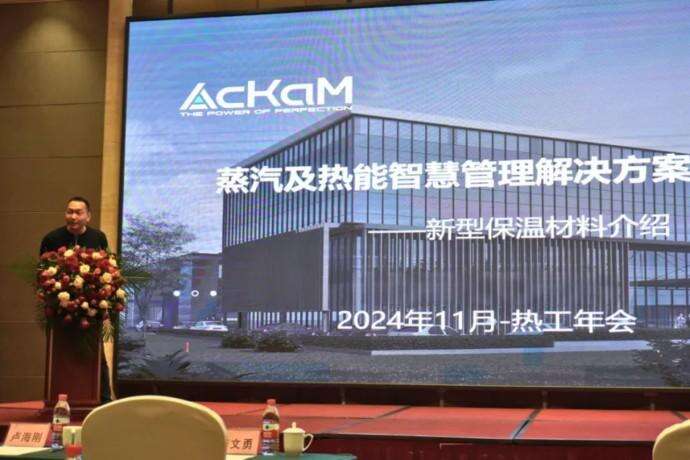
Innovation in Thermal Insulation Technology! AcKaM Delivers Keynote Speech at 2024 National Thermal Engineering Conference

05

Nov

Innovation in Thermal Insulation Technology! AcKaM Delivers Keynote Speech at 2024 National Thermal Engineering Conference

View More
AcKaM: Riding the Trillion-Yuan Wave to Pioneer Innovation

04

Nov

AcKaM: Riding the Trillion-Yuan Wave to Pioneer Innovation

View More

Get a Free Quote

Our representative will contact you soon.
Email
Name
Company Name
Message
0/1000

steam trap in petrochemical

Advanced Corrosion Resistance Technology

Advanced Corrosion Resistance Technology

Steam traps in petrochemical environments face unprecedented challenges from aggressive chemical exposures, extreme temperatures, and corrosive atmospheres that would quickly destroy standard industrial equipment. The advanced corrosion resistance technology incorporated into specialized steam traps for petrochemical applications represents a breakthrough in materials engineering and surface treatment methodologies. These devices utilize premium-grade stainless steel alloys, specifically formulated to withstand exposure to sulfuric compounds, hydrocarbon derivatives, and other corrosive chemicals commonly encountered in petrochemical processing facilities. The metallurgical composition includes chromium-nickel alloys with enhanced molybdenum content, providing superior pitting resistance and stress corrosion cracking protection under high-temperature conditions. Specialized coating technologies, including ceramic thermal barriers and chemical-resistant polymeric layers, create additional protection barriers that extend operational lifespan significantly beyond conventional alternatives. The internal components of steam traps in petrochemical applications feature hardened surfaces through advanced heat treatment processes, ensuring dimensional stability and functional reliability even when exposed to thermal cycling and chemical attack. Quality control protocols for these corrosion-resistant steam traps include accelerated testing procedures that simulate decades of petrochemical exposure within controlled laboratory environments, validating performance expectations before field deployment. The economic benefits of this advanced corrosion resistance translate directly into reduced replacement frequencies, lower maintenance costs, and extended service intervals that minimize production disruptions. Field performance data demonstrates that properly specified corrosion-resistant steam traps in petrochemical installations achieve service lives exceeding fifteen years under normal operating conditions, compared to three-year typical lifespans for standard industrial steam traps in similar environments. This longevity advantage provides substantial return on investment through reduced lifecycle costs and improved operational reliability, making advanced corrosion resistance a critical specification requirement for petrochemical steam trap applications.
Intelligent Monitoring and Diagnostic Capabilities

Intelligent Monitoring and Diagnostic Capabilities

Modern steam traps in petrochemical facilities incorporate sophisticated monitoring and diagnostic technologies that revolutionize maintenance practices and operational efficiency through real-time performance assessment capabilities. These intelligent systems utilize integrated sensors, wireless communication protocols, and advanced analytics software to continuously monitor steam trap functionality, providing unprecedented visibility into condensate removal performance and potential failure modes. The diagnostic capabilities of smart steam traps in petrochemical applications include temperature monitoring, pressure differential measurement, acoustic signature analysis, and condensate flow rate assessment, enabling comprehensive condition evaluation without manual inspection requirements. Wireless connectivity allows remote monitoring from central control rooms, providing maintenance teams with instant notification of performance deviations or impending failures that could impact production operations. The predictive analytics algorithms incorporated into these systems analyze historical performance data to identify trends and patterns that indicate developing problems before they result in steam trap failures or system inefficiencies. This proactive approach to maintenance scheduling reduces emergency repair requirements while optimizing spare parts inventory management and workforce allocation in petrochemical facilities. The economic benefits of intelligent monitoring extend beyond maintenance cost reductions to include energy savings through early detection of steam leakage, improved process control through consistent condensate removal, and enhanced safety through automated alarm systems that alert operators to potentially dangerous conditions. Integration with existing plant automation systems enables coordinated responses to steam trap performance issues, including automatic isolation procedures and backup system activation that maintain production continuity during maintenance activities. The data collection capabilities of smart steam traps support regulatory compliance reporting requirements while providing detailed documentation for insurance claims and equipment warranty validation purposes. Advanced diagnostic features include self-calibration routines that maintain measurement accuracy over extended service periods, reducing the need for manual calibration procedures and associated downtime. The comprehensive monitoring capabilities enable optimization of steam system operations through detailed analysis of condensate removal patterns, steam consumption trends, and thermal efficiency metrics that support continuous improvement initiatives in petrochemical facilities.
Energy Optimization and Efficiency Enhancement

Energy Optimization and Efficiency Enhancement

Steam traps in petrochemical operations serve as critical components for energy optimization, delivering substantial efficiency enhancements that directly impact operational profitability and environmental sustainability through precise condensate management and steam conservation technologies. The energy optimization capabilities of modern steam traps in petrochemical facilities extend far beyond simple condensate removal to encompass comprehensive thermal management strategies that maximize heat recovery and minimize energy waste throughout complex processing systems. These devices incorporate variable orifice designs that automatically adjust condensate discharge rates based on real-time thermal loads, ensuring optimal steam utilization while preventing energy losses associated with premature steam release or inadequate condensate removal. The efficiency enhancement mechanisms include integrated heat recovery systems that capture thermal energy from discharged condensate, returning this valuable energy to the steam generation system through closed-loop circulation designs. Advanced thermodynamic modeling capabilities enable steam traps in petrochemical applications to optimize performance across varying operating conditions, automatically compensating for load fluctuations, seasonal temperature variations, and process modifications without manual adjustment requirements. The economic impact of energy optimization through properly functioning steam traps includes reduced fuel consumption, lower greenhouse gas emissions, and improved overall plant efficiency ratings that enhance competitiveness in increasingly regulated petrochemical markets. Computational fluid dynamics analysis incorporated into steam trap design ensures minimal pressure drop across the device while maintaining effective condensate removal, preserving valuable pressure energy that would otherwise be lost through inefficient discharge mechanisms. The integration of steam traps with broader energy management systems enables coordinated optimization strategies that consider steam generation, distribution, utilization, and condensate recovery as interconnected elements of comprehensive energy efficiency programs. Performance monitoring capabilities provide detailed energy consumption data that supports continuous improvement initiatives, regulatory compliance reporting, and carbon footprint reduction programs increasingly important to petrochemical industry stakeholders. The reliability of energy optimization features ensures consistent performance over extended service periods, protecting the substantial investments required for energy efficiency improvements in petrochemical facilities while delivering measurable returns through reduced operating costs and enhanced environmental performance metrics.

Get a Free Quote

Our representative will contact you soon.
Email
Name
Company Name
Message
0/1000