Complete Guide to Different Types of Steam Traps: Mechanical, Thermostatic & Thermodynamic Solutions

All Categories

Get a Free Quote

Our representative will contact you soon.
Email
Name
Company Name
Message
0/1000

different types of steam traps

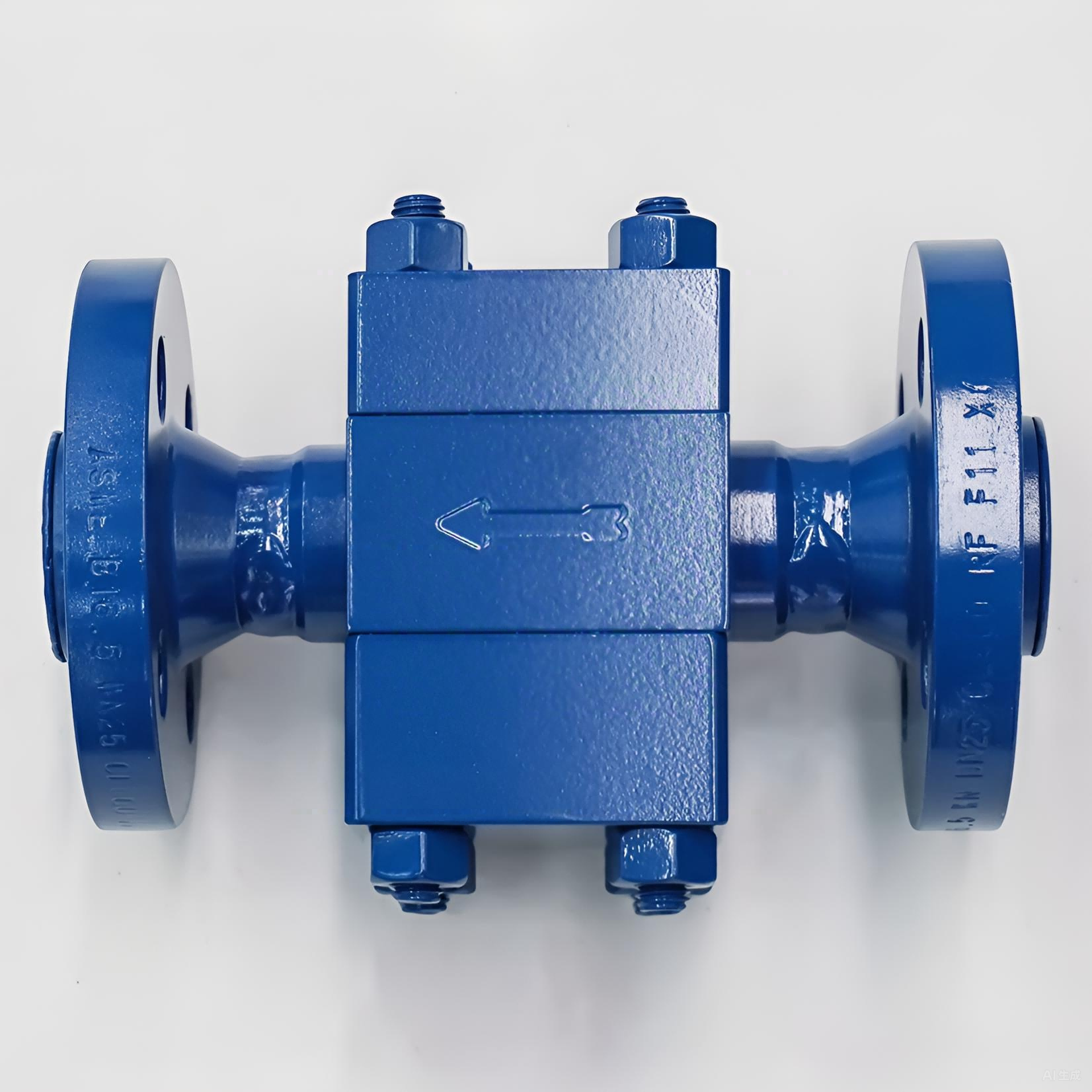
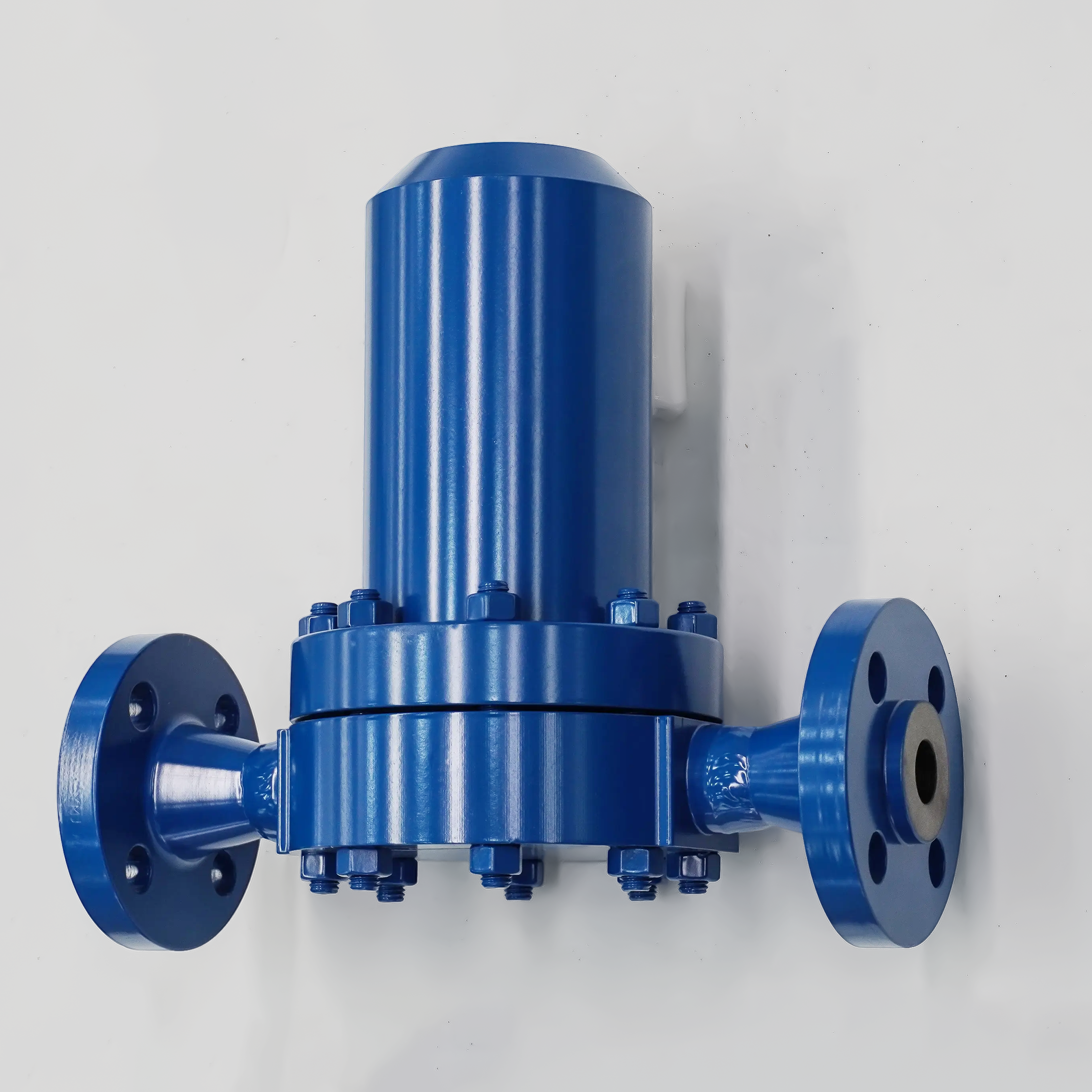
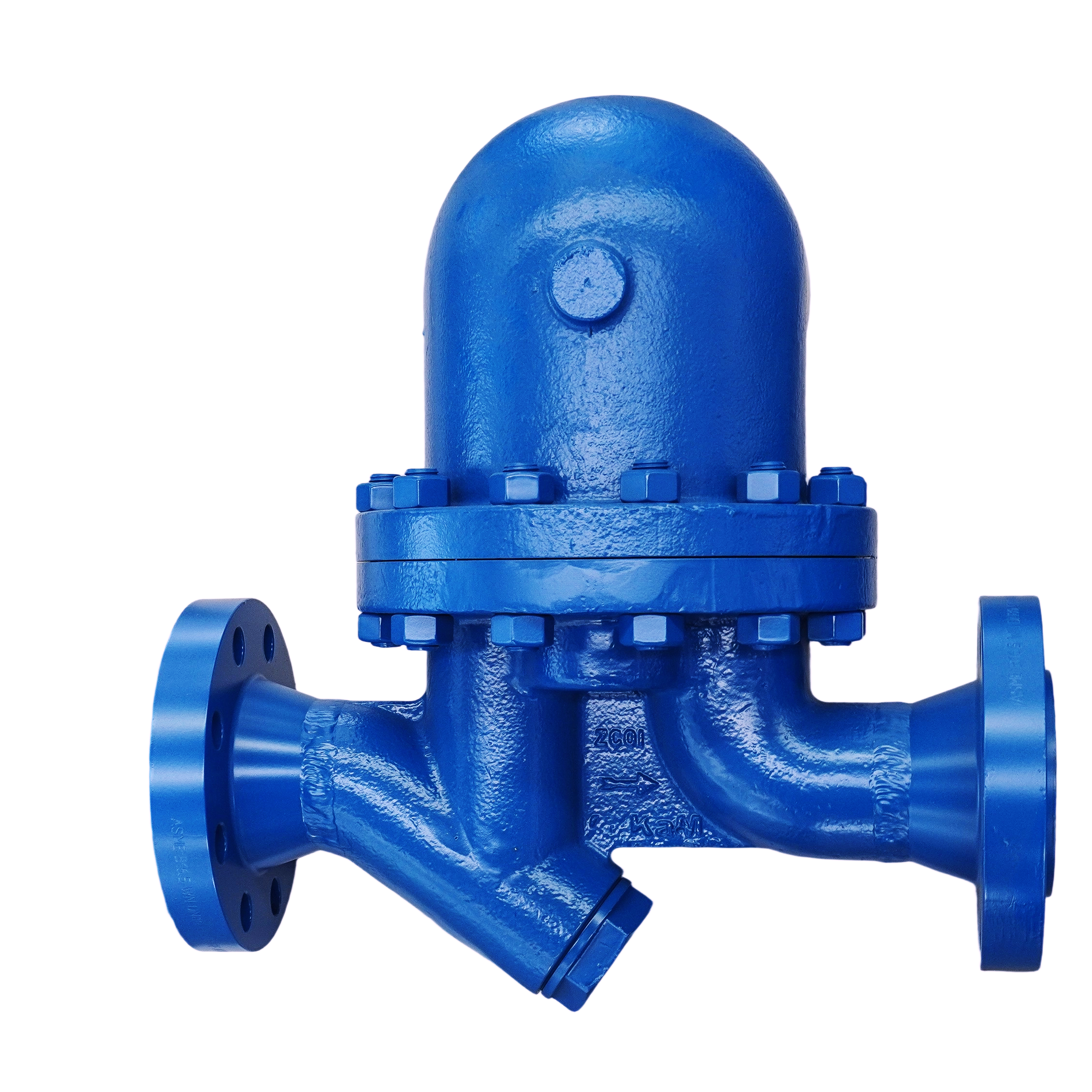
Steam traps are essential components in industrial steam systems, designed to automatically discharge condensate, air, and other non-condensable gases while preventing the escape of live steam. Understanding the different types of steam traps is crucial for optimizing energy efficiency and maintaining proper system operation. There are three primary categories of steam traps, each utilizing distinct operating principles to achieve effective condensate removal. Mechanical steam traps operate based on density differences between steam and condensate, using float mechanisms or inverted bucket designs to control discharge. These traps respond directly to liquid levels, making them highly reliable for continuous condensate removal. Thermostatic steam traps function by detecting temperature variations between steam and condensate, employing bimetallic elements, bellows, or liquid expansion devices to regulate operation. These traps excel in applications where temperature sensitivity is paramount. Thermodynamic steam traps utilize the dynamic properties of flowing steam and condensate, operating through disc or impulse mechanisms that respond to pressure and velocity changes. Each type of steam trap offers specific technological features that make them suitable for particular applications. Mechanical traps provide excellent capacity for heavy condensate loads and maintain consistent performance across varying pressures. Thermostatic traps offer superior air venting capabilities and precise temperature control, making them ideal for heating applications. Thermodynamic traps deliver compact design and robust construction, perfect for high-pressure environments and locations with limited space. The selection of appropriate steam trap types depends on factors including operating pressure, condensate load, installation requirements, and specific process needs. Modern steam trap technology incorporates advanced materials and manufacturing techniques to enhance durability, reduce maintenance requirements, and improve overall system efficiency. Proper understanding of these different types of steam traps enables engineers and facility managers to make informed decisions that optimize steam system performance while minimizing energy waste and operational costs.

Popular Products

The advantages of different types of steam traps extend far beyond basic condensate removal, delivering measurable benefits that directly impact operational efficiency and cost savings. Mechanical steam traps provide exceptional reliability through their simple, robust design that operates without external power sources. These traps handle large volumes of condensate efficiently, making them perfect for applications with heavy loads such as main steam lines and process equipment. Their ability to discharge condensate immediately upon formation prevents water hammer and corrosion, protecting valuable equipment investments. The continuous operation capability of mechanical traps ensures consistent heat transfer efficiency, reducing energy consumption and maintaining optimal process temperatures. Thermostatic steam traps excel in air removal capabilities, automatically venting non-condensable gases that can significantly reduce heat transfer efficiency. This air elimination feature prevents cold spots in heating systems and ensures uniform temperature distribution throughout the application. These traps respond quickly to temperature changes, providing precise control that maintains desired process conditions while preventing steam loss. Their compact size and versatile mounting options make installation flexible and cost-effective in various system configurations. Thermodynamic steam traps offer outstanding durability and minimal maintenance requirements due to their simple construction with fewer moving parts. These traps withstand high pressures and temperatures while maintaining consistent performance across wide operating ranges. Their quick opening and closing action prevents steam loss while ensuring rapid condensate discharge, optimizing energy efficiency. The lightweight design and standard connections simplify installation and replacement procedures, reducing labor costs and system downtime. All types of steam traps contribute to significant energy savings by preventing steam loss and maintaining efficient heat transfer. Proper trap selection and sizing eliminate condensate backup, reducing corrosion and extending equipment life. The automated operation of these devices minimizes manual intervention requirements, lowering maintenance costs and improving safety. Modern steam trap designs incorporate enhanced sealing materials and precision manufacturing to extend service intervals and reduce replacement frequency. These advantages translate directly into improved profitability through reduced energy bills, lower maintenance expenses, and increased equipment reliability. Facility managers who invest in appropriate steam trap technology experience measurable returns through improved system efficiency and reduced operational disruptions.

Practical Tips

Soaring to New Heights: AcKaM Industrial Surges in Billion-Dollar Market with 200% H1 Sales Growth

04

Nov

Soaring to New Heights: AcKaM Industrial Surges in Billion-Dollar Market with 200% H1 Sales Growth

View More
Innovation in Thermal Insulation Technology! AcKaM Delivers Keynote Speech at 2024 National Thermal Engineering Conference

05

Nov

Innovation in Thermal Insulation Technology! AcKaM Delivers Keynote Speech at 2024 National Thermal Engineering Conference

View More
AcKaM: Riding the Trillion-Yuan Wave to Pioneer Innovation

04

Nov

AcKaM: Riding the Trillion-Yuan Wave to Pioneer Innovation

View More

Get a Free Quote

Our representative will contact you soon.
Email
Name
Company Name
Message
0/1000

different types of steam traps

Unmatched Reliability and Continuous Operation of Mechanical Steam Traps

Unmatched Reliability and Continuous Operation of Mechanical Steam Traps

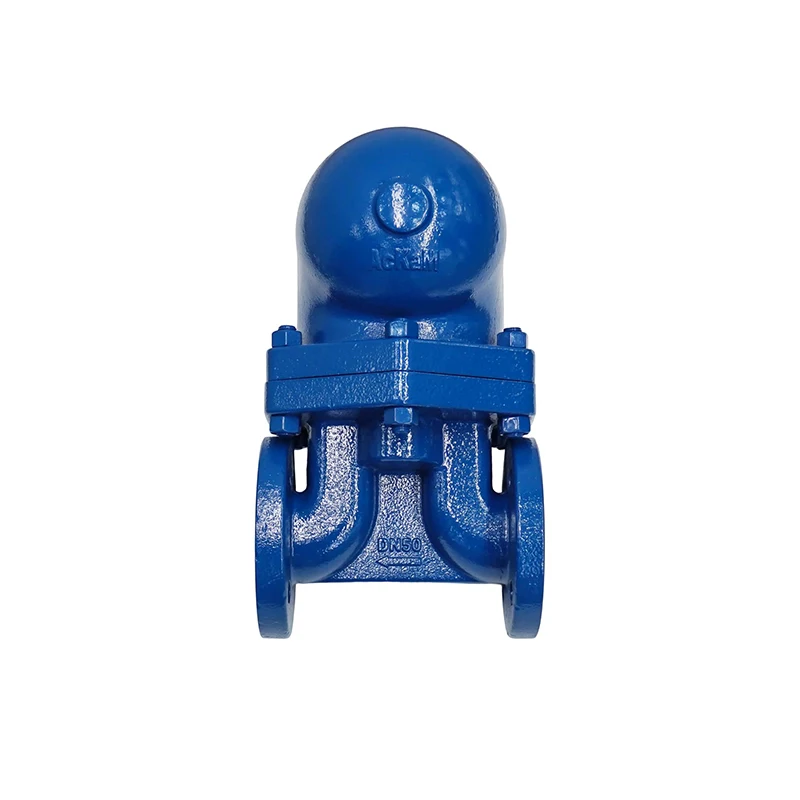
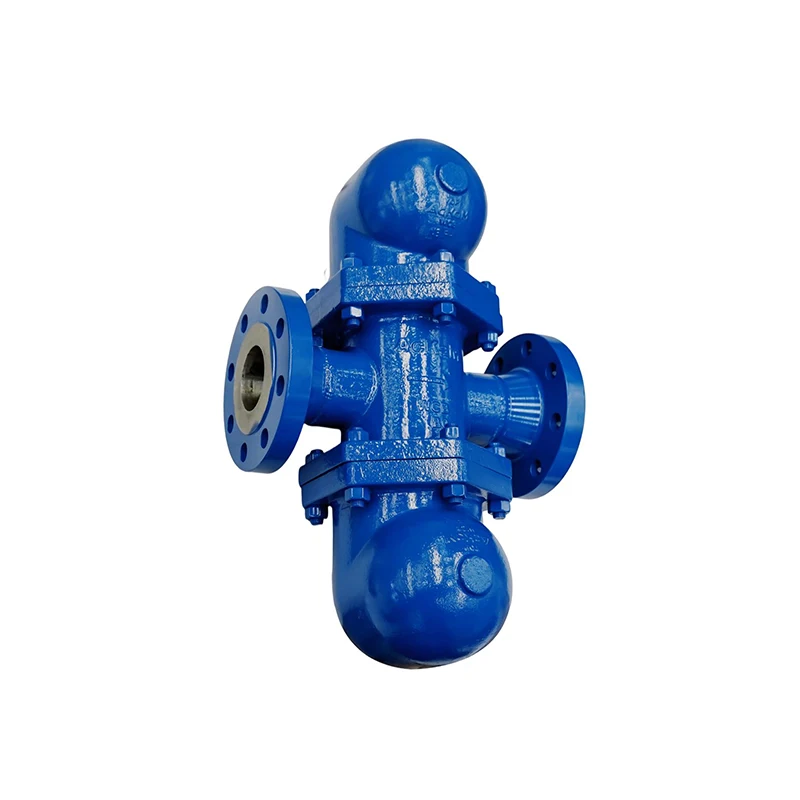
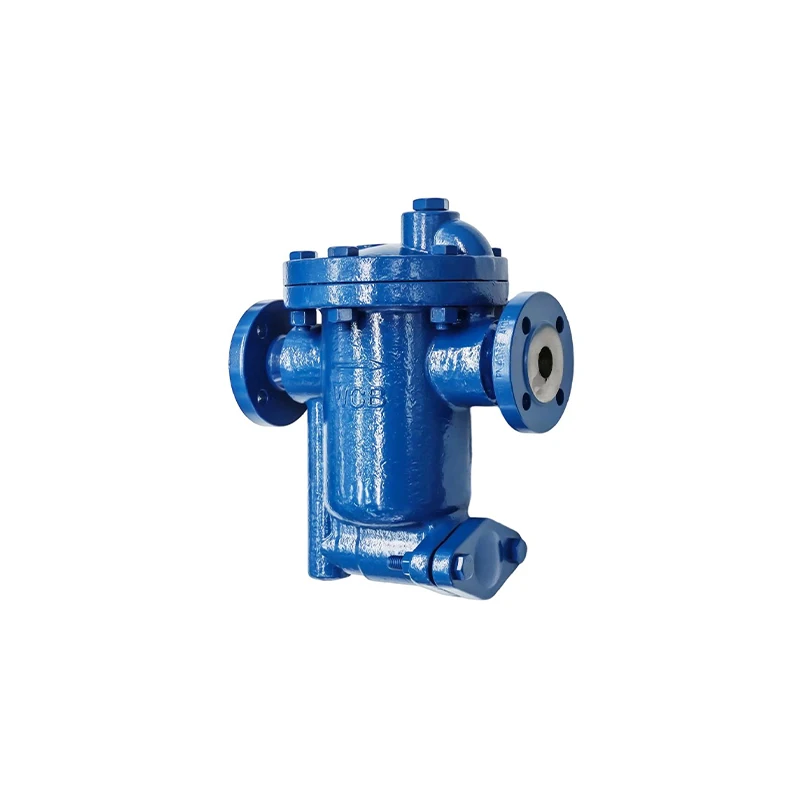
Mechanical steam traps represent the pinnacle of dependable condensate management, utilizing fundamental physics principles that ensure consistent performance across diverse industrial applications. These innovative devices operate on density differences between steam and liquid water, employing either float mechanisms or inverted bucket designs that respond automatically to changing conditions without requiring external power or control systems. The float-type mechanical steam traps feature a spherical float that rises with condensate accumulation, opening a valve mechanism to discharge liquid while automatically closing when steam approaches. This continuous modulation capability allows these traps to handle varying condensate loads efficiently, from minimal drip rates to substantial surge conditions that occur during system startup or load changes. The inverted bucket design operates through a different mechanism where steam entering the bucket causes it to float and close the discharge valve, while condensate accumulation causes the bucket to sink and open the valve for drainage. This design provides exceptional durability and resistance to debris, making it ideal for challenging industrial environments. The reliability advantages of mechanical steam traps stem from their simple construction with proven components that have operated successfully for decades in countless applications worldwide. These traps eliminate the guesswork associated with condensate removal by responding directly to actual conditions rather than predetermined settings or external controls. Their ability to discharge condensate immediately upon formation prevents accumulation that could cause water hammer, corrosion, or reduced heat transfer efficiency. The continuous operation capability ensures optimal energy utilization by maintaining dry steam conditions throughout the system while preventing valuable steam from escaping. Maintenance requirements remain minimal due to the robust construction and straightforward operating principles, with service intervals typically measured in years rather than months. The versatility of mechanical steam traps makes them suitable for applications ranging from low-pressure heating systems to high-capacity process steam lines, providing facility managers with a reliable solution that adapts to changing operational demands while delivering consistent performance and long-term value.
Superior Temperature Control and Air Elimination with Thermostatic Steam Traps

Superior Temperature Control and Air Elimination with Thermostatic Steam Traps

Thermostatic steam traps deliver unparalleled precision in temperature-sensitive applications through their sophisticated ability to distinguish between steam, condensate, and air based on thermal properties rather than mechanical displacement. These advanced devices utilize temperature-responsive elements such as bimetallic strips, bellows assemblies, or liquid expansion chambers that react to the temperature differential between saturated steam and subcooled condensate. The thermostatic operating principle enables these traps to remain closed while steam is present, opening only when condensate has cooled sufficiently to indicate the need for discharge. This temperature-based control prevents steam loss while ensuring efficient condensate removal, optimizing energy conservation throughout the system. The air elimination capability of thermostatic steam traps provides critical advantages in heating applications where non-condensable gases can create cold spots and reduce heat transfer efficiency. During system startup or whenever air enters the steam lines, these traps automatically vent the non-condensable gases while remaining responsive to condensate formation. This dual functionality eliminates the need for separate air vents in many applications, simplifying system design and reducing installation costs. The precise temperature control offered by thermostatic steam traps makes them indispensable in process applications where maintaining specific temperature ranges is essential for product quality or process efficiency. These traps can be calibrated to open at predetermined subcooling levels, allowing engineers to optimize the balance between energy conservation and condensate removal based on specific application requirements. The compact design and lightweight construction of thermostatic steam traps facilitate installation in space-constrained locations while providing flexible mounting orientations to accommodate various piping configurations. Modern thermostatic elements incorporate advanced materials and manufacturing techniques that enhance responsiveness and extend service life, reducing maintenance frequency and operational disruptions. The energy savings potential of thermostatic steam traps is substantial, particularly in heating systems where their air venting capability ensures uniform heat distribution and prevents energy waste from non-condensable gas accumulation. Facility operators benefit from improved system efficiency, reduced energy costs, and enhanced process control when implementing these temperature-responsive devices in appropriate applications.
Exceptional Durability and Versatile Performance of Thermodynamic Steam Traps

Exceptional Durability and Versatile Performance of Thermodynamic Steam Traps

Thermodynamic steam traps revolutionize condensate management through their ingenious use of fluid dynamics and pressure differentials, creating a robust solution that thrives in demanding high-pressure, high-temperature environments where other trap types may struggle. These remarkable devices operate on the principle that steam and condensate exhibit different flow characteristics when passing through a controlled orifice, utilizing a simple disc mechanism that responds to these dynamic pressure changes without relying on temperature sensors or mechanical float systems. The thermodynamic operating cycle begins when condensate flows under the disc, creating low pressure that lifts the disc and opens the trap for discharge. As steam approaches, the high-velocity flow creates pressure differentials that force the disc closed, preventing steam escape while maintaining the trap in a sealed position until condensate accumulates again. This self-regulating mechanism operates effectively across wide pressure ranges, from low-pressure heating applications to high-pressure industrial processes exceeding several hundred PSI. The exceptional durability of thermodynamic steam traps results from their streamlined design featuring minimal moving parts, typically consisting of only a disc, seat, and cap assembly that withstands extreme conditions without degradation. The absence of complex mechanisms, delicate bellows, or precision float assemblies eliminates common failure points while providing resistance to water hammer, debris, and corrosive condensate that might damage more intricate trap designs. The compact footprint and lightweight construction of thermodynamic steam traps make them ideal for installations where space limitations or weight restrictions pose challenges, while their standard threaded or flanged connections simplify replacement and maintenance procedures. These traps excel in applications with intermittent or variable condensate loads, such as traced lines, small heat exchangers, and distribution systems where rapid cycling capability prevents condensate backup while minimizing steam loss. The versatile performance characteristics enable thermodynamic steam traps to handle superheated steam conditions that might damage temperature-sensitive trap types, making them valuable in high-temperature process applications. Maintenance advantages include extended service intervals due to the robust construction and self-cleaning action that prevents debris accumulation, while the simple disc replacement procedure minimizes downtime and service costs when maintenance is eventually required.


Get a Free Quote

Our representative will contact you soon.
Email
Name
Company Name
Message
0/1000