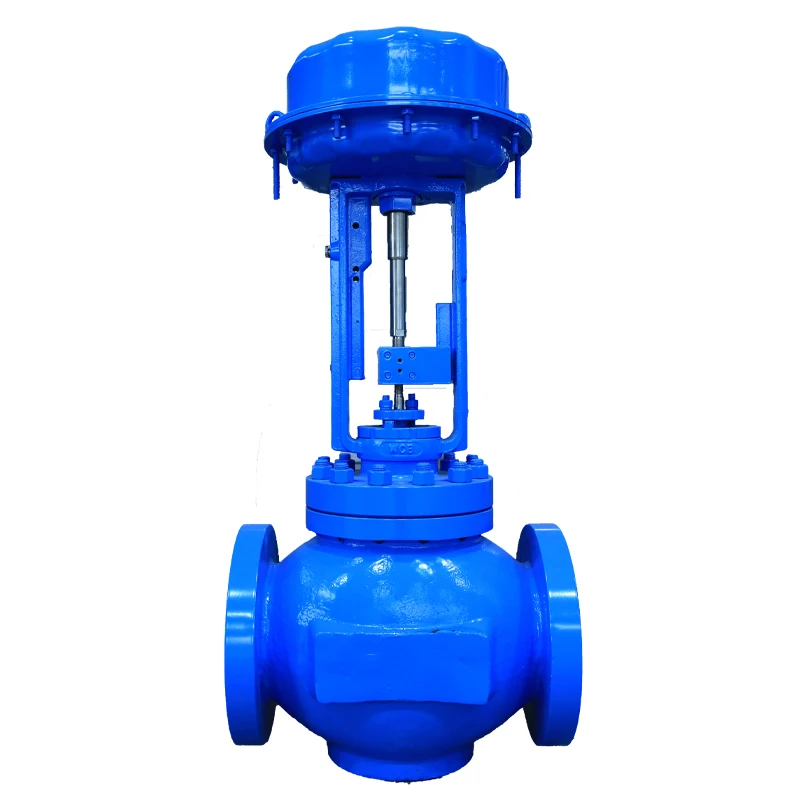
High-Performance Steam Trap for Reactor Heating - Industrial Condensate Management Solutions

All Categories

Get a Free Quote

Our representative will contact you soon.
Email
Name
Company Name
Message
0/1000

steam trap for reactor heating

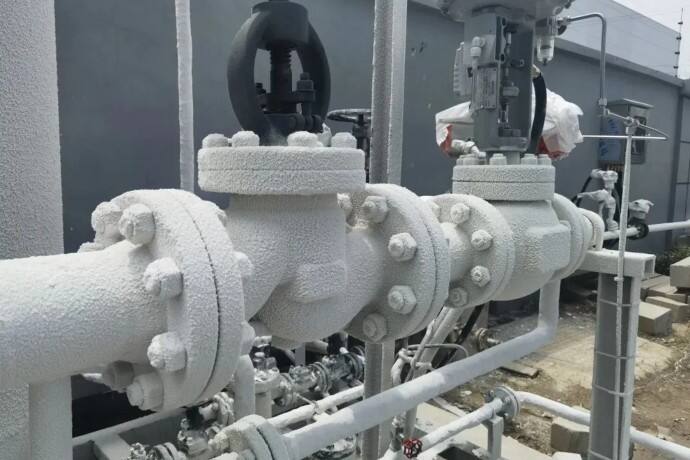
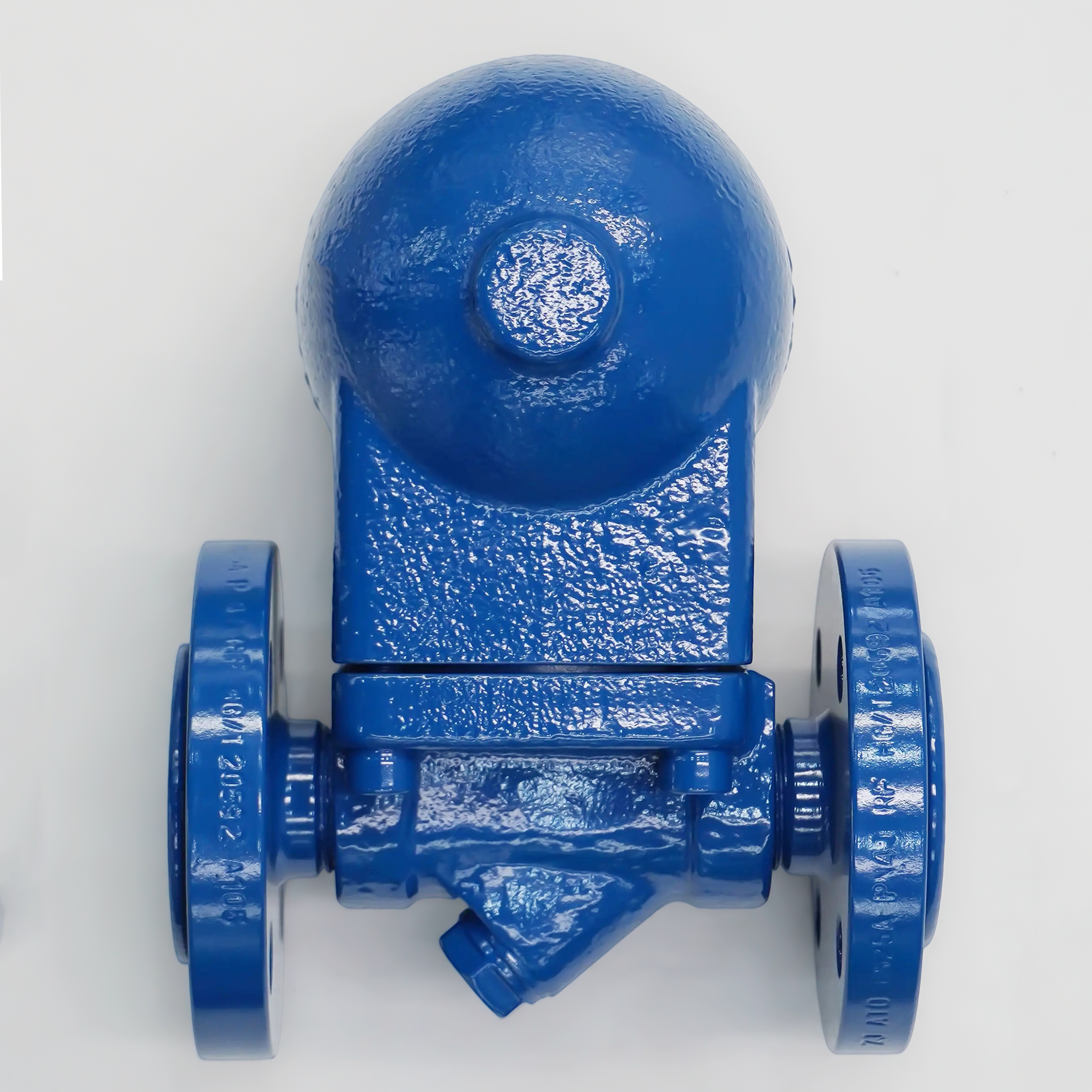
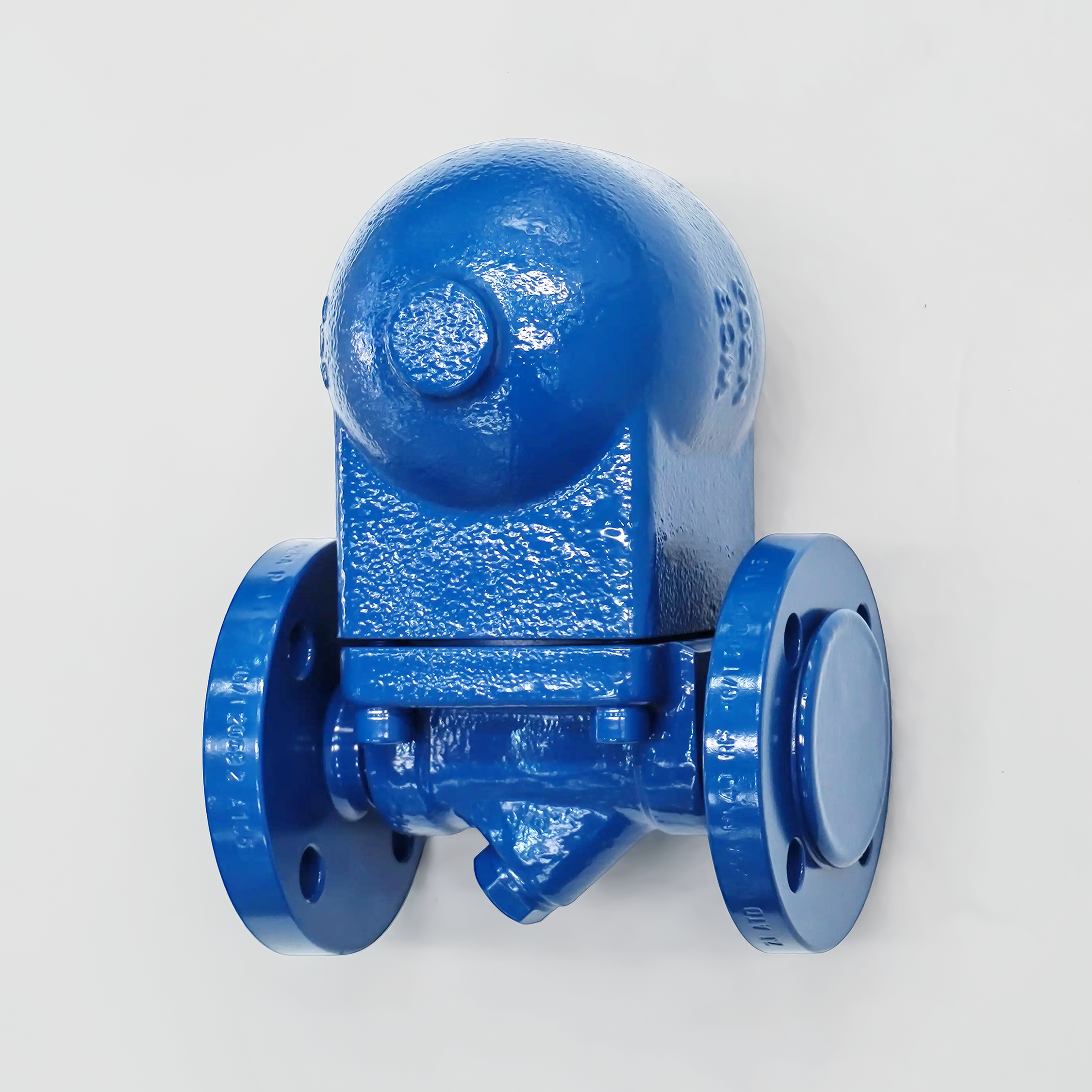
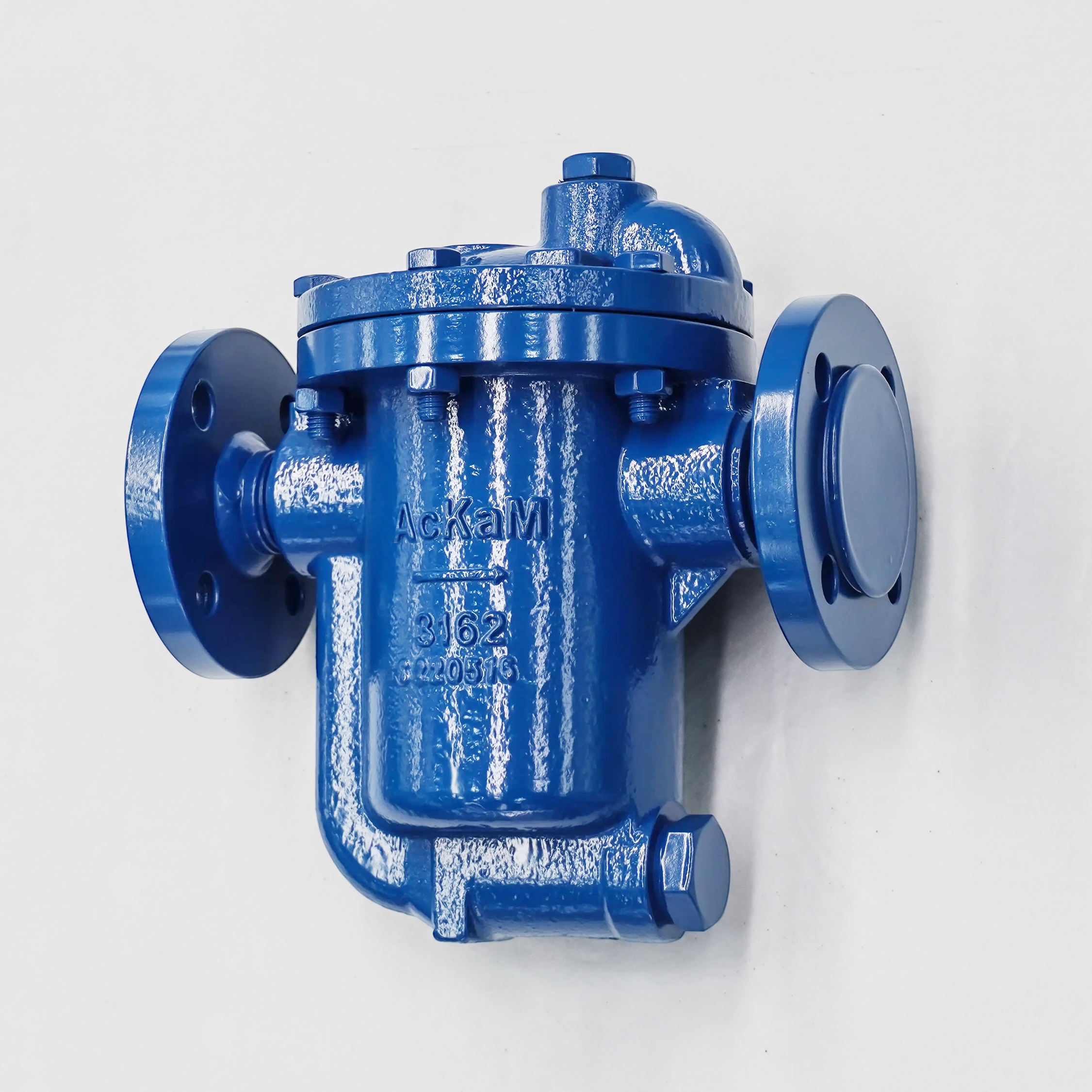
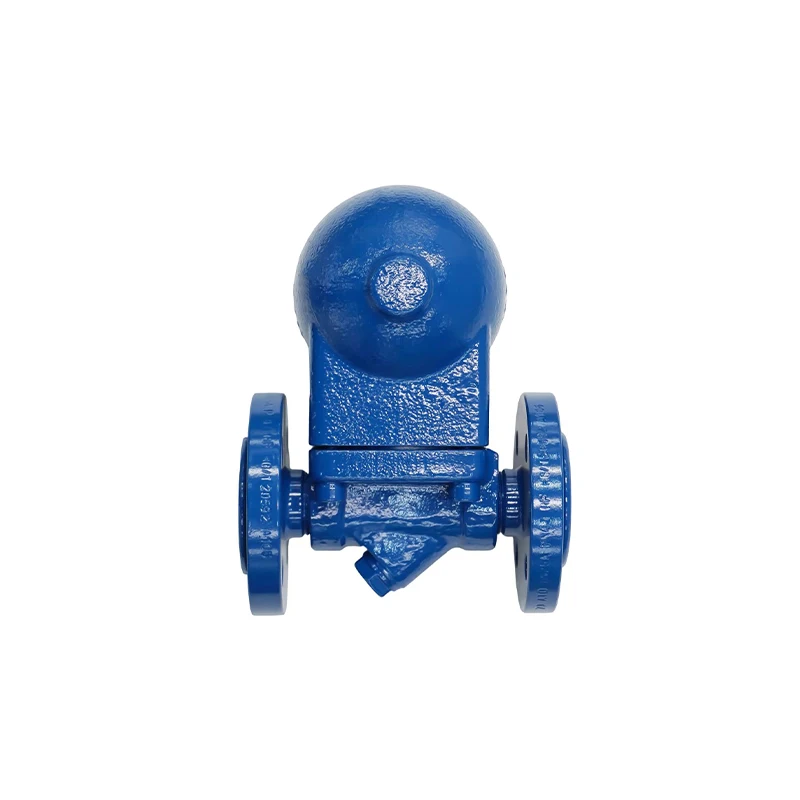
A steam trap for reactor heating represents a critical component in industrial process control systems, specifically engineered to manage condensate removal and maintain optimal steam distribution within reactor vessels. This specialized equipment automatically discharges condensate while preventing valuable steam from escaping the system, ensuring maximum energy efficiency and consistent temperature control throughout reactor operations. The steam trap for reactor heating operates through sophisticated thermodynamic principles, utilizing temperature and pressure differentials to distinguish between steam and condensate phases. When condensate forms within the reactor heating system, the steam trap for reactor heating immediately detects the temperature drop and opens to discharge the liquid water, then promptly closes to retain steam for continued heating processes. Modern steam trap for reactor heating units incorporate advanced materials and precision engineering to withstand the demanding conditions typically found in chemical processing environments. These devices feature corrosion-resistant construction, high-pressure ratings, and exceptional durability to ensure reliable performance across extended operational periods. The steam trap for reactor heating system typically includes a valve mechanism, sensing element, and discharge outlet, all designed to work harmoniously for seamless condensate management. Installation flexibility allows the steam trap for reactor heating to integrate seamlessly into existing reactor configurations without requiring extensive modifications. The sensing element within each steam trap for reactor heating unit responds rapidly to temperature changes, ensuring immediate condensate removal and preventing water hammer effects that could damage sensitive reactor equipment. This automatic operation eliminates the need for manual intervention, reducing labor costs and minimizing the risk of human error in critical heating applications.

New Product Recommendations

The steam trap for reactor heating delivers exceptional operational advantages that directly translate to improved productivity and reduced operational costs for industrial facilities. Energy efficiency stands as the primary benefit, as each steam trap for reactor heating unit prevents valuable steam loss while ensuring complete condensate removal, maximizing heat transfer effectiveness within reactor systems. This efficiency improvement typically results in energy savings of 15-25 percent compared to systems without proper steam trapping technology. The automatic operation of steam trap for reactor heating systems eliminates the need for continuous monitoring and manual valve adjustments, freeing maintenance personnel to focus on other critical tasks while ensuring consistent reactor temperature control. Reliability represents another significant advantage, as modern steam trap for reactor heating units feature robust construction designed to withstand harsh chemical environments and extreme temperature fluctuations without compromising performance. The precision engineering in each steam trap for reactor heating system ensures rapid response to changing conditions, preventing temperature fluctuations that could negatively impact product quality or reaction efficiency. Cost reduction benefits extend beyond energy savings, as proper steam trap for reactor heating implementation reduces wear on reactor heating elements, extends equipment lifespan, and minimizes unplanned downtime due to heating system failures. The compact design of contemporary steam trap for reactor heating units allows for easy retrofitting into existing systems without extensive piping modifications or production interruptions. Safety improvements accompany steam trap for reactor heating installation, as these devices eliminate water hammer risks and prevent dangerous pressure buildup that could compromise reactor integrity. Maintenance requirements remain minimal for quality steam trap for reactor heating systems, with most units operating reliably for years between service intervals. The consistent performance delivered by steam trap for reactor heating technology ensures predictable operating conditions, enabling better process control and improved batch-to-batch consistency in reactor operations. Environmental benefits also emerge from steam trap for reactor heating usage, as reduced steam consumption translates to lower fuel usage and decreased emissions from boiler operations.

Practical Tips

Soaring to New Heights: AcKaM Industrial Surges in Billion-Dollar Market with 200% H1 Sales Growth

04

Nov

Soaring to New Heights: AcKaM Industrial Surges in Billion-Dollar Market with 200% H1 Sales Growth

View More
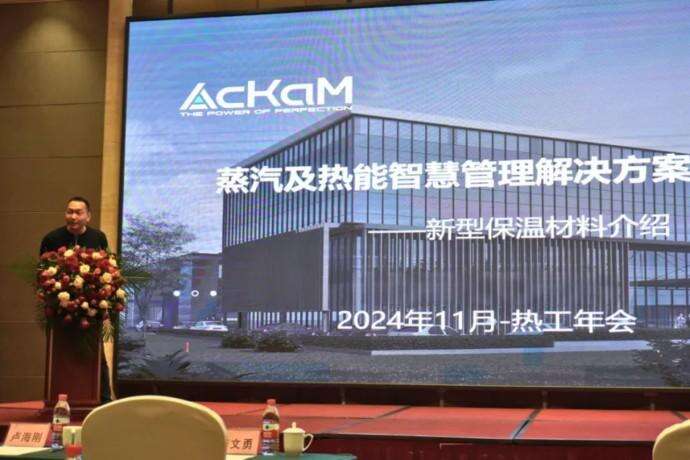
Innovation in Thermal Insulation Technology! AcKaM Delivers Keynote Speech at 2024 National Thermal Engineering Conference

05

Nov

Innovation in Thermal Insulation Technology! AcKaM Delivers Keynote Speech at 2024 National Thermal Engineering Conference

View More
AcKaM: Riding the Trillion-Yuan Wave to Pioneer Innovation

04

Nov

AcKaM: Riding the Trillion-Yuan Wave to Pioneer Innovation

View More

Get a Free Quote

Our representative will contact you soon.
Email
Name
Company Name
Message
0/1000

steam trap for reactor heating

Advanced Thermodynamic Sensing Technology

Advanced Thermodynamic Sensing Technology

The steam trap for reactor heating incorporates cutting-edge thermodynamic sensing technology that revolutionizes condensate management in industrial reactor applications. This sophisticated sensing system utilizes precision-engineered thermostatic elements that respond instantaneously to temperature variations within the reactor heating circuit. Unlike conventional steam management solutions, the steam trap for reactor heating features a multi-stage sensing mechanism that distinguishes between steam, condensate, and non-condensable gases with remarkable accuracy. The thermodynamic sensing technology within each steam trap for reactor heating unit operates on the principle of differential expansion, where specialized bimetallic elements or liquid-filled capsules react to temperature changes by expanding or contracting to control valve positioning. This advanced sensing capability ensures that the steam trap for reactor heating opens precisely when condensate requires removal and closes immediately when steam approaches, preventing energy waste and maintaining optimal heating efficiency. The sensing technology has been extensively tested under extreme reactor conditions, demonstrating consistent performance across temperature ranges from ambient to 450 degrees Celsius and pressure ratings exceeding 600 PSI. The reliability of this thermodynamic sensing system translates directly to improved reactor performance, as consistent condensate removal prevents thermal barriers that could reduce heat transfer efficiency. Manufacturing precision ensures that each steam trap for reactor heating sensor maintains calibration accuracy within 2 degrees Celsius throughout its operational lifespan, providing dependable performance that reactor operators can trust. The sensing technology also incorporates fail-safe mechanisms that default to the closed position in case of component failure, protecting valuable steam resources while alerting maintenance personnel to service requirements. This advanced thermodynamic sensing technology positions the steam trap for reactor heating as an indispensable component for facilities requiring precise temperature control and maximum energy efficiency in their reactor heating operations.
Corrosion-Resistant Construction and Durability

Corrosion-Resistant Construction and Durability

The steam trap for reactor heating features exceptional corrosion-resistant construction specifically engineered to withstand the most demanding chemical processing environments where reactor systems operate continuously under aggressive conditions. This robust construction utilizes premium stainless steel alloys, including 316L and duplex grades, selected for their superior resistance to chemical attack, high-temperature oxidation, and stress corrosion cracking. The internal components of each steam trap for reactor heating unit undergo specialized surface treatments, including passivation and electropolishing, to enhance corrosion resistance and ensure smooth operation over extended service periods. The valve seats and sealing surfaces within the steam trap for reactor heating incorporate hardened materials such as stellite or tungsten carbide, providing exceptional wear resistance and maintaining tight shut-off capabilities even after thousands of operating cycles. This durable construction approach ensures that the steam trap for reactor heating maintains optimal performance throughout its operational lifespan, typically exceeding ten years in continuous service applications. The housing design of the steam trap for reactor heating features thick-wall construction with generous safety margins to handle pressure surges and thermal cycling without structural degradation. Advanced manufacturing techniques, including precision machining and controlled atmosphere welding, ensure that each steam trap for reactor heating meets stringent quality standards for dimensional accuracy and metallurgical integrity. The corrosion-resistant construction extends to all wetted components, including springs, stems, and guide surfaces, eliminating potential failure points that could compromise system reliability. Testing protocols verify that each steam trap for reactor heating unit withstands exposure to common reactor chemicals, including acids, bases, solvents, and high-temperature water without degradation. The durability benefits translate directly to reduced maintenance costs, as the steam trap for reactor heating requires minimal service attention while delivering consistent performance year after year. This exceptional construction quality makes the steam trap for reactor heating an ideal choice for critical reactor applications where reliability and longevity are paramount considerations.

Seamless Integration and Installation Flexibility

Seamless Integration and Installation Flexibility

The steam trap for reactor heating offers unparalleled installation flexibility and seamless integration capabilities that accommodate diverse reactor configurations and retrofit applications without disrupting existing operations. This versatile design approach recognizes that reactor heating systems vary significantly across industries, requiring adaptable steam trap for reactor heating solutions that can integrate effectively into both new installations and existing facility upgrades. The modular design philosophy behind each steam trap for reactor heating unit enables customization of connection types, orientations, and mounting configurations to match specific reactor requirements. Standard connection options include threaded, flanged, and welded configurations, with the steam trap for reactor heating available in sizes ranging from half-inch to four-inch nominal pipe sizes to accommodate various flow requirements. The compact footprint of the steam trap for reactor heating minimizes space requirements while providing easy access for maintenance activities, making it suitable for installation in confined reactor areas where space constraints limit equipment options. Installation guidelines for the steam trap for reactor heating emphasize simplicity, with most units requiring only basic pipe fitting skills and standard tools for proper installation. The steam trap for reactor heating incorporates universal mounting provisions that accommodate horizontal, vertical, and angled installations, providing engineers with maximum flexibility in system design and layout optimization. Pre-engineered installation kits include all necessary components such as unions, valves, and instrumentation connections, streamlining the integration process for the steam trap for reactor heating into existing reactor systems. The installation flexibility extends to instrumentation integration, as each steam trap for reactor heating can accommodate temperature sensors, pressure gauges, and monitoring devices without requiring additional piping modifications. Comprehensive installation documentation and technical support ensure that facility engineers can successfully integrate the steam trap for reactor heating into their reactor heating systems with minimal downtime and maximum confidence. This seamless integration capability, combined with the proven performance of the steam trap for reactor heating, makes it an ideal choice for facilities seeking reliable condensate management solutions that adapt to their specific operational requirements.

Get a Free Quote

Our representative will contact you soon.
Email
Name
Company Name
Message
0/1000