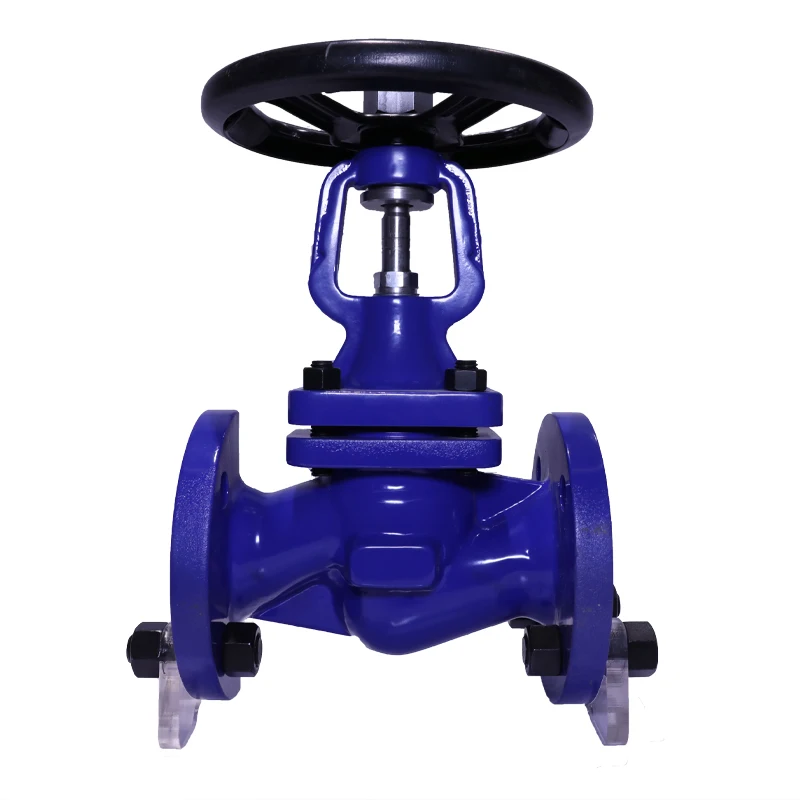
steam trap system
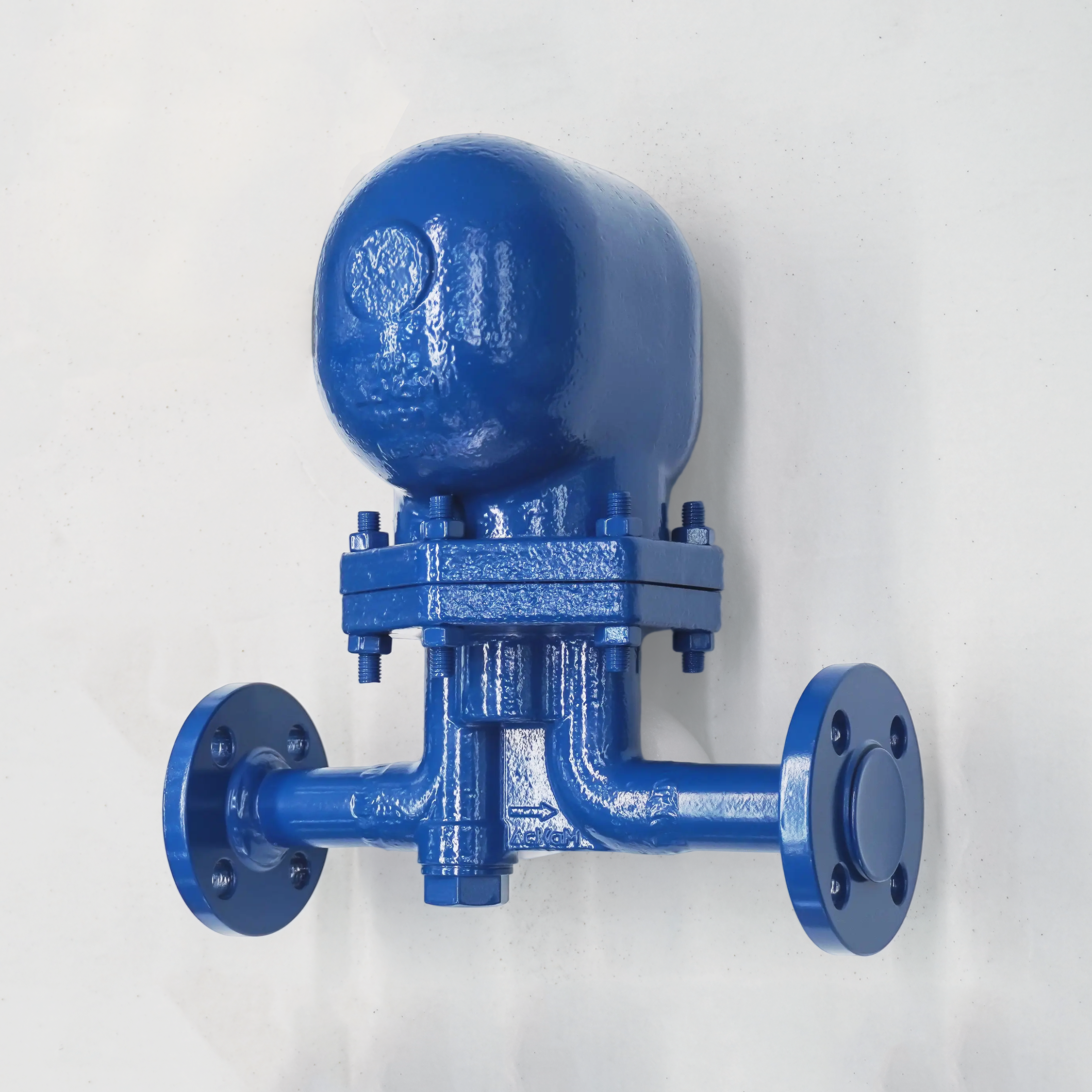
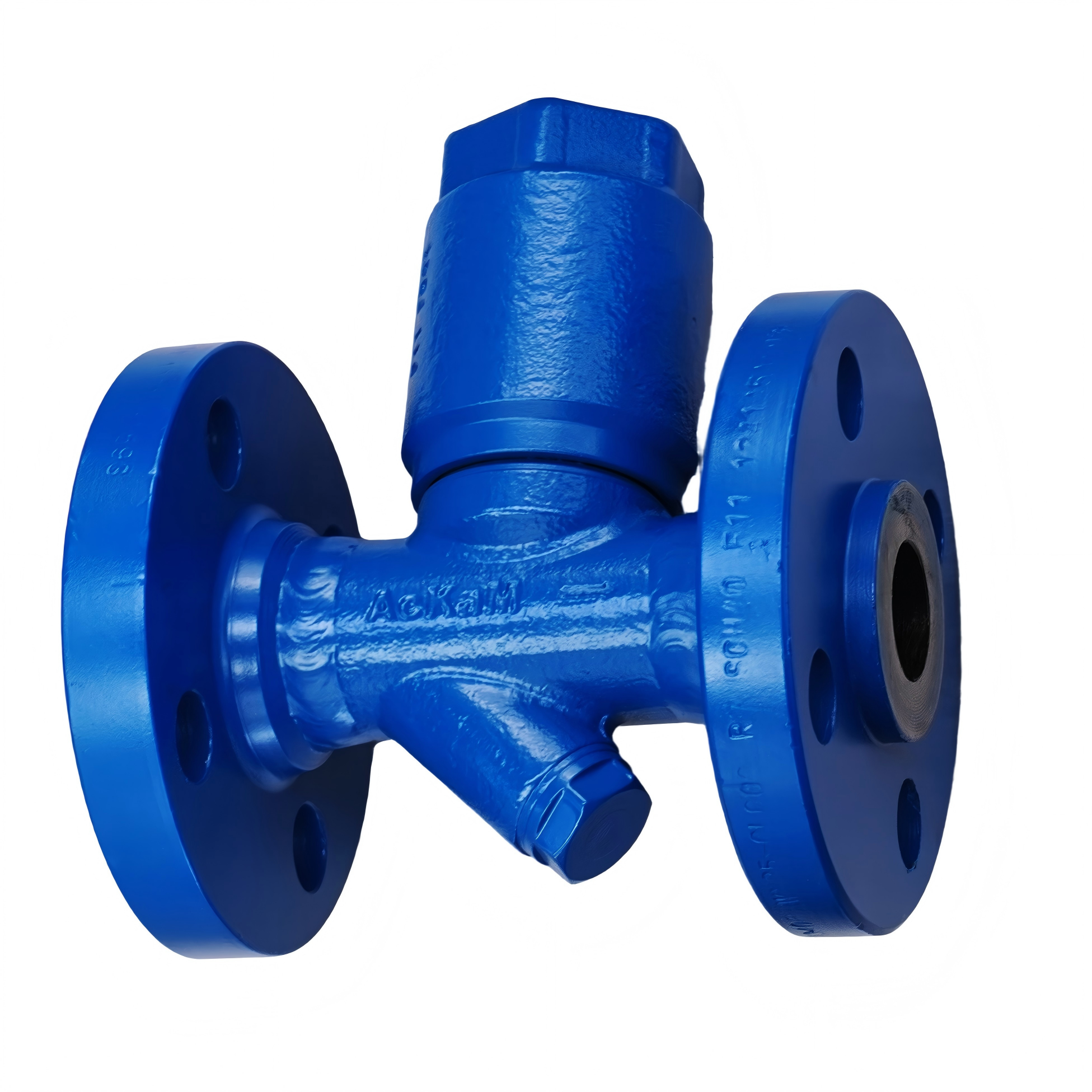
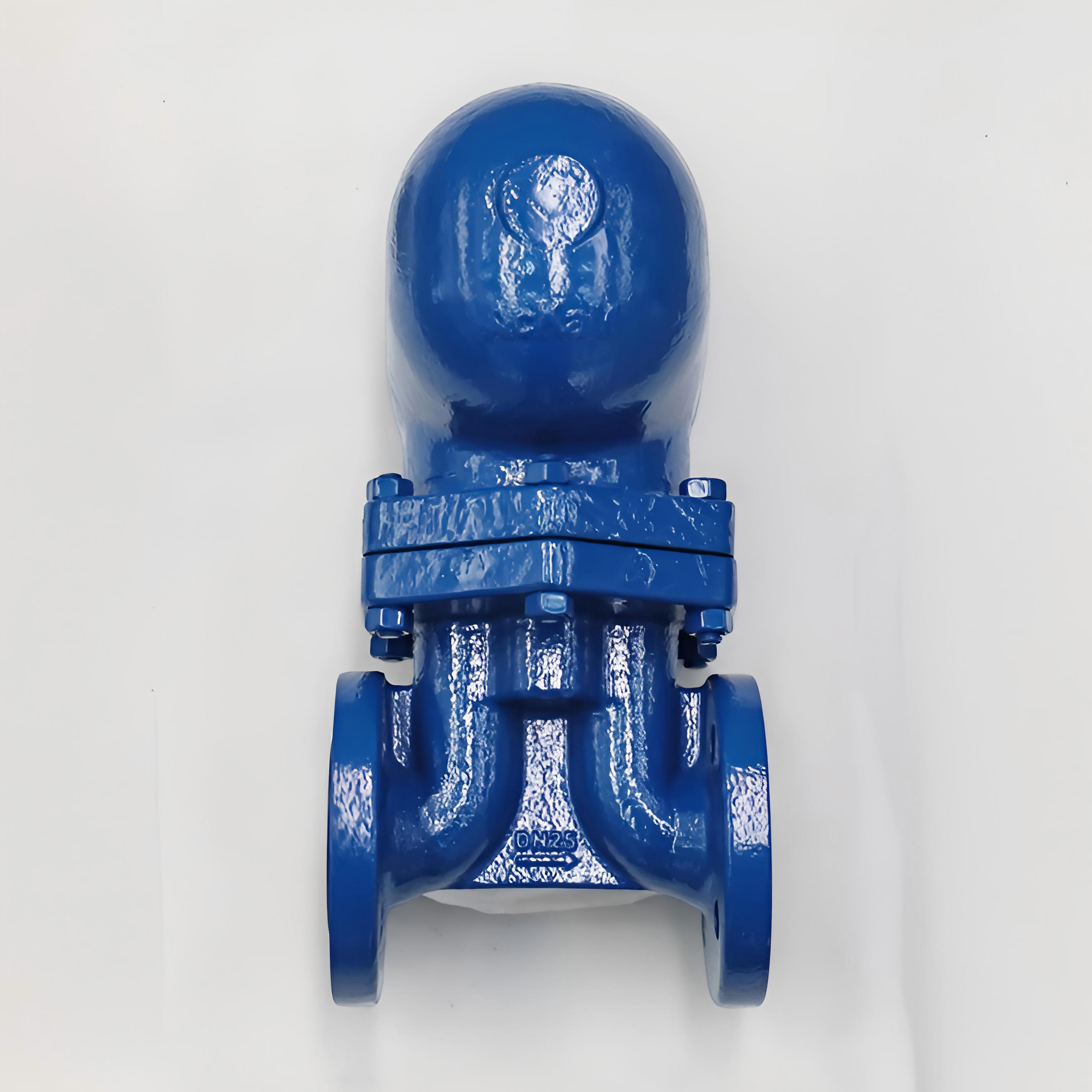
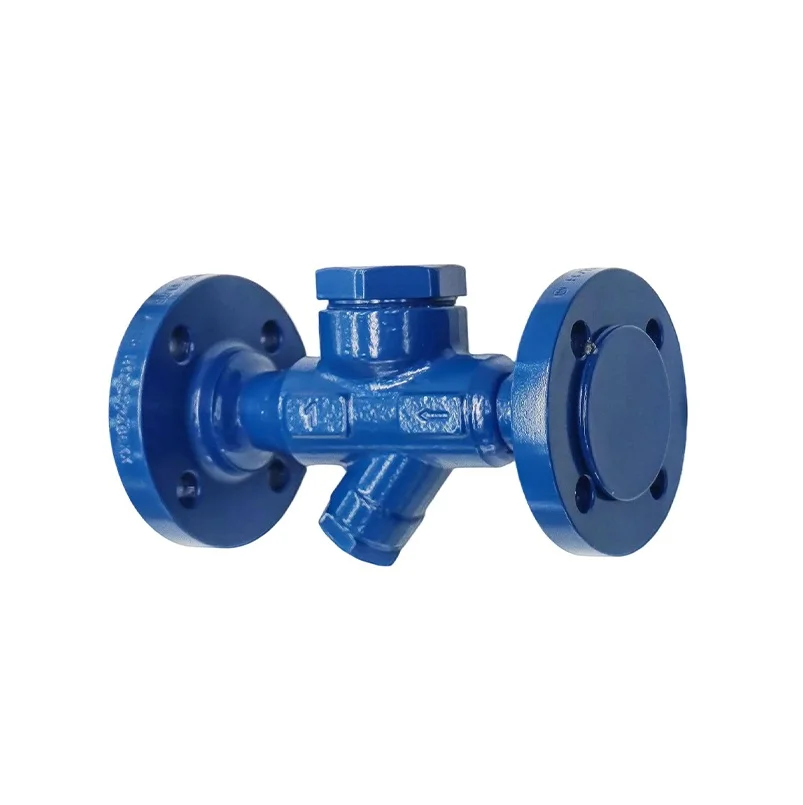
A steam trap system represents a critical component in industrial steam applications, designed to automatically remove condensate, air, and other non-condensable gases from steam lines while preventing the escape of live steam. This sophisticated mechanism operates on fundamental thermodynamic principles, utilizing temperature, pressure, and flow characteristics to distinguish between steam and condensate. The steam trap system consists of several key components including the trap body, internal mechanism, inlet and outlet connections, and various control elements that work together to ensure optimal steam system performance. The primary function of a steam trap system involves maintaining efficient heat transfer by eliminating condensate that can reduce thermal efficiency and cause water hammer damage. These systems automatically discharge accumulated condensate at saturation temperature, ensuring that only dry steam remains in the distribution network. Modern steam trap systems incorporate advanced materials and precision engineering to withstand high pressures and temperatures while delivering consistent performance over extended operational periods. The technological features of contemporary steam trap systems include corrosion-resistant construction materials, precision-machined internal components, and innovative sealing mechanisms that prevent steam loss. Many systems feature modular designs that allow for easy maintenance and component replacement, reducing downtime and operational costs. Smart steam trap systems integrate monitoring capabilities that provide real-time performance data, enabling predictive maintenance strategies and optimizing overall system efficiency. These systems find extensive applications across diverse industries including petrochemicals, pharmaceuticals, food processing, textiles, pulp and paper, and power generation facilities. In manufacturing environments, steam trap systems ensure consistent process temperatures, improve product quality, and reduce energy consumption. Healthcare facilities utilize these systems for sterilization processes and building heating applications. The versatility of steam trap system designs allows for customization based on specific operational requirements, pressure ranges, and environmental conditions.