Industrial Steam Traps - Advanced Condensate Management Solutions for Maximum Energy Efficiency

All Categories

Get a Free Quote

Our representative will contact you soon.
Email
Name
Company Name
Message
0/1000

industrial steam traps

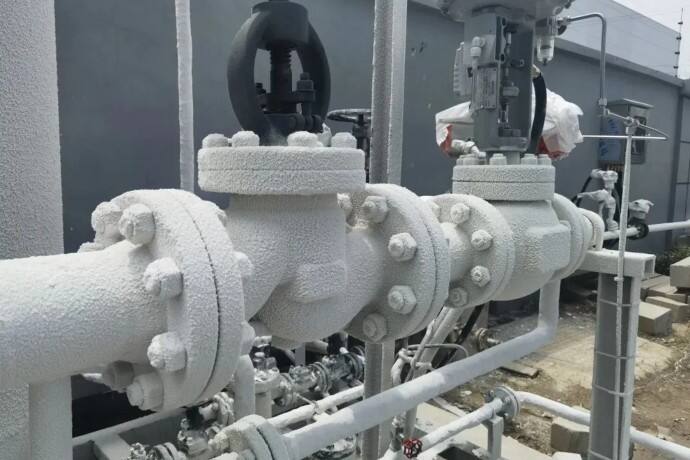
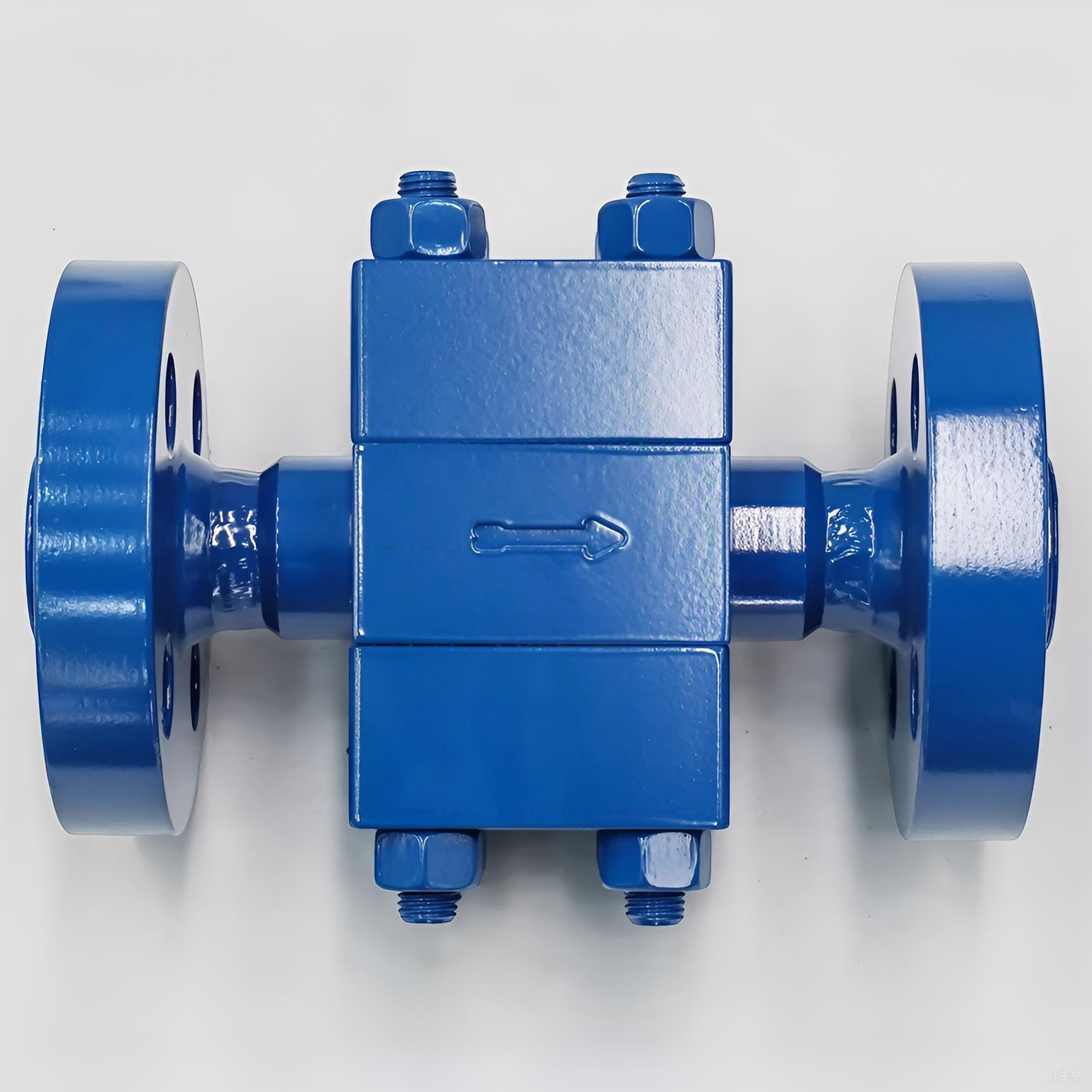
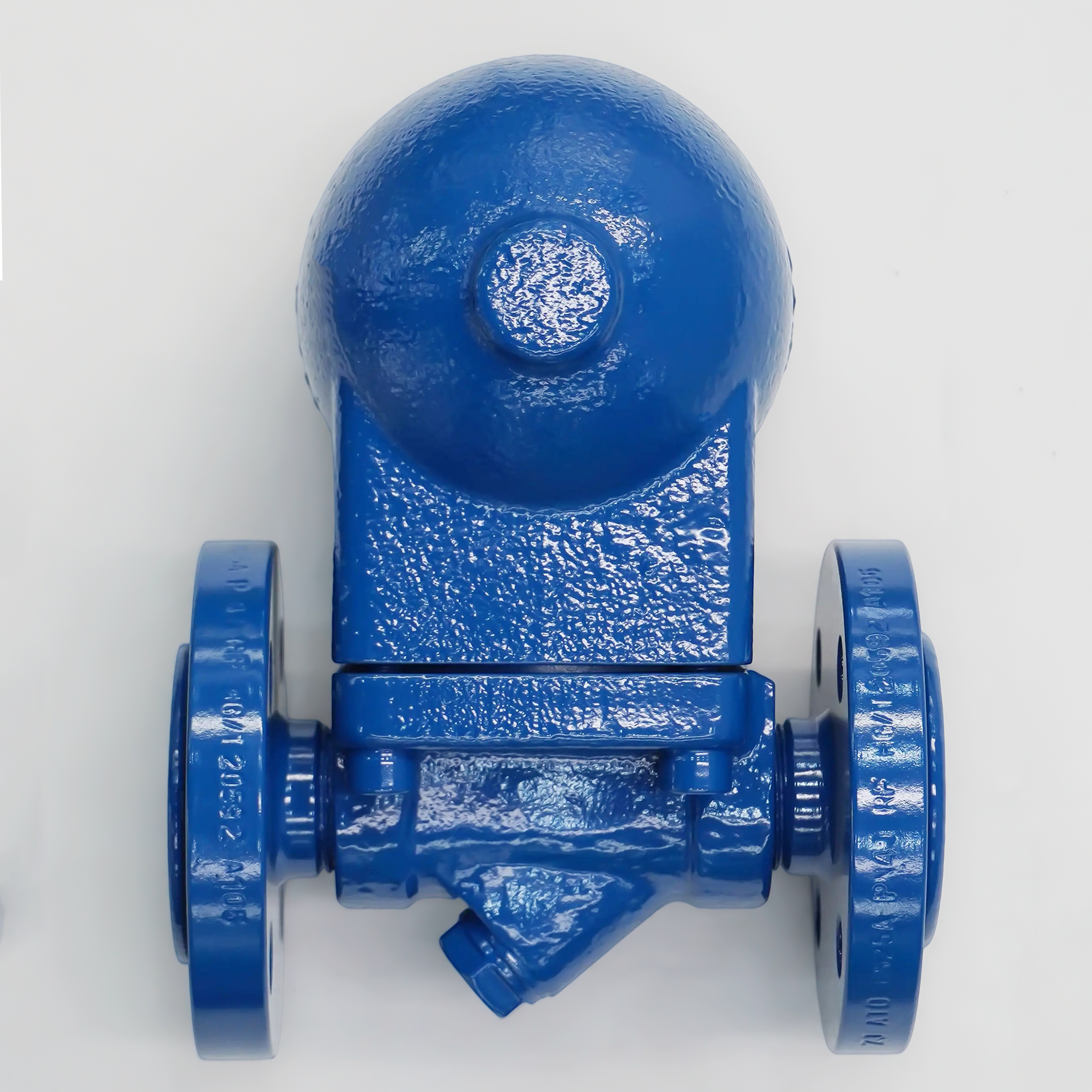
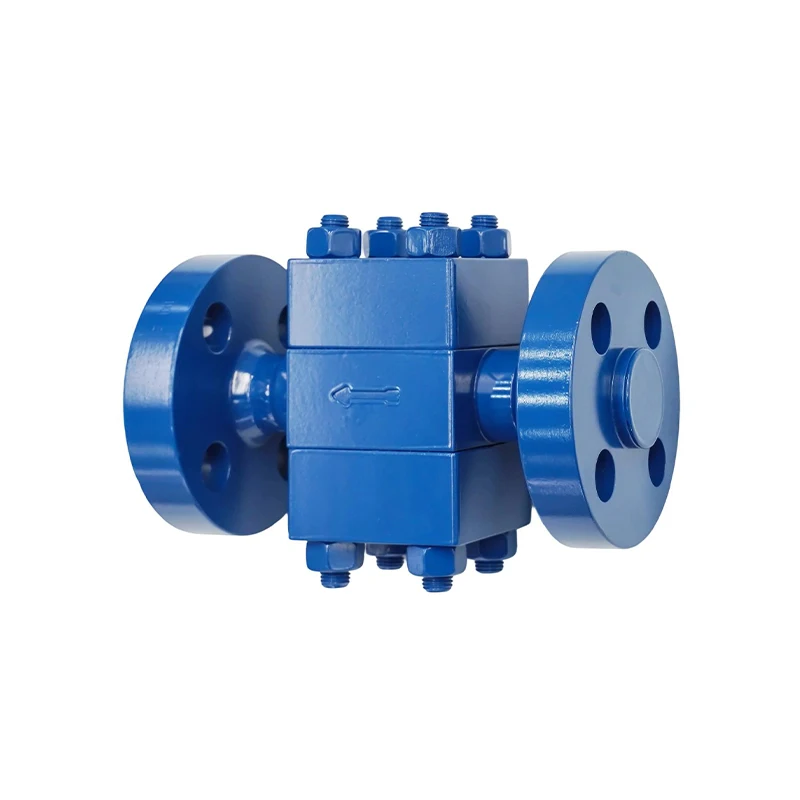
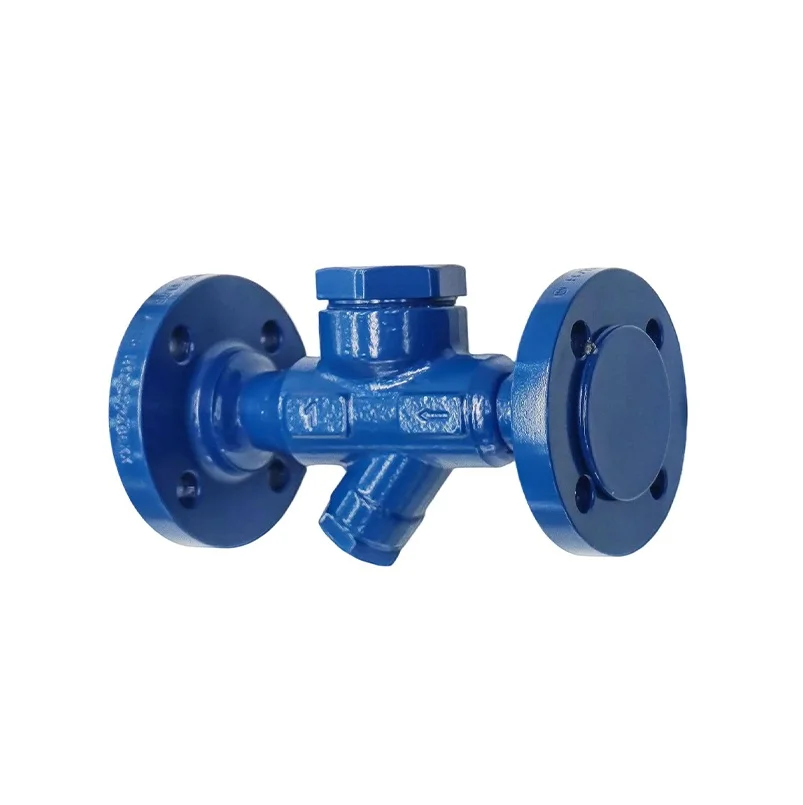
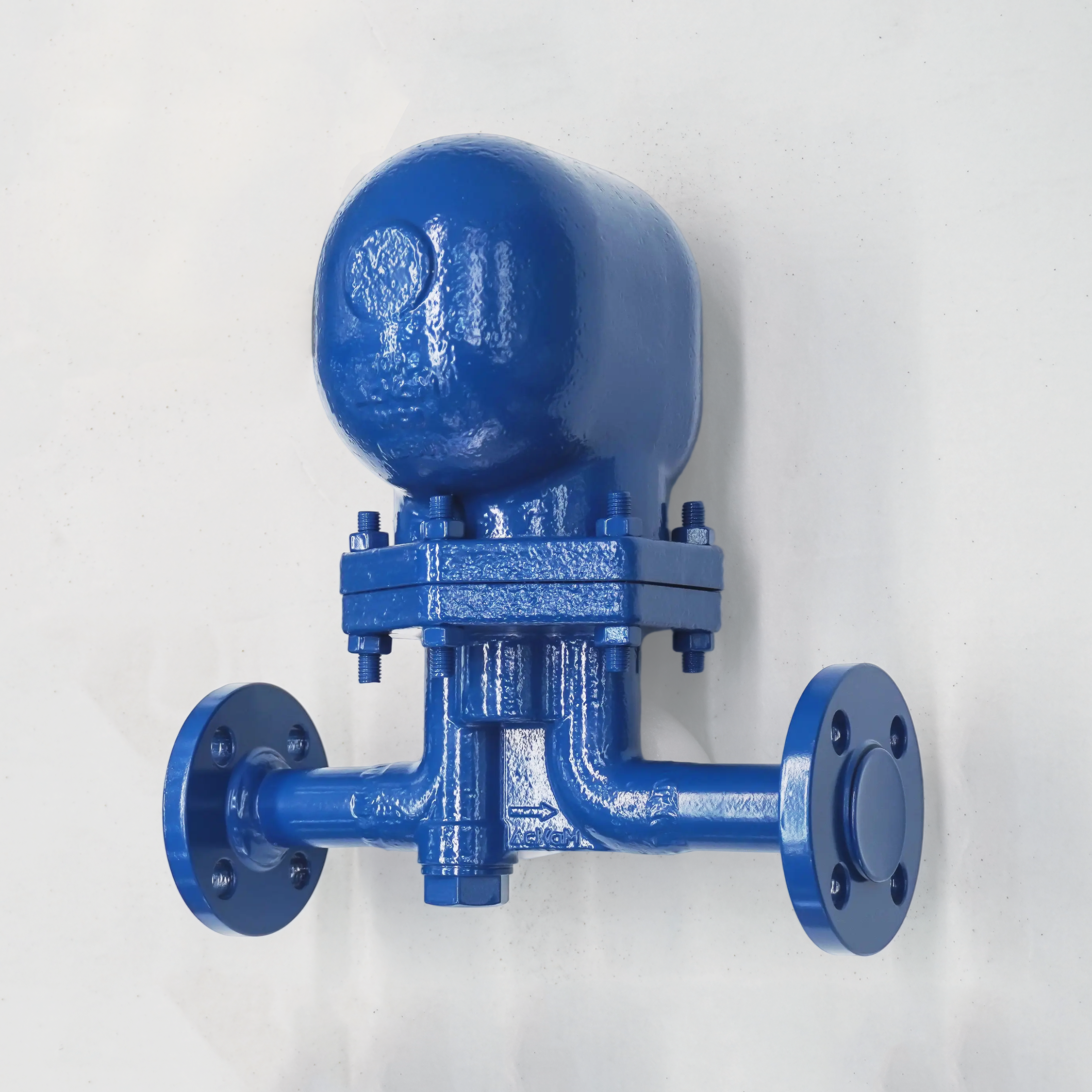
Industrial steam traps represent critical components in steam distribution systems, designed to automatically discharge condensate, air, and other non-condensable gases while preventing the escape of live steam. These mechanical devices serve as intelligent gatekeepers within steam networks, ensuring optimal energy efficiency and system performance across various industrial applications. The primary function of industrial steam traps involves separating condensate from steam, allowing the liquid phase to drain while retaining valuable steam energy within the system. This fundamental operation prevents water hammer, corrosion, and energy losses that commonly plague poorly managed steam systems. Modern industrial steam traps incorporate sophisticated mechanisms including thermostatic elements, mechanical floats, and thermodynamic principles to achieve precise condensate removal. The technological features of these devices vary according to their operating principles, with thermostatic traps utilizing temperature-sensitive elements, mechanical traps employing float mechanisms, and thermodynamic traps leveraging pressure differentials. Advanced industrial steam traps feature robust construction materials such as stainless steel, cast iron, and specialized alloys to withstand extreme temperatures and pressures. Many contemporary models include integrated strainers, check valves, and monitoring capabilities for enhanced reliability. The applications for industrial steam traps span numerous sectors including chemical processing, food and beverage production, pharmaceutical manufacturing, textile operations, and power generation facilities. These devices prove essential in heating systems, process equipment, steam distribution networks, and condensate return lines. Industrial steam traps contribute significantly to energy conservation by preventing steam losses, reducing fuel consumption, and maintaining optimal heat transfer efficiency. Their proper selection and installation directly impact operational costs, equipment longevity, and overall system reliability in demanding industrial environments.
New Product Recommendations

Industrial steam traps deliver substantial operational benefits that directly impact your facility's bottom line and efficiency metrics. These devices reduce energy costs by preventing valuable steam from escaping through condensate discharge points, ensuring that expensive thermal energy remains within your system where it belongs. By automatically removing condensate, industrial steam traps eliminate water hammer incidents that can damage expensive equipment and disrupt production schedules. The continuous removal of accumulated water prevents corrosion within steam lines and connected equipment, extending asset lifespan and reducing maintenance requirements. Your facility experiences improved heat transfer efficiency when industrial steam traps maintain dry steam conditions throughout the distribution network, resulting in faster heating times and more consistent process temperatures. These devices operate automatically without manual intervention, reducing labor costs and minimizing the risk of human error in steam system management. Industrial steam traps enhance product quality in manufacturing processes by maintaining stable steam conditions that prevent temperature fluctuations and moisture contamination. The devices contribute to workplace safety by preventing dangerous steam leaks and pressure buildups that could endanger personnel or damage equipment. Modern industrial steam traps offer excellent durability with minimal moving parts, translating to lower maintenance costs and reduced downtime for repairs or replacements. They provide consistent performance across varying load conditions, automatically adjusting to changes in steam demand without manual recalibration. Energy audits consistently demonstrate that properly functioning industrial steam traps can reduce steam consumption by 10-15 percent compared to systems with failed or inadequate traps. The devices support environmental sustainability initiatives by reducing fuel consumption and greenhouse gas emissions associated with steam generation. Industrial steam traps facilitate compliance with energy efficiency regulations and can contribute to green building certifications. Their compact design allows for easy integration into existing steam systems without extensive modifications or space requirements. The versatility of industrial steam traps makes them suitable for diverse applications, from low-pressure heating systems to high-pressure process applications, providing flexible solutions for various operational needs.

Latest News

Soaring to New Heights: AcKaM Industrial Surges in Billion-Dollar Market with 200% H1 Sales Growth

04

Nov

Soaring to New Heights: AcKaM Industrial Surges in Billion-Dollar Market with 200% H1 Sales Growth

View More
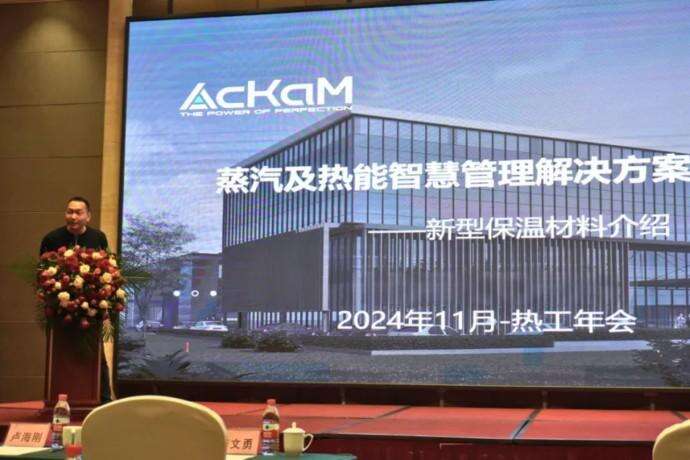
Innovation in Thermal Insulation Technology! AcKaM Delivers Keynote Speech at 2024 National Thermal Engineering Conference

05

Nov

Innovation in Thermal Insulation Technology! AcKaM Delivers Keynote Speech at 2024 National Thermal Engineering Conference

View More
AcKaM: Riding the Trillion-Yuan Wave to Pioneer Innovation

04

Nov

AcKaM: Riding the Trillion-Yuan Wave to Pioneer Innovation

View More

Get a Free Quote

Our representative will contact you soon.
Email
Name
Company Name
Message
0/1000

industrial steam traps

Advanced Thermodynamic Operation Technology

Advanced Thermodynamic Operation Technology

The thermodynamic operating principle behind modern industrial steam traps represents a breakthrough in automated condensate management, utilizing the fundamental properties of steam and water to achieve reliable, maintenance-free operation. This sophisticated technology leverages the velocity and pressure differences between steam and condensate to create a self-regulating discharge mechanism that responds instantly to changing system conditions. When condensate enters the trap chamber, the thermodynamic disc or valve element remains in an open position due to the lower velocity and subcooled temperature of the liquid phase. As the condensate flows through the discharge orifice, a portion flashes to steam, creating a high-velocity jet that generates a pressure differential across the thermodynamic element. This pressure differential forces the disc or valve to close rapidly, preventing steam loss while allowing condensate to accumulate until conditions favor reopening. The beauty of this thermodynamic operation lies in its ability to distinguish between steam and condensate based purely on physical properties, eliminating the need for external controls, power sources, or complex mechanical components. Industrial steam traps utilizing this technology demonstrate exceptional reliability in high-pressure applications where other trap types may fail due to mechanical stress or thermal shock. The thermodynamic principle ensures consistent performance across a wide range of operating pressures and temperatures, making these devices ideal for demanding industrial environments. This technology particularly excels in applications with intermittent steam loads, such as process heating equipment that cycles on and off throughout production schedules. The rapid response time of thermodynamic industrial steam traps prevents condensate backup during startup conditions, reducing equipment damage and improving process efficiency. Unlike mechanical float traps that can freeze in cold environments, thermodynamic industrial steam traps continue operating effectively in sub-zero temperatures, making them suitable for outdoor installations and unheated facilities. The absence of delicate internal components means thermodynamic industrial steam traps withstand vibration, water hammer, and other mechanical stresses that commonly affect steam distribution systems in industrial settings.
Intelligent Condensate Management System

Intelligent Condensate Management System

Modern industrial steam traps incorporate intelligent condensate management capabilities that automatically optimize discharge patterns based on real-time system conditions, ensuring maximum energy efficiency while preventing condensate-related problems. This advanced management system continuously monitors condensate accumulation, steam pressure variations, and temperature fluctuations to determine the optimal discharge timing and duration. The intelligent system prevents premature steam loss by accurately detecting the difference between condensate and steam phases, using sophisticated sensing mechanisms that respond to density, temperature, and flow characteristics. When condensate levels reach predetermined thresholds, the management system triggers precise discharge events that remove accumulated water without allowing valuable steam to escape. This intelligent approach eliminates the energy waste associated with continuous blowdown systems or improperly sized orifices that either restrict condensate flow or allow excessive steam loss. Industrial steam traps with intelligent management systems adapt automatically to changing load conditions, increasing discharge capacity during high condensate production periods while restricting flow during low-load operations. The system's ability to learn and adjust to specific application requirements over time results in increasingly efficient operation that maximizes energy conservation. Advanced models incorporate predictive algorithms that anticipate condensate production based on historical patterns and current system parameters, enabling proactive discharge scheduling that prevents backup conditions. The intelligent management system integrates seamlessly with building automation systems and energy management platforms, providing real-time performance data and diagnostic information that supports preventive maintenance programs. Remote monitoring capabilities allow facility managers to track individual trap performance, identify developing problems before they cause system failures, and optimize overall steam system efficiency from centralized control rooms. The system's data logging functions create comprehensive performance records that support energy auditing initiatives and regulatory compliance reporting requirements. Intelligent condensate management reduces maintenance costs by preventing water hammer damage, corrosion, and thermal shock that result from improper condensate handling, while simultaneously extending equipment service life through optimal operating conditions.
Superior Energy Efficiency and Cost Reduction

Superior Energy Efficiency and Cost Reduction

Industrial steam traps deliver exceptional energy efficiency improvements that translate directly into substantial cost reductions for manufacturing facilities, commercial buildings, and industrial processes. The superior efficiency stems from their ability to eliminate steam losses that commonly occur through failed or inadequate condensate removal systems, with properly functioning industrial steam traps reducing overall steam consumption by 15-20 percent compared to facilities with poor trap maintenance. This efficiency improvement results from the precise condensate removal capability that maintains dry steam conditions throughout the distribution network, ensuring optimal heat transfer performance and reducing the steam generation requirements to meet process demands. Energy audits consistently demonstrate that industrial steam traps pay for themselves within 6-12 months through reduced fuel costs alone, making them one of the most cost-effective energy conservation investments available to industrial facility managers. The superior efficiency extends beyond direct energy savings to include reduced water treatment costs, as effective condensate removal allows for higher condensate return rates that minimize makeup water requirements and associated chemical treatment expenses. Industrial steam traps contribute to lower maintenance costs by preventing the water hammer, corrosion, and thermal shock damage that occurs when condensate accumulates in steam systems, reducing expensive equipment repairs and unplanned downtime events. The devices optimize boiler efficiency by ensuring that returned condensate maintains higher temperatures, reducing the energy required to generate replacement steam and improving overall cycle efficiency. Superior performance characteristics include the ability to handle varying condensate loads without manual adjustment, automatically responding to changes in process demands while maintaining optimal discharge performance. The efficiency benefits compound over time as industrial steam traps prevent the gradual degradation of heat transfer surfaces that occurs when moisture contamination reduces thermal conductivity in steam-heated equipment. Advanced models provide real-time efficiency monitoring capabilities that identify optimization opportunities and support continuous improvement initiatives focused on energy conservation. The superior efficiency of modern industrial steam traps supports corporate sustainability goals by reducing greenhouse gas emissions associated with steam generation while improving the overall environmental footprint of industrial operations through reduced fuel consumption and waste heat recovery optimization.

Get a Free Quote

Our representative will contact you soon.
Email
Name
Company Name
Message
0/1000