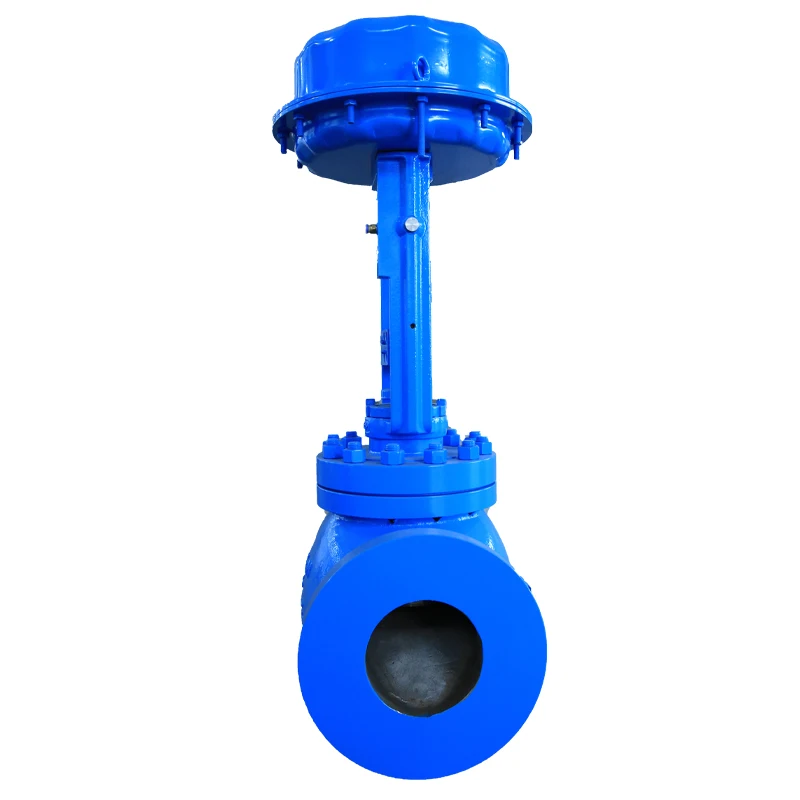
steam trap for purified
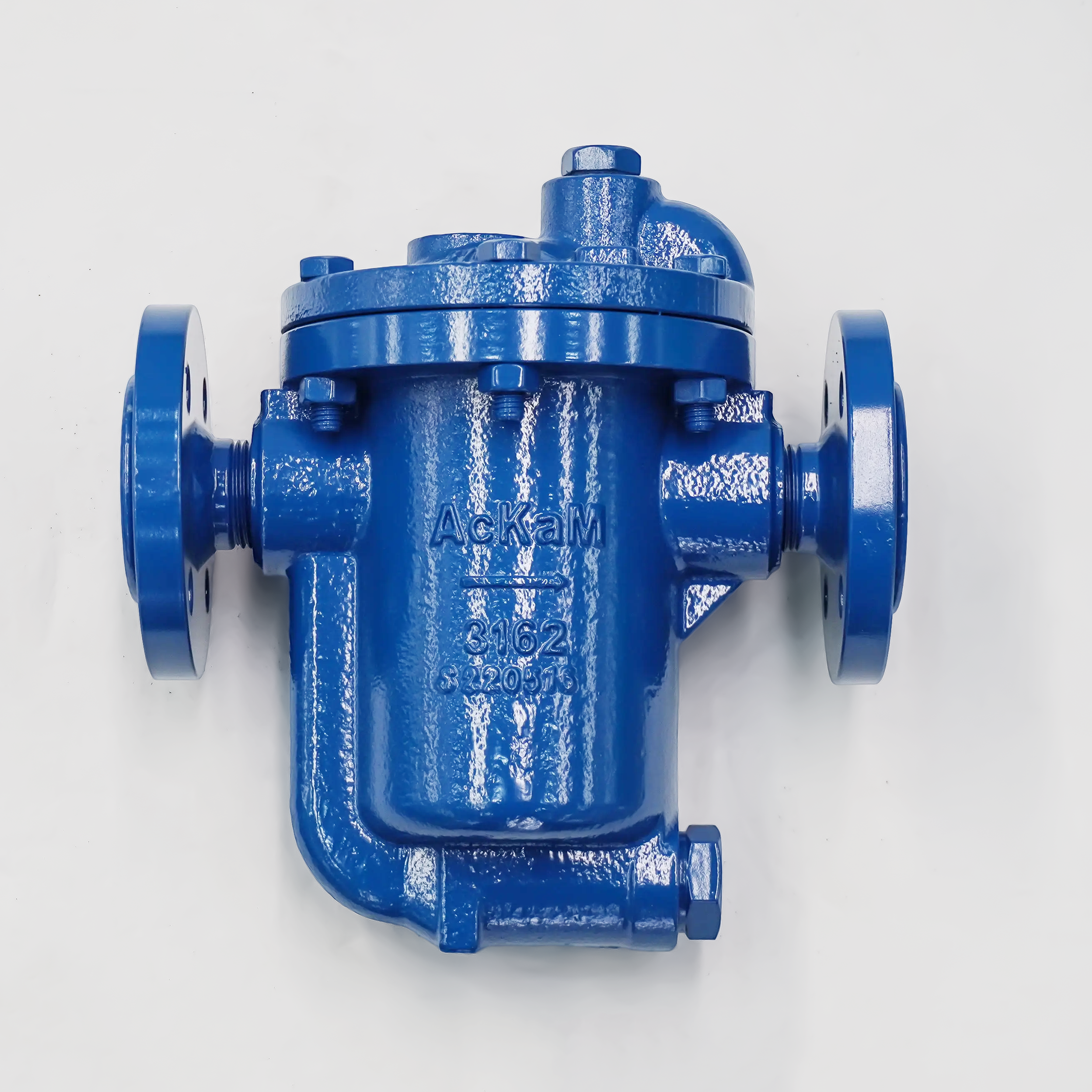
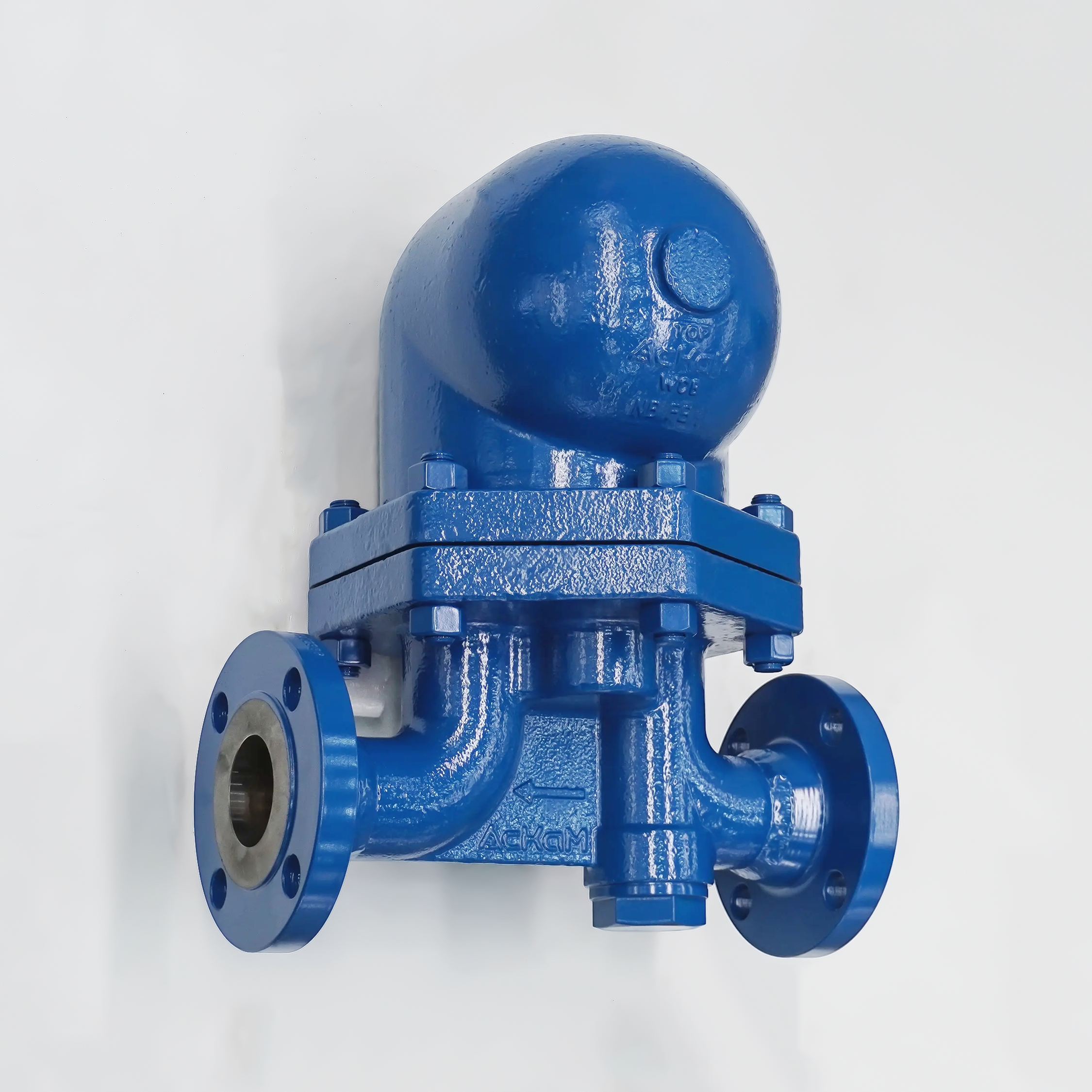
A steam trap for purified systems represents a critical component in maintaining the integrity and efficiency of steam distribution networks, particularly in pharmaceutical, biotechnology, and food processing industries where contamination must be completely eliminated. This specialized equipment automatically removes condensate, air, and other non-condensable gases from steam lines while preventing the escape of valuable steam. The steam trap for purified applications incorporates advanced materials and design features that meet stringent purity requirements, ensuring no contamination enters the process stream. The primary function of a steam trap for purified systems involves the automatic drainage of condensate that forms when steam transfers its latent heat to process equipment or piping. Unlike standard industrial steam traps, these units feature enhanced sealing mechanisms, corrosion-resistant materials such as 316L stainless steel, and specialized surface treatments to prevent bacterial growth and chemical contamination. The technological features of a steam trap for purified environments include thermodynamic operation principles, precise temperature response characteristics, and fail-safe mechanisms that maintain system integrity even during component failure. These devices utilize mechanical, thermostatic, or thermodynamic operating principles, each offering specific advantages depending on the application requirements. The steam trap for purified installations commonly employs inverted bucket mechanisms or bimetallic elements that respond to temperature differentials between steam and condensate. Advanced models incorporate remote monitoring capabilities, allowing operators to track performance metrics and predict maintenance requirements. Applications for steam trap for purified systems span across pharmaceutical manufacturing facilities, biotech laboratories, hospital sterilization departments, and food processing plants where product safety cannot be compromised. These installations require documentation packages, material certifications, and validation protocols that demonstrate compliance with regulatory standards including FDA, cGMP, and ASME BPE requirements.