Complete Guide to Mechanical Steam Trap Types: Functions, Benefits, and Applications

All Categories

Get a Free Quote

Our representative will contact you soon.
Email
Name
Company Name
Message
0/1000

mechanical steam trap types

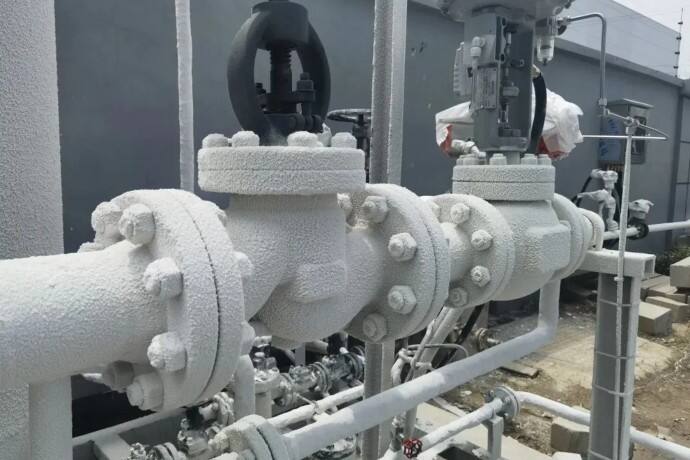
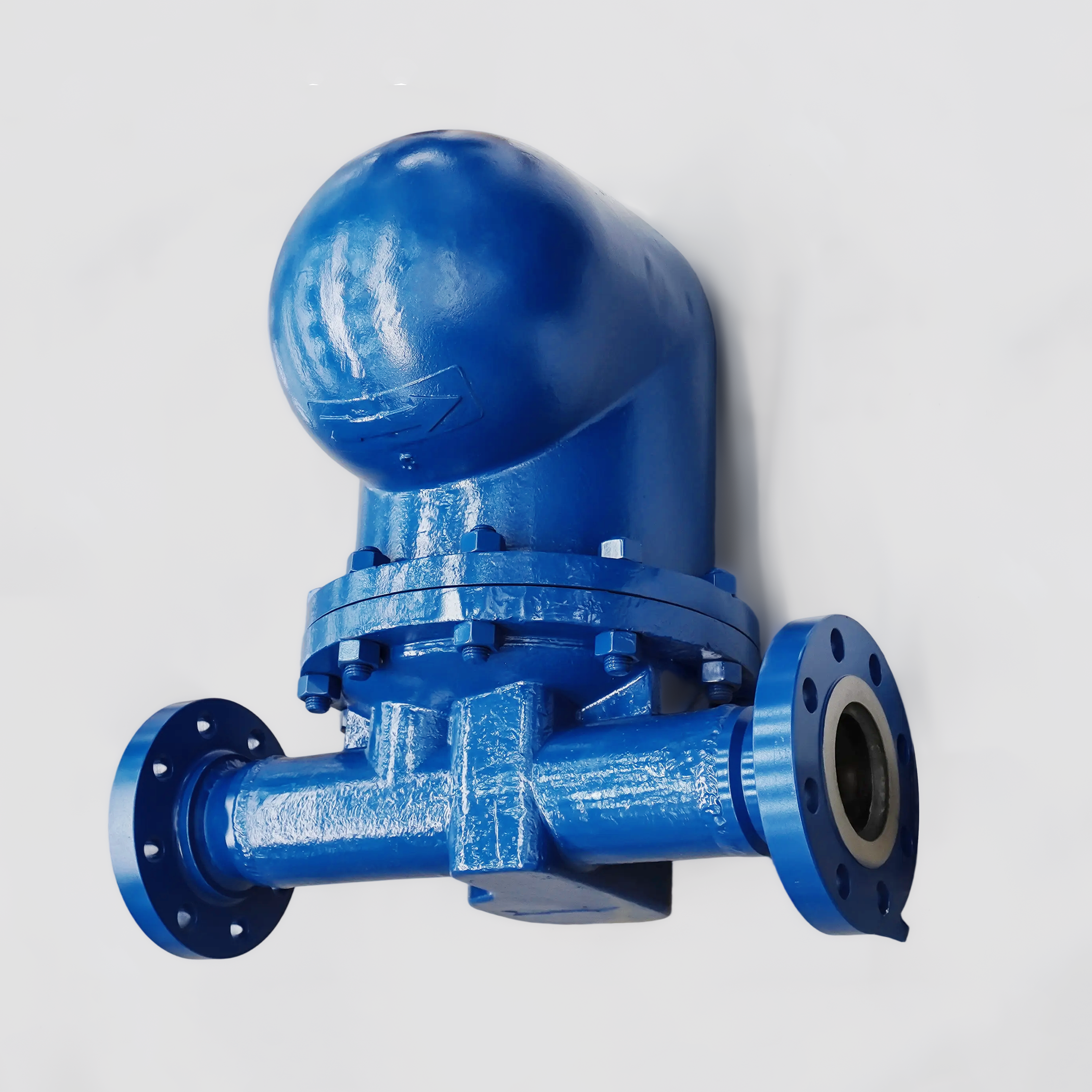
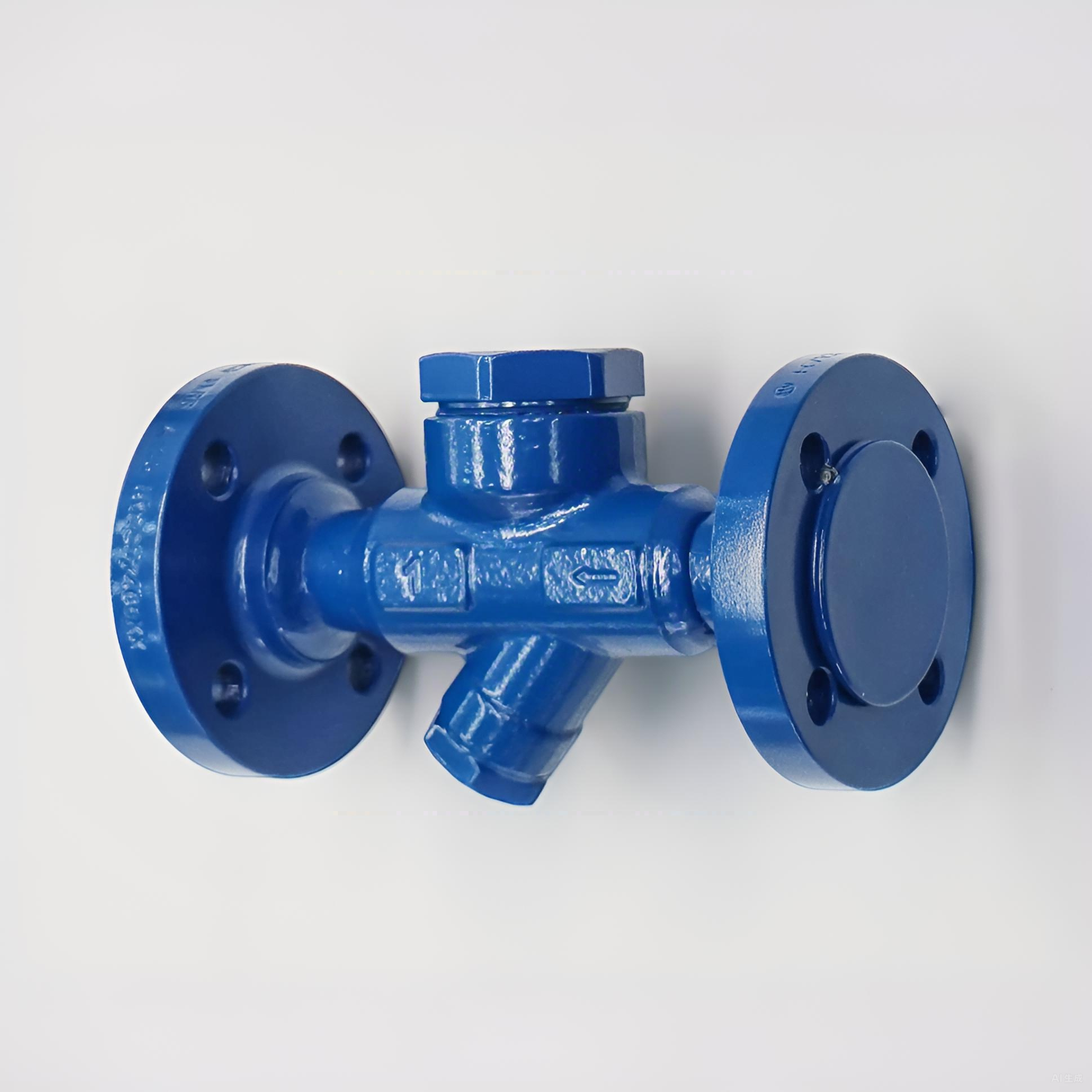
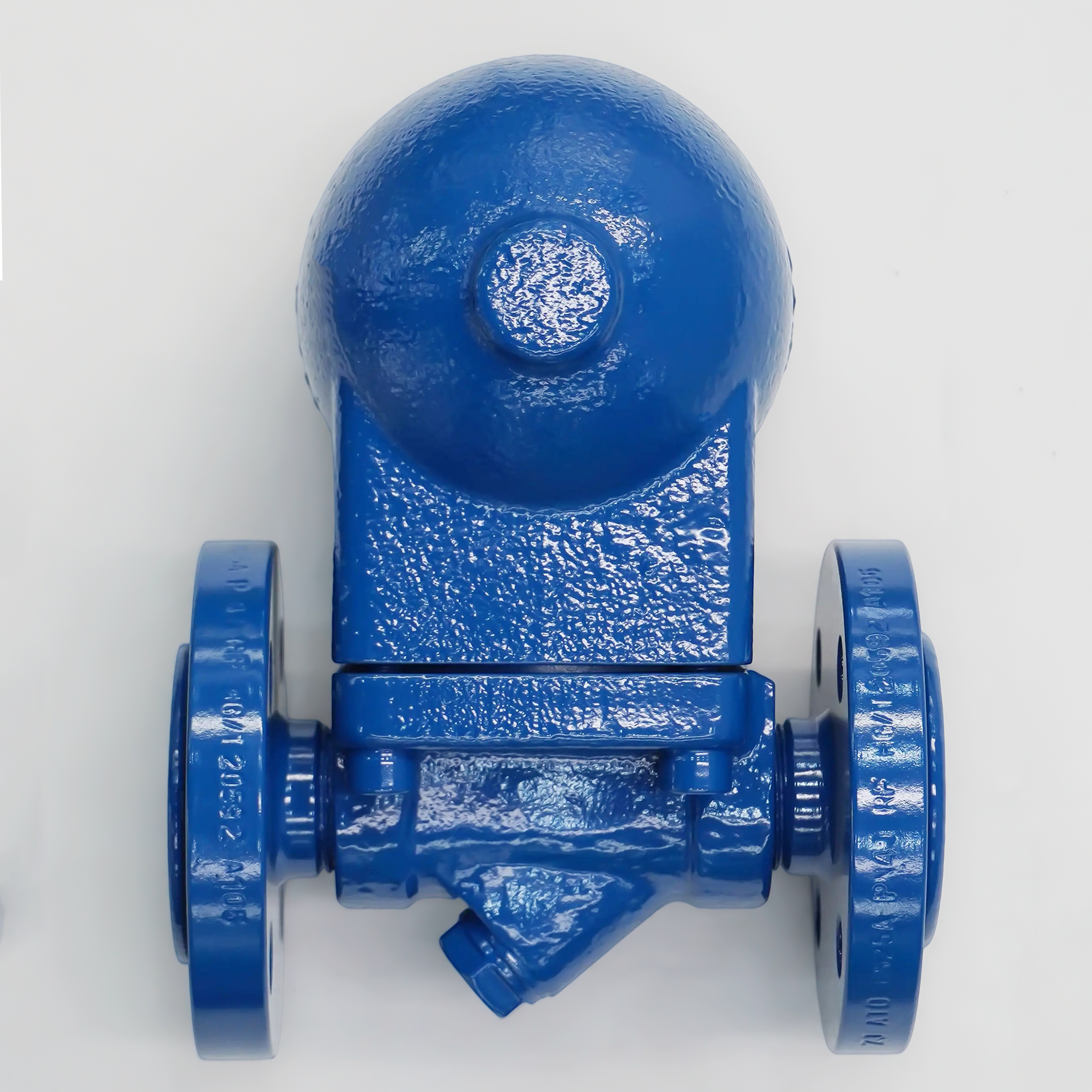
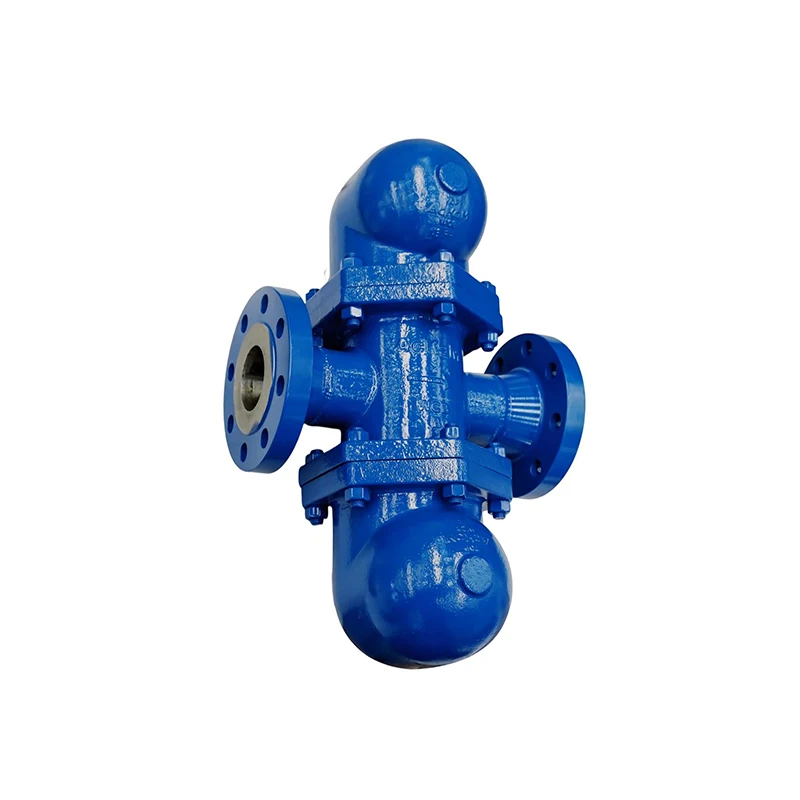
Mechanical steam trap types represent essential components in steam systems, designed to automatically discharge condensate while preventing valuable steam from escaping. These devices operate through physical mechanisms that respond to temperature and pressure changes, making them reliable solutions for maintaining efficient steam operations across various industrial applications. The primary function of mechanical steam trap types involves separating condensate from steam using mechanical elements such as floats, thermostatic bellows, or bimetallic strips. These components react to different fluid properties, creating automatic valve actions that open to release water and close to retain steam. Understanding mechanical steam trap types becomes crucial for engineers and facility managers seeking optimal energy efficiency and system performance. The technological features of mechanical steam trap types include robust construction materials, precise calibration mechanisms, and fail-safe designs that ensure continuous operation even under varying conditions. Float-operated mechanical steam trap types utilize buoyancy principles where rising condensate levels lift a float mechanism, opening discharge valves automatically. Thermostatic mechanical steam trap types employ temperature-sensitive elements that expand and contract based on fluid temperatures, providing responsive control over condensate removal. Inverted bucket mechanical steam trap types use steam buoyancy to control valve positioning, offering excellent air venting capabilities alongside condensate discharge. These mechanical steam trap types find widespread applications in heating systems, process industries, food processing facilities, pharmaceutical manufacturing, and power generation plants. Manufacturing facilities rely on mechanical steam trap types to maintain consistent temperatures in production processes while minimizing energy waste. Hospital sterilization systems depend on reliable mechanical steam trap types to ensure proper steam quality and temperature control. Commercial buildings utilize mechanical steam trap types in HVAC systems to optimize heating efficiency and reduce operating costs. The versatility of mechanical steam trap types makes them suitable for diverse pressure ranges, from low-pressure heating applications to high-pressure industrial processes, ensuring effective condensate management across multiple operational scenarios.
New Product Recommendations

Mechanical steam trap types offer numerous practical advantages that directly translate into cost savings and operational efficiency for businesses across various industries. These devices provide automatic operation without requiring external power sources, electricity, or compressed air, making them inherently reliable and reducing dependency on auxiliary systems. The self-regulating nature of mechanical steam trap types ensures consistent performance regardless of fluctuating steam loads or pressure variations, providing stable condensate removal that maintains optimal system efficiency. Energy conservation represents a primary benefit of mechanical steam trap types, as they prevent valuable steam losses while ensuring rapid condensate discharge. This dual functionality reduces fuel consumption and lowers operational costs significantly over time. Businesses installing quality mechanical steam trap types typically experience reduced steam generation requirements, leading to substantial utility bill reductions and improved environmental sustainability. The durability of mechanical steam trap types provides long-term value through extended service life and minimal maintenance requirements. Unlike electronic alternatives, mechanical steam trap types feature fewer moving parts and robust construction that withstands harsh industrial environments, extreme temperatures, and corrosive conditions. This reliability translates into reduced downtime, lower replacement costs, and decreased maintenance labor expenses. Installation flexibility of mechanical steam trap types accommodates various piping configurations and mounting orientations, simplifying retrofitting projects and new system designs. Most mechanical steam trap types can be installed horizontally or vertically, providing engineers with design freedom while maintaining optimal performance characteristics. The compact footprint of modern mechanical steam trap types allows installation in space-constrained areas without compromising accessibility for maintenance activities. Operational safety benefits include automatic air venting capabilities that prevent system damage from air binding and water hammer effects. Mechanical steam trap types effectively remove non-condensable gases while maintaining proper steam flow, protecting expensive equipment from corrosion and mechanical damage. Quick response times of mechanical steam trap types ensure rapid condensate removal, preventing water accumulation that could cause system inefficiencies, corrosion, or freezing damage. These advantages make mechanical steam trap types cost-effective solutions that provide immediate operational benefits while delivering long-term financial returns through reduced energy consumption, maintenance costs, and system downtime.

Latest News

Soaring to New Heights: AcKaM Industrial Surges in Billion-Dollar Market with 200% H1 Sales Growth

04

Nov

Soaring to New Heights: AcKaM Industrial Surges in Billion-Dollar Market with 200% H1 Sales Growth

View More
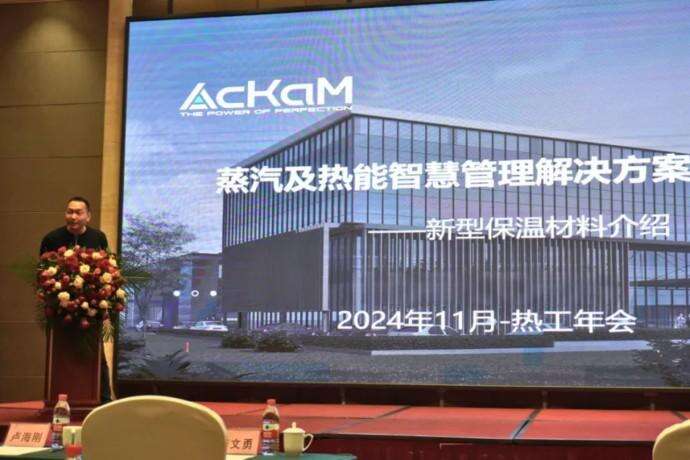
Innovation in Thermal Insulation Technology! AcKaM Delivers Keynote Speech at 2024 National Thermal Engineering Conference

05

Nov

Innovation in Thermal Insulation Technology! AcKaM Delivers Keynote Speech at 2024 National Thermal Engineering Conference

View More
AcKaM: Riding the Trillion-Yuan Wave to Pioneer Innovation

04

Nov

AcKaM: Riding the Trillion-Yuan Wave to Pioneer Innovation

View More

Get a Free Quote

Our representative will contact you soon.
Email
Name
Company Name
Message
0/1000

mechanical steam trap types

Superior Energy Efficiency and Cost Reduction

Superior Energy Efficiency and Cost Reduction

Mechanical steam trap types deliver exceptional energy efficiency through their precise condensate management capabilities, directly impacting operational costs and environmental sustainability. These devices excel at maintaining optimal steam quality by rapidly removing condensate while preventing valuable steam from escaping the system. The energy-saving potential of mechanical steam trap types stems from their ability to maintain consistent steam temperatures and pressures throughout distribution networks. When condensate accumulates in steam lines, it creates thermal barriers that reduce heat transfer efficiency and require additional energy input to maintain desired temperatures. Quality mechanical steam trap types eliminate this problem by automatically discharging condensate as soon as it forms, ensuring maximum heat transfer efficiency and reducing fuel consumption. The financial benefits become particularly significant in large-scale industrial operations where even small efficiency improvements translate into substantial cost savings. Manufacturing facilities utilizing mechanical steam trap types often report energy cost reductions of fifteen to twenty-five percent compared to systems with poorly maintained or inadequate condensate removal. The automatic operation of mechanical steam trap types ensures consistent performance without requiring manual intervention or monitoring, reducing labor costs while maintaining optimal efficiency levels. Modern mechanical steam trap types incorporate advanced design features that enhance their energy-saving capabilities, including improved seal technologies that minimize steam losses and enhanced condensate discharge rates that prevent system flooding. The environmental benefits extend beyond cost savings, as reduced energy consumption directly correlates with lower carbon emissions and decreased environmental impact. Companies implementing comprehensive mechanical steam trap type maintenance programs often achieve sustainability goals while improving their bottom line. The long-term economic advantages of mechanical steam trap types include reduced equipment wear, extended system life, and decreased maintenance requirements, all contributing to lower total cost of ownership. Proper selection and installation of mechanical steam trap types ensures maximum energy efficiency throughout their operational life, providing consistent returns on investment while supporting environmental responsibility initiatives.
Exceptional Reliability and Low Maintenance Requirements

Exceptional Reliability and Low Maintenance Requirements

Mechanical steam trap types demonstrate outstanding reliability through their robust construction and simple operating principles, making them ideal for continuous industrial operations where system downtime must be minimized. The mechanical nature of these devices eliminates dependence on external power sources, electronic controls, or complex monitoring systems, reducing potential failure points and ensuring consistent operation even during power outages or control system malfunctions. This inherent reliability stems from proven mechanical principles that have been refined over decades of industrial application and engineering development. The durability of mechanical steam trap types results from high-quality materials and precision manufacturing processes that create components capable of withstanding extreme temperatures, pressures, and corrosive environments common in industrial steam systems. Stainless steel construction, hardened valve seats, and corrosion-resistant internal components ensure long service life even in challenging operational conditions. Many mechanical steam trap types operate effectively for years without requiring significant maintenance or replacement, providing excellent return on investment through extended service intervals. The simple design of mechanical steam trap types facilitates easy maintenance procedures that can be performed by standard maintenance personnel without specialized training or expensive diagnostic equipment. Routine maintenance typically involves visual inspection, basic cleaning, and occasional component replacement using standard tools and readily available spare parts. This simplicity reduces maintenance costs and minimizes the technical expertise required for proper system care. Predictable wear patterns of mechanical steam trap types allow for effective preventive maintenance scheduling that prevents unexpected failures and maintains optimal system performance. The fail-safe characteristics of quality mechanical steam trap types ensure that even when components wear or fail, the devices typically fail in positions that protect the overall steam system from damage. Many mechanical steam trap types include built-in safeguards that prevent steam loss during component failure, maintaining system integrity until repairs can be completed. The proven track record of mechanical steam trap types in diverse industrial applications demonstrates their ability to provide consistent, reliable service across various operating conditions, making them preferred choices for critical applications where system reliability is paramount.
Versatile Applications and Easy Installation

Versatile Applications and Easy Installation

Mechanical steam trap types offer remarkable versatility in application possibilities, accommodating diverse industrial requirements across multiple sectors while providing straightforward installation procedures that minimize project complexity and costs. The adaptability of mechanical steam trap types makes them suitable for applications ranging from low-pressure heating systems in commercial buildings to high-pressure process steam systems in heavy industry. This versatility stems from the availability of various mechanical steam trap type designs, each optimized for specific operating conditions, pressure ranges, and application requirements. Float-operated mechanical steam trap types excel in applications requiring continuous condensate discharge, while thermostatic mechanical steam trap types provide superior performance in systems with varying loads and temperatures. The broad pressure and temperature operating ranges of mechanical steam trap types accommodate most industrial steam applications without requiring specialized or custom-designed solutions. Installation flexibility represents a significant advantage of mechanical steam trap types, as most designs can be installed in various orientations and piping configurations without compromising performance. Horizontal, vertical, and angled installations are typically acceptable, providing engineers with design freedom while maintaining optimal condensate discharge characteristics. The compact size of modern mechanical steam trap types allows installation in confined spaces and existing systems without extensive piping modifications or structural changes. Standard pipe connections and mounting options simplify integration into both new construction projects and retrofit applications. The installation process for mechanical steam trap types typically requires minimal specialized tools or equipment, reducing project costs and timeline requirements. Most mechanical steam trap types can be installed using standard pipe fitting techniques and common maintenance tools, eliminating the need for specialized installation contractors or expensive equipment. Clear installation guidelines and documentation provided by manufacturers ensure proper positioning and connection procedures that optimize performance and service life. The compatibility of mechanical steam trap types with various piping materials, including steel, stainless steel, copper, and specialized alloys, facilitates integration into existing systems regardless of original construction materials. Commissioning procedures for mechanical steam trap types are straightforward, typically involving basic operational checks and adjustments that can be performed during initial system startup. The immediate operational capability of mechanical steam trap types eliminates extended commissioning periods or complex calibration procedures, allowing systems to achieve full operational status quickly after installation completion.

Get a Free Quote

Our representative will contact you soon.
Email
Name
Company Name
Message
0/1000