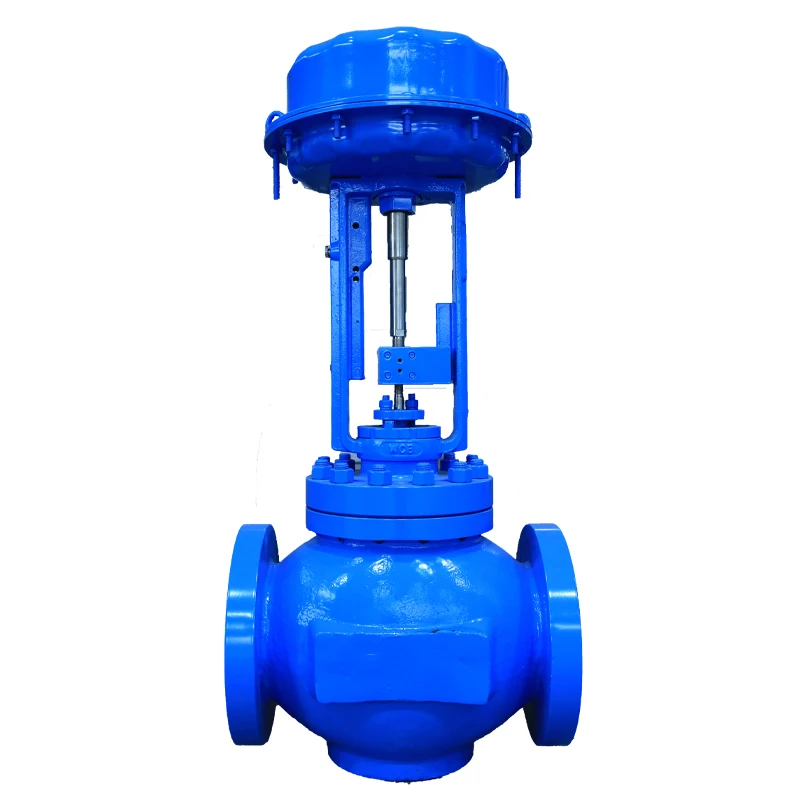
boiler condensate recovery system
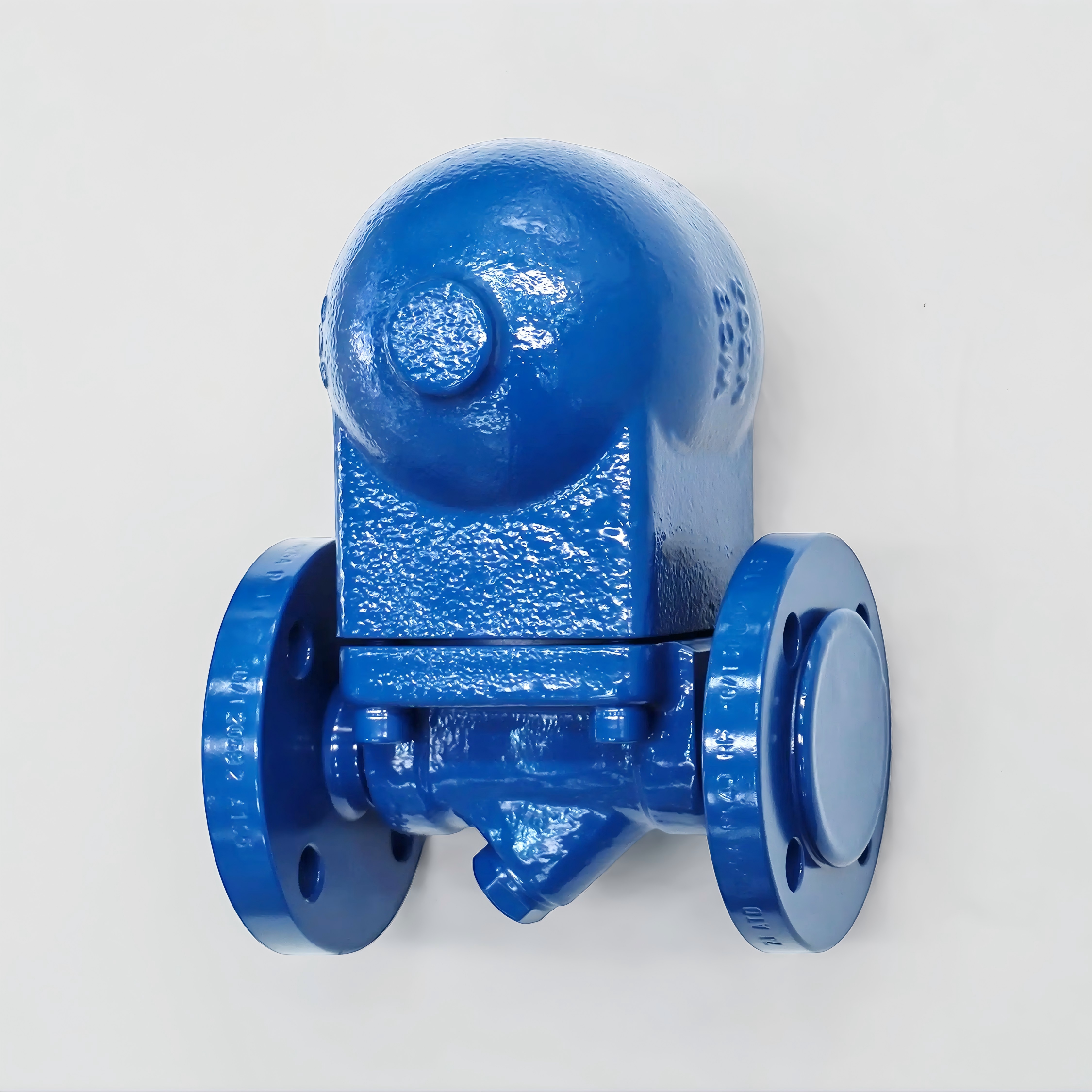
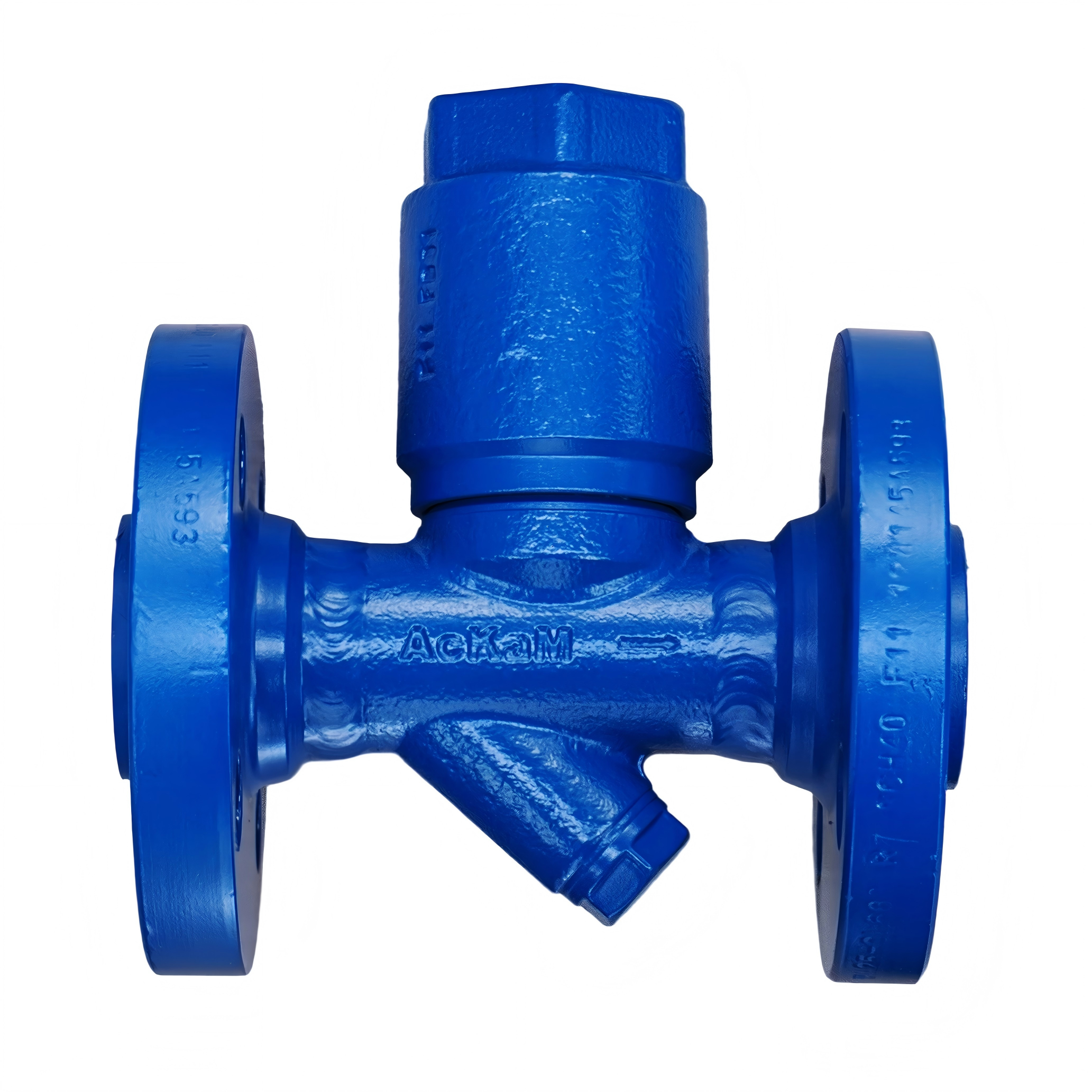
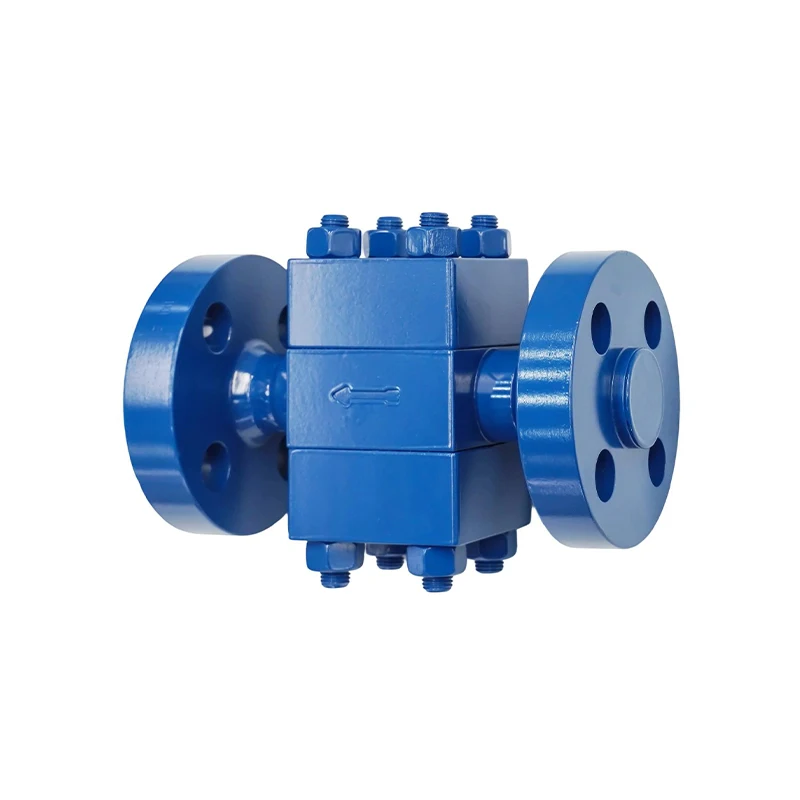
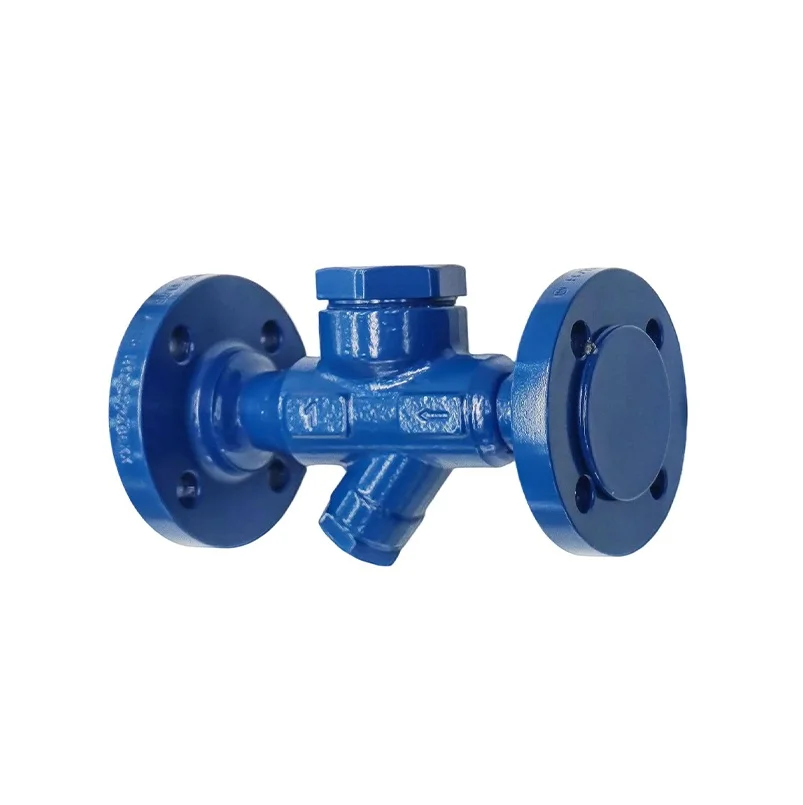
A boiler condensate recovery system represents an essential energy efficiency solution that captures, treats, and returns condensate water back to the boiler feedwater system. This sophisticated technology operates by collecting the high-quality water that forms when steam condenses during heating processes throughout industrial facilities and commercial buildings. The primary function of a boiler condensate recovery system involves maximizing energy efficiency while minimizing operational costs through the intelligent reuse of valuable thermal energy and treated water resources. The system consists of several interconnected components including condensate receivers, pumps, heat exchangers, filtration units, and automated control systems that work together seamlessly. Modern boiler condensate recovery systems utilize advanced sensors and monitoring technology to ensure optimal performance while maintaining water quality standards. The technological features include variable speed drives, corrosion-resistant materials, and programmable logic controllers that adapt to changing operational demands. These systems effectively capture condensate from steam traps, heat exchangers, process equipment, and distribution networks before processing it for reuse. The recovered condensate typically contains significant thermal energy, often maintaining temperatures between 140-212 degrees Fahrenheit, which reduces the energy required to heat incoming makeup water. Applications span across diverse industries including manufacturing facilities, hospitals, universities, food processing plants, textile mills, and commercial laundries where steam heating systems operate continuously. The boiler condensate recovery system integrates with existing infrastructure while providing real-time monitoring capabilities for maintenance personnel. Water treatment components within the system ensure that recovered condensate meets stringent quality requirements before returning to the boiler, protecting equipment from contamination and extending operational lifespan. These systems demonstrate particular value in facilities with high steam consumption where condensate volumes justify the investment in recovery infrastructure.