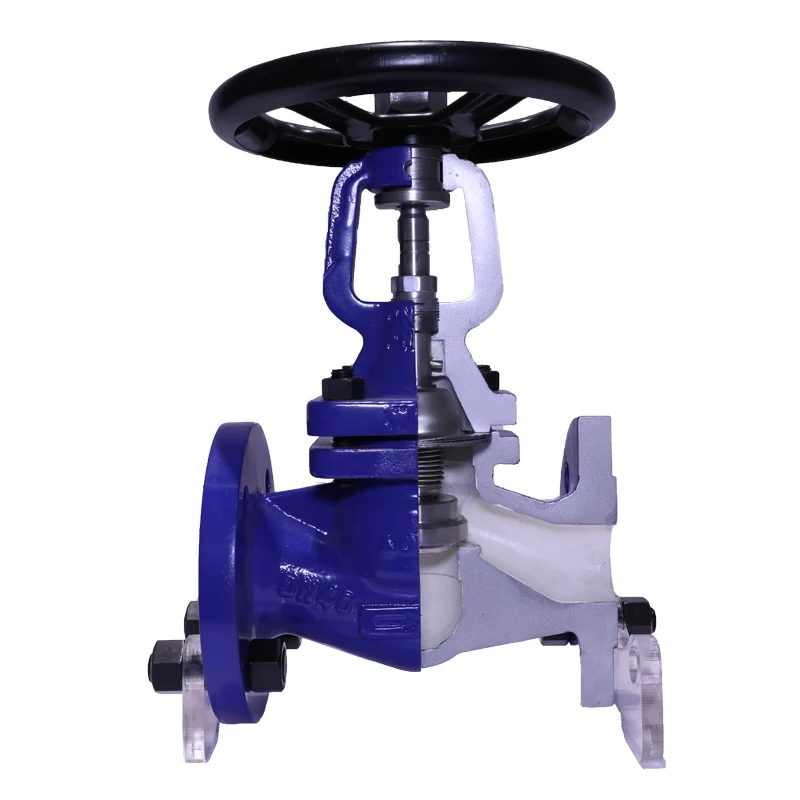
condensate recovery system working
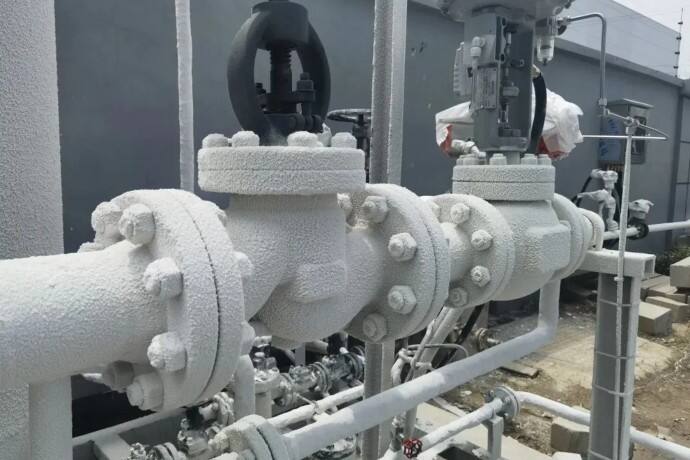
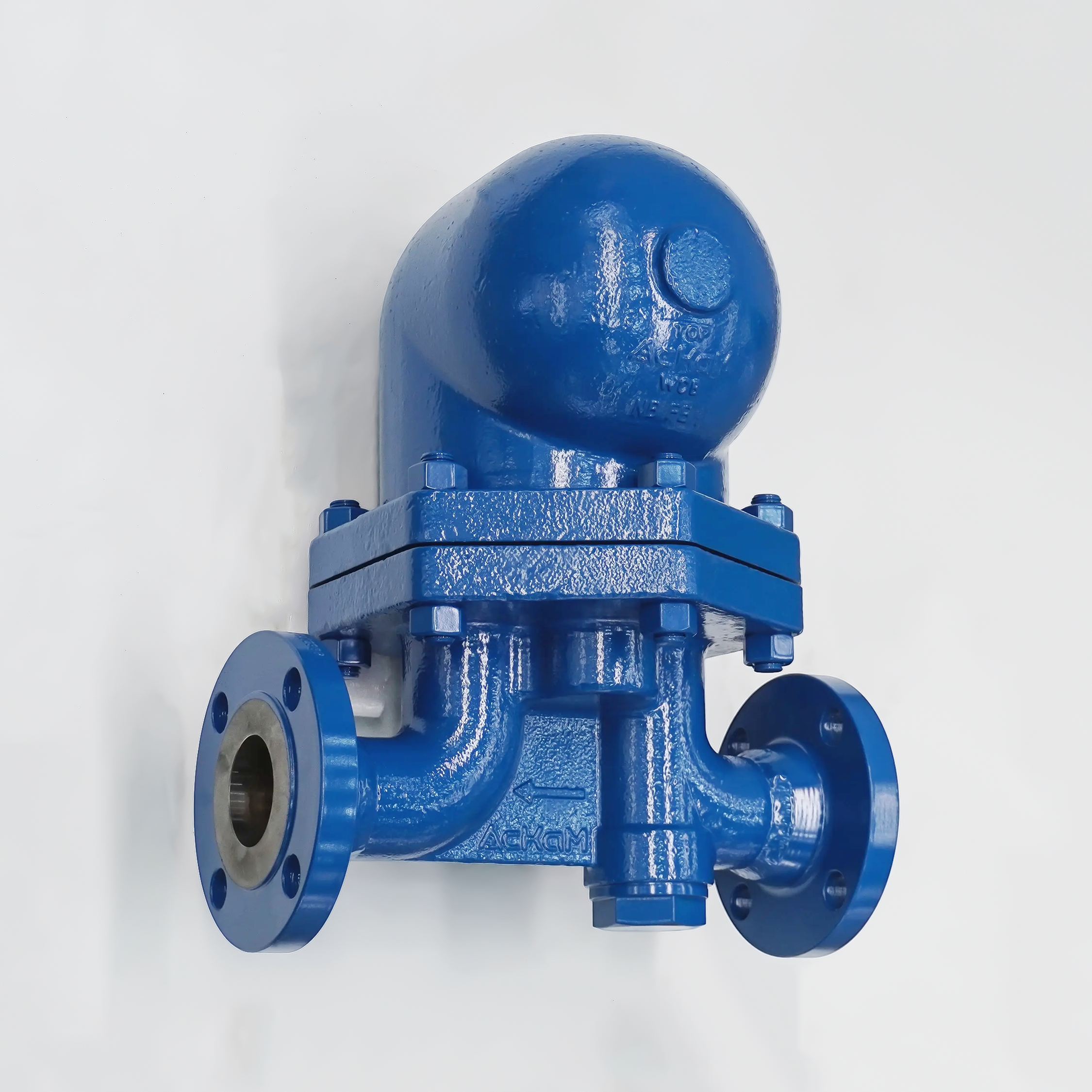
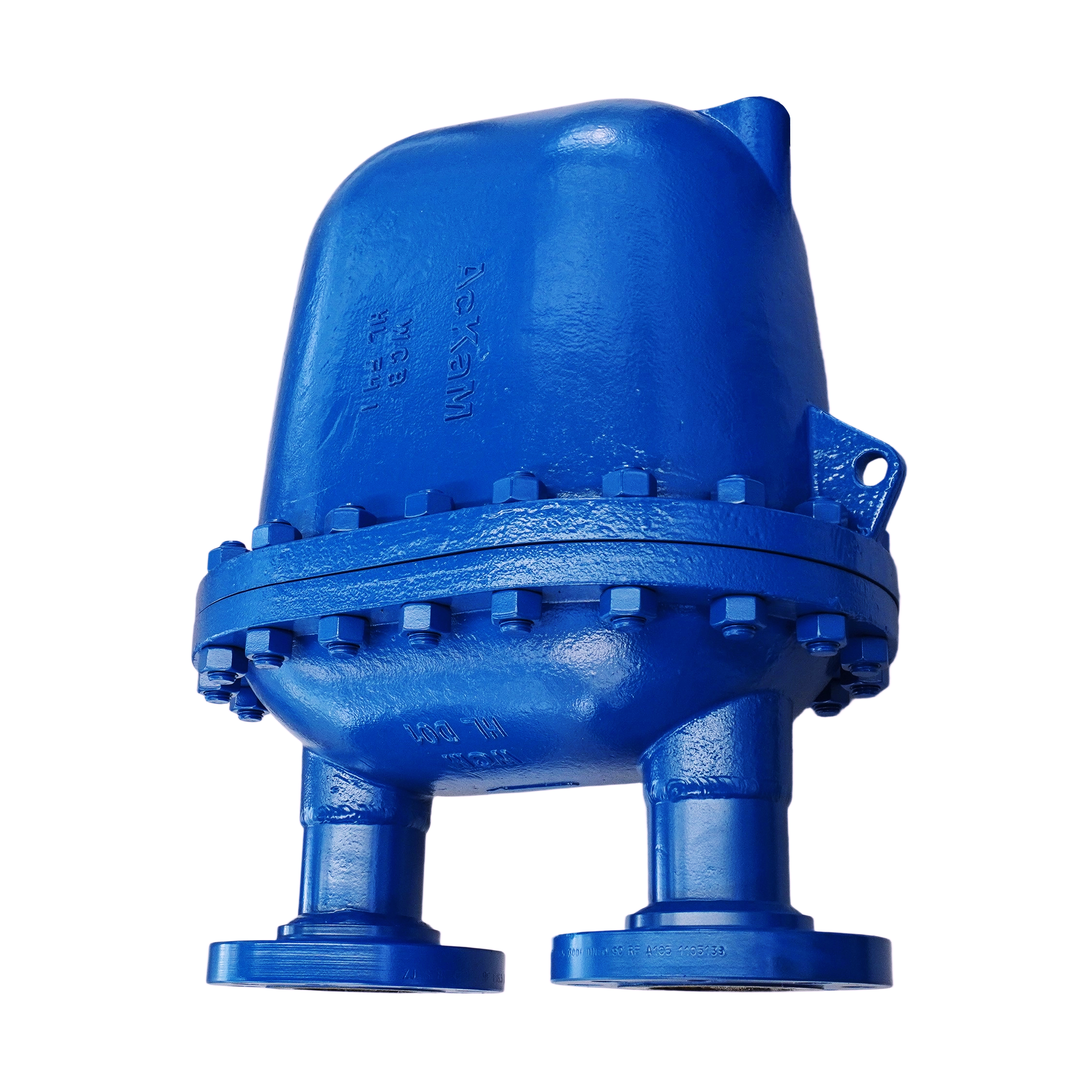
A condensate recovery system working mechanism represents a sophisticated approach to steam system optimization that captures, treats, and returns condensate to boilers for reuse. The condensate recovery system working process begins when steam performs its intended function in heating applications, industrial processes, or power generation, subsequently condensing back into water. This condensed water, known as condensate, contains valuable thermal energy and represents purified water that has already undergone treatment processes. The condensate recovery system working principle involves collecting this hot condensate through strategically positioned collection points, pumping mechanisms, and return lines that transport the recovered water back to the boiler feedwater system. Modern condensate recovery system working technologies incorporate advanced components including condensate pumps, flash steam recovery vessels, heat exchangers, and automated control systems that monitor temperature, pressure, and flow rates. The condensate recovery system working methodology ensures that recovered condensate maintains optimal quality through filtration systems that remove contaminants while preserving beneficial characteristics. Temperature maintenance becomes crucial during the condensate recovery system working process, as heat retention maximizes energy efficiency gains. The condensate recovery system working framework typically includes insulated return piping, vacuum systems for low-pressure applications, and pressure-boosting mechanisms for gravity-challenged installations. Integration capabilities allow condensate recovery system working solutions to interface with existing steam infrastructure while providing real-time monitoring through digital control panels. The condensate recovery system working approach addresses multiple operational challenges simultaneously, including water conservation, energy efficiency, and cost reduction, making it an essential component of sustainable industrial operations.