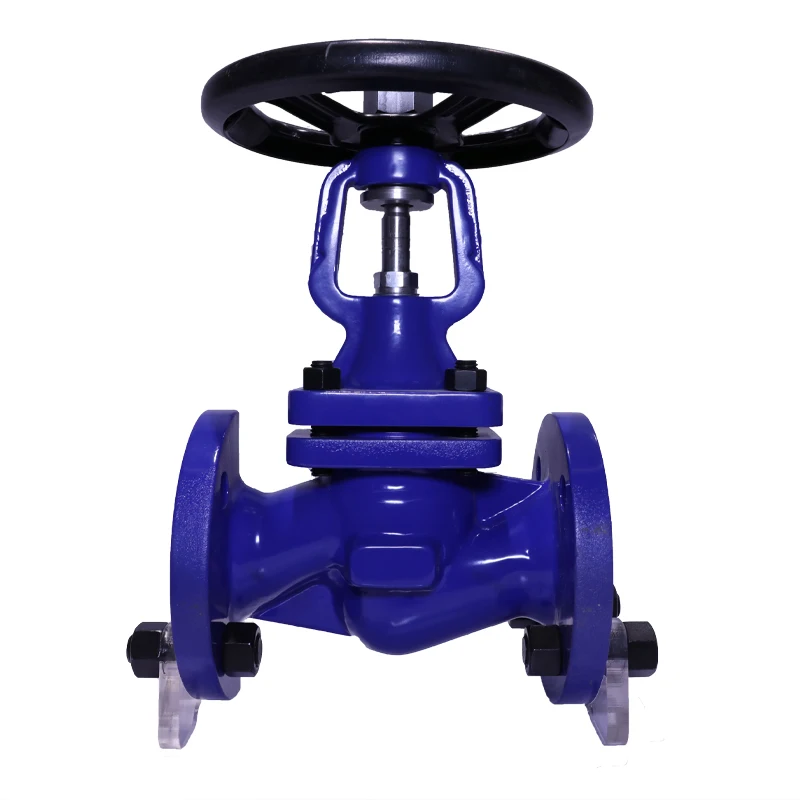
steam condensate recovery
Steam condensate recovery represents a critical component in modern industrial heating systems, designed to capture and reuse the valuable condensate formed when steam releases its latent heat. This sophisticated technology focuses on collecting the hot water byproduct that results from steam condensation in heating applications, radiators, heat exchangers, and various industrial processes. The primary function of steam condensate recovery systems involves intercepting condensate before it reaches waste drains, filtering out impurities, and returning the clean, heated water back to the boiler system for reuse. These systems typically incorporate specialized pumps, storage tanks, filtration mechanisms, and control systems that work together to maximize energy efficiency and reduce operational costs. The technological features of steam condensate recovery include automated monitoring capabilities that track condensate quality, temperature sensors that optimize return timing, and variable-speed pumps that adjust flow rates based on system demands. Advanced models feature corrosion-resistant materials, integrated water treatment components, and smart controls that integrate with building management systems. The applications for steam condensate recovery span numerous industries including manufacturing facilities, commercial buildings, hospitals, universities, food processing plants, and district heating systems. In manufacturing environments, these systems recover condensate from process heating applications, while in commercial buildings they capture condensate from space heating systems. Healthcare facilities utilize steam condensate recovery for sterilization processes and heating systems, while educational institutions benefit from the technology in dormitories and academic buildings. The versatility of steam condensate recovery makes it suitable for both new construction projects and retrofit applications in existing facilities.