Complete Condensate Return System Solutions - Energy Recovery & Cost Savings

All Categories

Get a Free Quote

Our representative will contact you soon.
Email
Name
Company Name
Message
0/1000

condensate return system

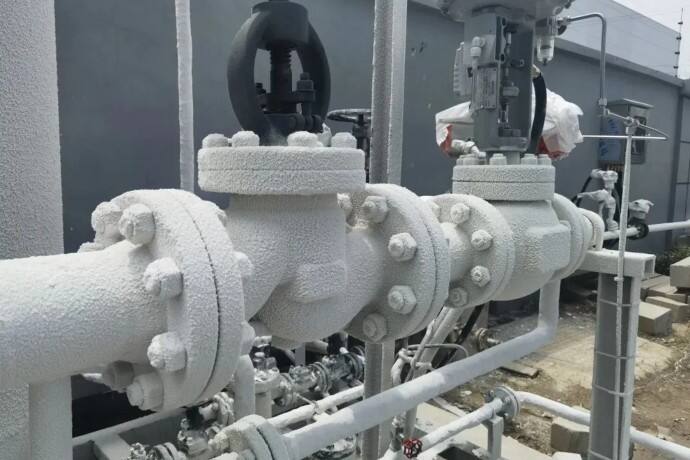
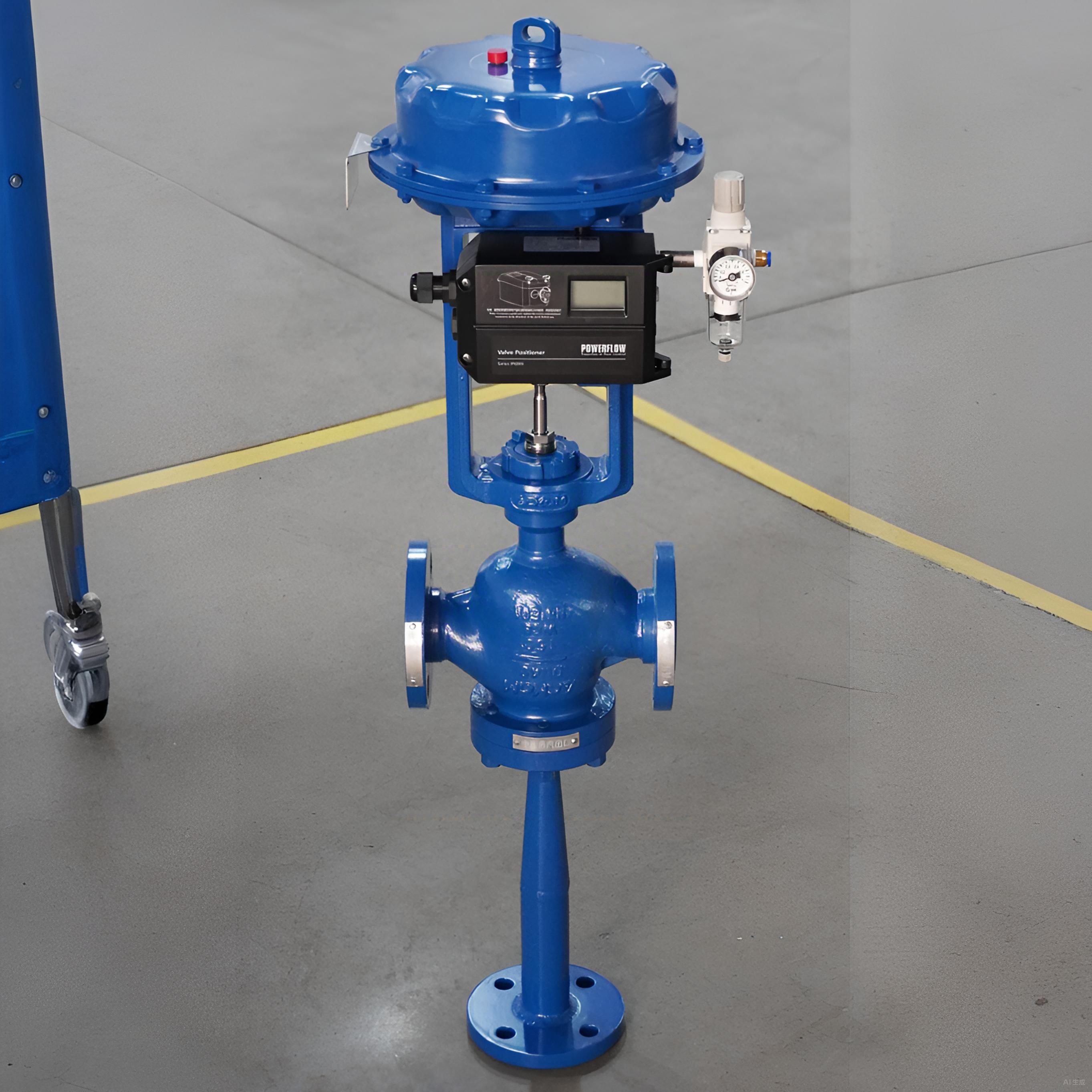
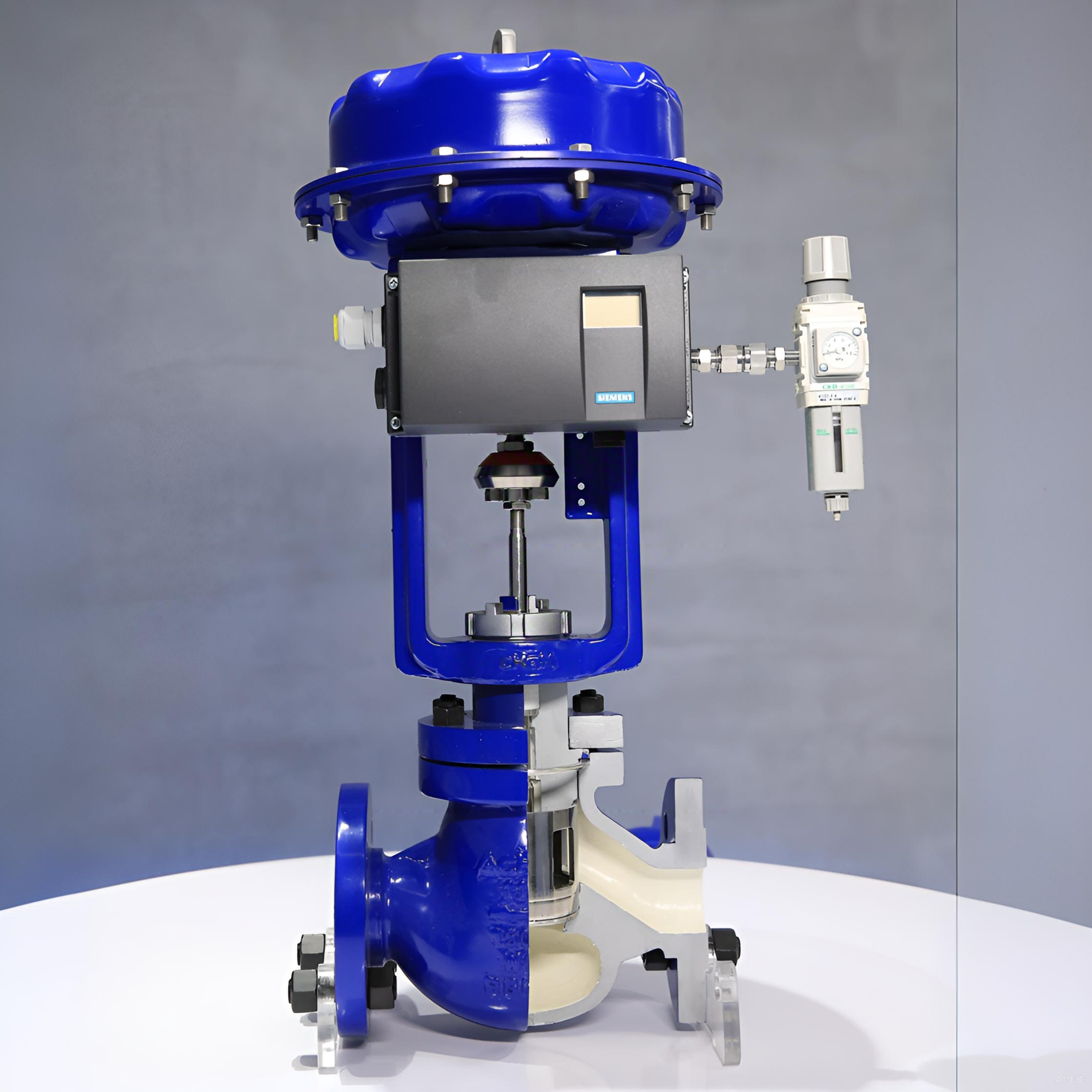
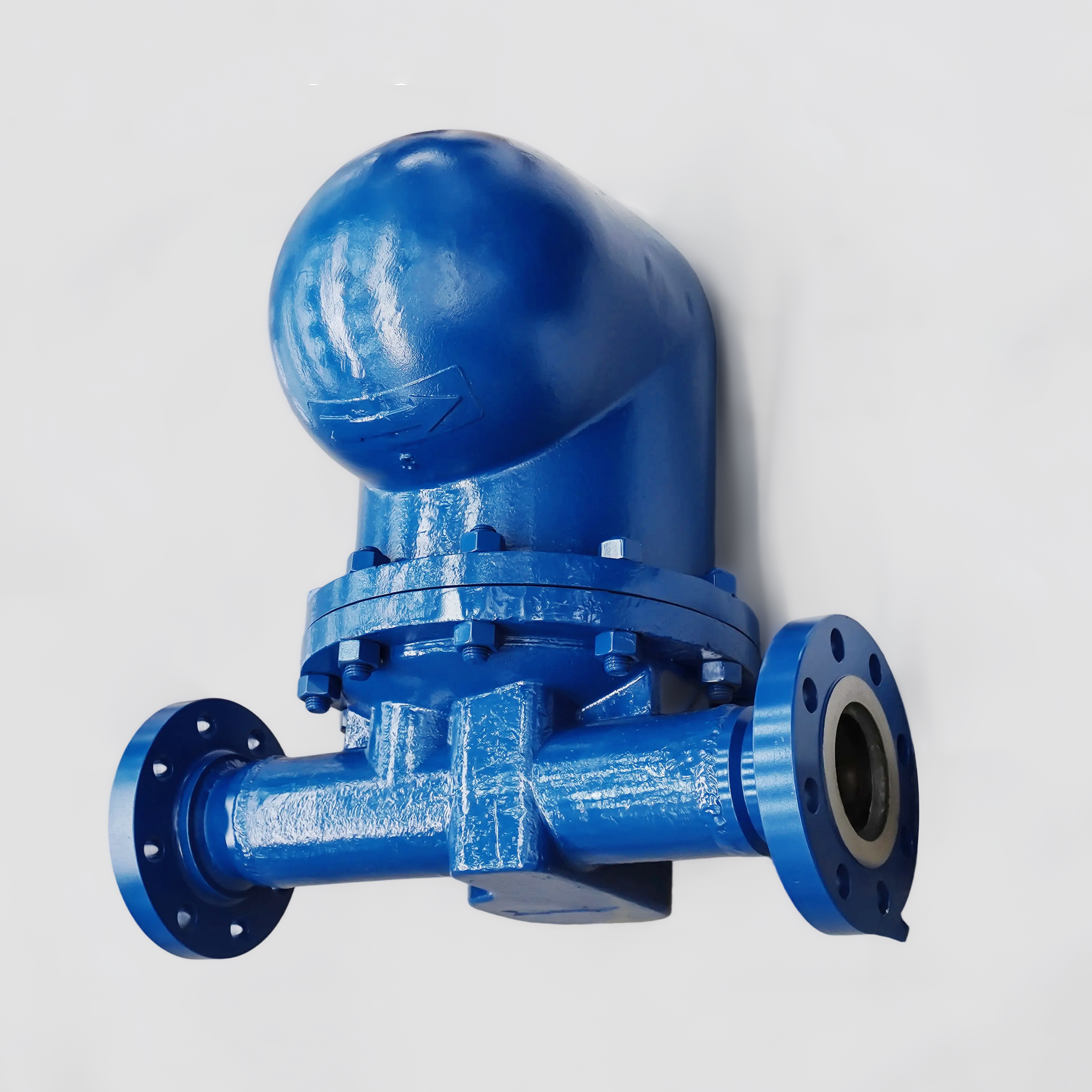
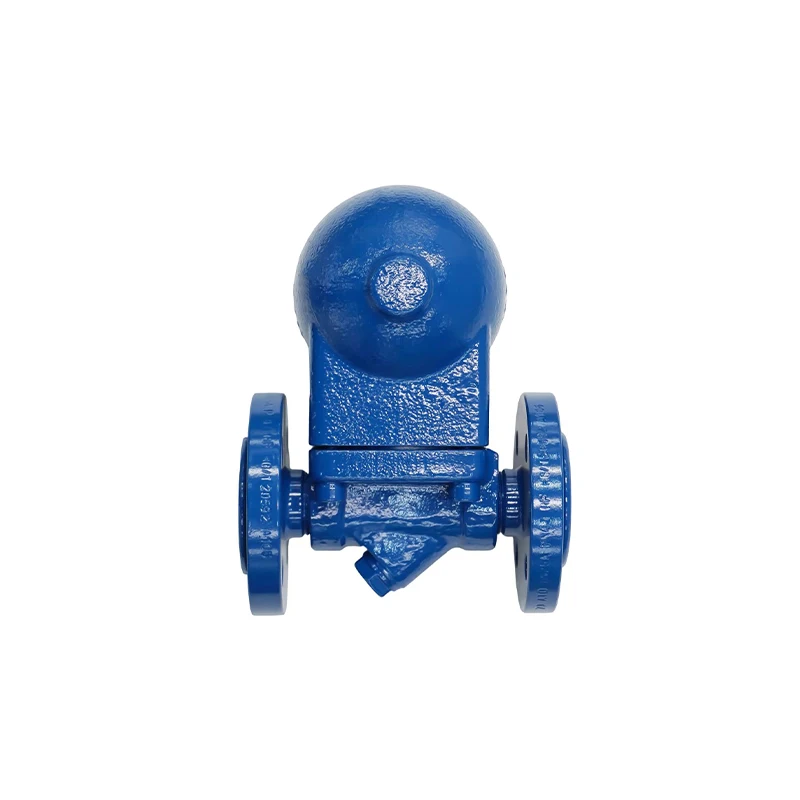
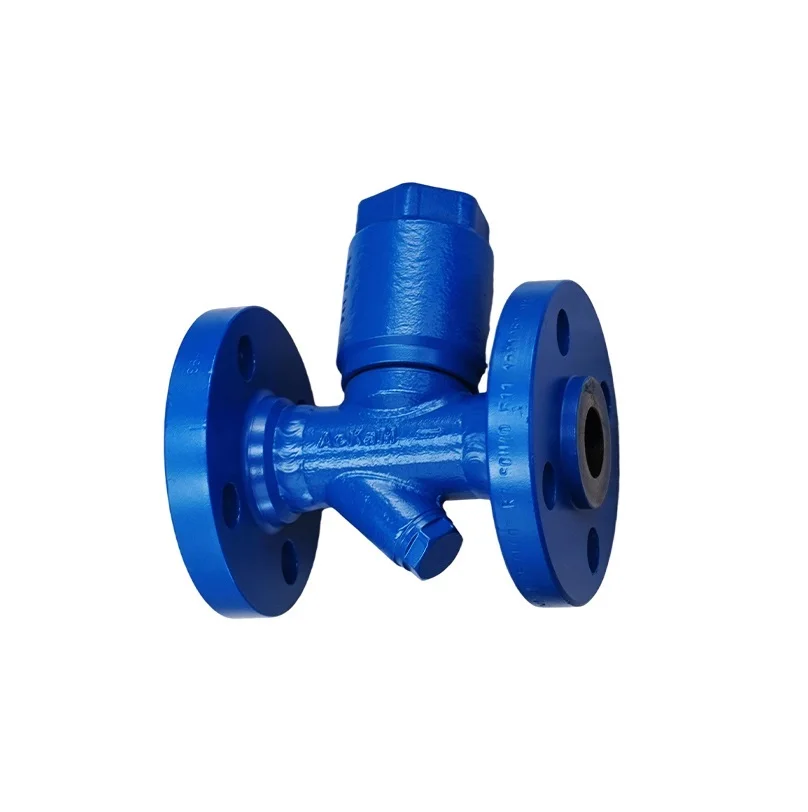
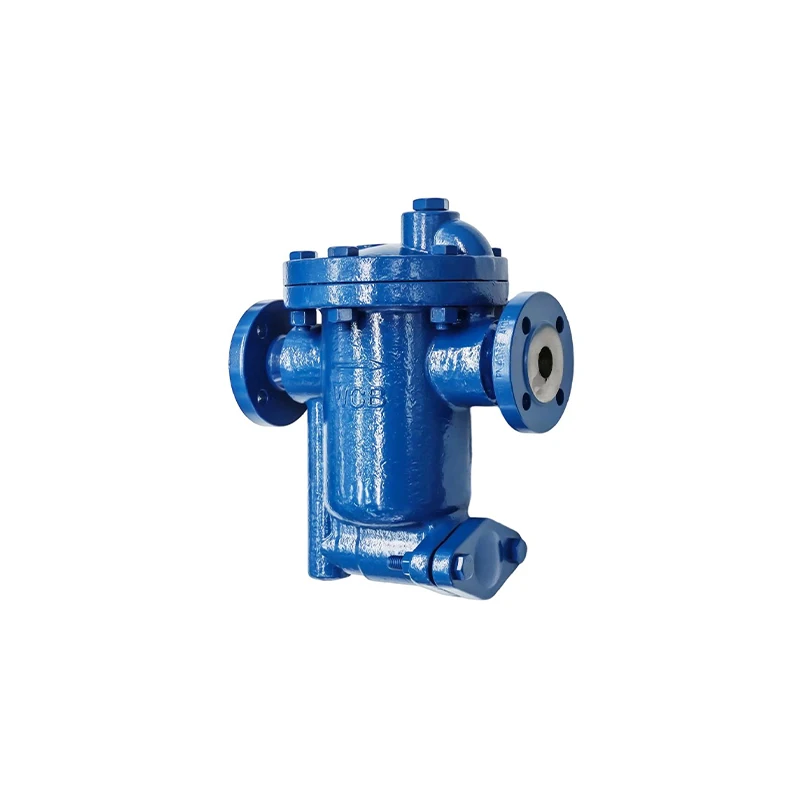
The condensate return system represents a critical component in industrial steam operations, designed to efficiently collect, treat, and return condensed steam back to the boiler for reuse. This sophisticated system captures valuable condensate water that forms when steam releases its latent heat during various industrial processes. By implementing a comprehensive condensate return system, facilities can significantly improve their energy efficiency while reducing operational costs and environmental impact. The primary function of a condensate return system involves collecting condensate from steam-using equipment such as heat exchangers, radiators, and process vessels. The system then transports this hot condensate back to the boiler feedwater tank through a network of return lines, pumps, and storage vessels. Modern condensate return systems incorporate advanced monitoring technologies that track flow rates, temperature levels, and water quality parameters to ensure optimal performance. The technological features of contemporary condensate return systems include automatic temperature control valves, steam traps for efficient condensate drainage, and specialized pumps designed to handle varying pressure conditions. These systems often integrate smart sensors and control modules that provide real-time data on system performance and maintenance requirements. Many installations feature redundant components to ensure continuous operation even during equipment maintenance or unexpected failures. Applications for condensate return systems span across numerous industries including manufacturing, chemical processing, food production, pharmaceuticals, and commercial heating installations. In manufacturing environments, these systems support production processes requiring precise temperature control and consistent steam quality. Chemical processing facilities rely on condensate return systems to maintain product quality while minimizing waste and energy consumption. The versatility of condensate return systems makes them essential for any operation utilizing steam as a heating or processing medium.
New Products

Installing a condensate return system delivers substantial cost savings through multiple pathways that directly impact your bottom line. The system recovers valuable hot water that would otherwise be wasted, reducing the need for fresh makeup water and associated treatment chemicals. This recovery process can save facilities thousands of dollars annually in water costs alone, especially in regions where water rates continue rising. The energy benefits prove equally compelling, as returned condensate retains significant thermal energy that reduces fuel consumption required for boiler operation. When hot condensate returns to the boiler, less energy is needed to heat the feedwater to steam temperature, creating immediate fuel cost reductions that compound over time. Environmental benefits extend beyond cost savings, as condensate return systems significantly reduce water consumption and wastewater discharge. This reduction helps facilities meet increasingly stringent environmental regulations while demonstrating corporate responsibility. Many organizations find that implementing these systems supports their sustainability goals and improves their environmental reporting metrics. The operational advantages include improved boiler efficiency through better water quality management, as returned condensate typically contains fewer dissolved minerals than fresh makeup water. This improved water quality reduces scaling and corrosion within boiler systems, extending equipment lifespan and reducing maintenance requirements. Productivity gains emerge from more consistent steam quality and pressure, enabling better process control and reduced downtime. Workers benefit from simplified operations, as modern condensate return systems require minimal manual intervention while providing automated monitoring and control capabilities. Quality improvements in steam-dependent processes become evident through more stable temperatures and pressures, leading to better product consistency and reduced waste. Safety enhancements include reduced manual handling of hot water and steam, along with automatic systems that prevent dangerous pressure buildups. The reliability of modern condensate return systems means fewer emergency repairs and unexpected shutdowns, protecting production schedules and customer commitments. Long-term financial benefits accumulate through extended equipment life, reduced maintenance costs, and improved energy efficiency ratings that may qualify for utility rebates or tax incentives.

Tips And Tricks

Soaring to New Heights: AcKaM Industrial Surges in Billion-Dollar Market with 200% H1 Sales Growth

04

Nov

Soaring to New Heights: AcKaM Industrial Surges in Billion-Dollar Market with 200% H1 Sales Growth

View More
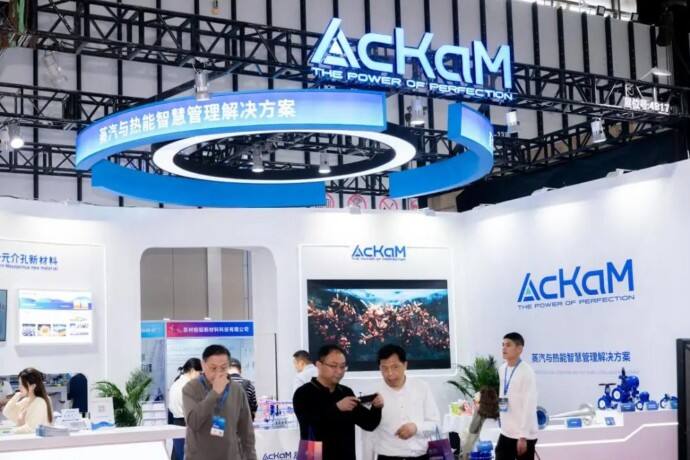
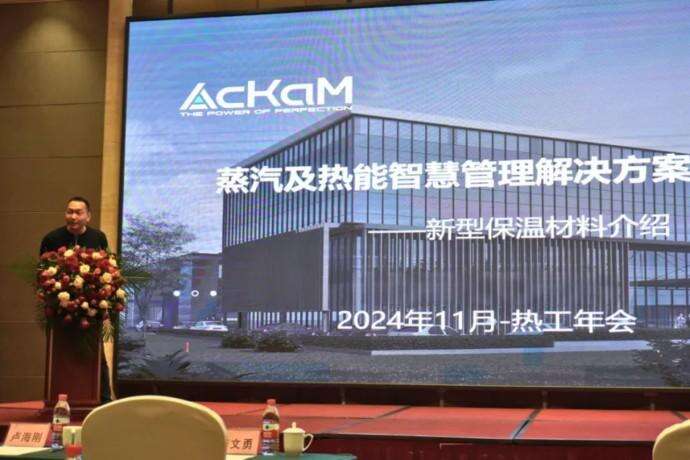
Innovation in Thermal Insulation Technology! AcKaM Delivers Keynote Speech at 2024 National Thermal Engineering Conference

05

Nov

Innovation in Thermal Insulation Technology! AcKaM Delivers Keynote Speech at 2024 National Thermal Engineering Conference

View More
AcKaM: Riding the Trillion-Yuan Wave to Pioneer Innovation

04

Nov

AcKaM: Riding the Trillion-Yuan Wave to Pioneer Innovation

View More

Get a Free Quote

Our representative will contact you soon.
Email
Name
Company Name
Message
0/1000

condensate return system

Advanced Energy Recovery Technology

Advanced Energy Recovery Technology

The sophisticated energy recovery capabilities of modern condensate return systems represent a breakthrough in industrial efficiency that transforms waste heat into valuable energy savings. This advanced technology captures the substantial thermal energy contained within condensate, which can reach temperatures of 180-200°F depending on system pressure conditions. Traditional systems that discharge this hot condensate waste enormous amounts of energy that must be replaced through additional fuel consumption. The condensate return system intelligently harnesses this thermal energy by routing the hot condensate directly back to the boiler feedwater system, where its retained heat reduces the energy required for steam generation. The technology incorporates sophisticated heat exchangers and insulated return lines that preserve thermal energy throughout the collection and transport process. Smart temperature monitoring systems ensure that condensate returns at optimal temperatures while preventing heat loss through strategic system design. Advanced pump systems maintain proper flow rates while minimizing energy consumption, using variable speed drives that adjust operation based on real-time demand. The energy recovery process can reduce boiler fuel consumption by 15-25%, translating to substantial cost savings and reduced carbon emissions. Facilities operating multiple shifts or continuous processes see even greater benefits, as the constant circulation of recovered thermal energy compounds savings throughout extended operating periods. The system's ability to maintain consistent condensate quality ensures that recovered energy comes with minimal treatment requirements, further enhancing overall efficiency. Integration capabilities allow the condensate return system to work seamlessly with existing boiler controls and energy management systems, optimizing performance across the entire steam generation cycle. This technology proves particularly valuable in industries with high steam demands, where even small percentage improvements in energy recovery translate to significant operational savings and environmental benefits.
Intelligent Water Quality Management

Intelligent Water Quality Management

The intelligent water quality management features of a condensate return system provide unprecedented control over feedwater conditions that directly impact boiler performance and longevity. This sophisticated system continuously monitors and maintains optimal water chemistry through automated treatment processes and real-time quality assessment. The technology recognizes that condensate typically contains significantly fewer dissolved minerals and contaminants compared to fresh makeup water, making recovered condensate an ideal boiler feedwater source. Advanced filtration components remove any accumulated impurities while preserving the beneficial characteristics of the condensate. The system employs multi-stage treatment processes that address specific water quality concerns including dissolved oxygen removal, pH balancing, and conductivity control. Automated chemical injection systems add precise amounts of treatment chemicals only when needed, eliminating waste while ensuring optimal water conditions. Smart sensors continuously analyze water quality parameters including total dissolved solids, hardness levels, and contamination indicators, providing operators with real-time data for informed decision-making. The condensate return system prevents the accumulation of harmful substances through strategic blowdown management and selective condensate routing that isolates potentially contaminated streams. Quality control mechanisms include automatic diversion valves that redirect substandard condensate for additional treatment or disposal, protecting boiler systems from damage. The technology incorporates learning algorithms that adapt treatment processes based on historical data and seasonal variations in water quality. Corrosion prevention measures built into the system protect both the condensate return infrastructure and connected boiler equipment through proper material selection and chemical treatment protocols. Documentation capabilities provide detailed water quality reports that support regulatory compliance and maintenance planning. The system's ability to maintain consistent, high-quality feedwater reduces boiler maintenance requirements, extends equipment lifespan, and improves steam purity for critical applications requiring precise process control.
Comprehensive Cost Reduction Framework

Comprehensive Cost Reduction Framework

The comprehensive cost reduction framework inherent in condensate return systems creates multiple streams of savings that significantly impact operational profitability while improving environmental performance. This multifaceted approach addresses water costs, energy expenses, maintenance requirements, and regulatory compliance through integrated system design and operation. Water cost reductions emerge immediately through decreased fresh water consumption, as the system recovers substantial quantities of high-quality condensate that would otherwise require replacement with treated makeup water. Facilities can reduce fresh water usage by 60-80% in many applications, creating substantial savings especially in areas with rising water costs or supply constraints. The framework incorporates energy cost reductions through thermal energy recovery that reduces fuel consumption for steam generation, with many installations achieving 15-25% reductions in boiler fuel usage. Chemical cost savings develop through reduced treatment requirements for recovered condensate compared to fresh makeup water, as condensate naturally contains fewer minerals and contaminants requiring expensive treatment processes. Maintenance cost reductions result from improved water quality that reduces scaling, corrosion, and deposit formation within boiler systems and connected equipment. The framework includes predictive maintenance capabilities that identify potential issues before they become costly repairs, extending equipment lifespan while reducing unexpected downtime. Labor cost savings emerge from automated system operation that reduces manual monitoring and adjustment requirements, allowing personnel to focus on higher-value activities. Waste disposal cost reductions develop through minimized blowdown requirements and reduced chemical usage that decreases hazardous waste generation. The system's regulatory compliance features help avoid costly fines while potentially qualifying facilities for environmental incentives or utility rebates. Insurance benefits may include reduced premiums due to improved safety features and automated monitoring that reduces accident risks. Long-term financial benefits accumulate through extended equipment life, improved energy efficiency ratings, and enhanced facility value that supports capital appreciation and financing opportunities for expansion or upgrades.

Get a Free Quote

Our representative will contact you soon.
Email
Name
Company Name
Message
0/1000