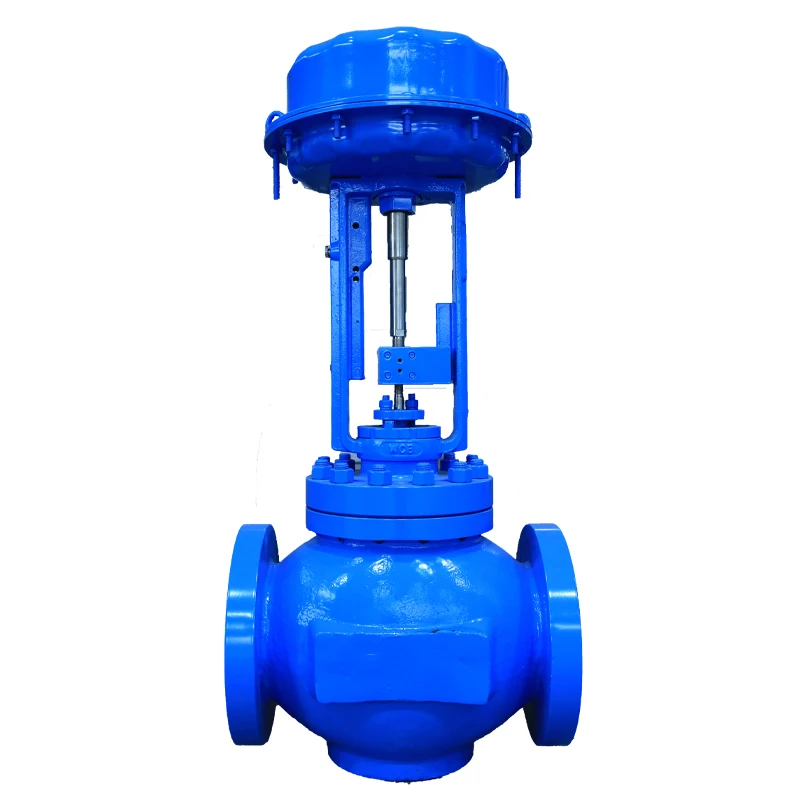
Industrial Condensate Recovery Systems for Boilers - Energy Efficient Water Conservation Solutions

All Categories

Get a Free Quote

Our representative will contact you soon.
Email
Name
Company Name
Message
0/1000

condensate recovery system in boiler

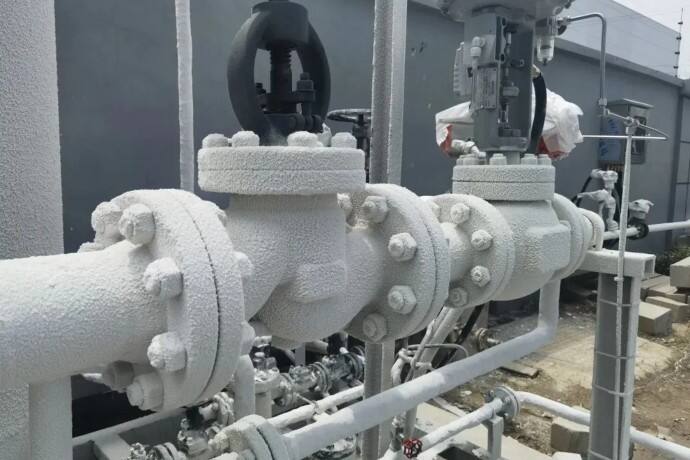
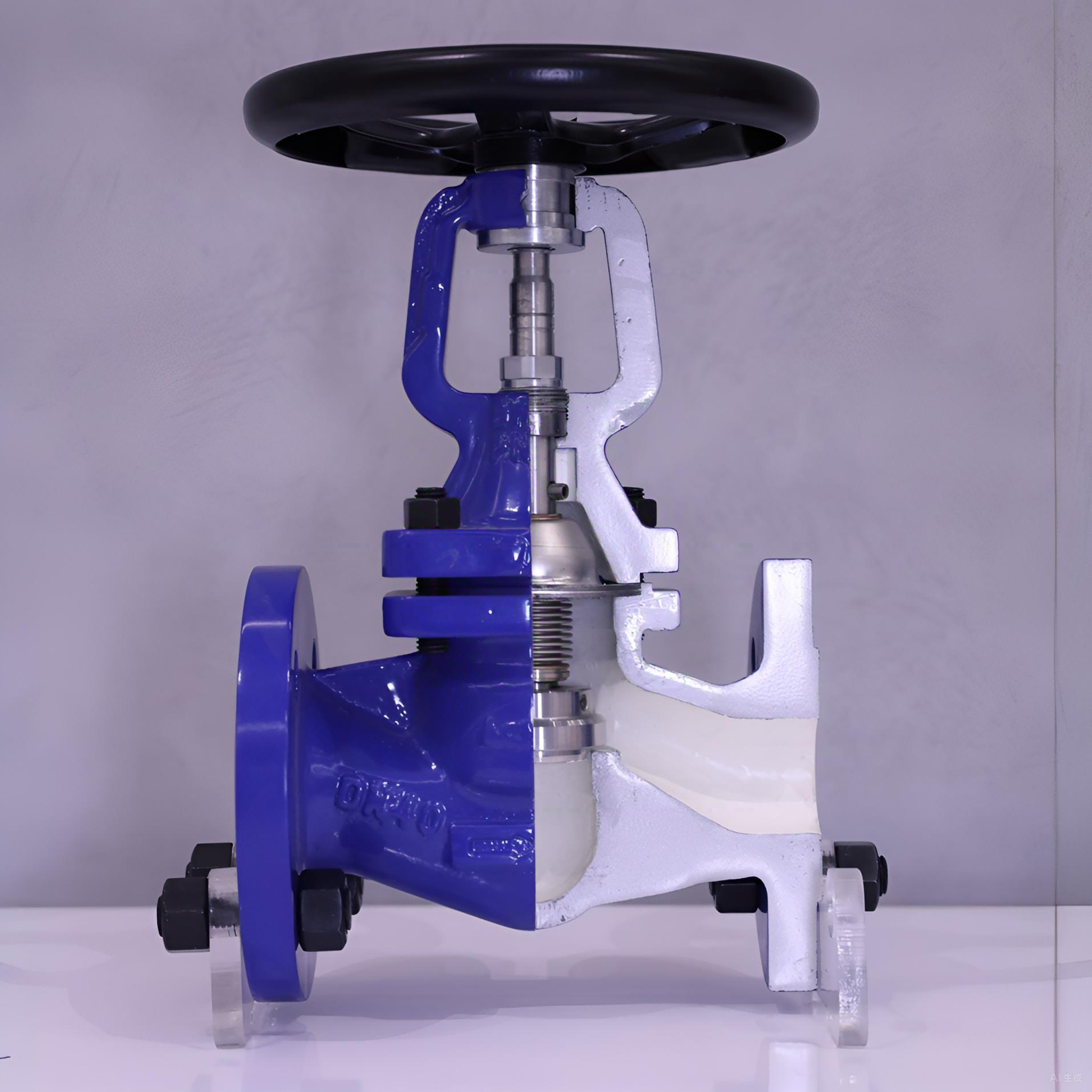
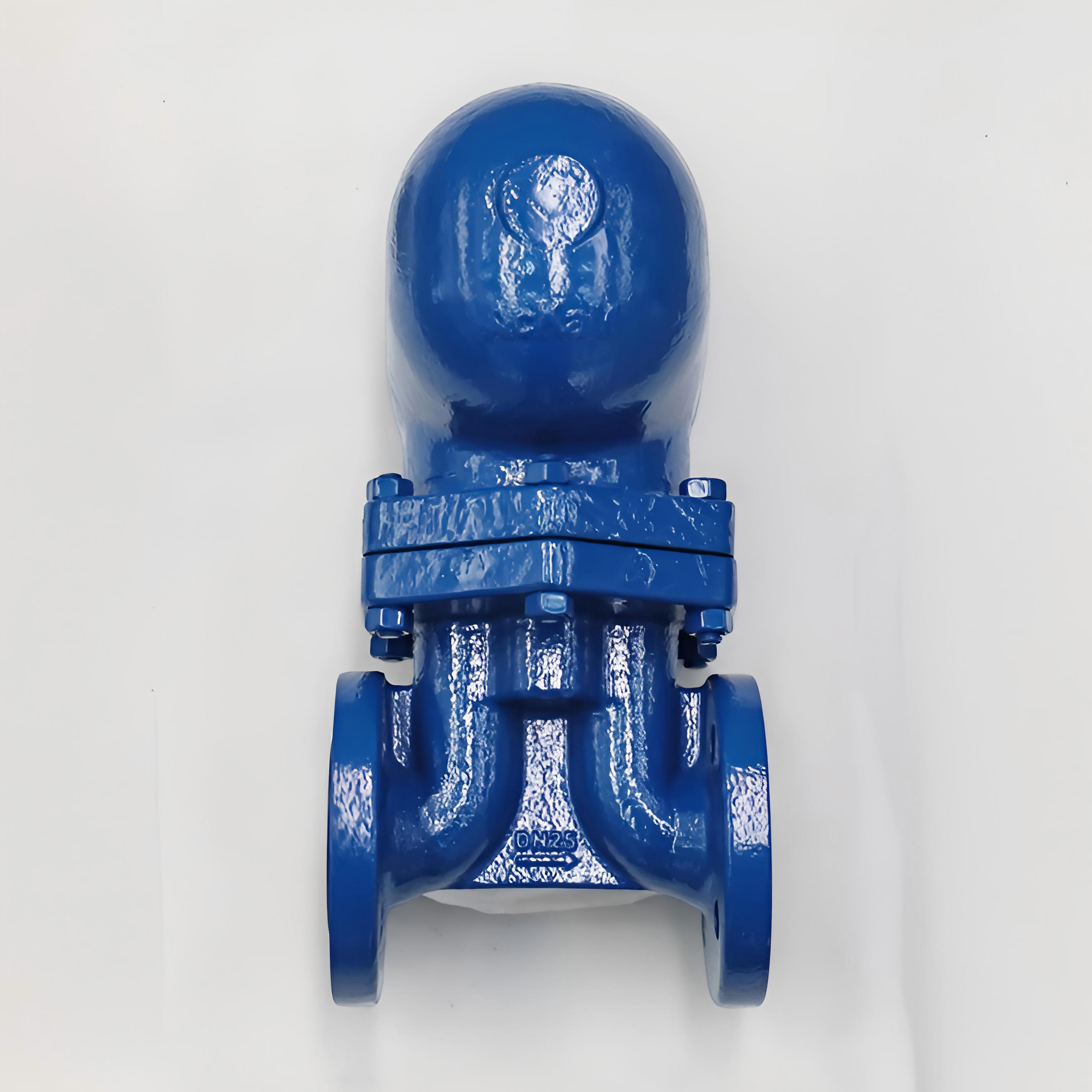
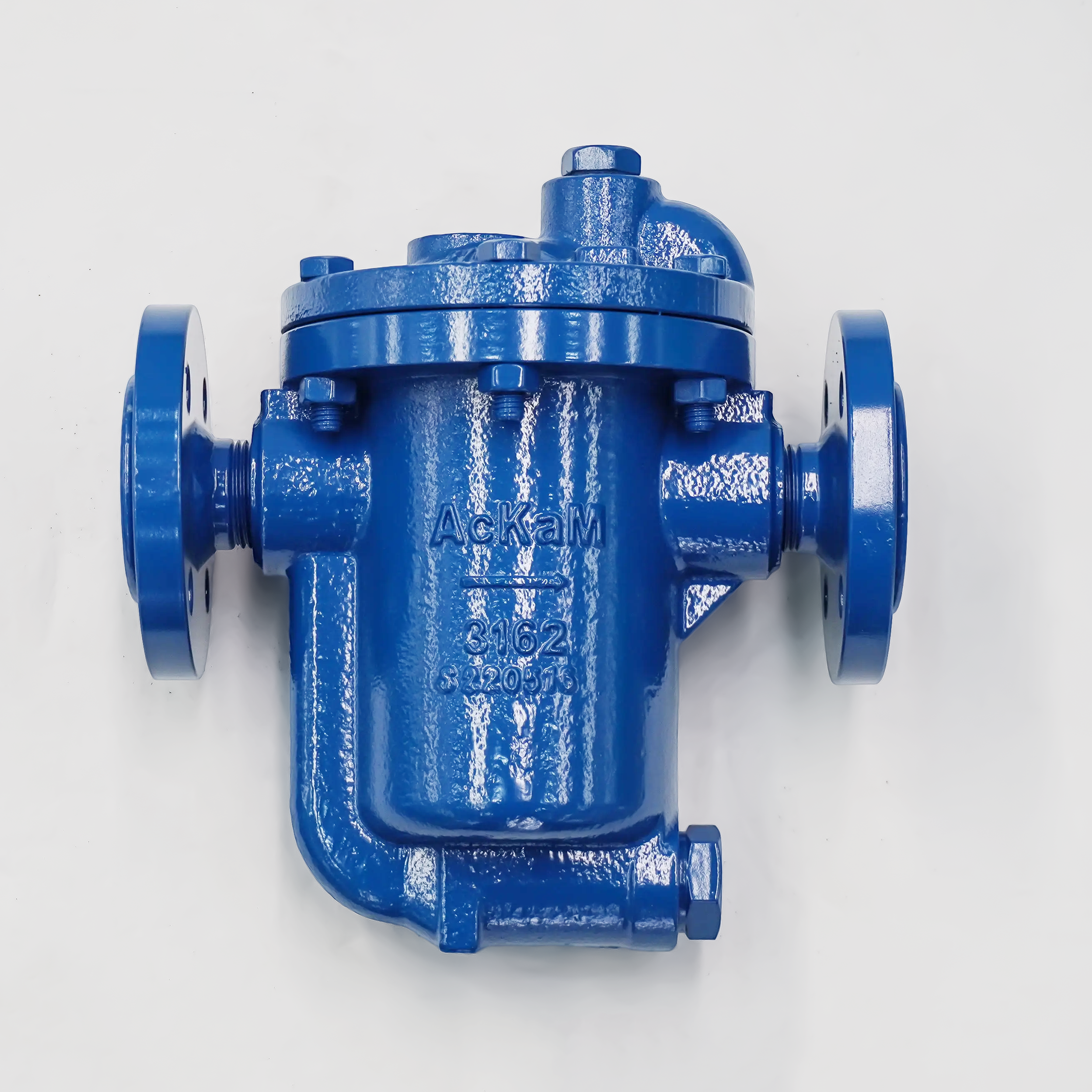
A condensate recovery system in boiler operations represents a crucial component that captures, treats, and returns valuable condensate water back to the boiler system for reuse. This sophisticated system works by collecting steam condensate that would otherwise be lost to waste, processing it through various treatment stages, and reintroducing it into the boiler feed water cycle. The primary function of a condensate recovery system in boiler applications involves maximizing energy efficiency while reducing operational costs through water conservation and heat recovery. The system typically consists of condensate receivers, pumps, heat exchangers, filtration units, and control mechanisms that work together to ensure optimal performance. Technologically, modern condensate recovery systems incorporate advanced sensors and automated controls that monitor water quality, temperature, and flow rates to maintain consistent operation. These systems feature corrosion-resistant materials, efficient pumping mechanisms, and sophisticated monitoring capabilities that ensure reliable performance under varying operational conditions. The technological design allows for seamless integration with existing boiler infrastructure while providing real-time data on system performance and efficiency metrics. Applications of condensate recovery systems in boiler installations span across numerous industries including manufacturing, food processing, pharmaceutical production, textile operations, and power generation facilities. In manufacturing environments, these systems help maintain consistent steam quality while reducing water consumption and energy costs. Food processing facilities benefit from the sanitary design features that prevent contamination while recovering valuable resources. Pharmaceutical applications require precise control over water purity, making advanced condensate recovery systems essential for maintaining product quality standards. The versatility of condensate recovery system in boiler applications makes them suitable for both small-scale operations and large industrial complexes. These systems can be customized to meet specific operational requirements, environmental regulations, and efficiency targets while providing long-term reliability and performance optimization.
New Products

The implementation of a condensate recovery system in boiler operations delivers significant financial benefits through substantial cost reductions in multiple operational areas. Companies typically experience immediate savings on water procurement costs as the system recovers and reuses up to 90 percent of condensate that would otherwise require fresh makeup water. This water conservation translates to lower utility bills and reduced dependency on external water sources, particularly valuable in regions facing water scarcity or high municipal water costs. Energy savings represent another major advantage, as recovered condensate retains substantial thermal energy that reduces fuel consumption required for heating fresh makeup water. The temperature of recovered condensate often ranges between 160-212 degrees Fahrenheit, providing significant preheating that can reduce boiler fuel consumption by 15-25 percent. This energy efficiency improvement directly impacts operational budgets while supporting sustainability initiatives and carbon footprint reduction goals. Maintenance costs decrease substantially when facilities install a condensate recovery system in boiler operations because the system reduces scale buildup, corrosion, and chemical treatment requirements. The consistent water quality provided by proper condensate recovery extends boiler equipment lifespan, reduces cleaning frequency, and minimizes unexpected downtime events. Chemical treatment costs drop significantly as recovered condensate typically requires fewer additives compared to fresh makeup water, which often contains minerals and impurities that necessitate extensive treatment. Environmental compliance becomes easier with condensate recovery systems as they reduce wastewater discharge, minimize chemical usage, and support regulatory requirements for water conservation and emissions reduction. Many facilities find that these systems help meet environmental certifications and sustainability reporting requirements while demonstrating corporate responsibility commitments. Production reliability improves through consistent steam quality and reduced risk of equipment failures related to water quality issues. The automated operation of modern condensate recovery systems minimizes manual intervention while providing continuous monitoring and optimization capabilities. Return on investment typically occurs within 12-24 months, making condensate recovery system in boiler installations an attractive financial proposition. Long-term operational benefits include improved process consistency, reduced emergency maintenance events, and enhanced overall system reliability that supports uninterrupted production schedules.

Latest News

Soaring to New Heights: AcKaM Industrial Surges in Billion-Dollar Market with 200% H1 Sales Growth

04

Nov

Soaring to New Heights: AcKaM Industrial Surges in Billion-Dollar Market with 200% H1 Sales Growth

View More
Innovation in Thermal Insulation Technology! AcKaM Delivers Keynote Speech at 2024 National Thermal Engineering Conference

05

Nov

Innovation in Thermal Insulation Technology! AcKaM Delivers Keynote Speech at 2024 National Thermal Engineering Conference

View More
AcKaM: Riding the Trillion-Yuan Wave to Pioneer Innovation

04

Nov

AcKaM: Riding the Trillion-Yuan Wave to Pioneer Innovation

View More

Get a Free Quote

Our representative will contact you soon.
Email
Name
Company Name
Message
0/1000

condensate recovery system in boiler

Advanced Water Conservation Technology

Advanced Water Conservation Technology

The water conservation capabilities of a condensate recovery system in boiler applications represent one of the most compelling features for modern industrial operations. This technology captures and processes condensate that traditionally flows to waste drains, transforming it into high-quality feed water suitable for immediate reuse in boiler operations. The system employs sophisticated collection networks that gather condensate from steam traps, heat exchangers, and process equipment throughout the facility, ensuring maximum recovery rates while maintaining water quality standards. Advanced filtration and treatment components remove contaminants, dissolved gases, and particulate matter that could potentially damage boiler equipment or compromise steam quality. The recovery process typically achieves 85-95 percent efficiency rates, meaning facilities can dramatically reduce their dependence on fresh makeup water while maintaining optimal boiler performance. This water conservation technology becomes particularly valuable in industrial settings where steam consumption reaches thousands of gallons per hour, as even modest percentage improvements in recovery rates translate to substantial water savings. The environmental impact extends beyond simple conservation, as reduced water consumption decreases strain on local water resources and minimizes wastewater discharge volumes. Facilities operating in water-stressed regions find these systems essential for maintaining production capacity while adhering to water usage restrictions and environmental regulations. The technology incorporates smart monitoring systems that track water quality parameters, flow rates, and system efficiency in real-time, providing operators with detailed insights into conservation performance and optimization opportunities. Modern condensate recovery system in boiler installations feature automated controls that adjust operation parameters based on demand fluctuations, seasonal variations, and production schedules to maximize conservation benefits. The technology also supports corporate sustainability initiatives by providing measurable water savings data that can be incorporated into environmental reporting and certification processes. Long-term water conservation benefits include reduced infrastructure costs for water treatment facilities, lower sewage fees, and decreased risk of production disruptions due to water supply interruptions or restrictions.
Energy Recovery and Thermal Efficiency Optimization

Energy Recovery and Thermal Efficiency Optimization

Energy recovery represents a fundamental advantage of implementing a condensate recovery system in boiler operations, delivering measurable improvements in thermal efficiency that directly impact operational costs and environmental performance. The system captures the substantial thermal energy contained within steam condensate, which typically retains 10-15 percent of the original steam energy even after completing its intended process work. This recovered thermal energy significantly reduces the fuel requirements for heating fresh makeup water, as condensate temperatures often range from 160-212 degrees Fahrenheit compared to ambient temperature fresh water that may require heating from 50-70 degrees Fahrenheit. The energy savings compound throughout daily operations, with facilities reporting fuel consumption reductions of 15-25 percent when properly implemented condensate recovery systems replace traditional makeup water heating processes. Modern energy recovery systems incorporate heat exchangers and thermal storage capabilities that optimize energy utilization by matching recovered heat availability with demand patterns throughout production cycles. The technology prevents energy waste through insulated piping systems, efficient heat transfer mechanisms, and automated controls that minimize heat loss during collection and transport processes. Advanced condensate recovery system in boiler installations feature variable-speed pumps and smart controls that optimize energy consumption based on real-time demand while maintaining consistent performance standards. The thermal efficiency improvements extend beyond simple energy recovery to include enhanced steam quality and more stable boiler operation, as preheated feed water reduces thermal shock and improves combustion efficiency. Energy monitoring capabilities provide detailed tracking of recovery performance, fuel savings, and efficiency metrics that support continuous improvement initiatives and energy management programs. The environmental benefits of improved energy efficiency include reduced greenhouse gas emissions, lower carbon footprint measurements, and support for corporate sustainability goals and regulatory compliance requirements. Long-term energy recovery benefits encompass reduced dependence on fossil fuels, improved energy security, and enhanced competitiveness through lower operational energy costs that provide sustainable advantages in marketplace competition.
Automated System Integration and Smart Controls

Automated System Integration and Smart Controls

The automated integration capabilities of modern condensate recovery system in boiler operations provide seamless connectivity with existing facility infrastructure while delivering intelligent control features that optimize performance without requiring constant manual supervision. Advanced control systems incorporate programmable logic controllers, human-machine interfaces, and sophisticated sensor networks that monitor system performance parameters including flow rates, temperatures, pressures, and water quality indicators in real-time. These intelligent systems automatically adjust pump speeds, valve positions, and treatment processes based on demand fluctuations, operational conditions, and predetermined optimization algorithms that maximize recovery efficiency while maintaining safety standards. The integration technology supports connection with existing building management systems, distributed control systems, and enterprise resource planning platforms, enabling centralized monitoring and control capabilities that streamline facility operations. Smart diagnostic features continuously analyze system performance data to identify potential issues before they impact operations, providing predictive maintenance capabilities that reduce unexpected downtime and extend equipment lifespan. Modern condensate recovery system in boiler installations feature remote monitoring capabilities that allow operators to access performance data, adjust settings, and receive alerts from mobile devices or remote locations, supporting flexible operational management and rapid response to changing conditions. The automated systems incorporate safety interlocks and fail-safe mechanisms that protect equipment and personnel while ensuring consistent operation even during abnormal conditions or temporary system disruptions. Advanced data logging and reporting capabilities provide detailed performance histories, efficiency trends, and maintenance scheduling information that supports optimization efforts and regulatory compliance documentation. The integration technology enables seamless coordination between condensate recovery operations and overall boiler system management, ensuring optimal performance across all components while minimizing energy consumption and operational costs. Customizable control interfaces allow operators to configure system parameters, alarm settings, and reporting features to match specific operational requirements and facility management preferences. The intelligent automation reduces labor requirements for system monitoring and maintenance while providing enhanced operational visibility and control capabilities that support continuous improvement initiatives and long-term performance optimization strategies.

Get a Free Quote

Our representative will contact you soon.
Email
Name
Company Name
Message
0/1000