Condensate Heat Recovery Systems - Advanced Energy Efficiency Solutions for Industrial and Commercial Applications

All Categories

Get a Free Quote

Our representative will contact you soon.
Email
Name
Company Name
Message
0/1000

condensate heat recovery

Condensate heat recovery represents a cutting-edge energy efficiency technology that captures and utilizes waste heat from steam condensation processes in industrial and commercial facilities. This innovative system operates by intercepting hot condensate water that would otherwise be discharged as waste, extracting its valuable thermal energy, and redirecting it back into operational processes. The primary function of condensate heat recovery involves maximizing energy utilization by preventing heat loss that occurs when hot condensate is released to drains or cooling systems. The technology employs sophisticated heat exchangers, thermal sensors, and automated control systems to monitor condensate temperatures and flow rates continuously. These systems typically feature stainless steel construction for durability and corrosion resistance, ensuring long-term reliability in demanding industrial environments. Advanced condensate heat recovery units incorporate variable speed pumps, temperature controllers, and pressure regulation mechanisms that optimize performance across different operational conditions. The technology finds extensive applications across manufacturing facilities, food processing plants, pharmaceutical production, textile mills, and commercial buildings with significant steam usage. In HVAC systems, condensate heat recovery enhances overall system efficiency by preheating incoming fresh air or domestic hot water supplies. Industrial applications include steam boiler feedwater preheating, process water warming, and space heating augmentation. The system's modular design allows for scalable implementation, accommodating facilities ranging from small commercial buildings to large industrial complexes. Modern condensate heat recovery solutions integrate seamlessly with existing infrastructure, requiring minimal modifications to current steam distribution networks. Smart monitoring capabilities enable remote system oversight, performance tracking, and predictive maintenance scheduling, ensuring optimal operational efficiency throughout the system's lifecycle.

New Product Releases

Condensate heat recovery delivers substantial financial benefits by dramatically reducing energy consumption and operational costs for businesses across various industries. Organizations implementing this technology typically achieve energy savings ranging from fifteen to thirty percent on their heating requirements, translating directly into reduced utility bills and improved profit margins. The system captures waste heat that would otherwise be lost, converting it into usable energy for preheating applications, process heating, or space conditioning needs. This efficient heat utilization significantly decreases dependency on primary energy sources, whether natural gas, electricity, or other fuels, providing immediate cost relief and long-term financial advantages. Environmental benefits represent another compelling advantage, as condensate heat recovery systems substantially reduce greenhouse gas emissions and carbon footprints. By maximizing energy efficiency and minimizing waste heat discharge, facilities contribute to sustainable operations while meeting increasingly stringent environmental regulations and corporate sustainability goals. The technology supports green building certifications and environmental compliance requirements, enhancing corporate reputation and stakeholder confidence. Installation and maintenance advantages make condensate heat recovery particularly attractive for facility managers and engineers. These systems require minimal modifications to existing infrastructure, often integrating seamlessly with current steam and heating networks without extensive downtime or operational disruption. The robust construction and reliable components ensure long service life with minimal maintenance requirements, reducing ongoing operational overhead. Automated controls and monitoring systems provide real-time performance data, enabling proactive maintenance scheduling and preventing costly equipment failures. Operational flexibility represents a key advantage, as condensate heat recovery systems adapt to varying load conditions and seasonal demands automatically. Advanced control systems optimize performance based on real-time conditions, ensuring maximum efficiency regardless of operational fluctuations. The technology enhances overall system reliability by reducing thermal stress on existing equipment and extending the lifespan of steam system components. Quick payback periods, typically ranging from two to five years depending on energy costs and usage patterns, make condensate heat recovery an attractive investment for cost-conscious organizations seeking immediate returns on capital expenditures.

Latest News

Soaring to New Heights: AcKaM Industrial Surges in Billion-Dollar Market with 200% H1 Sales Growth

04

Nov

Soaring to New Heights: AcKaM Industrial Surges in Billion-Dollar Market with 200% H1 Sales Growth

View More
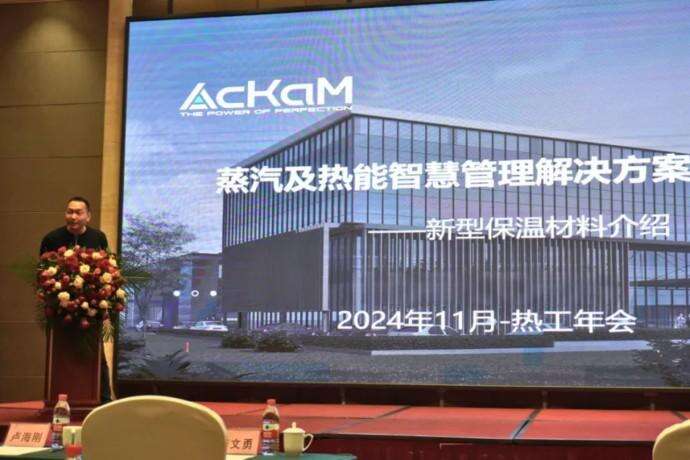
Innovation in Thermal Insulation Technology! AcKaM Delivers Keynote Speech at 2024 National Thermal Engineering Conference

05

Nov

Innovation in Thermal Insulation Technology! AcKaM Delivers Keynote Speech at 2024 National Thermal Engineering Conference

View More
AcKaM: Riding the Trillion-Yuan Wave to Pioneer Innovation

04

Nov

AcKaM: Riding the Trillion-Yuan Wave to Pioneer Innovation

View More

Get a Free Quote

Our representative will contact you soon.
Email
Name
Company Name
Message
0/1000

condensate heat recovery

Maximum Energy Efficiency Through Advanced Heat Exchange Technology

Maximum Energy Efficiency Through Advanced Heat Exchange Technology

The cornerstone of effective condensate heat recovery lies in its sophisticated heat exchange technology that maximizes thermal energy capture from hot condensate streams. This advanced system employs high-efficiency heat exchangers designed with enhanced surface area configurations and optimized flow patterns to achieve superior heat transfer rates. The technology utilizes counter-flow heat exchange principles, where hot condensate flows in opposition to the fluid being heated, creating maximum temperature differential and optimal thermal efficiency. Specialized heat exchanger designs incorporate turbulence-inducing features that increase heat transfer coefficients while maintaining low pressure drops, ensuring efficient operation without compromising system performance. The materials used in construction include high-grade stainless steel and copper alloys that provide excellent thermal conductivity while resisting corrosion and scaling that could degrade performance over time. Advanced condensate heat recovery systems feature variable geometry heat exchangers that automatically adjust to different load conditions, maintaining peak efficiency across varying operational demands. Smart control algorithms continuously monitor inlet and outlet temperatures, flow rates, and pressure differentials to optimize heat exchange performance in real-time. The technology incorporates fouling-resistant designs with smooth heat transfer surfaces and strategic flow velocities that minimize deposit accumulation and maintain consistent thermal performance. Regular cleaning cycles and self-monitoring capabilities ensure sustained efficiency throughout the system's operational life. This sophisticated heat exchange technology delivers exceptional thermal efficiency ratings often exceeding eighty-five percent, meaning the vast majority of available waste heat is successfully captured and utilized rather than lost to the environment. The result is dramatic energy savings that directly impact operational costs while supporting environmental sustainability goals through reduced energy consumption and lower emissions.
Intelligent Control Systems for Optimal Performance Management

Intelligent Control Systems for Optimal Performance Management

Modern condensate heat recovery systems incorporate intelligent control technologies that automatically optimize performance while providing comprehensive monitoring and diagnostic capabilities for facility managers. These advanced control systems utilize sophisticated algorithms and sensor networks to continuously assess operational parameters including condensate temperature, flow rates, pressure levels, and heat exchange efficiency. The intelligent controls automatically adjust system components such as pumps, valves, and bypass mechanisms to maintain optimal heat recovery performance under varying load conditions and operational demands. Real-time data processing capabilities enable the system to respond instantly to changes in condensate availability or heating requirements, ensuring maximum energy capture without manual intervention. The control interface provides intuitive dashboards that display key performance metrics, energy savings calculations, and system status information in user-friendly formats accessible to operators and maintenance personnel. Advanced diagnostic features monitor component health and performance trends, providing early warning alerts for potential issues before they impact system operation or efficiency. Predictive maintenance algorithms analyze operational data patterns to recommend optimal maintenance schedules and identify components requiring attention, reducing unplanned downtime and extending equipment lifespan. Remote monitoring capabilities allow facility managers to oversee condensate heat recovery performance from anywhere using web-based interfaces or mobile applications, enabling proactive management and quick response to system alerts. Integration capabilities connect the control system with existing building management systems, SCADA networks, or energy management platforms, providing centralized oversight of facility energy systems. Historical data logging and trending features support energy auditing, performance verification, and continuous improvement initiatives. The intelligent control system also incorporates safety features that automatically protect equipment from potentially damaging conditions such as excessive temperatures, pressure fluctuations, or flow irregularities, ensuring reliable long-term operation while safeguarding capital investments.
Versatile Applications Across Multiple Industry Sectors

Versatile Applications Across Multiple Industry Sectors

Condensate heat recovery technology demonstrates remarkable versatility through its successful implementation across diverse industry sectors, each benefiting from customized solutions tailored to specific operational requirements and heating demands. In manufacturing facilities, condensate heat recovery systems capture waste heat from production processes, steam-powered equipment, and industrial boilers to preheat process water, support space heating, or augment other thermal applications. Food processing plants utilize this technology to recover heat from cooking, sterilization, and cleaning operations, redirecting captured thermal energy toward ingredient preparation, facility heating, or hot water production for sanitation processes. Pharmaceutical manufacturing benefits significantly from condensate heat recovery applications that support stringent temperature control requirements while maintaining energy efficiency and regulatory compliance standards. The technology proves equally valuable in commercial buildings where steam-based heating systems generate substantial condensate volumes that can be recovered to support domestic hot water production, space heating augmentation, or HVAC system preheating functions. Healthcare facilities implement condensate heat recovery to support laundry operations, sterilization processes, and facility heating while maintaining the precise environmental controls required for patient care and medical procedures. Educational institutions utilize the technology to reduce energy costs associated with campus heating, cafeteria operations, and laboratory facilities that require consistent hot water supplies. Textile manufacturing plants benefit from condensate heat recovery systems that capture waste heat from dyeing processes, steam pressing operations, and facility heating systems, redirecting recovered energy toward process water heating or workspace conditioning. Chemical processing facilities implement specialized condensate heat recovery solutions designed to handle potentially corrosive condensate streams while maximizing energy recovery from complex industrial processes. The technology adapts seamlessly to different scales of operation, from small commercial applications recovering heat from individual steam units to large industrial installations managing multiple condensate sources across extensive facility networks. This versatility ensures that virtually any organization utilizing steam-based processes can implement condensate heat recovery technology to achieve significant energy savings and operational improvements regardless of industry sector or facility size.
Get a Free Quote

Our representative will contact you soon.
Email
Name
Company Name
Message
0/1000