steam boiler condensate recovery system
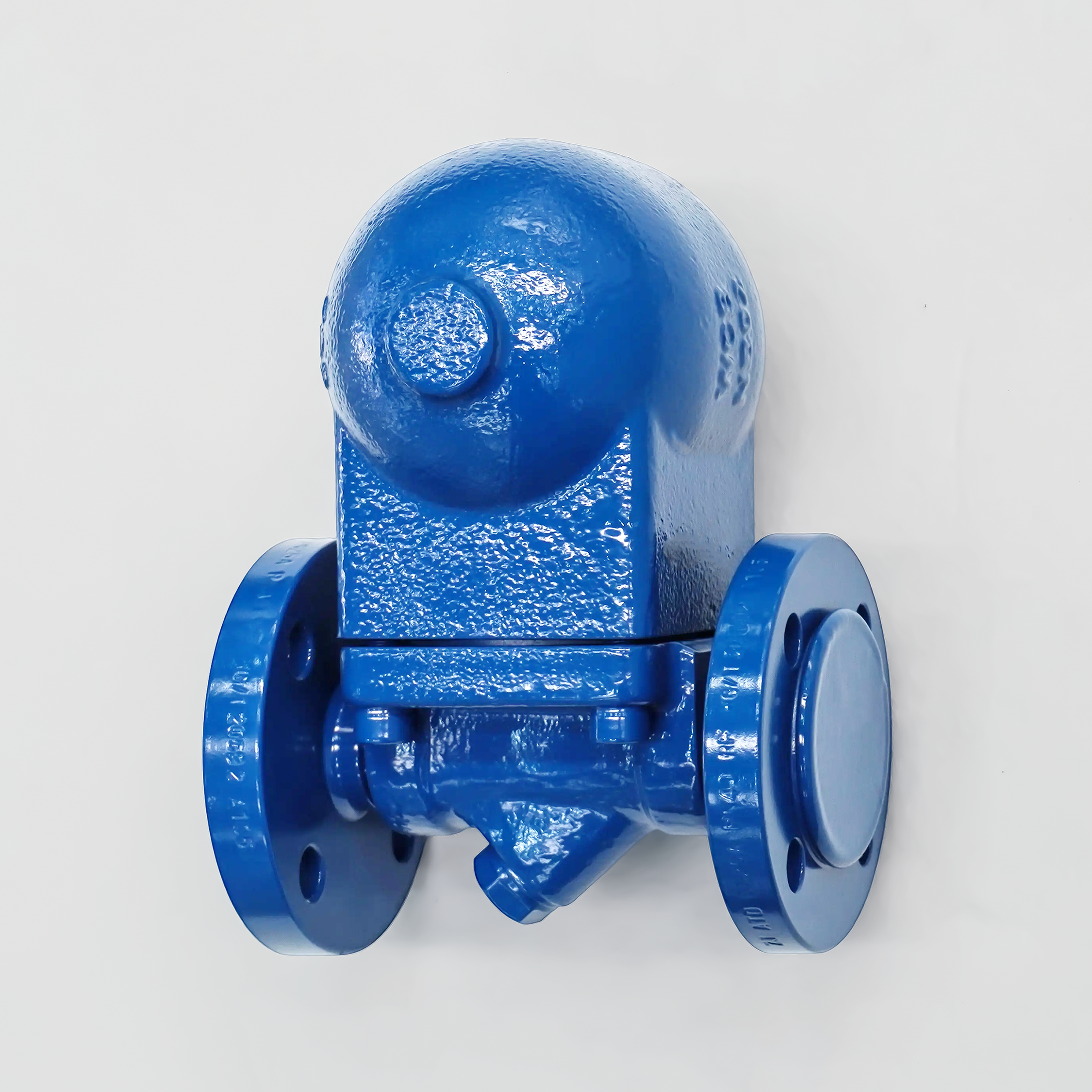
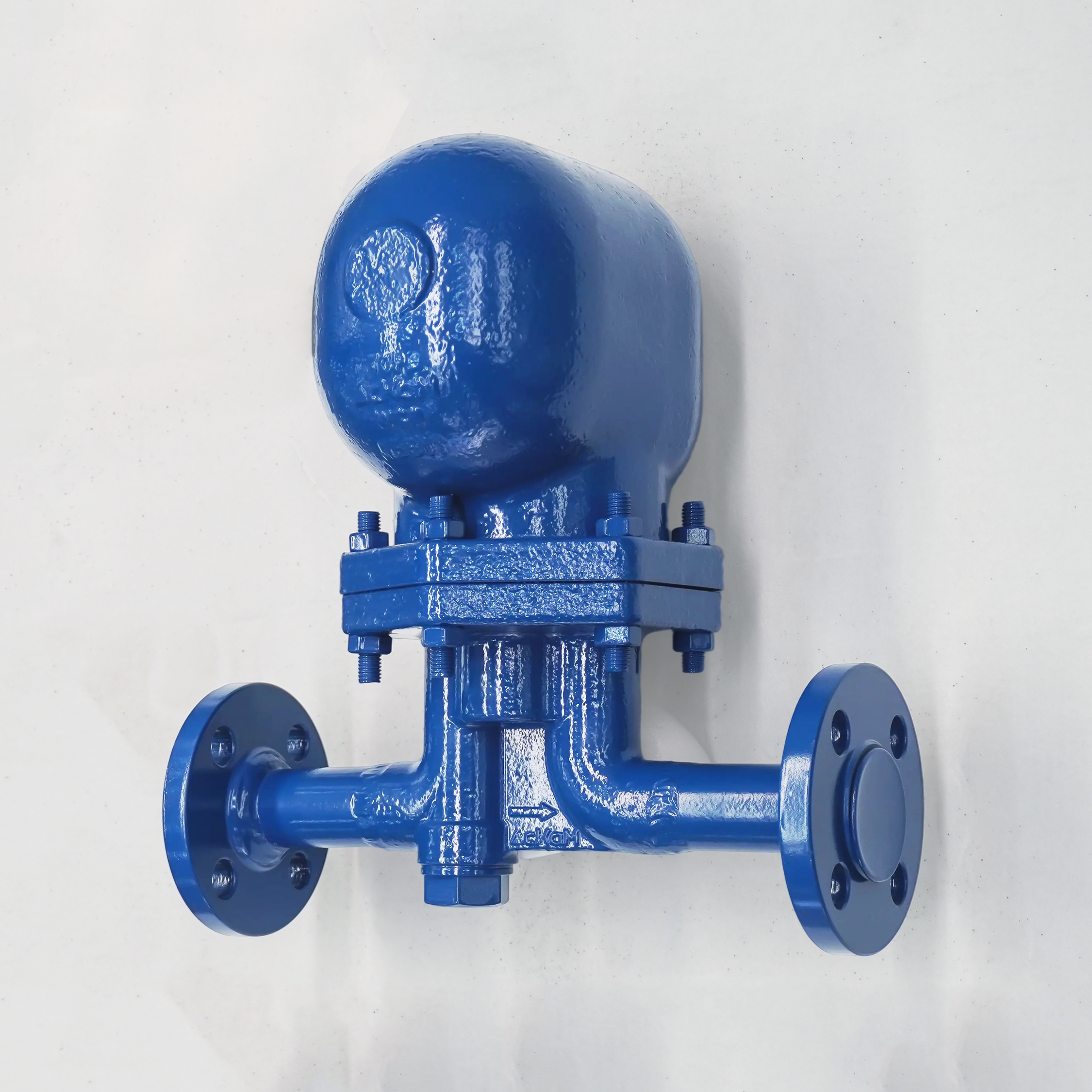
A steam boiler condensate recovery system represents a critical component in industrial steam operations that captures, treats, and returns condensed steam back to the boiler feedwater system. This sophisticated technology maximizes energy efficiency by reclaiming valuable heat energy and high-quality water that would otherwise be lost during steam distribution processes. The system operates through a network of condensate return lines, steam traps, pumps, and collection tanks that work together to collect condensate from various steam-using equipment throughout a facility. The primary function involves recovering hot condensate water, which typically maintains temperatures between 180-212°F, and returning it to the boiler for reuse. This process significantly reduces the need for fresh makeup water while conserving the thermal energy contained within the condensate. Modern steam boiler condensate recovery systems incorporate advanced monitoring technologies, including temperature sensors, flow meters, and automated control systems that optimize recovery rates and ensure consistent performance. The technological features include corrosion-resistant piping materials, efficient steam trap configurations, and variable-speed condensate pumps that adapt to changing system demands. These systems can handle condensate from multiple sources, including heating coils, process equipment, steam radiators, and industrial machinery. The recovery process begins when steam condenses in end-use equipment, creating hot condensate that flows through gravity or is pumped back through dedicated return lines. Steam traps play a crucial role by automatically discharging condensate while preventing steam loss, maintaining system efficiency. Collection tanks store recovered condensate before it returns to the boiler, often incorporating deaeration equipment to remove dissolved gases that could cause corrosion. Advanced filtration systems ensure water quality meets boiler requirements, while chemical treatment systems maintain proper pH levels and prevent scale formation. Applications span across manufacturing facilities, hospitals, universities, commercial buildings, and industrial plants where steam heating or process steam is utilized extensively.