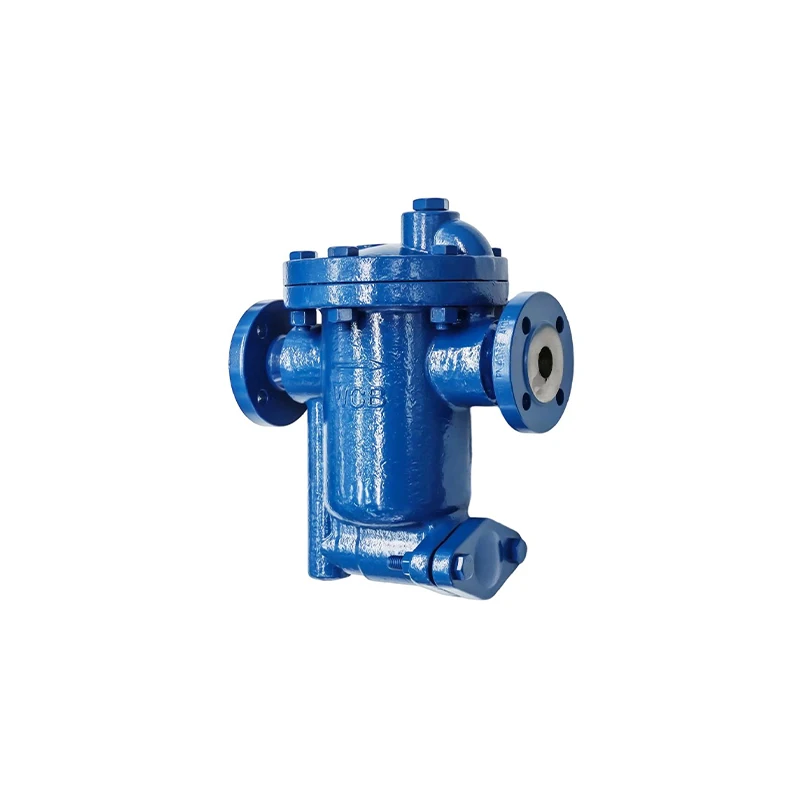
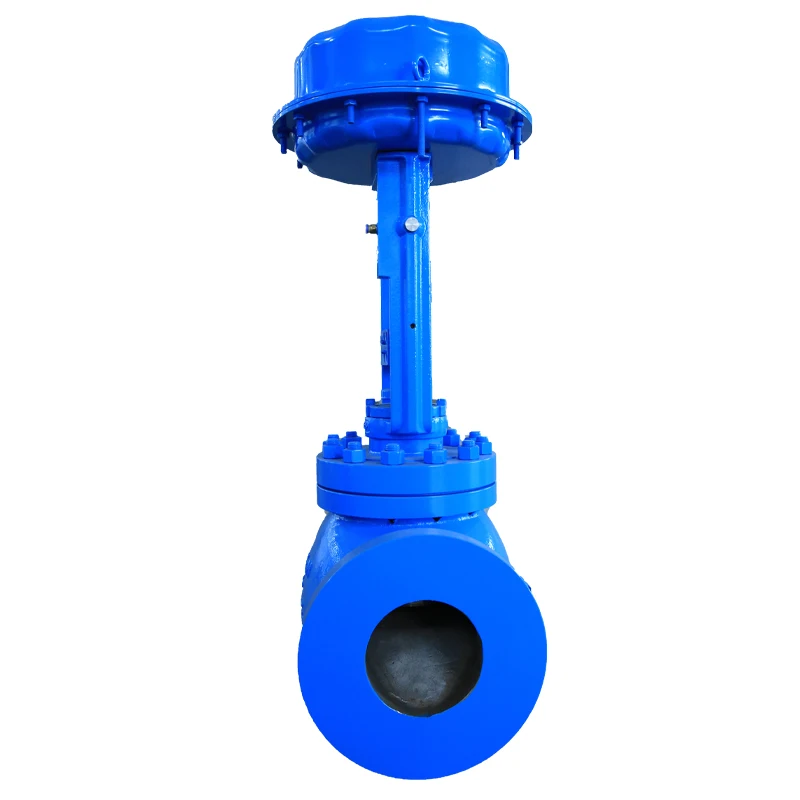
condensate system for unified reuse
The condensate system for unified reuse represents a revolutionary approach to industrial water management, designed to capture, treat, and redistribute condensate water across multiple operational processes. This comprehensive system integrates advanced collection networks, sophisticated treatment technologies, and intelligent distribution mechanisms to maximize water recovery efficiency while maintaining stringent quality standards. The primary function of a condensate system for unified reuse involves intercepting steam condensate from various industrial operations, including heating systems, cooling processes, manufacturing equipment, and building climate control systems. Through strategic positioning of collection points and specialized piping networks, the system ensures comprehensive capture of valuable condensate that would otherwise be discharged as waste. The technological framework incorporates multi-stage filtration processes, chemical treatment protocols, and thermal conditioning systems to restore condensate water to specifications suitable for diverse applications. Advanced monitoring systems continuously assess water quality parameters, ensuring consistent performance and regulatory compliance. The condensate system for unified reuse features modular design principles that accommodate varying operational scales and specific industry requirements. Key technological components include high-efficiency heat exchangers, automated control systems, corrosion-resistant materials, and energy recovery mechanisms that optimize overall system performance. Applications span numerous industries, including pharmaceutical manufacturing, food processing, chemical production, power generation, and commercial building operations. The system proves particularly valuable in facilities with substantial steam usage, where condensate recovery can significantly reduce operational costs and environmental impact. Implementation of a condensate system for unified reuse typically results in water savings ranging from 30 to 70 percent, depending on facility characteristics and operational parameters, making it an essential component of sustainable industrial water management strategies.