Complete Steam Condensate Recovery Systems - Energy Efficiency Solutions

All Categories

Get a Free Quote

Our representative will contact you soon.
Email
Name
Company Name
Message
0/1000

steam condensate recovery system

A steam condensate recovery system is an essential component in industrial facilities that utilize steam for heating, processing, or power generation. This sophisticated system captures and returns condensed steam (condensate) back to the boiler, creating a closed-loop process that maximizes energy efficiency and reduces operational costs. The primary function of a steam condensate recovery system involves collecting hot condensate from various steam-using equipment, such as heat exchangers, radiators, and process equipment, then returning this valuable resource to the boiler feedwater system. The system operates through a network of condensate return lines, steam traps, pumps, and collection tanks that work together to ensure efficient condensate recovery. Technological features of modern steam condensate recovery systems include automatic steam traps that prevent steam loss while allowing condensate to pass through, variable speed pumps that adjust flow rates based on system demand, and advanced monitoring systems that track condensate quality and flow rates. These systems incorporate flash steam recovery units that capture additional energy from high-temperature condensate, further improving overall efficiency. Temperature and pressure control mechanisms ensure optimal operating conditions throughout the recovery process. The applications for steam condensate recovery systems span across numerous industries including manufacturing, chemical processing, food and beverage production, pharmaceutical facilities, hospitals, universities, and commercial buildings. In manufacturing plants, these systems recover condensate from production equipment and heating systems. Chemical processing facilities utilize them to maintain precise temperature control while recovering valuable condensate. Food processing operations benefit from the sanitary design features that prevent contamination while maximizing energy recovery. The versatility of steam condensate recovery systems makes them suitable for both new installations and retrofit applications, adapting to various facility sizes and steam consumption patterns.
New Product Releases

Steam condensate recovery systems deliver substantial cost savings by reducing fuel consumption and water treatment expenses. When facilities recover condensate, they capture water that has already been heated to temperatures between 180-220 degrees Fahrenheit, eliminating the need to reheat cold makeup water from ambient temperature. This temperature differential translates to significant energy savings, often reducing fuel costs by 15-30 percent annually. The recovered condensate is also chemically treated water, which means facilities avoid purchasing and treating additional makeup water, resulting in lower water bills and reduced chemical treatment costs. Environmental benefits represent another major advantage of implementing steam condensate recovery systems. By reducing fuel consumption, facilities decrease their carbon footprint and greenhouse gas emissions. The system minimizes water waste by recycling condensate that would otherwise be discharged as wastewater, supporting sustainability initiatives and helping companies meet environmental regulations. Water conservation becomes increasingly important as municipalities implement stricter discharge requirements and water costs continue rising. Improved boiler efficiency results from using high-quality condensate as feedwater. Recovered condensate contains fewer dissolved solids and impurities compared to fresh makeup water, reducing scaling and corrosion within boiler systems. This cleaner feedwater extends boiler life, reduces maintenance requirements, and improves heat transfer efficiency. Facilities experience fewer boiler shutdowns for cleaning and repair, maintaining consistent production schedules. Enhanced system reliability emerges through proper condensate recovery implementation. Modern systems include monitoring capabilities that alert operators to potential issues before they cause equipment failures. Automatic controls maintain optimal operating conditions, reducing the risk of steam system problems. Regular condensate recovery ensures adequate boiler feedwater levels, preventing dangerous low-water conditions that could damage boiler equipment. The financial return on investment for steam condensate recovery systems typically occurs within 12-24 months, making them attractive capital investments. Reduced operating costs, lower maintenance expenses, and improved energy efficiency combine to deliver ongoing savings that far exceed initial installation costs. Many facilities discover that proper condensate recovery pays for itself through energy savings alone, with additional benefits providing extra value.

Tips And Tricks

Soaring to New Heights: AcKaM Industrial Surges in Billion-Dollar Market with 200% H1 Sales Growth

04

Nov

Soaring to New Heights: AcKaM Industrial Surges in Billion-Dollar Market with 200% H1 Sales Growth

View More
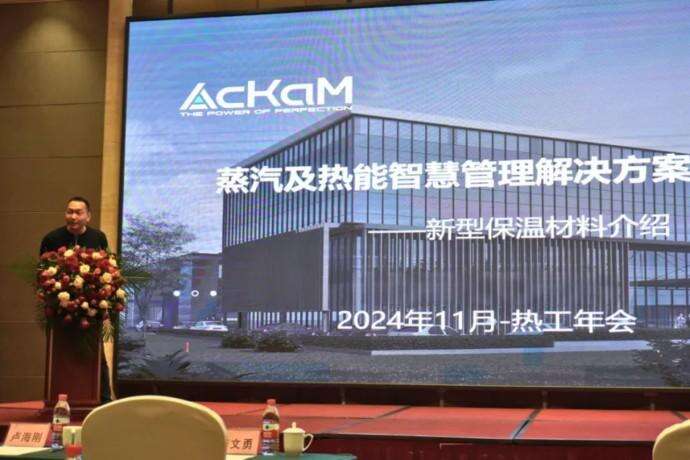
Innovation in Thermal Insulation Technology! AcKaM Delivers Keynote Speech at 2024 National Thermal Engineering Conference

05

Nov

Innovation in Thermal Insulation Technology! AcKaM Delivers Keynote Speech at 2024 National Thermal Engineering Conference

View More
AcKaM: Riding the Trillion-Yuan Wave to Pioneer Innovation

04

Nov

AcKaM: Riding the Trillion-Yuan Wave to Pioneer Innovation

View More

Get a Free Quote

Our representative will contact you soon.
Email
Name
Company Name
Message
0/1000

steam condensate recovery system

Advanced Energy Recovery Technology

Advanced Energy Recovery Technology

Modern steam condensate recovery systems incorporate cutting-edge energy recovery technology that maximizes thermal efficiency while minimizing waste. The cornerstone of this technology lies in flash steam recovery units that capture additional energy from hot condensate as it experiences pressure drops. When high-pressure condensate enters lower-pressure systems, a portion instantly converts to flash steam, which traditional systems would typically vent to atmosphere. Advanced steam condensate recovery systems harness this flash steam through specialized heat exchangers and recovery vessels, converting what was once waste energy into useful heating capacity. This recovered flash steam can preheat makeup water, provide space heating, or supply low-pressure process requirements, increasing overall system efficiency by an additional 5-10 percent beyond basic condensate recovery. The technology employs sophisticated pressure control systems that optimize flash steam generation while maintaining proper condensate flow rates. Variable speed drives on condensate pumps automatically adjust pumping capacity based on real-time system demand, ensuring optimal energy consumption while maintaining adequate condensate return rates. Smart sensors monitor temperature, pressure, and flow throughout the system, providing continuous feedback to control systems that make micro-adjustments to maximize energy recovery. Heat recovery calculations show that facilities can capture up to 25 percent additional energy through proper flash steam recovery compared to systems that only recover liquid condensate. The integration of thermal storage capabilities allows systems to bank recovered energy during low-demand periods and release it when heating loads increase, smoothing out energy consumption patterns. Advanced insulation and piping design minimize heat losses during condensate transport, ensuring maximum thermal energy reaches the boiler. Digital monitoring systems provide real-time efficiency metrics, allowing operators to identify optimization opportunities and track energy savings performance over time.
Intelligent Monitoring and Control Systems

Intelligent Monitoring and Control Systems

Contemporary steam condensate recovery systems feature intelligent monitoring and control capabilities that revolutionize facility management and maintenance practices. These sophisticated systems employ wireless sensor networks that continuously monitor critical parameters including condensate temperature, flow rates, pressure levels, and water quality throughout the entire recovery network. Advanced analytics software processes this data stream to identify trends, predict maintenance needs, and optimize system performance automatically. The monitoring system alerts operators to potential issues such as steam trap failures, pump malfunctions, or condensate contamination before these problems impact operations or cause equipment damage. Real-time dashboards provide comprehensive visibility into system performance, displaying energy recovery rates, cost savings, and efficiency metrics that help facility managers make informed operational decisions. Predictive maintenance algorithms analyze equipment performance patterns to schedule maintenance activities during planned downtime, reducing unexpected failures and extending equipment life. The control system automatically adjusts pump speeds, valve positions, and steam trap operations based on changing facility demands, ensuring optimal performance under varying load conditions. Integration capabilities allow the steam condensate recovery system to communicate with building management systems, energy management platforms, and enterprise resource planning software, providing holistic facility oversight. Cloud connectivity enables remote monitoring and diagnostics, allowing service technicians to troubleshoot issues and optimize performance without physical site visits. Historical data logging creates detailed performance records that support energy audits, regulatory reporting, and system optimization initiatives. The intelligent control system learns from operating patterns to anticipate facility needs, pre-positioning equipment and adjusting setpoints to maintain peak efficiency. Cybersecurity features protect system data and prevent unauthorized access while maintaining reliable communication with facility networks. These advanced monitoring and control capabilities transform steam condensate recovery systems from passive energy recovery devices into active participants in facility optimization strategies.
Comprehensive Return on Investment Benefits

Comprehensive Return on Investment Benefits

Steam condensate recovery systems deliver exceptional return on investment through multiple revenue streams and cost reduction mechanisms that compound over time to generate substantial financial benefits. The primary financial advantage stems from dramatic energy cost reductions achieved by recovering high-temperature condensate that retains significant thermal energy. Rather than heating cold makeup water from ambient temperature to boiler operating conditions, facilities utilize preheated condensate that often exceeds 200 degrees Fahrenheit, reducing fuel consumption by 20-35 percent annually. This energy savings translates directly to lower utility bills, with typical facilities saving thousands of dollars monthly on fuel costs alone. Water cost savings represent another significant financial benefit, as recovered condensate replaces expensive treated makeup water. Industrial water treatment costs continue rising due to stricter quality requirements and increasing chemical prices, making condensate recovery an effective hedge against future water treatment expenses. Facilities often reduce water purchasing costs by 40-60 percent while simultaneously decreasing wastewater discharge fees and environmental compliance costs. Maintenance cost reductions emerge through improved boiler water quality and reduced equipment stress. Clean condensate contains fewer dissolved solids and corrosive elements compared to fresh makeup water, extending boiler tube life and reducing scaling problems that require expensive cleaning procedures. Equipment reliability improvements minimize unplanned maintenance events and production disruptions that can cost facilities thousands of dollars per hour in lost productivity. The extended equipment life achieved through proper condensate recovery defers capital replacement costs and reduces depreciation expenses. Regulatory compliance benefits provide additional value through reduced environmental reporting requirements and lower discharge permit fees. Many jurisdictions offer tax incentives or rebates for energy efficiency improvements, providing immediate financial benefits that accelerate payback periods. The cumulative effect of these financial benefits typically generates payback periods between 12-18 months, after which the steam condensate recovery system continues producing savings for decades. Total lifecycle savings often exceed initial investment costs by 500-800 percent, making these systems among the most financially attractive energy efficiency investments available to industrial facilities.

Get a Free Quote

Our representative will contact you soon.
Email
Name
Company Name
Message
0/1000