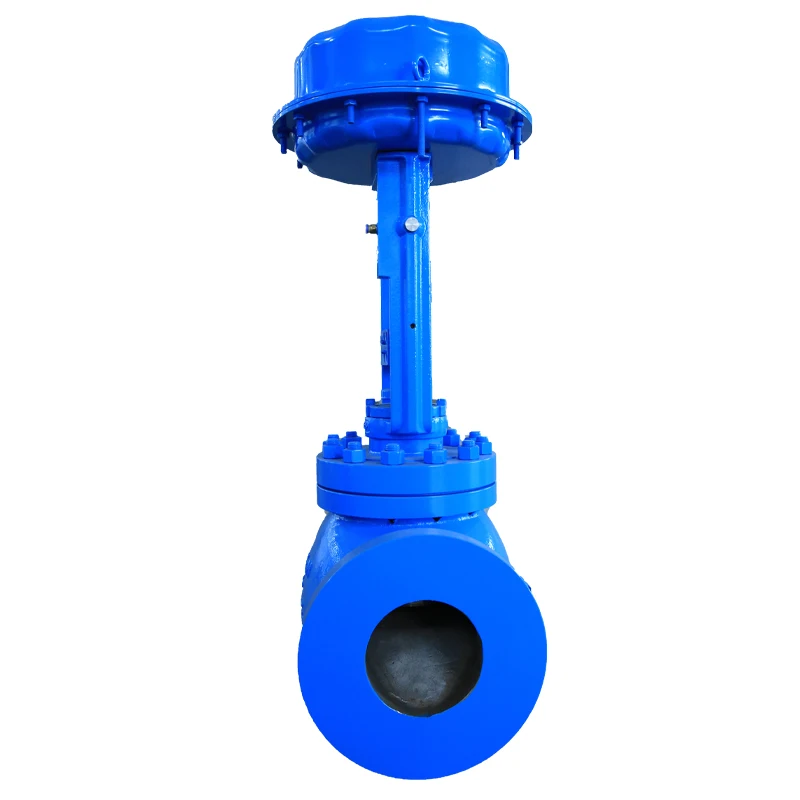
steam condensate return system
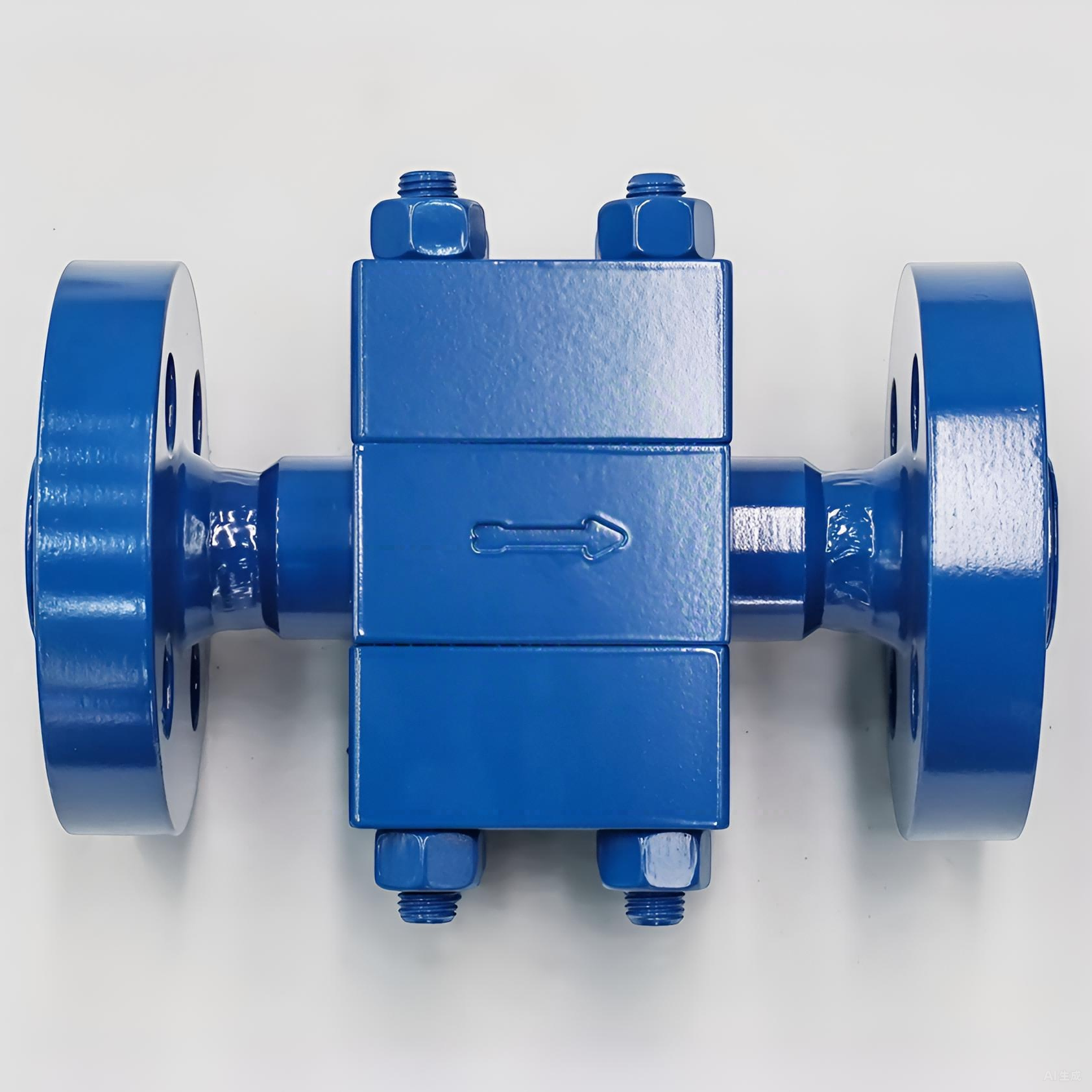
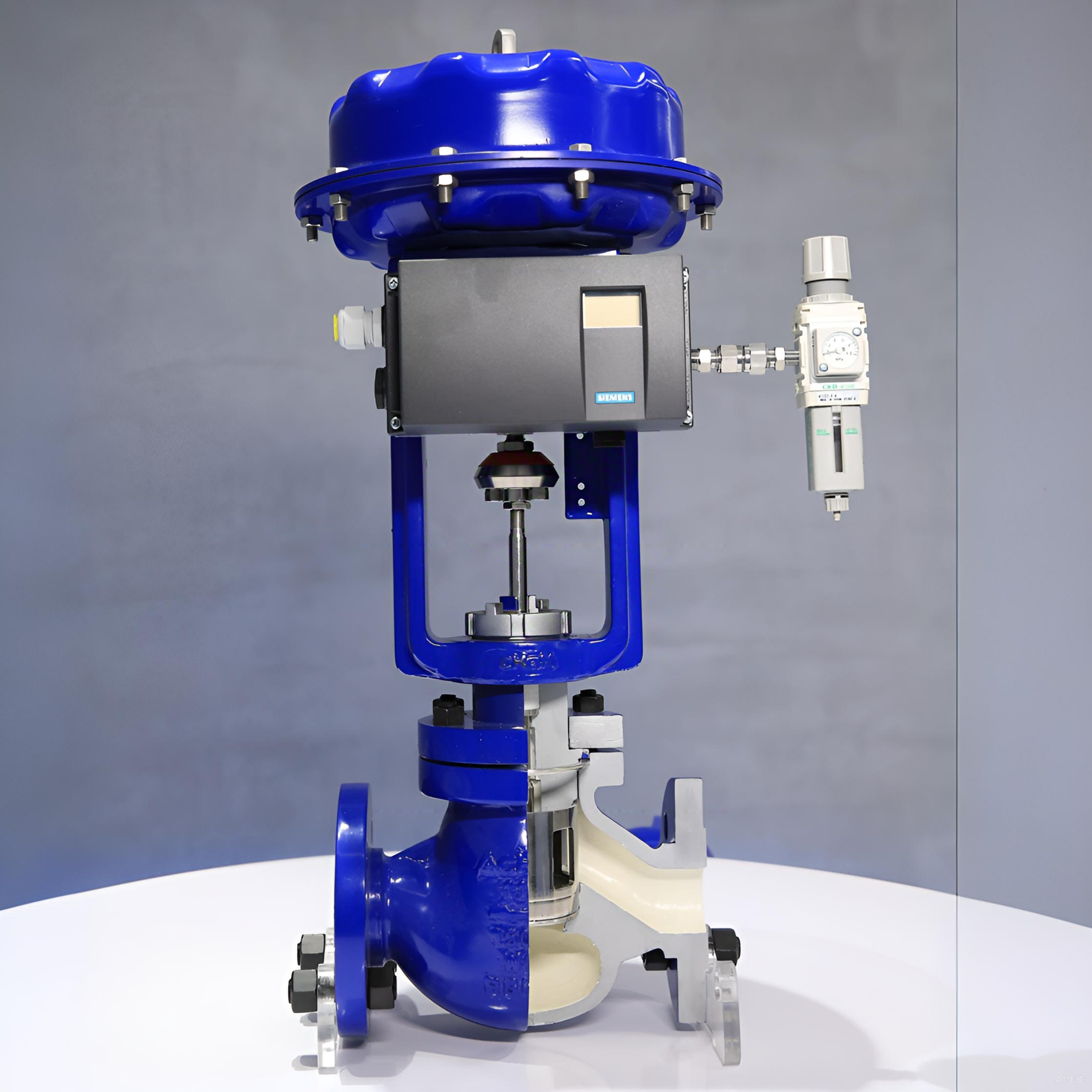
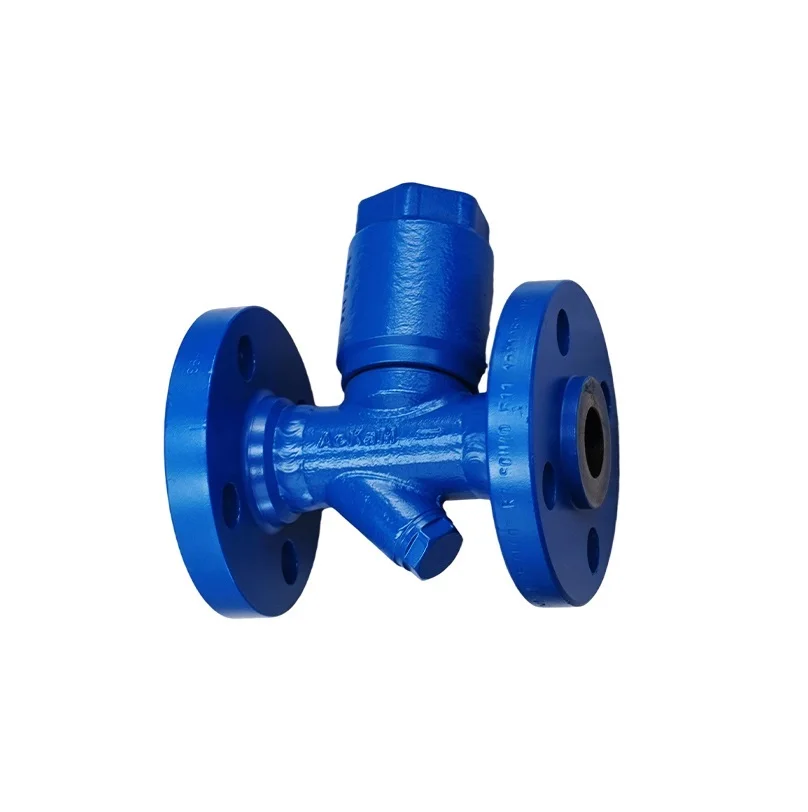
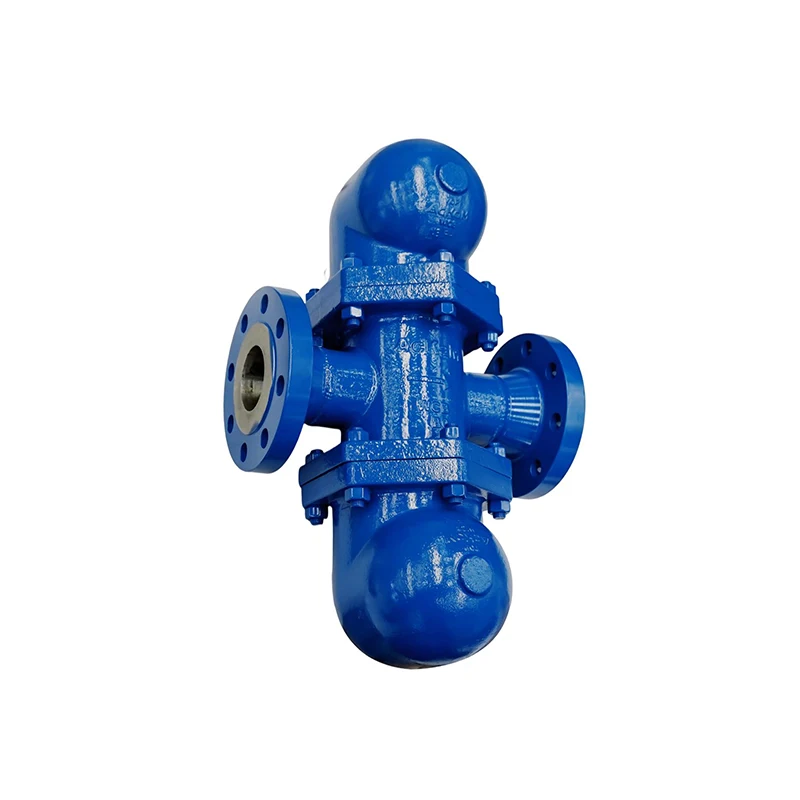
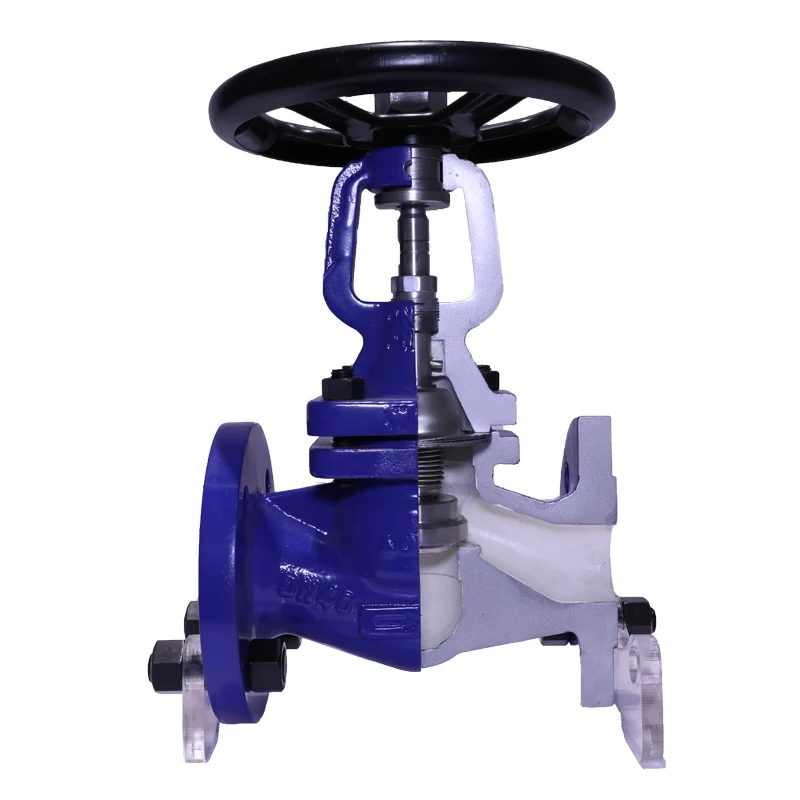
A steam condensate return system represents an essential component in industrial steam operations, designed to recover and recycle condensate water formed when steam releases its latent heat during heating processes. This sophisticated system captures the hot condensate that results from steam cooling and converts it back to liquid form, then returns it to the boiler for reuse. The steam condensate return system operates through a network of pipes, pumps, receivers, and control mechanisms that work together to collect condensate from various steam-using equipment throughout a facility. The primary function involves maintaining proper pressure differentials to ensure condensate flows efficiently back to the boiler feedwater system. Modern steam condensate return systems incorporate advanced monitoring technologies that track condensate quality, temperature, and flow rates to optimize performance. These systems typically include flash steam recovery capabilities, allowing facilities to capture additional energy from high-temperature condensate. The technological features encompass automatic controls that respond to varying load conditions, ensuring consistent operation regardless of steam demand fluctuations. Steam traps play a crucial role within the steam condensate return system, automatically removing condensate while preventing steam loss. The system design considers factors such as elevation changes, pressure variations, and potential contamination sources to maintain water quality standards. Applications span across numerous industries including manufacturing, food processing, chemical production, healthcare facilities, and power generation plants. Each application requires specific configuration of the steam condensate return system to accommodate unique operational requirements. The system contributes significantly to overall plant efficiency by reducing makeup water requirements, minimizing energy consumption, and decreasing chemical treatment costs. Integration with existing steam distribution networks requires careful engineering to ensure compatibility and optimal performance throughout the entire steam cycle.