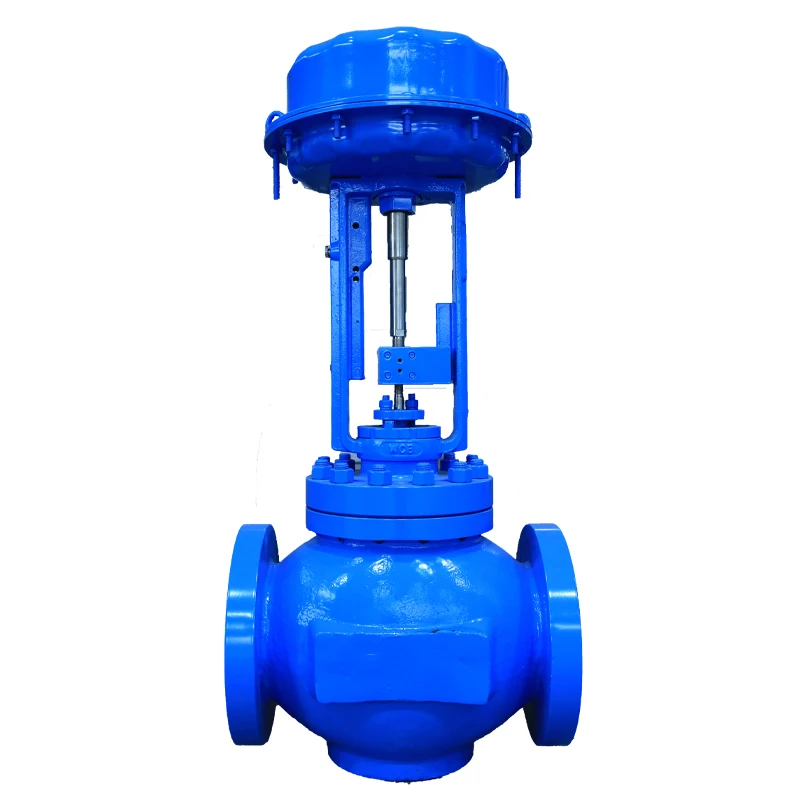
Professional Condensate Return Units - Energy Efficient Steam System Solutions

All Categories

Get a Free Quote

Our representative will contact you soon.
Email
Name
Company Name
Message
0/1000

condensate return unit

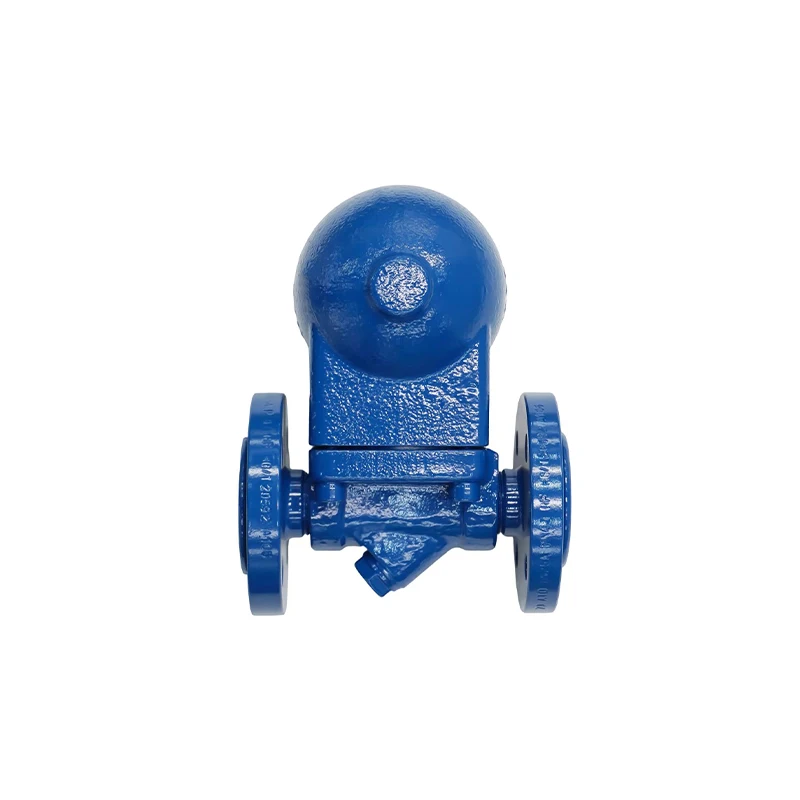
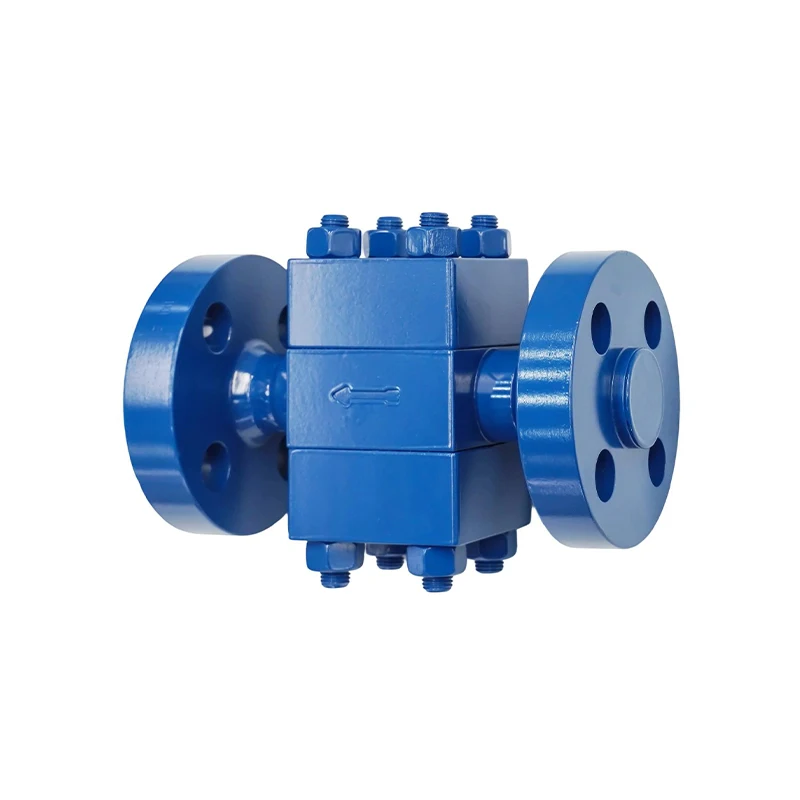
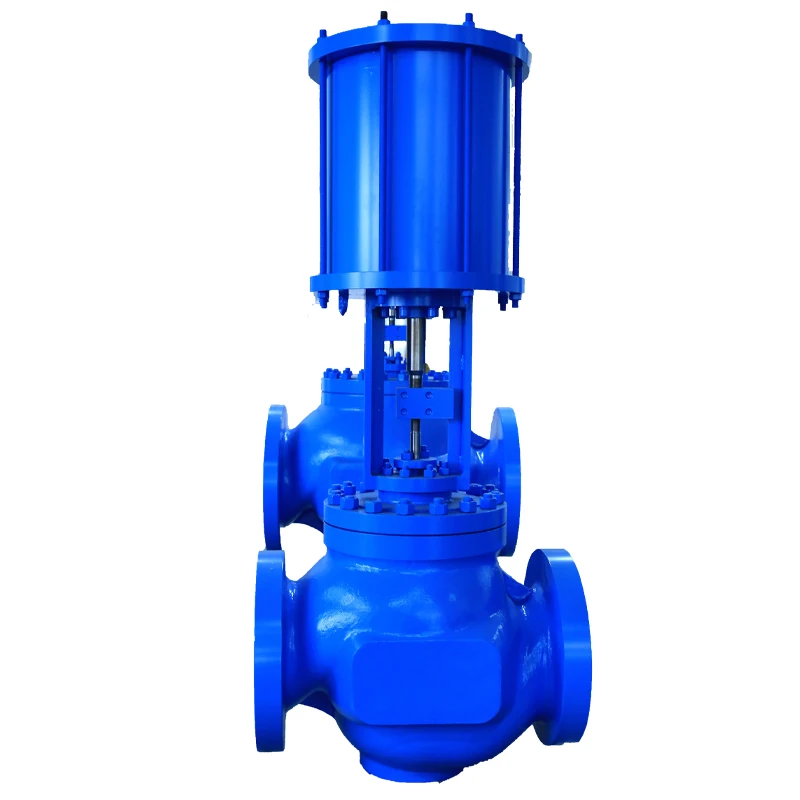
A condensate return unit represents a critical component in steam heating systems, designed to efficiently collect, handle, and return condensed steam back to the boiler for reuse. This sophisticated equipment operates by gathering condensate from various steam-using applications throughout a facility and systematically returning it to the steam generation source. The primary function of a condensate return unit involves maintaining optimal pressure levels while ensuring continuous circulation of condensate water. Modern condensate return units incorporate advanced pump systems, control mechanisms, and safety features that work together to maximize energy efficiency and system reliability. These units feature robust construction with corrosion-resistant materials, ensuring long-term durability in demanding industrial environments. The technological framework includes precision-engineered pumps capable of handling varying flow rates and pressure conditions, along with intelligent control systems that monitor condensate levels and automatically activate pumping operations when required. Temperature management capabilities allow these units to handle hot condensate safely, preventing thermal shock and maintaining system integrity. The design incorporates multiple safety valves, pressure relief mechanisms, and overflow protection to prevent system damage during abnormal operating conditions. Advanced models include variable speed drives that adjust pump operation based on real-time demand, optimizing energy consumption while maintaining consistent performance. Integration capabilities allow seamless connection with existing building management systems, enabling remote monitoring and control functions. The versatile design accommodates different installation requirements, from compact units suitable for smaller facilities to large-scale systems capable of handling substantial condensate volumes in industrial complexes. Quality condensate return units feature modular construction, allowing for easy maintenance access and component replacement without system shutdown, minimizing operational disruptions and maintenance costs.

New Products

The implementation of a high-quality condensate return unit delivers substantial operational and economic benefits that directly impact your facility's bottom line. Energy savings represent the most significant advantage, as returning hot condensate to the boiler reduces fuel consumption by eliminating the need to heat fresh makeup water from ambient temperature. This process can achieve energy savings of up to thirty percent compared to systems that discharge condensate as waste. Water conservation becomes increasingly important as utility costs rise, and a properly functioning condensate return unit captures and reuses valuable process water that would otherwise be lost. The recovered condensate maintains higher purity levels compared to fresh water, reducing chemical treatment requirements and extending boiler life by minimizing scale formation and corrosion. Operational reliability improves dramatically when condensate return units maintain consistent water levels in the boiler system, preventing dangerous low-water conditions that can damage expensive boiler equipment. The automated operation reduces labor requirements by eliminating manual condensate handling procedures, allowing maintenance staff to focus on other critical tasks. Environmental benefits include reduced water consumption and lower discharge volumes, helping facilities meet sustainability goals and regulatory requirements. System efficiency increases as proper condensate management maintains optimal heat transfer rates throughout the steam distribution network. Cost reduction occurs through multiple channels including lower fuel bills, reduced water purchases, decreased chemical usage, and extended equipment life. Installation flexibility allows condensate return units to integrate with existing systems without major modifications, minimizing implementation costs and downtime. Modern units provide real-time monitoring capabilities that enable predictive maintenance scheduling, preventing costly emergency repairs and system failures. The consistent operation maintains stable steam pressure throughout the facility, improving process control and product quality in manufacturing applications. Reduced maintenance requirements result from the elimination of manual condensate handling and the prevention of water hammer conditions that can damage piping and equipment. Long-term reliability ensures consistent performance over many years, providing excellent return on investment through continuous energy savings and operational improvements.

Practical Tips

Soaring to New Heights: AcKaM Industrial Surges in Billion-Dollar Market with 200% H1 Sales Growth

04

Nov

Soaring to New Heights: AcKaM Industrial Surges in Billion-Dollar Market with 200% H1 Sales Growth

View More
Innovation in Thermal Insulation Technology! AcKaM Delivers Keynote Speech at 2024 National Thermal Engineering Conference

05

Nov

Innovation in Thermal Insulation Technology! AcKaM Delivers Keynote Speech at 2024 National Thermal Engineering Conference

View More
AcKaM: Riding the Trillion-Yuan Wave to Pioneer Innovation

04

Nov

AcKaM: Riding the Trillion-Yuan Wave to Pioneer Innovation

View More

Get a Free Quote

Our representative will contact you soon.
Email
Name
Company Name
Message
0/1000

condensate return unit

Advanced Pump Technology and Control Systems

Advanced Pump Technology and Control Systems

The heart of any effective condensate return unit lies in its sophisticated pump technology and intelligent control systems that ensure reliable, efficient operation under varying conditions. Modern condensate return units incorporate multi-stage centrifugal pumps specifically designed to handle the unique challenges of hot condensate transfer, including cavitation prevention and thermal expansion management. These pumps feature specialized impeller designs that maintain high efficiency while handling condensate temperatures up to 220 degrees Fahrenheit, ensuring optimal performance without compromising component longevity. The control systems integrate advanced sensors that continuously monitor condensate levels, temperature, and pressure conditions, automatically adjusting pump operation to match real-time demand. Variable frequency drives allow precise pump speed control, optimizing energy consumption while maintaining consistent discharge pressure regardless of system load variations. Redundant pump configurations provide backup capability, ensuring continuous operation even during maintenance or unexpected equipment failure. The control interface features user-friendly displays that provide real-time system status, alarm notifications, and performance data, enabling operators to make informed decisions about system operation. Automated sequencing capabilities rotate pump operation to ensure even wear distribution, maximizing equipment life and reliability. Safety interlocks prevent pump operation under dangerous conditions, protecting both equipment and personnel from potential hazards. The integration of smart technology allows remote monitoring and control capabilities, enabling facility managers to oversee condensate return operations from anywhere within the building management network. Predictive maintenance algorithms analyze operating data to identify potential issues before they result in system failures, reducing maintenance costs and preventing unexpected downtime. The sophisticated control logic adapts to seasonal variations and changing facility demands, automatically optimizing performance parameters to maintain peak efficiency throughout varying operating conditions.
Energy Efficiency and Cost Reduction Benefits

Energy Efficiency and Cost Reduction Benefits

The economic impact of implementing a high-performance condensate return unit extends far beyond initial equipment costs, delivering substantial long-term savings through improved energy efficiency and reduced operational expenses. Energy recovery represents the primary financial benefit, as returning hot condensate to the boiler system eliminates the energy required to heat fresh makeup water from ambient temperature to operating conditions. This energy recovery can reduce boiler fuel consumption by twenty to thirty percent, resulting in significant cost savings that often justify the equipment investment within the first year of operation. Water cost reduction occurs through the recovery and reuse of treated process water that would otherwise be discharged as waste, particularly important in regions where water costs are high or availability is limited. Chemical treatment savings accumulate as recovered condensate requires minimal additional treatment compared to fresh makeup water, reducing both chemical purchases and handling requirements. The prevention of thermal shock and water hammer conditions protects expensive steam system components from damage, avoiding costly repairs and extending equipment life significantly. Improved boiler efficiency results from maintaining optimal water chemistry and reducing the thermal cycling associated with cold water introduction, leading to more stable combustion conditions and reduced maintenance requirements. Labor cost reduction occurs through automated operation that eliminates manual condensate handling procedures, allowing maintenance personnel to focus on more value-added activities. Environmental compliance benefits include reduced water consumption and wastewater discharge, helping facilities meet regulatory requirements and sustainability goals while potentially qualifying for utility rebates or tax incentives. The consistent operation maintains stable steam pressure throughout the distribution system, improving process efficiency and product quality in manufacturing applications. Insurance benefits may be available as proper condensate return systems reduce the risk of boiler damage and associated business interruption claims. Long-term reliability ensures consistent performance and cost savings over the equipment's service life, typically fifteen to twenty years with proper maintenance.
Versatile Applications and Installation Flexibility

Versatile Applications and Installation Flexibility

The versatility of modern condensate return units makes them suitable for an extensive range of applications across diverse industries, from small commercial buildings to large industrial complexes requiring sophisticated steam management solutions. Healthcare facilities benefit significantly from condensate return units in their steam sterilization systems, where reliable operation is critical for patient safety and regulatory compliance. The units handle condensate from autoclaves, steam sterilizers, and building heating systems, ensuring consistent steam supply while maximizing energy efficiency. Educational institutions utilize condensate return units to manage steam from kitchen equipment, laboratory processes, and building heating systems, achieving substantial energy cost savings that can be redirected toward educational programs. Manufacturing facilities across industries including food processing, pharmaceuticals, textiles, and chemicals rely on condensate return units to maintain efficient steam distribution for process heating, cleaning operations, and facility climate control. The installation flexibility allows these units to be configured for both indoor and outdoor mounting, accommodating space constraints and environmental conditions in existing facilities. Modular design options enable capacity expansion as facility needs grow, protecting the initial investment while providing scalability for future requirements. Retrofit applications benefit from the ability to integrate condensate return units with existing steam systems without major modifications, minimizing installation costs and operational disruptions. The units accommodate various piping configurations and elevation differences, making them suitable for multi-story buildings and complex facility layouts. Special configurations handle unique applications such as condensate from steam turbines, process equipment, and specialized manufacturing operations requiring precise temperature and pressure control. Explosion-proof models are available for hazardous environments, ensuring safe operation in chemical processing and petroleum refining applications. The compact footprint designs fit into tight mechanical spaces while maintaining full functionality and serviceability. Custom control packages can integrate with existing building automation systems, providing centralized monitoring and control capabilities that enhance operational efficiency and maintenance planning throughout the entire facility infrastructure.
Get a Free Quote

Our representative will contact you soon.
Email
Name
Company Name
Message
0/1000