Condensate System for Energy Saving: Advanced Solutions for Maximum Efficiency and Cost Reduction

All Categories

Get a Free Quote

Our representative will contact you soon.
Email
Name
Company Name
Message
0/1000

condensate system for energy saving

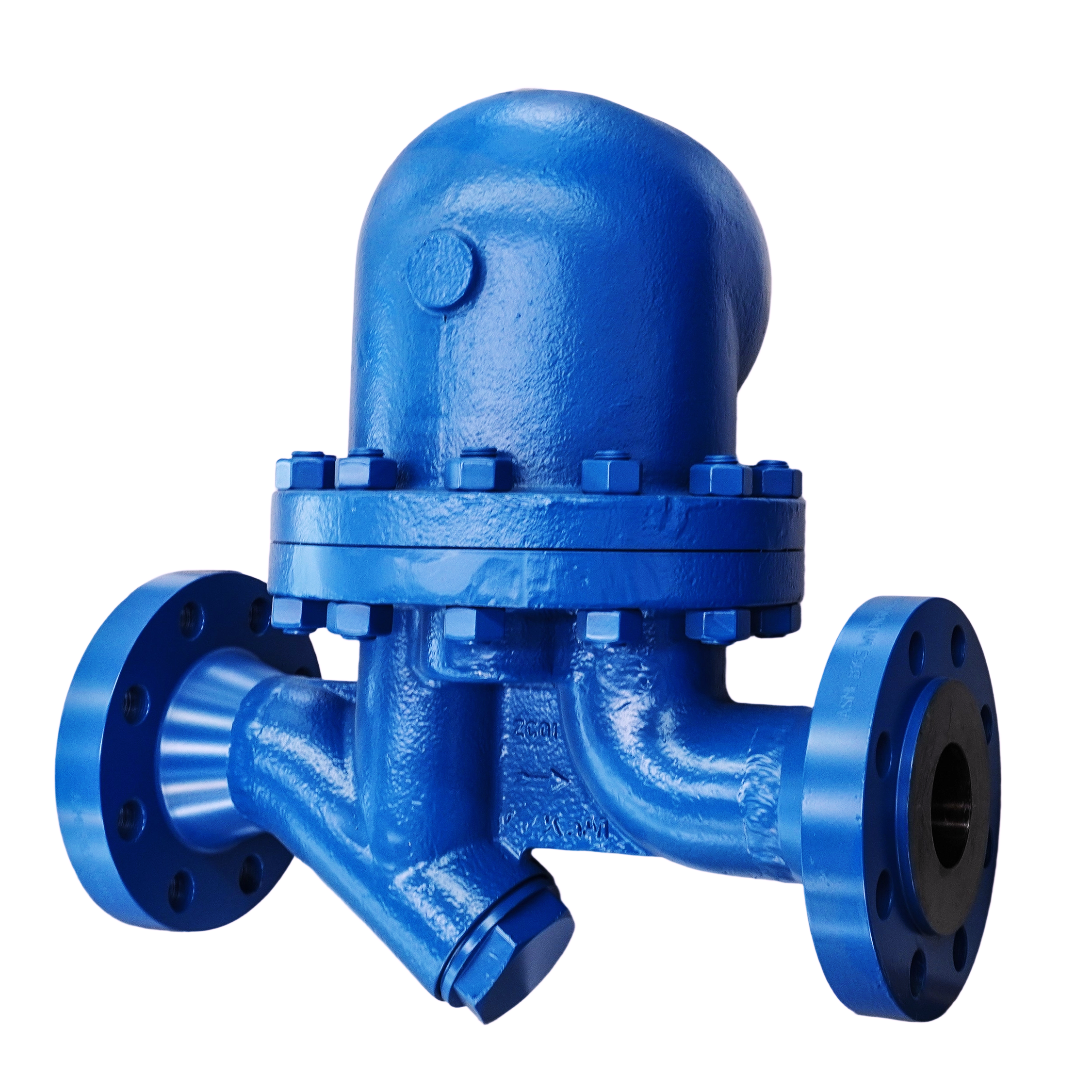
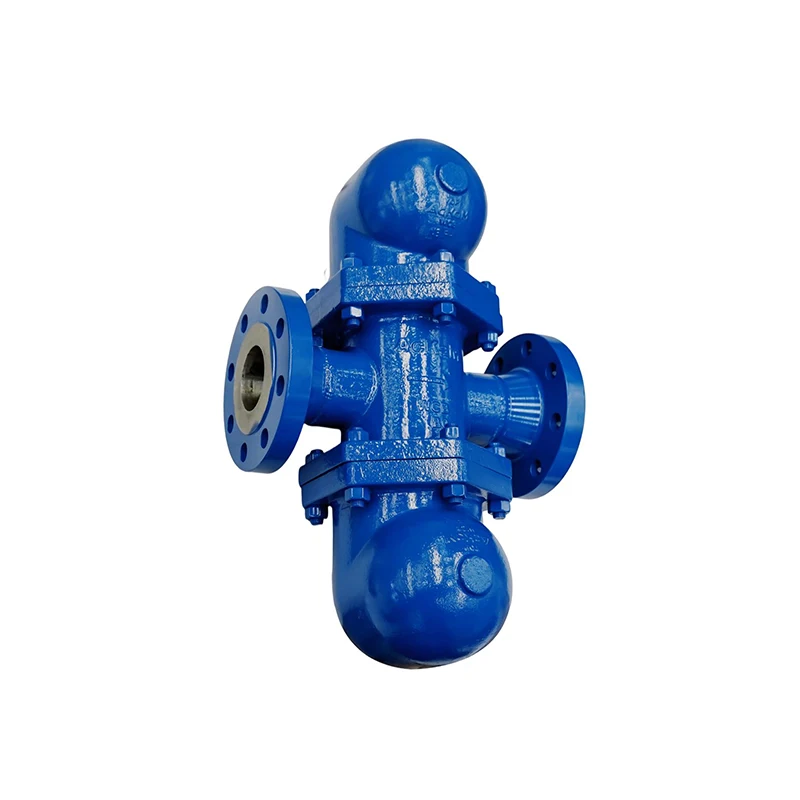
A condensate system for energy saving represents a sophisticated technological solution designed to maximize thermal efficiency and reduce operational costs in industrial and commercial facilities. This innovative system captures and reuses condensate water that forms when steam releases its latent heat during various industrial processes. The primary function of a condensate system for energy saving involves collecting the hot condensate water produced after steam condenses back to liquid form, then returning this valuable thermal energy to the boiler or heating system for reuse. This closed-loop process significantly reduces the need for fresh makeup water and minimizes energy consumption. The technological features of modern condensate systems for energy saving include advanced steam traps that automatically discharge condensate while preventing steam loss, high-efficiency condensate pumps that handle varying flow rates and pressures, and sophisticated control systems that monitor temperature and pressure throughout the entire network. These systems incorporate corrosion-resistant materials and precision-engineered components that ensure long-term reliability and optimal performance. The condensate system for energy saving finds extensive applications across diverse industries including food processing, pharmaceutical manufacturing, chemical production, textile operations, and power generation facilities. In commercial buildings, these systems optimize heating, ventilation, and air conditioning operations while reducing utility expenses. The versatility of condensate systems for energy saving makes them suitable for both new construction projects and retrofitting existing facilities, providing flexible solutions that adapt to specific operational requirements and energy conservation goals.

New Product Recommendations

The condensate system for energy saving delivers substantial cost reductions by recovering valuable thermal energy that would otherwise be wasted. When facilities implement this technology, they typically experience energy savings of 15 to 30 percent on their heating costs because the system captures hot condensate water at temperatures ranging from 180 to 212 degrees Fahrenheit and returns it directly to the boiler. This process eliminates the need to heat cold makeup water from ambient temperature, resulting in significant fuel savings and reduced carbon emissions. The financial benefits extend beyond energy costs because the condensate system for energy saving reduces water consumption by recycling high-quality distilled water back into the system. This recycled water requires minimal chemical treatment compared to fresh water, which often contains minerals and impurities that can cause scale buildup and corrosion in boilers and piping systems. Facilities save money on water purchase costs, water treatment chemicals, and wastewater disposal fees. The operational advantages of a condensate system for energy saving include improved boiler efficiency and extended equipment lifespan. The system maintains consistent water quality and reduces thermal shock to boilers by feeding preheated water instead of cold makeup water. This steady operation reduces maintenance requirements and prevents costly equipment failures. The automated control features built into modern condensate systems for energy saving provide real-time monitoring and adjustment capabilities that optimize performance without requiring constant manual intervention. Plant operators can focus on other critical tasks while the system maintains peak efficiency levels. Environmental benefits represent another compelling advantage as the condensate system for energy saving significantly reduces greenhouse gas emissions by lowering fuel consumption and water waste. Companies implementing these systems often achieve sustainability certifications and meet increasingly stringent environmental regulations. The quick payback period, typically between 6 to 18 months depending on facility size and steam usage, makes the condensate system for energy saving an attractive investment that continues generating savings for decades.

Tips And Tricks

Soaring to New Heights: AcKaM Industrial Surges in Billion-Dollar Market with 200% H1 Sales Growth

04

Nov

Soaring to New Heights: AcKaM Industrial Surges in Billion-Dollar Market with 200% H1 Sales Growth

View More
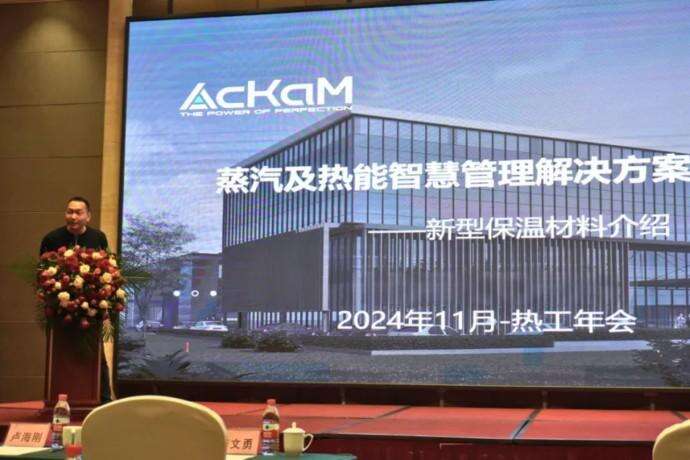
Innovation in Thermal Insulation Technology! AcKaM Delivers Keynote Speech at 2024 National Thermal Engineering Conference

05

Nov

Innovation in Thermal Insulation Technology! AcKaM Delivers Keynote Speech at 2024 National Thermal Engineering Conference

View More
AcKaM: Riding the Trillion-Yuan Wave to Pioneer Innovation

04

Nov

AcKaM: Riding the Trillion-Yuan Wave to Pioneer Innovation

View More

Get a Free Quote

Our representative will contact you soon.
Email
Name
Company Name
Message
0/1000

condensate system for energy saving

Advanced Steam Trap Technology Maximizes Energy Recovery

Advanced Steam Trap Technology Maximizes Energy Recovery

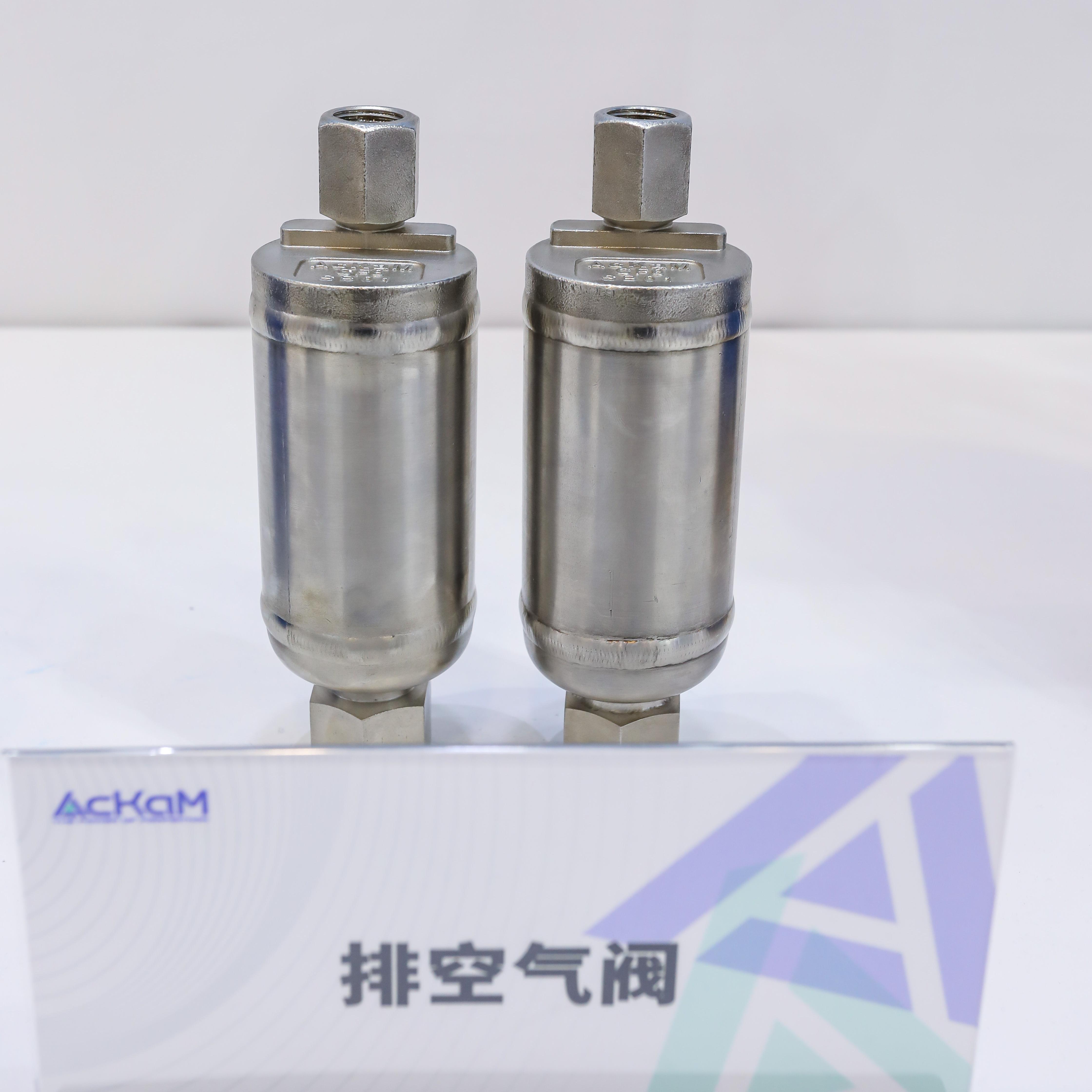
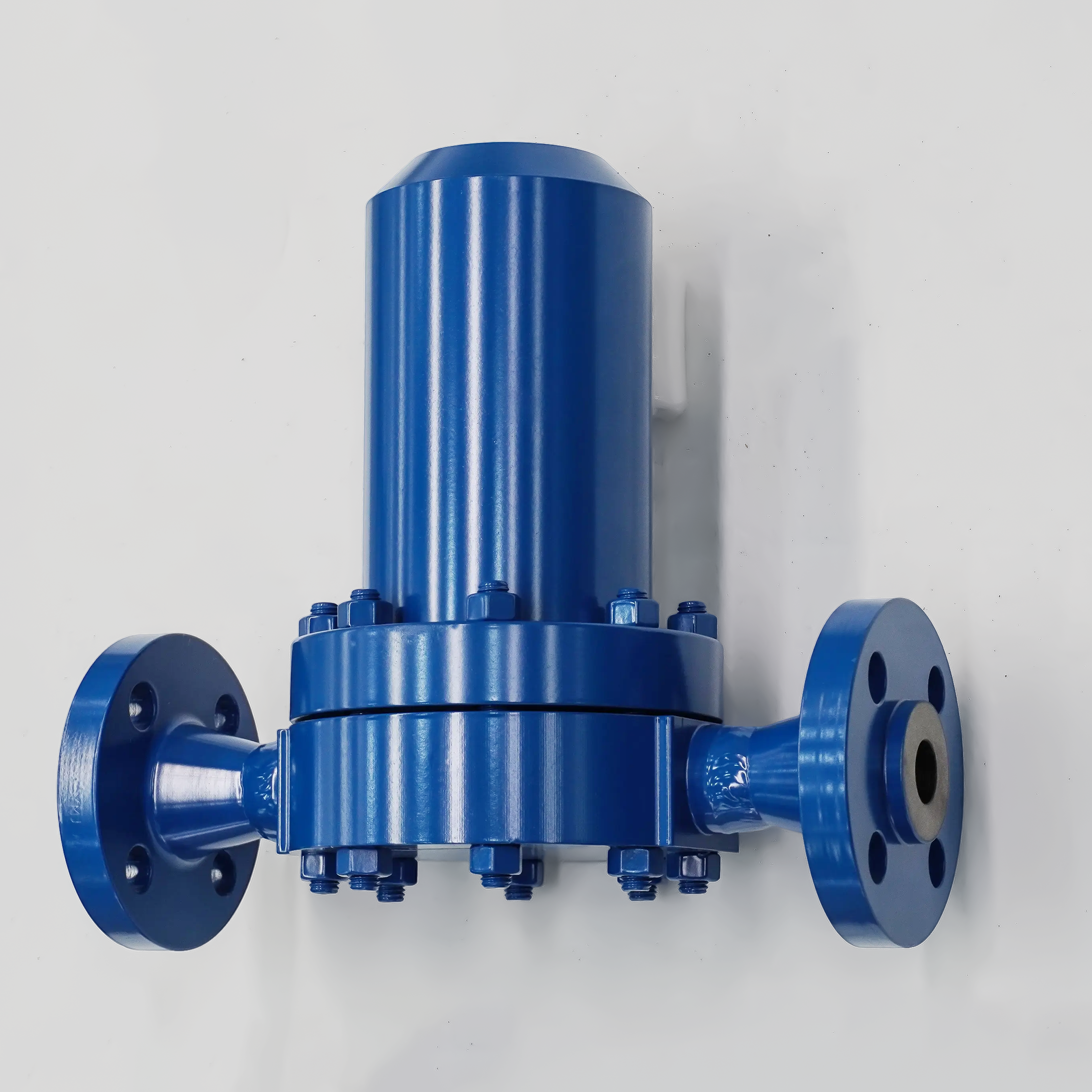
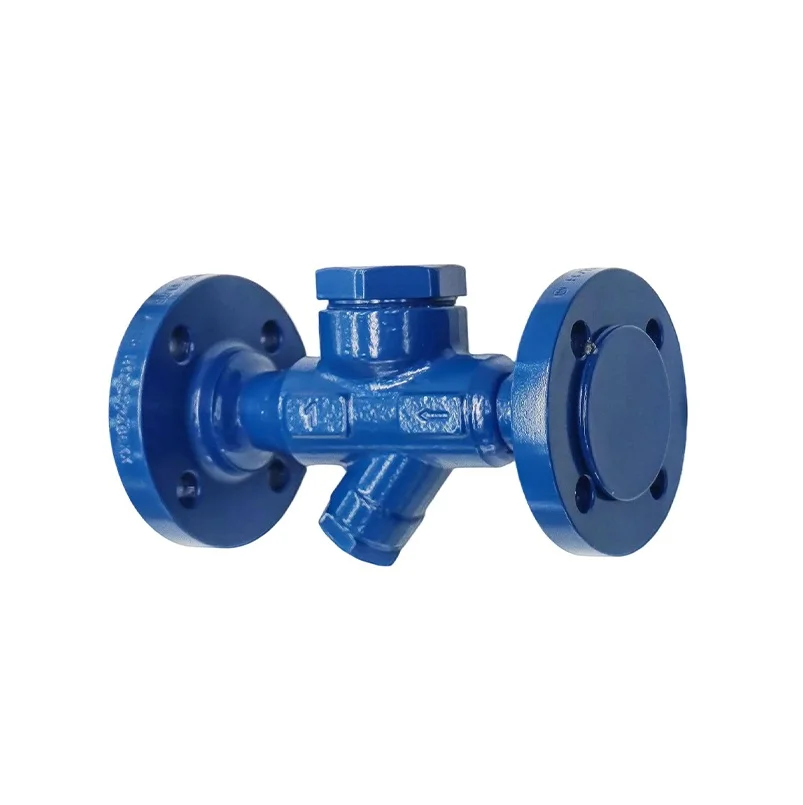
The heart of any effective condensate system for energy saving lies in its advanced steam trap technology, which serves as the critical component that separates steam from condensate while maintaining system efficiency. Modern steam traps utilize sophisticated thermodynamic principles to automatically discharge condensate and non-condensable gases while preventing valuable steam from escaping the system. These precision-engineered devices respond instantly to temperature and pressure changes, ensuring optimal performance across varying operational conditions. The advanced steam trap technology in a condensate system for energy saving incorporates multiple design innovations including balanced pressure mechanisms, corrosion-resistant internal components, and self-adjusting discharge rates that adapt to fluctuating steam loads throughout the day. This intelligent functionality prevents both steam waste and condensate backup, two common problems that significantly reduce system efficiency and increase operating costs. The financial impact of superior steam trap performance becomes evident when considering that a single failed steam trap can waste thousands of dollars in energy annually. The advanced steam trap technology integrated into modern condensate systems for energy saving features diagnostic capabilities that provide real-time performance feedback, enabling predictive maintenance scheduling and preventing costly emergency repairs. These smart traps can communicate with central monitoring systems, alerting operators to potential issues before they cause system failures or energy waste. The precision manufacturing standards applied to these components ensure reliable operation in harsh industrial environments, including high-pressure applications, corrosive atmospheres, and extreme temperature variations. Installation flexibility represents another key advantage as these advanced steam traps can be configured for horizontal or vertical mounting positions and accommodate various pipe sizes and connection types, making them suitable for retrofitting existing systems or incorporating into new condensate system for energy saving installations.
Intelligent Control Systems Optimize Performance Automatically

Intelligent Control Systems Optimize Performance Automatically

The intelligent control systems integrated into modern condensate systems for energy saving represent a revolutionary advancement that transforms traditional passive condensate recovery into an active, optimized process that continuously adapts to changing operational conditions. These sophisticated control platforms utilize advanced algorithms and real-time data analysis to monitor multiple system parameters including condensate flow rates, temperature differentials, pressure variations, and energy recovery efficiency. The intelligent control system automatically adjusts pump speeds, valve positions, and heat exchanger operations to maintain peak performance regardless of fluctuating steam demands or seasonal variations. This dynamic optimization capability ensures that the condensate system for energy saving operates at maximum efficiency throughout all operating conditions, delivering consistent energy savings and reliable performance. The user-friendly interface provides operators with comprehensive system visibility through intuitive dashboards that display real-time performance metrics, energy savings calculations, and predictive maintenance alerts. Remote monitoring capabilities allow facility managers to access system data from anywhere, enabling proactive management and rapid response to operational changes. The intelligent control system stores historical performance data that helps identify optimization opportunities and validates energy savings achievements over time. Advanced diagnostic features built into the control platform continuously monitor component health and predict potential failures before they occur, minimizing downtime and maintenance costs. The system generates detailed reports that document energy consumption patterns, cost savings, and environmental benefits, providing valuable information for facility management and regulatory compliance purposes. Integration capabilities allow the intelligent control system to communicate with existing building automation systems, creating a unified approach to energy management that maximizes the benefits of the condensate system for energy saving. The scalable architecture supports future expansion and technology upgrades, protecting the investment and ensuring long-term value as operational requirements evolve.
High-Efficiency Heat Recovery Maximizes Thermal Energy Capture

High-Efficiency Heat Recovery Maximizes Thermal Energy Capture

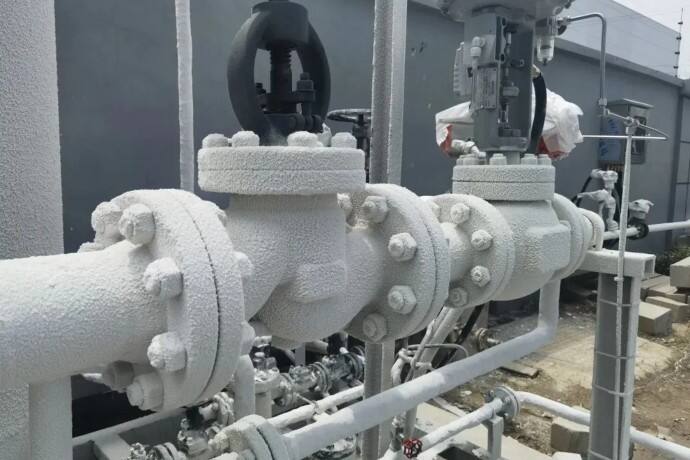
High-efficiency heat recovery technology represents the cornerstone feature that distinguishes superior condensate systems for energy saving from conventional alternatives, delivering unprecedented levels of thermal energy capture and reuse that dramatically reduce operational expenses. This advanced technology employs specialized heat exchangers designed with enhanced surface area configurations, optimized flow patterns, and precision-engineered materials that maximize heat transfer efficiency while minimizing pressure losses throughout the system. The high-efficiency heat recovery components in a condensate system for energy saving capture thermal energy from multiple sources including flash steam, hot condensate water, and residual heat from process equipment that would typically be lost to the atmosphere. This comprehensive approach to energy recovery can capture up to 95 percent of available thermal energy, significantly exceeding the performance of standard condensate return systems. The sophisticated heat exchanger designs utilize counter-flow configurations and turbulence-inducing features that optimize heat transfer coefficients while maintaining compact footprints suitable for space-constrained installations. Specialized materials including stainless steel, copper-nickel alloys, and advanced composites ensure long-term durability and corrosion resistance in demanding industrial environments. The modular design architecture allows for customized configurations that accommodate specific facility requirements and energy recovery goals. Multiple heat recovery stages can be integrated to capture energy at different temperature levels, maximizing the overall efficiency of the condensate system for energy saving. Advanced insulation systems and thermal bridging prevention measures ensure that captured heat energy reaches its intended destination without losses during transport. The heat recovery technology incorporates automatic cleaning mechanisms and fouling prevention features that maintain peak performance over extended operating periods, reducing maintenance requirements and ensuring consistent energy savings. Performance monitoring systems continuously track heat recovery efficiency and provide real-time feedback for optimization adjustments. The financial benefits of high-efficiency heat recovery become apparent through reduced fuel consumption, lower utility bills, and shortened payback periods that typically range from 8 to 15 months depending on facility size and steam usage patterns.

Get a Free Quote

Our representative will contact you soon.
Email
Name
Company Name
Message
0/1000