Float and Thermostatic Trap: Advanced Steam System Solutions for Industrial Applications

All Categories

Get a Free Quote

Our representative will contact you soon.
Email
Name
Company Name
Message
0/1000

float and thermostatic trap

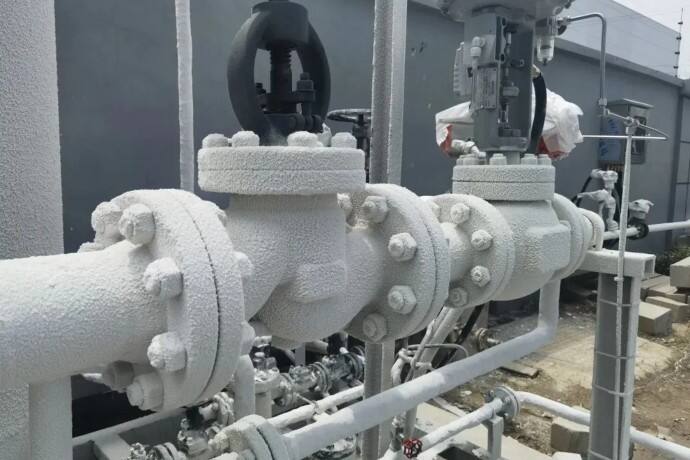
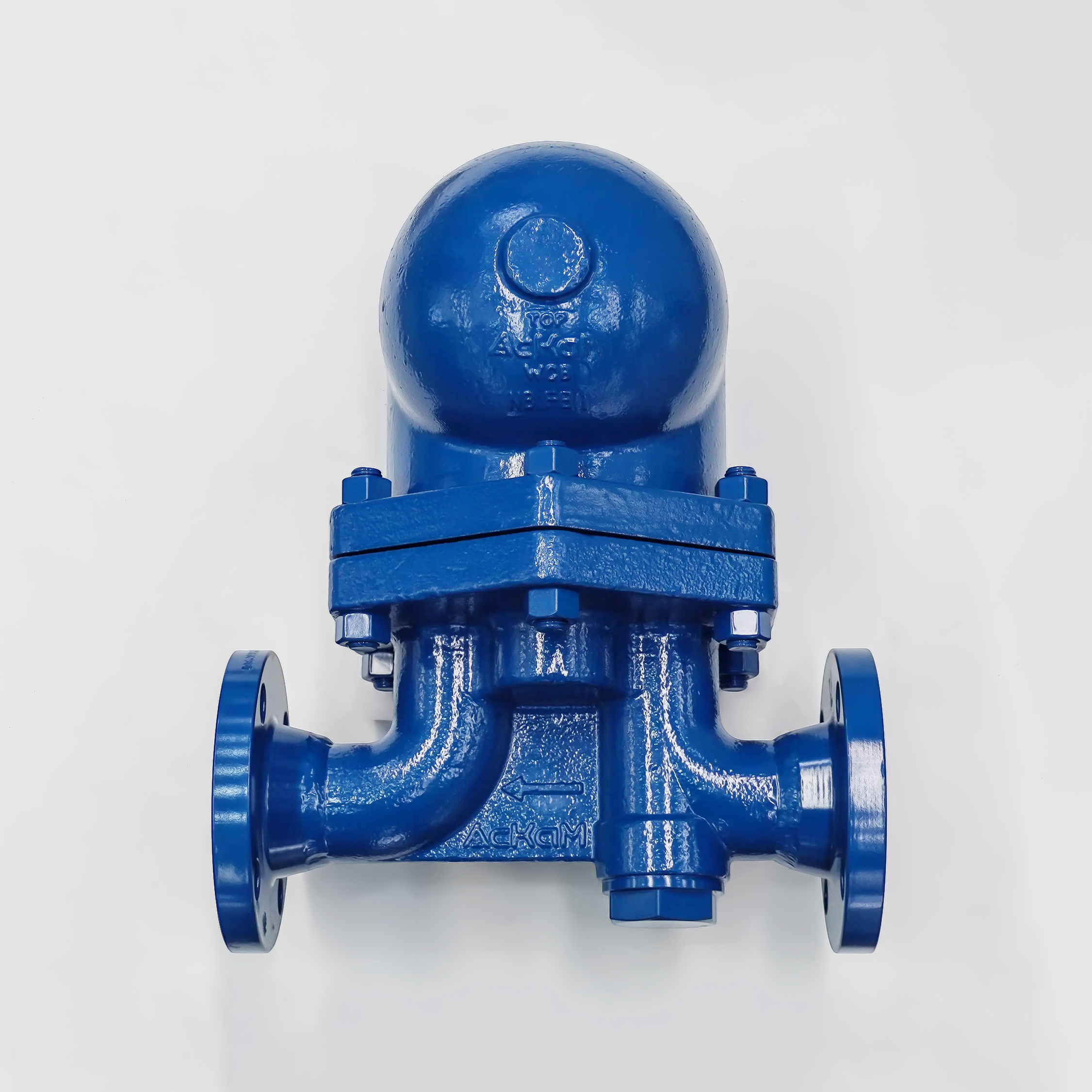
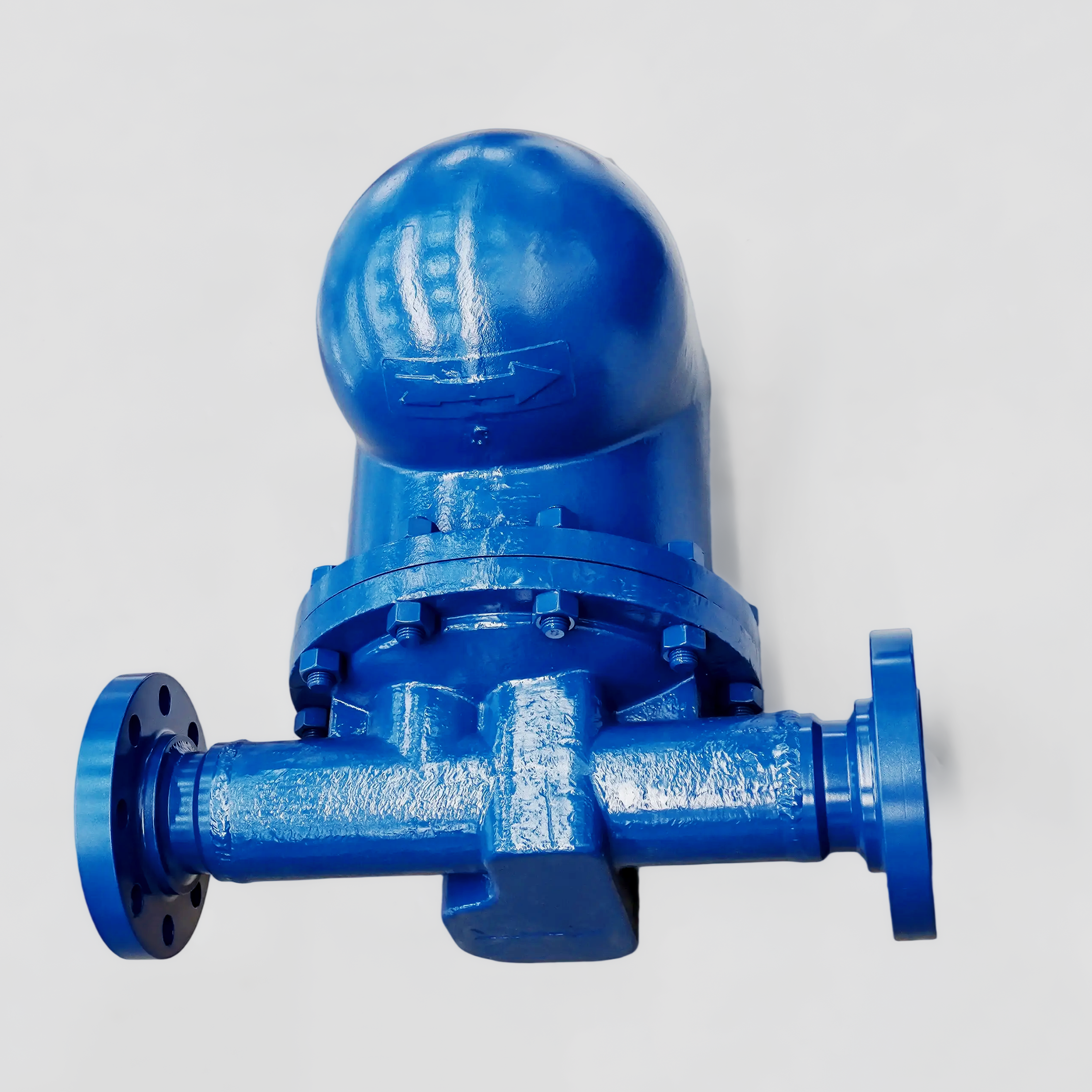
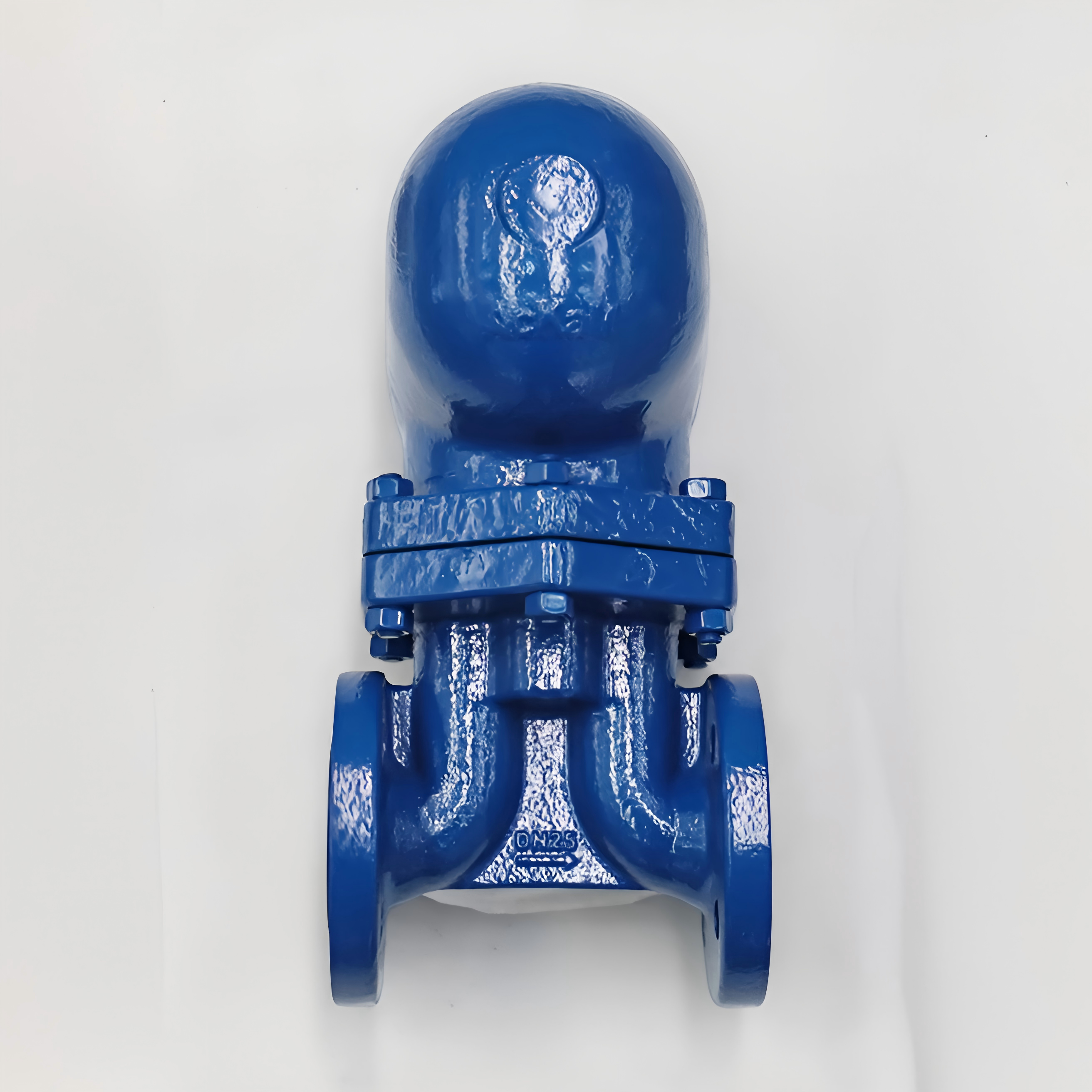
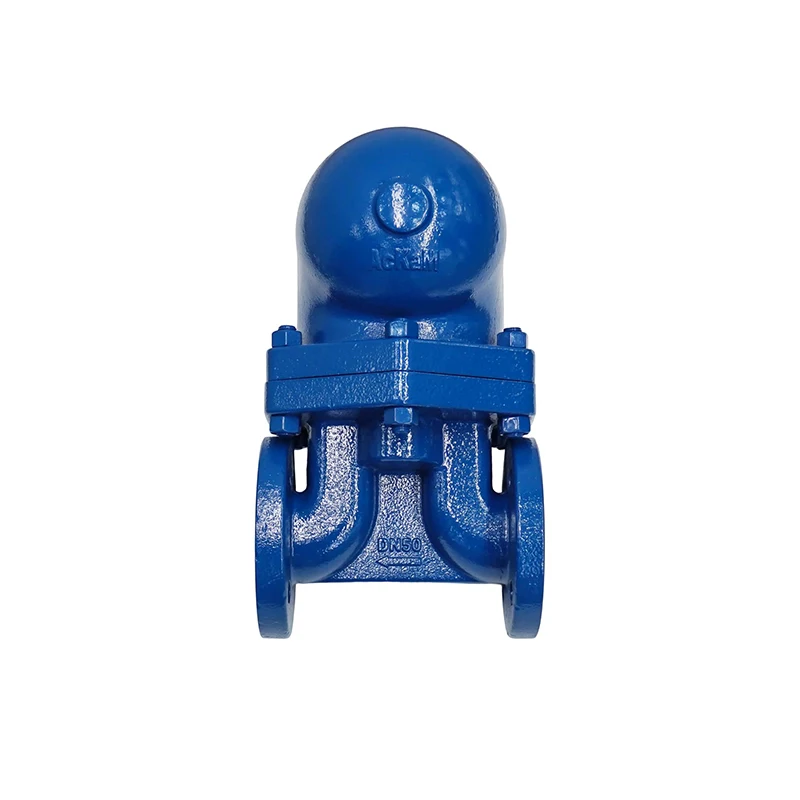
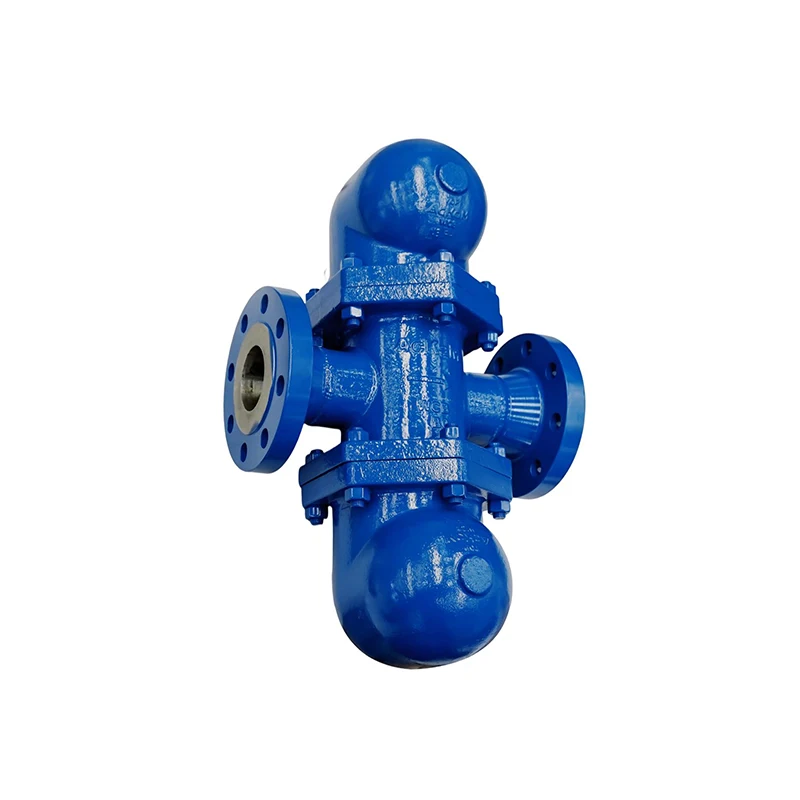
The float and thermostatic trap represents a sophisticated steam system component that combines two essential mechanisms to deliver superior condensate removal and energy efficiency. This innovative device integrates a float-operated valve with a thermostatic element, creating a comprehensive solution for steam applications across diverse industrial sectors. The float and thermostatic trap operates by utilizing buoyancy principles through its internal float mechanism, which responds to condensate accumulation within the trap body. As steam condenses into water, the float rises with the liquid level, mechanically opening the discharge valve to expel condensate while preventing valuable steam from escaping. The thermostatic component works simultaneously, employing temperature-sensitive materials that react to thermal variations between steam and condensate. This dual-action design ensures optimal performance under varying operating conditions, making the float and thermostatic trap an indispensable component in modern steam systems. The technological features of this trap include precision-engineered float chambers, corrosion-resistant materials, and calibrated thermostatic elements that respond accurately to temperature changes. The float mechanism typically consists of a stainless steel sphere or cylindrical float connected to a lever system that controls valve operation. The thermostatic element contains specialized alloys or bimetallic strips that expand and contract based on temperature fluctuations, providing additional control over steam and condensate separation. Applications for the float and thermostatic trap span numerous industries, including power generation facilities, chemical processing plants, food and beverage production, pharmaceutical manufacturing, and HVAC systems. These traps excel in applications requiring consistent condensate removal, such as steam heating networks, process steam lines, and heat exchangers. The versatility of the float and thermostatic trap makes it suitable for both continuous and intermittent condensate loads, adapting to dynamic operational requirements while maintaining system efficiency and reliability across various pressure and temperature ranges.

New Product Recommendations

The float and thermostatic trap delivers exceptional performance benefits that directly translate into operational savings and enhanced system reliability for industrial facilities. One primary advantage lies in its superior energy efficiency, as the device prevents steam loss while ensuring rapid condensate evacuation. This dual capability reduces fuel consumption and operational costs significantly compared to alternative drainage solutions. The float mechanism responds instantly to condensate presence, eliminating the lag time associated with other trap types and preventing condensate backup that could compromise heat transfer efficiency. The thermostatic element provides additional protection against steam loss by creating a temperature-based barrier that distinguishes between valuable steam and waste condensate. This intelligent design reduces energy waste and improves overall system performance, delivering measurable cost savings over extended operational periods. Maintenance requirements for the float and thermostatic trap remain minimal due to its robust construction and self-regulating design. The mechanical simplicity of the float mechanism reduces wear points and potential failure modes, while the thermostatic element operates without external power sources or complex control systems. This reliability translates into reduced downtime, lower maintenance costs, and improved operational continuity. The trap's ability to handle varying condensate loads automatically eliminates the need for manual adjustments or frequent monitoring, freeing maintenance personnel for other critical tasks. Installation flexibility represents another significant advantage, as the float and thermostatic trap adapts to diverse piping configurations and system layouts. The compact design allows installation in tight spaces while maintaining full operational capability. The device functions effectively in horizontal or vertical orientations, accommodating various installation constraints without compromising performance. This adaptability reduces installation complexity and associated labor costs while ensuring optimal placement within existing steam systems. The float and thermostatic trap also demonstrates exceptional durability under demanding operating conditions. High-quality materials resist corrosion, thermal stress, and mechanical wear, extending service life beyond conventional alternatives. The device maintains consistent performance across wide pressure and temperature ranges, ensuring reliable operation in challenging industrial environments. This longevity reduces replacement frequency and total cost of ownership while providing dependable service throughout extended operational cycles.

Practical Tips

Soaring to New Heights: AcKaM Industrial Surges in Billion-Dollar Market with 200% H1 Sales Growth

04

Nov

Soaring to New Heights: AcKaM Industrial Surges in Billion-Dollar Market with 200% H1 Sales Growth

View More
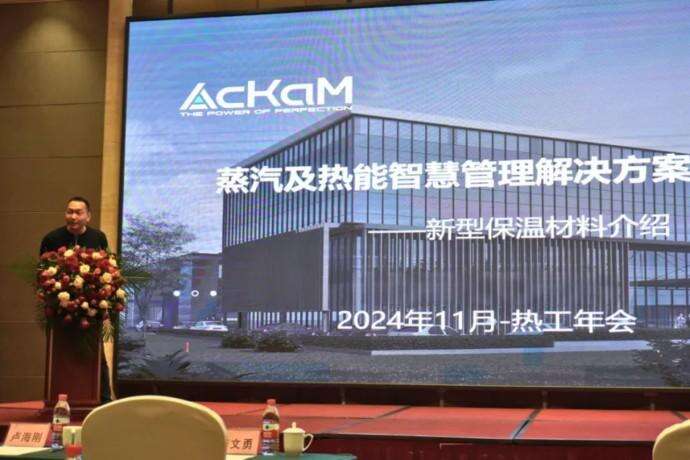
Innovation in Thermal Insulation Technology! AcKaM Delivers Keynote Speech at 2024 National Thermal Engineering Conference

05

Nov

Innovation in Thermal Insulation Technology! AcKaM Delivers Keynote Speech at 2024 National Thermal Engineering Conference

View More
AcKaM: Riding the Trillion-Yuan Wave to Pioneer Innovation

04

Nov

AcKaM: Riding the Trillion-Yuan Wave to Pioneer Innovation

View More

Get a Free Quote

Our representative will contact you soon.
Email
Name
Company Name
Message
0/1000

float and thermostatic trap

Advanced Dual-Mechanism Technology

Advanced Dual-Mechanism Technology

The float and thermostatic trap incorporates cutting-edge dual-mechanism technology that sets it apart from conventional steam traps in the marketplace. This innovative design combines the reliability of mechanical float operation with the precision of thermostatic control, creating a synergistic effect that maximizes condensate removal efficiency while minimizing steam loss. The float mechanism operates on fundamental buoyancy principles, utilizing a precisely calibrated float chamber that responds immediately to condensate accumulation. As steam condenses within the trap body, the resulting liquid raises the internal float, which connects to a mechanical linkage system that opens the discharge valve proportionally to condensate volume. This mechanical response ensures instantaneous drainage without electrical controls or external power sources, providing fail-safe operation even during power outages or control system failures. The thermostatic element adds a sophisticated layer of control by monitoring temperature differentials between steam and condensate phases. This component typically employs bimetallic strips, thermal expansion capsules, or specialized alloy elements that respond predictably to temperature variations. When steam temperatures exceed condensate temperatures, the thermostatic element restricts valve opening, preventing valuable steam from escaping while allowing cooler condensate to discharge freely. This temperature-based discrimination ensures optimal energy conservation and system efficiency. The integration of these two mechanisms creates a self-regulating system that adapts automatically to varying operational conditions. During startup periods when condensate loads are heavy, the float mechanism dominates operation, ensuring rapid drainage and quick system heating. During steady-state operation, the thermostatic element provides fine control, maintaining the optimal balance between condensate removal and steam retention. This dual-mechanism approach eliminates the limitations associated with single-function traps, providing superior performance across diverse operating scenarios while maintaining consistent reliability and efficiency throughout varying load conditions.
Exceptional Condensate Handling Capacity

Exceptional Condensate Handling Capacity

The float and thermostatic trap demonstrates remarkable condensate handling capacity that addresses the demanding requirements of high-volume industrial steam systems. This exceptional capability stems from the trap's optimized internal design, which maximizes flow area while maintaining compact external dimensions suitable for space-constrained installations. The float chamber geometry allows for substantial condensate accumulation without compromising discharge efficiency, enabling the trap to handle both continuous and intermittent condensate loads effectively. The oversized float responds proportionally to liquid levels, opening the discharge valve progressively to match condensate inflow rates. This proportional response prevents the cycling behavior common in other trap types, ensuring smooth, continuous condensate removal that maintains optimal heat transfer efficiency throughout the steam system. The trap's ability to handle varying condensate loads makes it particularly valuable in applications with fluctuating steam demands, such as process heating systems, building HVAC networks, and industrial manufacturing operations where condensate generation varies with production cycles. During peak load conditions, the float and thermostatic trap maintains consistent drainage performance without backup or overflow issues that could compromise system efficiency or create safety hazards. The robust internal components withstand the hydraulic forces associated with high-volume condensate flows while maintaining precise control over steam retention. This capacity advantage translates directly into improved system reliability and reduced risk of water hammer, thermal shock, or other hydraulic disturbances that can damage downstream equipment or compromise process control. Additionally, the trap's superior condensate handling capability enables system designers to specify fewer units for large installations, reducing initial capital costs, installation complexity, and ongoing maintenance requirements. The ability to consolidate condensate drainage points simplifies system layouts while maintaining comprehensive coverage, providing both economic and operational advantages for facility owners and operators seeking efficient, reliable steam system performance.
Outstanding Durability and Service Life

Outstanding Durability and Service Life

The float and thermostatic trap delivers exceptional durability and extended service life that provides outstanding value for industrial steam applications. This remarkable longevity results from premium materials selection, precision manufacturing processes, and robust design principles that address the challenging conditions prevalent in steam systems. The trap body typically employs high-grade stainless steel, cast iron, or specialized alloys that resist corrosion, thermal stress, and mechanical wear associated with continuous steam exposure. Internal components receive similar attention to material quality, with float assemblies constructed from corrosion-resistant materials that maintain buoyancy characteristics throughout extended service periods. The thermostatic elements utilize proven metallurgical technologies, including bimetallic composites and specialized expansion alloys that retain calibration accuracy despite repeated thermal cycling. These materials maintain their responsiveness and precision over thousands of operating cycles, ensuring consistent performance throughout the trap's service life. The mechanical simplicity of the float and thermostatic trap contributes significantly to its durability by minimizing wear points and potential failure modes. Unlike complex electronic or pneumatic controls, the mechanical operation relies on fundamental physical principles that remain constant regardless of external factors such as power fluctuations, control signal integrity, or environmental conditions. This inherent reliability reduces maintenance interventions and extends operational periods between service requirements. The trap's ability to operate effectively across wide pressure and temperature ranges further demonstrates its robust construction and design margins that accommodate system variations without compromising performance or longevity. Quality manufacturing processes ensure precise tolerances and optimal fit between moving components, reducing friction and wear while maintaining smooth operation throughout the service life. Advanced surface treatments and protective coatings provide additional protection against corrosive environments and aggressive condensate conditions. The combination of superior materials, robust design, and precision manufacturing results in service lives that often exceed alternative drainage solutions by significant margins, providing exceptional return on investment through reduced replacement costs, minimized downtime, and consistent operational performance over extended periods.

Get a Free Quote

Our representative will contact you soon.
Email
Name
Company Name
Message
0/1000