Energy Conservation and Cost Savings
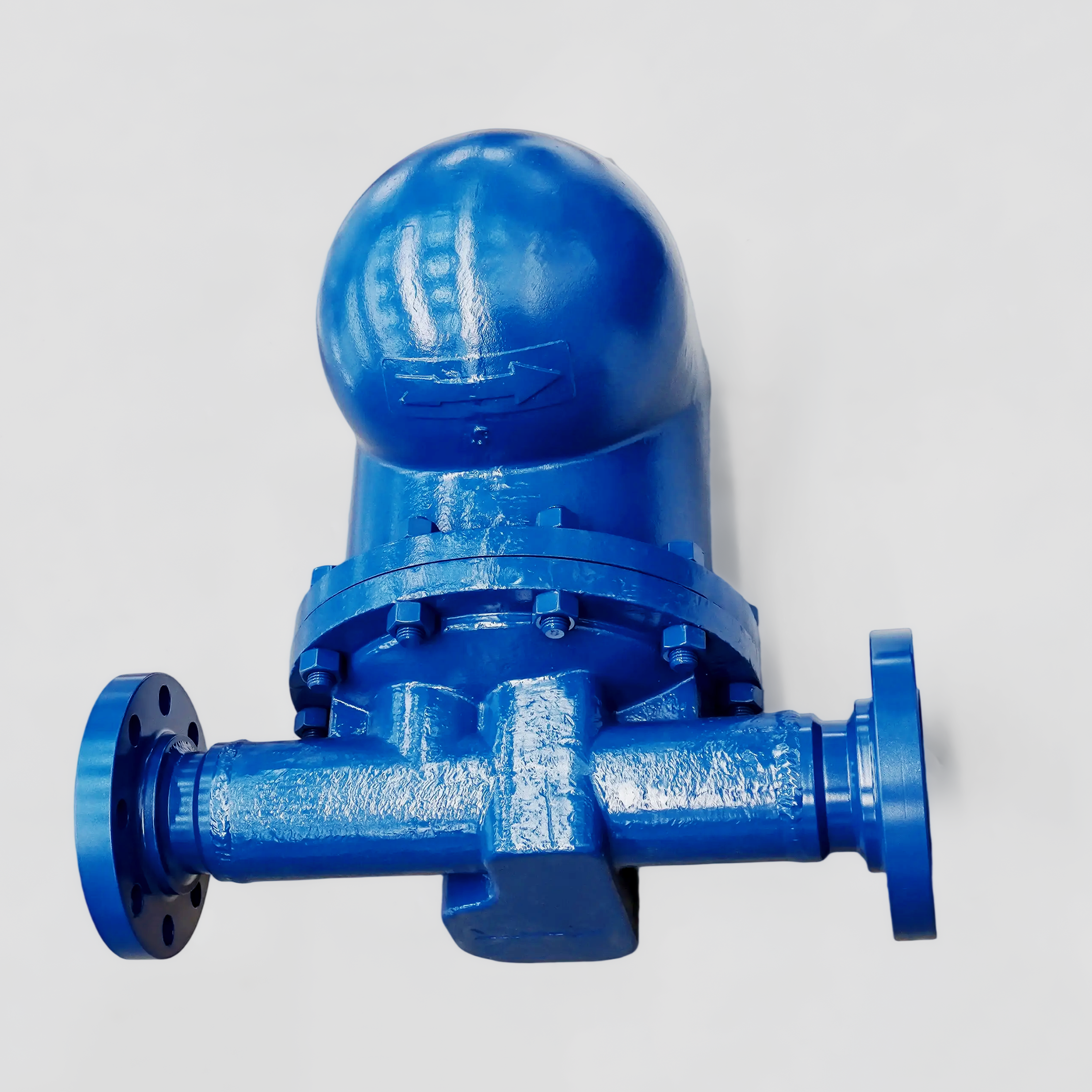
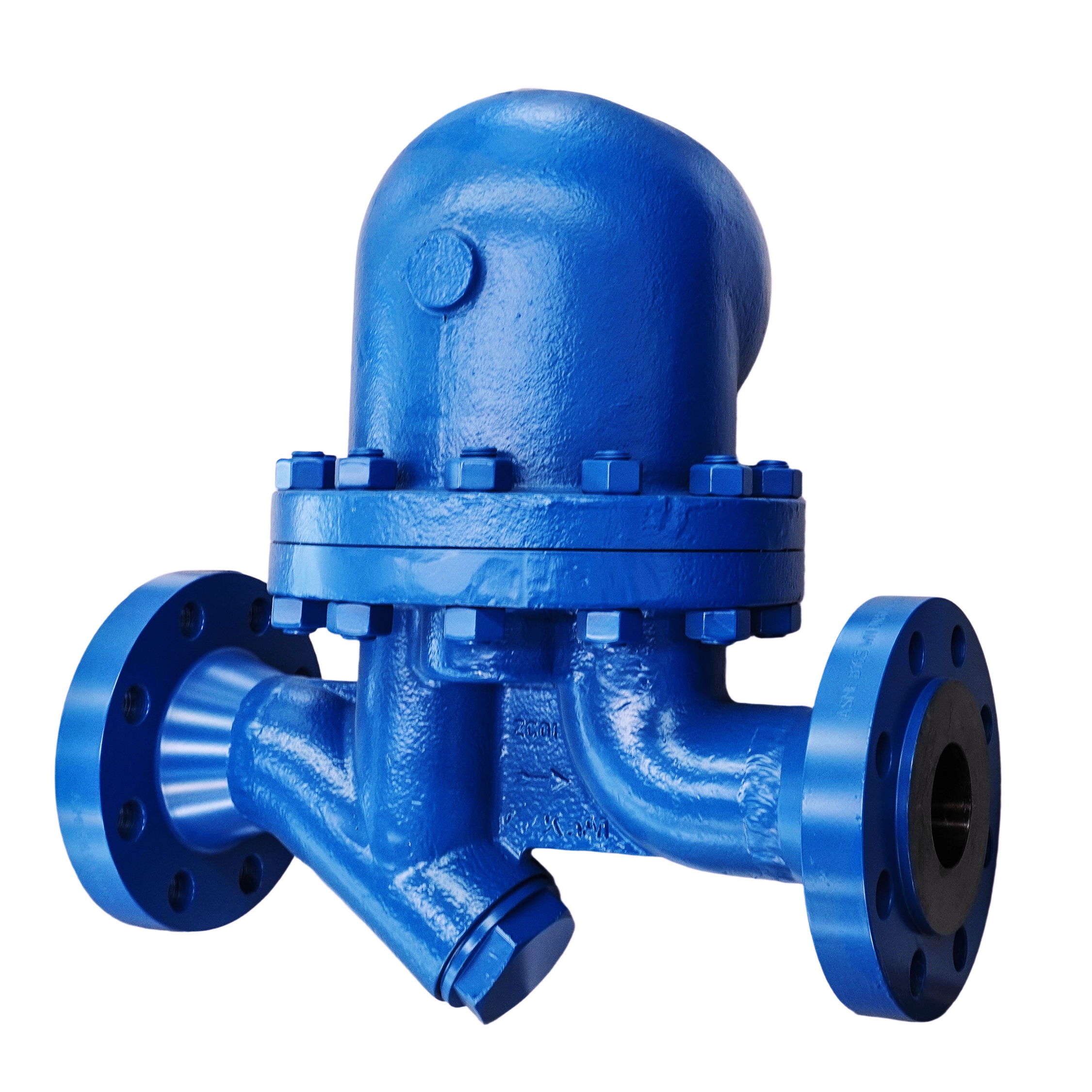
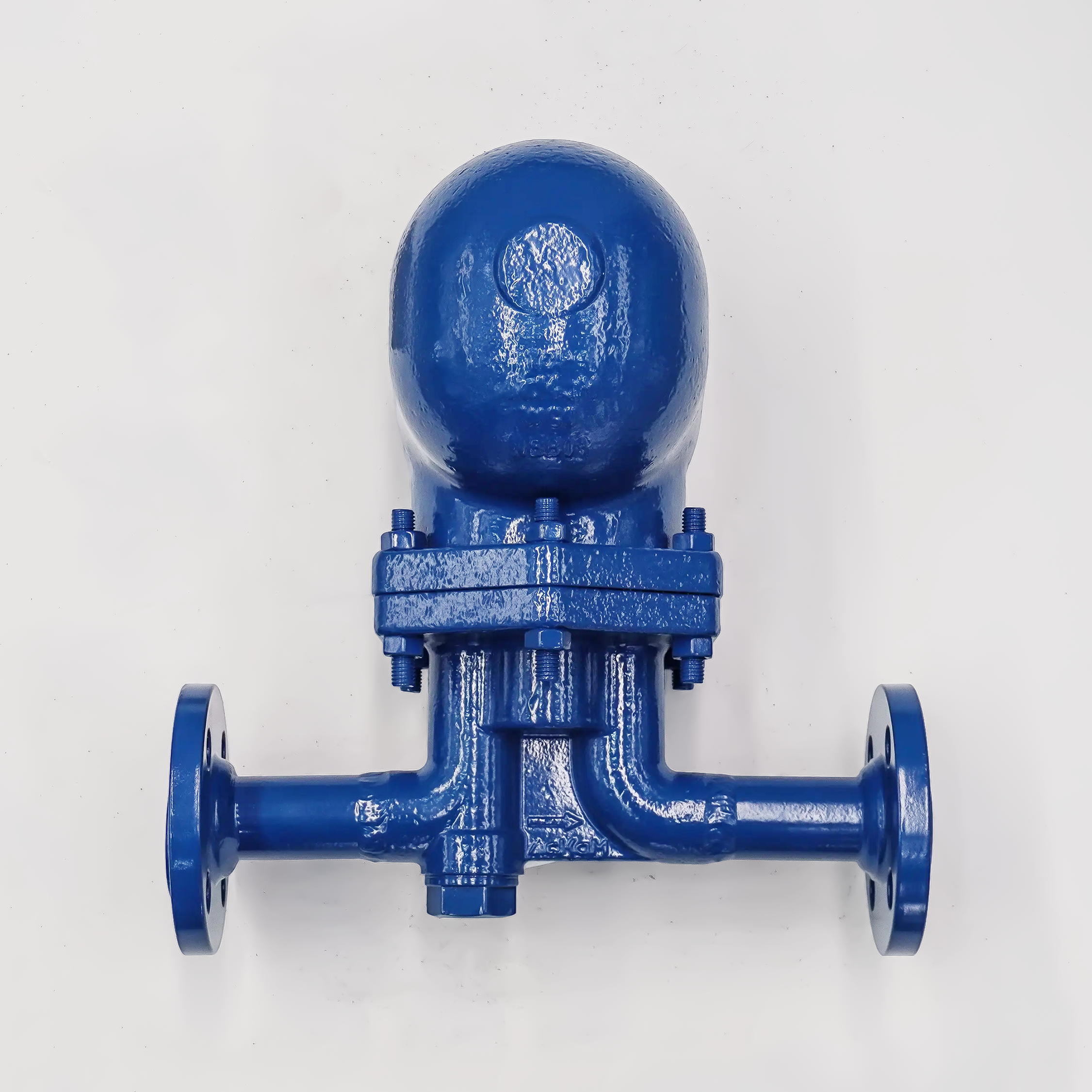
The exceptional energy conservation capabilities of the float type steam trap generate substantial cost savings that provide rapid return on investment for industrial facilities. These devices prevent steam loss through precise valve control that opens only when condensate requires removal, eliminating wasteful blow-through that occurs with time-based or manually operated drainage systems. Energy audits consistently demonstrate that properly functioning float type steam trap installations reduce steam consumption by fifteen to twenty-five percent compared to facilities using inferior drainage methods. The cost savings multiply across large steam distribution networks where multiple trap locations compound the efficiency improvements throughout the entire system. Heat recovery opportunities increase with float type steam trap installation because consistent condensate removal maintains optimal temperature differentials that maximize energy extraction from steam systems. Reduced boiler fuel consumption directly results from improved steam utilization efficiency, creating measurable operational cost reductions that appear immediately on utility bills. The float type steam trap prevents energy losses caused by system inefficiencies such as water hammer effects, incomplete heat transfer, and pressure fluctuations that waste fuel resources. Maintenance cost reductions contribute significantly to overall savings because reliable automatic operation eliminates expensive emergency repairs and unscheduled downtime events. System longevity improvements reduce capital replacement costs by protecting expensive piping, heat exchangers, and process equipment from condensate-related damage. Environmental benefits accompany the cost savings as reduced fuel consumption lowers carbon emissions and supports sustainability initiatives that many organizations prioritize. Investment payback periods for float type steam trap installations typically range from six months to two years, depending on system size and operating conditions. Long-term operational data confirms that energy savings continue accumulating throughout the equipment lifespan, often exceeding initial investment costs by substantial margins. Facility managers report improved budget predictability with float type steam trap systems because consistent performance enables accurate energy cost forecasting and maintenance planning.