High-Performance Float Trap Systems: Reliable Steam Condensate Removal Solutions for Industrial Applications

All Categories

Get a Free Quote

Our representative will contact you soon.
Email
Name
Company Name
Message
0/1000

float trap

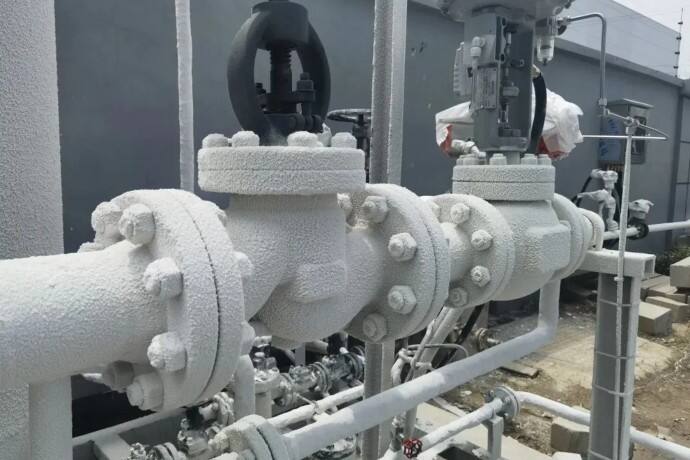
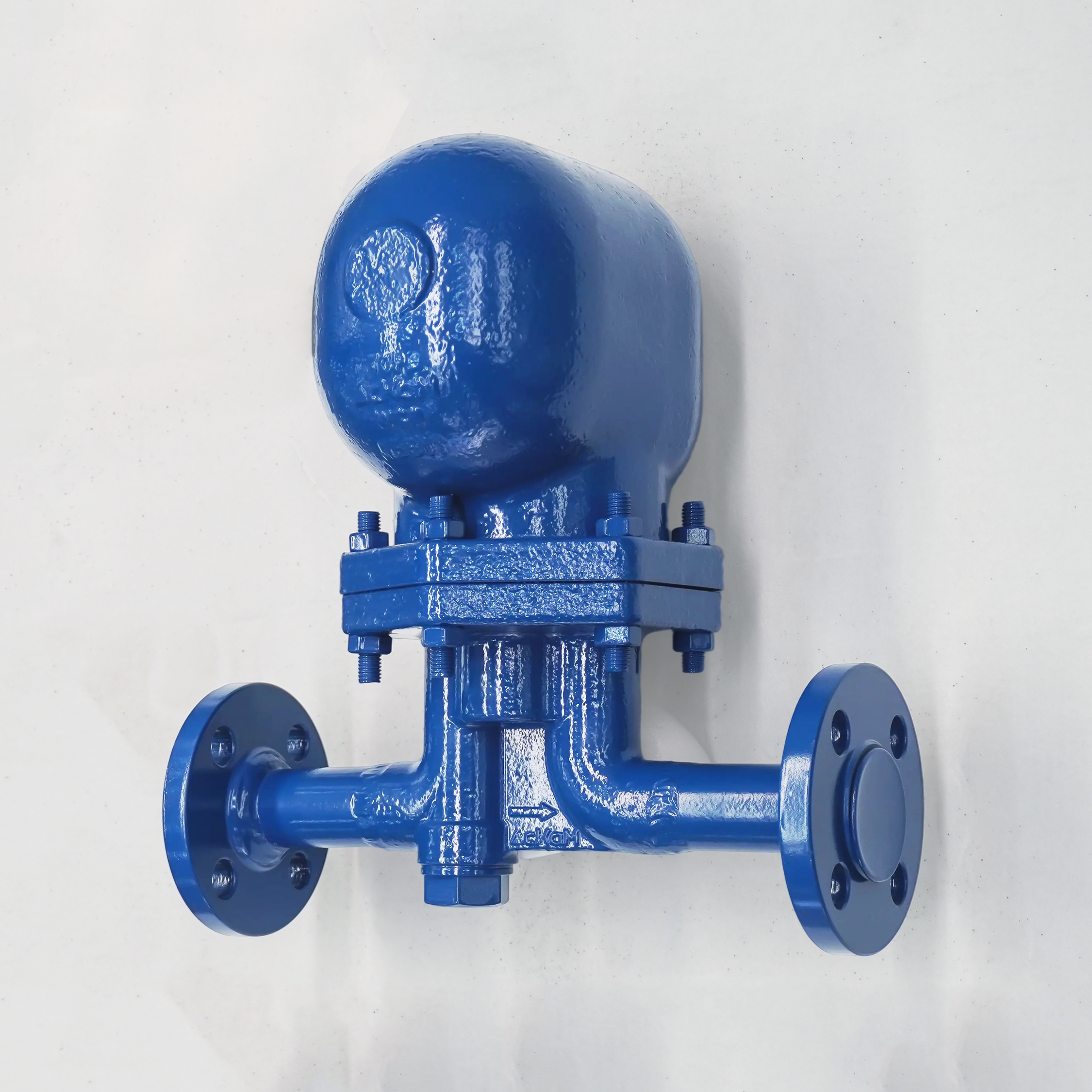
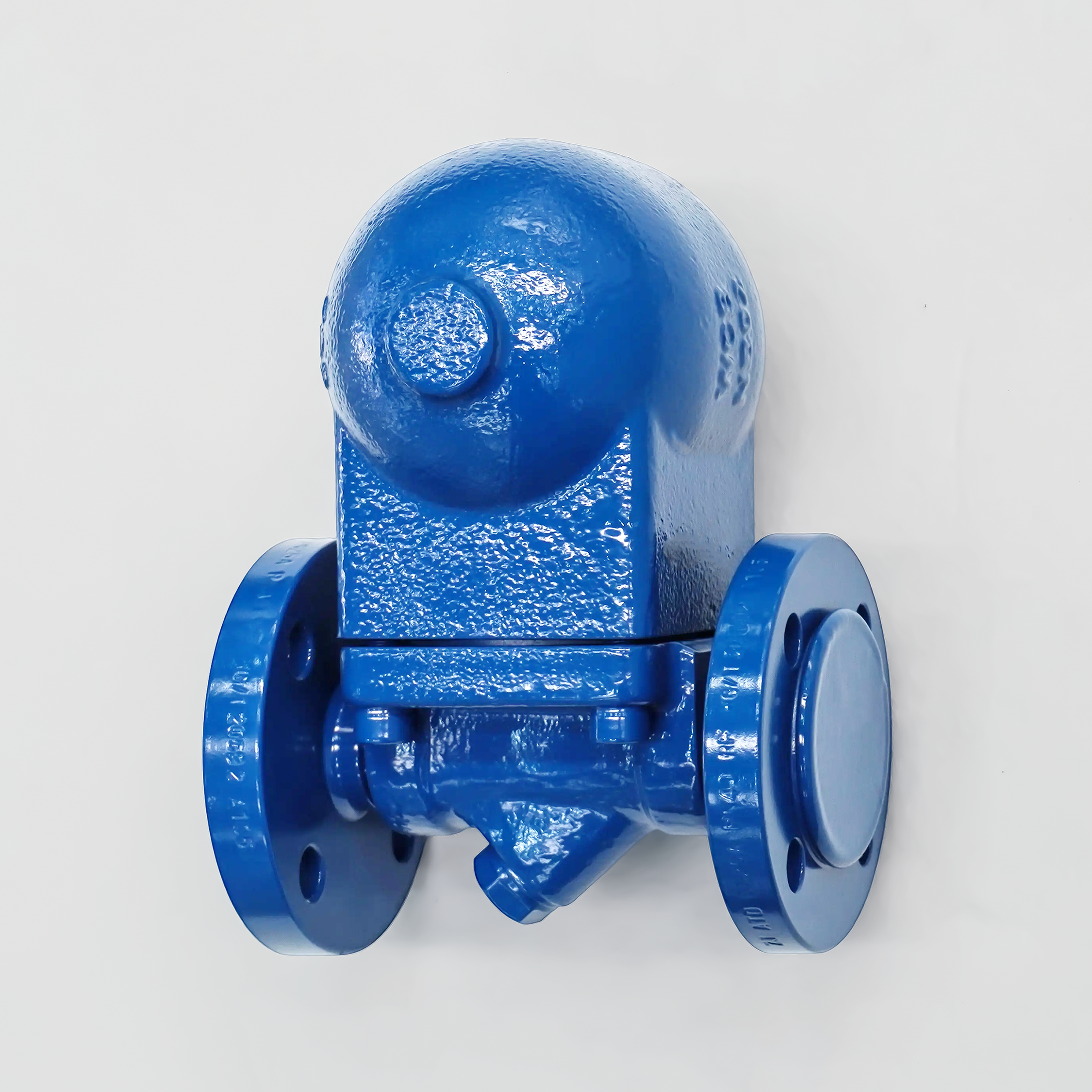
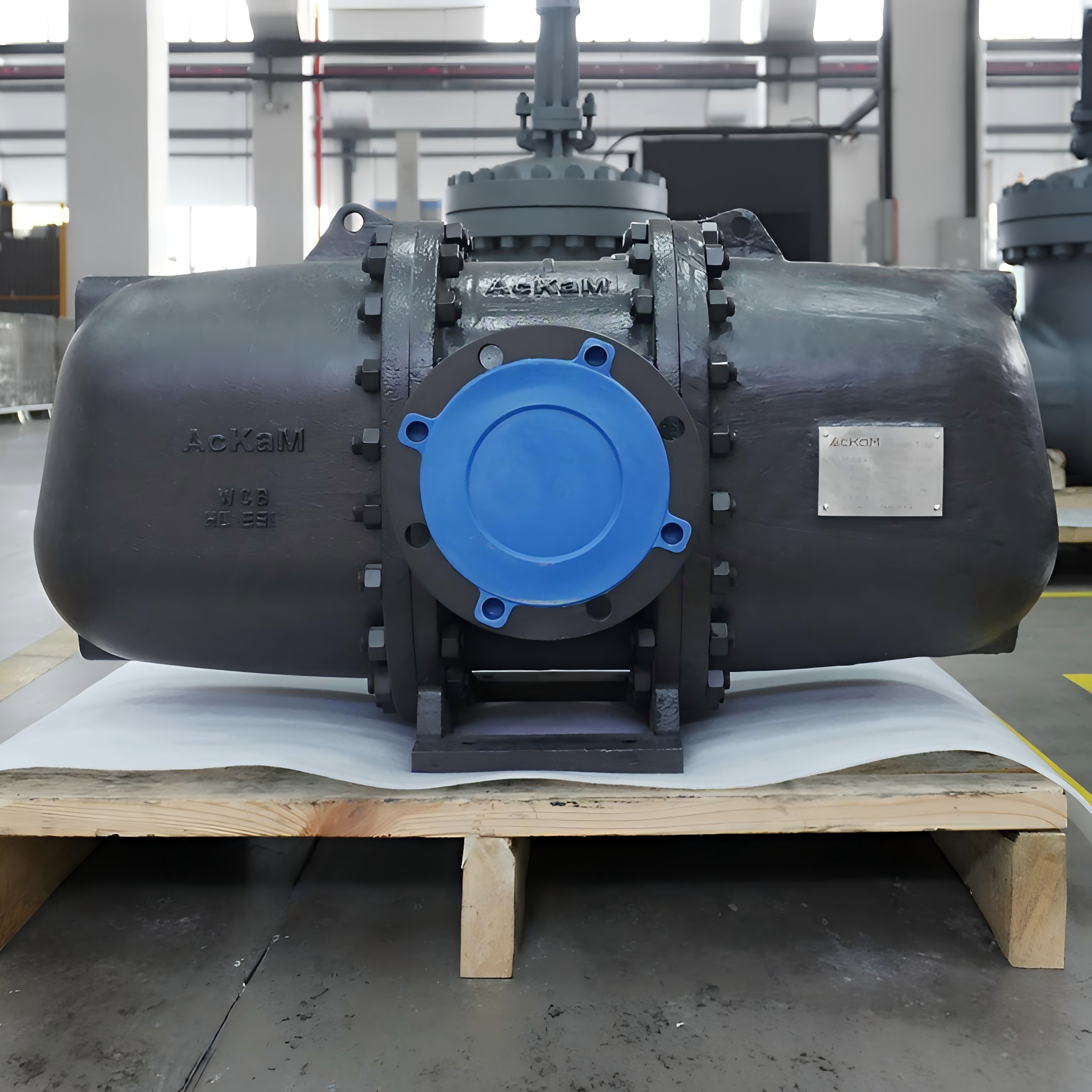
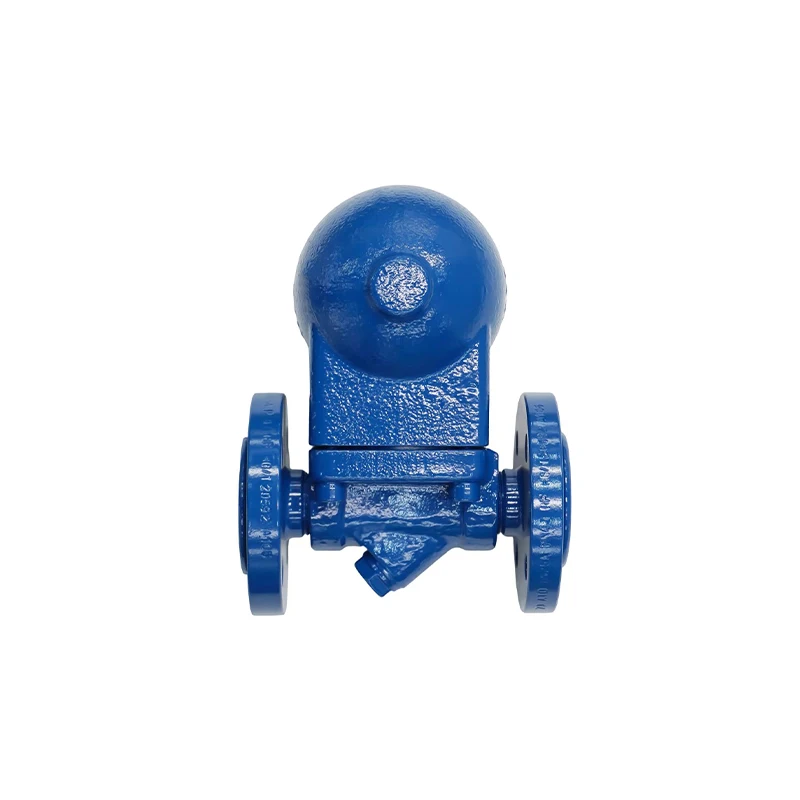
A float trap represents a sophisticated steam system component designed to automatically remove condensate while preventing valuable steam from escaping. This mechanical device operates through a precisely engineered buoyancy principle, utilizing a hollow metallic float that responds to liquid levels within the trap body. When condensate enters the float trap chamber, the rising liquid level causes the float to ascend, mechanically opening a discharge valve that expels the accumulated water. As condensate drains and steam pressure builds, the float descends, closing the valve to retain steam within the system. The float trap mechanism incorporates robust construction materials, typically featuring cast iron or stainless steel bodies that withstand high-pressure environments and corrosive condensate conditions. Modern float trap designs integrate advanced sealing technologies, ensuring leak-proof operation throughout extended service periods. The internal float mechanism utilizes precision-balanced components that respond accurately to varying condensate loads, making these devices suitable for continuous operation in demanding industrial applications. Float trap installations commonly feature threaded or flanged connections, facilitating straightforward integration into existing steam distribution networks. Temperature ratings for standard float trap models typically range from ambient conditions to 450 degrees Fahrenheit, accommodating most commercial and industrial steam applications. Pressure capabilities extend from low-pressure heating systems to high-pressure industrial processes, with specialized float trap variants engineered for extreme operating conditions. The compact design profile of modern float trap units enables installation in space-constrained locations while maintaining full operational effectiveness. Regular maintenance requirements for float trap systems remain minimal, primarily involving periodic inspection of float movement and valve sealing surfaces to ensure optimal performance throughout the operational lifecycle.

Popular Products

Float trap technology delivers exceptional operational reliability through its mechanical design that requires no external power sources or complex control systems. This self-contained operation ensures continuous condensate removal even during power outages or control system failures, maintaining steam system efficiency under all conditions. The robust mechanical construction of float trap units provides superior durability compared to electronic alternatives, significantly reducing maintenance costs and minimizing system downtime. Users benefit from precise condensate discharge control that prevents steam loss while ensuring complete water removal, optimizing energy efficiency across steam distribution systems. Installation simplicity represents another key advantage, as float trap units connect directly to existing piping without requiring electrical connections or sophisticated control interfaces. The instantaneous response capability of float trap mechanisms ensures rapid condensate evacuation, preventing water hammer conditions that can damage sensitive equipment and piping systems. Cost-effectiveness emerges as a primary benefit, with float trap units offering lower initial investment costs compared to electronic steam trap alternatives while delivering comparable performance levels. Maintenance simplicity translates to reduced operational expenses, as float trap servicing requires only basic mechanical skills and standard tools, eliminating the need for specialized technicians or expensive diagnostic equipment. Energy savings result from the precise steam retention capabilities of float trap systems, which prevent valuable steam from escaping while maintaining optimal heat transfer efficiency throughout connected equipment. The versatile application range of float trap technology accommodates diverse industrial processes, from food processing facilities to chemical manufacturing plants, providing consistent performance across varied operating conditions. Long service life characteristics of quality float trap units justify the initial investment through years of reliable operation, often exceeding the operational lifespan of alternative condensate removal technologies. Environmental benefits include reduced energy consumption and lower emissions, as efficient condensate removal maximizes steam system performance while minimizing fuel requirements for steam generation.

Practical Tips

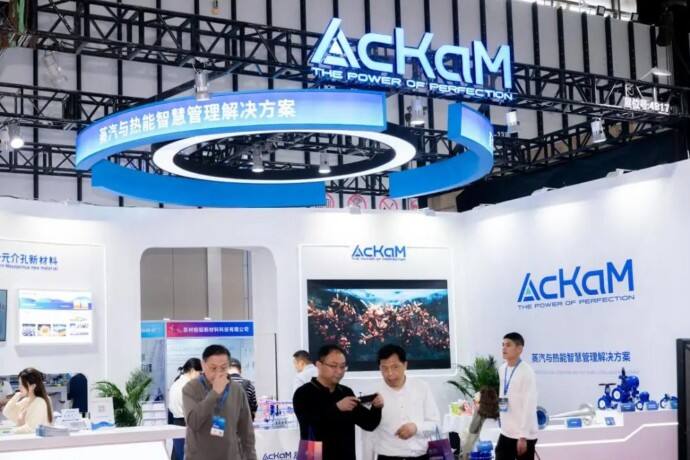
Soaring to New Heights: AcKaM Industrial Surges in Billion-Dollar Market with 200% H1 Sales Growth

04

Nov

Soaring to New Heights: AcKaM Industrial Surges in Billion-Dollar Market with 200% H1 Sales Growth

View More
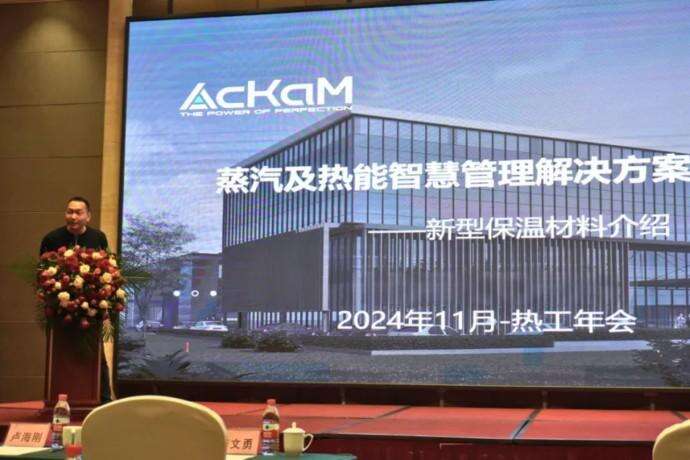
Innovation in Thermal Insulation Technology! AcKaM Delivers Keynote Speech at 2024 National Thermal Engineering Conference

05

Nov

Innovation in Thermal Insulation Technology! AcKaM Delivers Keynote Speech at 2024 National Thermal Engineering Conference

View More
AcKaM: Riding the Trillion-Yuan Wave to Pioneer Innovation

04

Nov

AcKaM: Riding the Trillion-Yuan Wave to Pioneer Innovation

View More

Get a Free Quote

Our representative will contact you soon.
Email
Name
Company Name
Message
0/1000

float trap

Advanced Mechanical Reliability

Advanced Mechanical Reliability

The mechanical reliability of float trap systems stands as their most compelling feature, delivering unmatched operational consistency through pure physics-based functionality. Unlike electronic steam traps that depend on sensors, circuits, and power supplies, float trap mechanisms operate through fundamental buoyancy principles that remain constant regardless of external conditions. This mechanical approach eliminates failure points associated with electrical components, ensuring continuous operation even during power fluctuations or electromagnetic interference events. The precision-engineered float assembly responds instantly to condensate level changes, providing real-time discharge control without delay or calibration drift. Internal components utilize corrosion-resistant materials and precision machining to maintain tight tolerances throughout extended service periods, ensuring consistent performance across millions of operational cycles. The mechanical nature of float trap operation means that system failures typically occur gradually and predictably, allowing maintenance teams to schedule repairs during planned downtime rather than responding to unexpected breakdowns. Quality float trap designs incorporate redundant sealing mechanisms and backup safety features that maintain basic functionality even when primary components show wear, extending useful service life significantly. The absence of complex control algorithms or software-dependent operations eliminates compatibility issues with existing steam systems, making float trap integration seamless across diverse industrial environments. Mechanical reliability translates directly to reduced insurance costs and lower business risk, as dependable condensate removal prevents costly equipment damage from water hammer or corrosion events. Field performance data consistently demonstrates superior uptime percentages for mechanical float trap installations compared to electronic alternatives, validating the inherent reliability advantage of this proven technology approach.
Superior Energy Efficiency

Superior Energy Efficiency

Energy efficiency optimization represents a critical advantage of float trap technology, delivering measurable cost savings through precise steam conservation and optimal condensate management. The instantaneous response characteristics of float trap mechanisms ensure that valuable steam remains within the distribution system while condensate evacuates immediately upon formation. This precise control prevents the energy waste associated with steam blow-through conditions common in other trap technologies, where live steam escapes along with condensate discharge. Float trap systems maintain consistent back-pressure levels that optimize heat transfer efficiency in connected equipment, ensuring that steam energy transfers completely to the intended process before condensate forms. The mechanical precision of float trap operation eliminates the cycling losses experienced with thermostatic or thermodynamic trap alternatives, where periodic full-opening events discharge steam along with condensate. Energy audits consistently demonstrate that properly sized float trap installations reduce overall steam consumption by preventing live steam loss while maintaining optimal condensate subcooling levels. The continuous discharge capability of float trap systems prevents condensate accumulation that reduces heat transfer effectiveness in steam-heated equipment, maximizing the thermal energy extraction from each pound of steam generated. Reduced steam generation requirements translate directly to lower fuel consumption and decreased boiler operating costs, creating substantial operational savings that accumulate throughout the system lifecycle. Environmental benefits accompany the energy efficiency gains, as reduced fuel consumption decreases carbon emissions and supports corporate sustainability initiatives. The precision temperature control enabled by efficient float trap operation improves product quality in manufacturing processes while reducing energy waste, delivering dual benefits of cost reduction and enhanced output quality. Long-term energy savings often exceed the initial float trap investment within the first operational year, making this technology an attractive return-on-investment proposition for energy-conscious organizations.
Versatile Application Range

Versatile Application Range

The exceptional versatility of float trap technology enables successful deployment across an extraordinarily diverse range of industrial applications, from delicate food processing operations to heavy manufacturing environments. This adaptability stems from the inherent scalability of float trap designs, which accommodate varying condensate loads, pressure ranges, and temperature conditions through mechanical adjustments rather than complex reprogramming. Food and beverage processing facilities benefit from float trap installations that handle the precise temperature control requirements of pasteurization, sterilization, and cooking processes while maintaining sanitary conditions essential for product safety. Chemical processing plants utilize specialized float trap configurations that resist corrosive condensate conditions while providing reliable condensate removal in reactor heating, distillation columns, and pipeline tracing applications. Power generation facilities integrate float trap systems into feedwater heating trains, turbine extraction lines, and auxiliary steam systems where reliable condensate recovery directly impacts overall plant efficiency. Pharmaceutical manufacturing operations depend on float trap precision for maintaining sterile processing conditions while ensuring complete condensate removal from sterilization equipment and clean steam distribution networks. Textile industry applications leverage float trap reliability for consistent temperature control in dyeing processes, fabric finishing operations, and steam press applications where product quality depends on precise heat delivery. Hospital and healthcare facility steam systems utilize float trap technology for sterilization equipment, laundry operations, and building heating systems where operational reliability directly impacts patient care capabilities. Educational institutions and commercial buildings benefit from float trap installations in heating systems that provide consistent comfort conditions while minimizing energy costs through efficient condensate management. Marine and offshore applications require float trap systems capable of withstanding harsh environmental conditions while maintaining reliable operation in critical steam systems supporting vessel operations and offshore platform processes. The modular design approach of modern float trap systems enables custom configurations that address unique application requirements while maintaining the fundamental reliability and efficiency advantages inherent in float trap technology.
Get a Free Quote

Our representative will contact you soon.
Email
Name
Company Name
Message
0/1000