Intelligent Buoyancy Control System
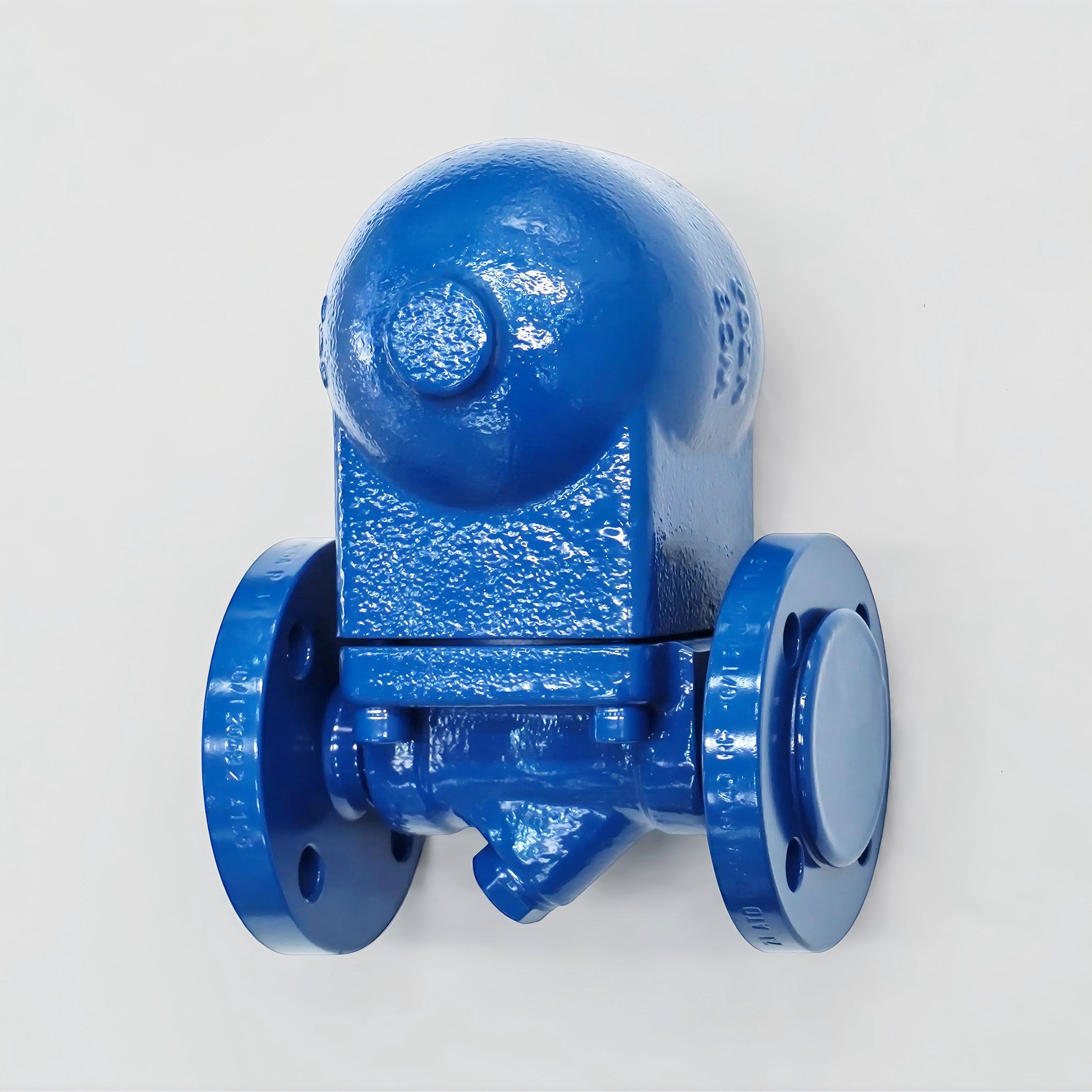
The trap float features an revolutionary intelligent buoyancy control system that automatically adjusts flotation characteristics based on real-time environmental conditions and load requirements. This sophisticated system combines advanced sensors, microprocessor technology, and precision-controlled chambers to maintain optimal positioning accuracy regardless of external factors such as waves, currents, or payload variations. The intelligent control system continuously monitors water density, temperature, current velocity, and load distribution to calculate optimal buoyancy settings for maximum stability and performance. High-precision pressure sensors integrated throughout the trap float structure provide instantaneous feedback on buoyancy distribution, allowing the control system to make micro-adjustments that maintain perfect equilibrium. The system processes over 1000 data points per second, ensuring rapid response to changing conditions that could affect positioning accuracy. This level of precision proves invaluable for applications requiring exact positioning tolerances, such as underwater construction projects, scientific research platforms, and offshore equipment installations. The intelligent buoyancy control system also incorporates predictive algorithms that anticipate environmental changes based on historical data and weather forecasting information. This proactive approach allows the trap float to adjust buoyancy settings in advance of changing conditions, maintaining stable positioning throughout operational periods. For customers, this technology eliminates the need for manual adjustments and reduces the risk of positioning errors that could compromise project success or safety. The system includes multiple operating modes tailored to specific applications, from high-precision positioning for scientific equipment to dynamic response modes for construction activities. Remote monitoring capabilities enable operators to track trap float performance from shore-based control centers, providing real-time status updates and performance metrics. The intelligent system also maintains comprehensive operational logs that support maintenance planning and performance optimization. Energy efficiency represents another key benefit, as the system minimizes power consumption through optimized control algorithms that reduce unnecessary adjustments. Battery backup systems ensure continued operation during power outages, while solar charging options provide sustainable power for extended deployments. The modular design allows for easy upgrades and customization to meet evolving operational requirements.