Heat Tracing for Petrochemical: Advanced Temperature Control Solutions for Industrial Applications

All Categories

Get a Free Quote

Our representative will contact you soon.
Email
Name
Company Name
Message
0/1000

heat tracaing for petrochemical

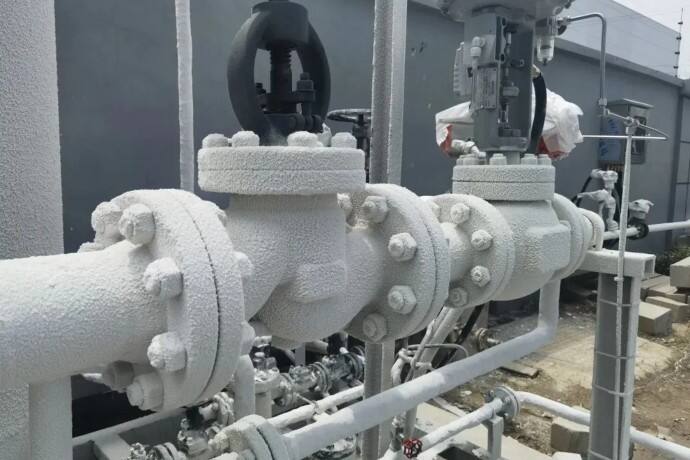
Heat tracing for petrochemical represents a critical technology designed to maintain optimal temperatures in process equipment, pipelines, and storage systems within petrochemical facilities. This sophisticated thermal management system prevents freezing, maintains viscosity, and ensures continuous flow of various petrochemical products including crude oil, refined products, and chemical compounds. The primary function of heat tracing for petrochemical applications involves delivering controlled thermal energy to prevent temperature drops that could compromise product quality, equipment integrity, and operational efficiency. The system operates through electrical or steam-based heating elements strategically installed along pipelines, vessels, and instrumentation to counteract heat loss to the environment. Technological features of heat tracing for petrochemical installations include self-regulating heating cables, constant wattage systems, and mineral insulated cables that adapt to varying ambient conditions and process requirements. These systems incorporate advanced temperature controllers, thermal insulation, and monitoring devices to ensure precise temperature maintenance while minimizing energy consumption. Modern heat tracing for petrochemical facilities utilizes smart sensors and automated control systems that continuously monitor temperature variations and adjust heating output accordingly. The technology encompasses various heating methods including electric resistance heating, induction heating, and steam tracing, each selected based on specific process requirements, safety considerations, and economic factors. Applications span across upstream, midstream, and downstream petrochemical operations, covering crude oil production platforms, refineries, chemical processing plants, and distribution terminals. Heat tracing for petrochemical systems proves essential in preventing wax formation in crude oil pipelines, maintaining catalyst temperatures in reactors, and ensuring proper flow characteristics of heavy hydrocarbons during transportation and storage processes.
New Product Releases

Heat tracing for petrochemical operations delivers substantial cost savings by preventing expensive equipment damage caused by freezing and thermal cycling. Companies implementing heat tracing for petrochemical systems experience reduced maintenance expenses as properly heated equipment operates more reliably and requires fewer repairs. The technology eliminates costly production shutdowns that occur when pipelines freeze or when temperature-sensitive processes fail due to inadequate thermal management. Energy efficiency represents another significant advantage as modern heat tracing for petrochemical installations consumes electricity only when needed, unlike continuous heating systems that waste energy during warmer periods. This smart energy management reduces operational costs while maintaining optimal process conditions. Enhanced safety stands as a primary benefit since heat tracing for petrochemical facilities prevents dangerous conditions such as pipe bursting from freezing and reduces risks associated with manual heating methods. Workers face fewer hazardous situations when automated heat tracing for petrochemical systems maintain safe operating temperatures without requiring direct intervention. Product quality improvements result from consistent temperature control that prevents degradation, separation, or crystallization of petrochemical products during processing and storage. Heat tracing for petrochemical applications ensures products meet specifications by maintaining required viscosity levels and preventing contamination from temperature fluctuations. Operational reliability increases significantly as heat tracing for petrochemical systems provide continuous temperature monitoring and automatic adjustments that prevent unexpected shutdowns. This reliability translates to improved production schedules and better customer service delivery. Environmental benefits emerge as efficient heat tracing for petrochemical operations reduce overall energy consumption compared to alternative heating methods, lowering carbon emissions and supporting sustainability goals. The technology also prevents environmental incidents by maintaining proper temperatures that reduce risks of spills or leaks caused by equipment failure. Flexibility in system design allows heat tracing for petrochemical installations to accommodate various pipe sizes, complex geometries, and different process requirements without extensive modifications to existing infrastructure.

Practical Tips

Soaring to New Heights: AcKaM Industrial Surges in Billion-Dollar Market with 200% H1 Sales Growth

04

Nov

Soaring to New Heights: AcKaM Industrial Surges in Billion-Dollar Market with 200% H1 Sales Growth

View More
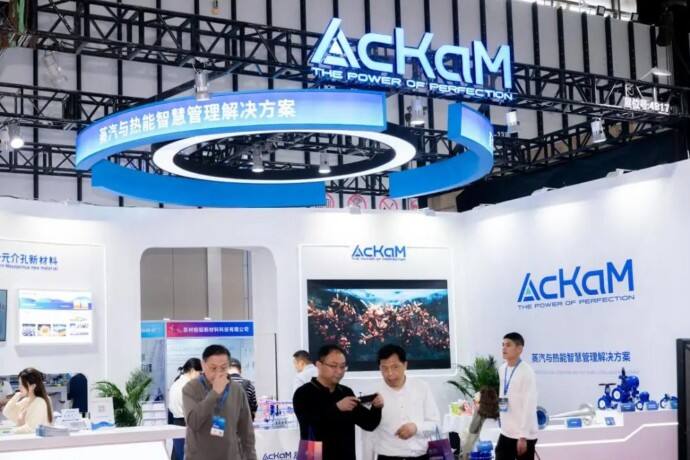
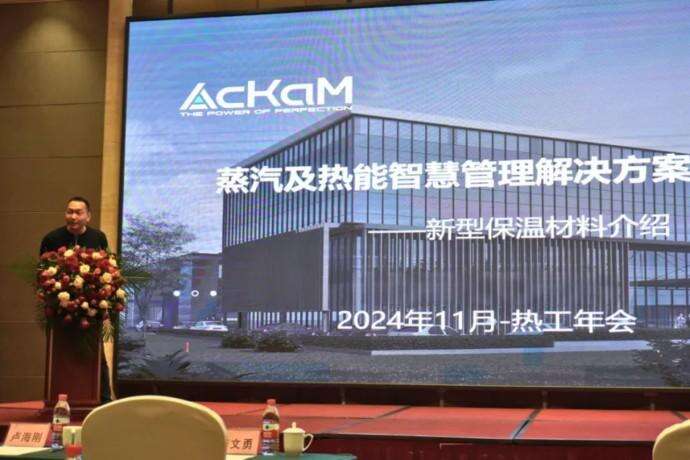
Innovation in Thermal Insulation Technology! AcKaM Delivers Keynote Speech at 2024 National Thermal Engineering Conference

05

Nov

Innovation in Thermal Insulation Technology! AcKaM Delivers Keynote Speech at 2024 National Thermal Engineering Conference

View More
AcKaM: Riding the Trillion-Yuan Wave to Pioneer Innovation

04

Nov

AcKaM: Riding the Trillion-Yuan Wave to Pioneer Innovation

View More

Get a Free Quote

Our representative will contact you soon.
Email
Name
Company Name
Message
0/1000

heat tracaing for petrochemical

Advanced Self-Regulating Technology for Optimal Performance

Advanced Self-Regulating Technology for Optimal Performance

The self-regulating capability of modern heat tracing for petrochemical systems represents a revolutionary advancement that automatically adjusts heating output based on ambient temperature conditions and pipe surface temperatures. This intelligent technology eliminates the risk of overheating while ensuring adequate thermal protection throughout varying weather conditions and operational scenarios. The self-regulating heat tracing for petrochemical applications utilizes polymer-based heating elements that increase resistance as temperatures rise, naturally reducing power consumption and preventing damage to both the heating system and protected equipment. This automatic adjustment capability makes heat tracing for petrochemical installations exceptionally reliable and energy-efficient, as the system responds immediately to temperature changes without requiring manual intervention or complex control systems. The technology provides consistent performance across long pipeline runs, automatically compensating for varying heat loss rates caused by different insulation levels, pipe diameters, or exposure conditions. Maintenance requirements decrease substantially with self-regulating heat tracing for petrochemical systems because the automatic temperature control prevents thermal stress and extends component lifespan. The self-regulating feature ensures uniform temperature distribution along the entire heated length, preventing hot spots that could damage equipment or create safety hazards. This technology proves particularly valuable in petrochemical applications where temperature uniformity directly impacts product quality and process efficiency. Installation becomes simpler and more cost-effective as self-regulating heat tracing for petrochemical systems require fewer control panels, temperature sensors, and monitoring devices compared to constant wattage alternatives. The inherent safety of self-regulating systems reduces fire risks and provides peace of mind for facility operators managing critical petrochemical processes.
Comprehensive Temperature Control and Monitoring Systems

Comprehensive Temperature Control and Monitoring Systems

Sophisticated temperature control and monitoring capabilities distinguish professional heat tracing for petrochemical installations from basic heating solutions by providing real-time data, automated responses, and predictive maintenance insights. These advanced control systems integrate seamlessly with existing facility management platforms, enabling operators to monitor and adjust heat tracing for petrochemical systems remotely while maintaining optimal process conditions. The monitoring technology includes precision temperature sensors, data loggers, and communication interfaces that continuously track performance metrics and alert operators to potential issues before they impact operations. Modern heat tracing for petrochemical applications incorporates smart controllers that learn from historical data and adjust heating patterns to optimize energy consumption while maintaining required temperatures. These intelligent systems can predict weather changes and preemptively adjust heating output to maintain stable conditions during temperature fluctuations. The comprehensive monitoring approach includes ground fault detection, circuit integrity verification, and power consumption tracking that ensures heat tracing for petrochemical systems operate safely and efficiently. Operators benefit from detailed reporting capabilities that document temperature trends, energy usage, and system performance metrics essential for regulatory compliance and operational optimization. The integration capabilities allow heat tracing for petrochemical control systems to communicate with distributed control systems, enabling coordinated responses that align heating operations with overall process requirements. Alarm systems provide immediate notification of temperature deviations, power failures, or equipment malfunctions, allowing rapid response to prevent product losses or equipment damage. The sophisticated control technology supports multiple heating zones with independent temperature setpoints, enabling precise thermal management for complex petrochemical facilities with varying process requirements across different areas.
Robust Construction for Harsh Industrial Environments

Robust Construction for Harsh Industrial Environments

The exceptional durability and robust construction of industrial-grade heat tracing for petrochemical applications ensure reliable performance in the most challenging operating environments, including extreme temperatures, corrosive atmospheres, and high-vibration conditions typical of petrochemical facilities. These systems utilize specialized materials and construction techniques specifically engineered to withstand harsh chemicals, moisture, ultraviolet radiation, and mechanical stress that would quickly degrade standard heating solutions. The robust design of heat tracing for petrochemical installations includes protective outer jackets made from fluoropolymer or other chemical-resistant materials that prevent degradation from exposure to hydrocarbons, acids, and cleaning solvents commonly found in petrochemical environments. Heavy-duty construction ensures heat tracing for petrochemical systems maintain electrical integrity and heating performance despite exposure to vibration from rotating equipment, thermal cycling from process variations, and physical stress from pipe movement and settlement. The rugged components resist damage from installation procedures and routine maintenance activities, reducing replacement costs and system downtime. Specialized termination and splice kits designed for heat tracing for petrochemical applications provide reliable electrical connections that maintain performance in humid, corrosive, and potentially explosive atmospheres. The robust construction includes enhanced grounding systems and explosion-proof components that meet stringent safety requirements for hazardous area classifications common in petrochemical facilities. Weather resistance ensures heat tracing for petrochemical outdoor installations continue operating effectively through extreme weather conditions, including temperature extremes, high winds, ice storms, and prolonged exposure to precipitation. The durable construction materials and advanced manufacturing processes extend system lifespan significantly compared to standard electrical heating products, providing better return on investment for petrochemical facility operators. Quality assurance testing validates that heat tracing for petrochemical systems meet rigorous industry standards for electrical safety, thermal performance, and mechanical durability before installation.

Get a Free Quote

Our representative will contact you soon.
Email
Name
Company Name
Message
0/1000