Steam Tracing for Gas Industry: Advanced Thermal Management Solutions for Optimal Performance

All Categories

Get a Free Quote

Our representative will contact you soon.
Email
Name
Company Name
Message
0/1000

steam tracing for gas industry

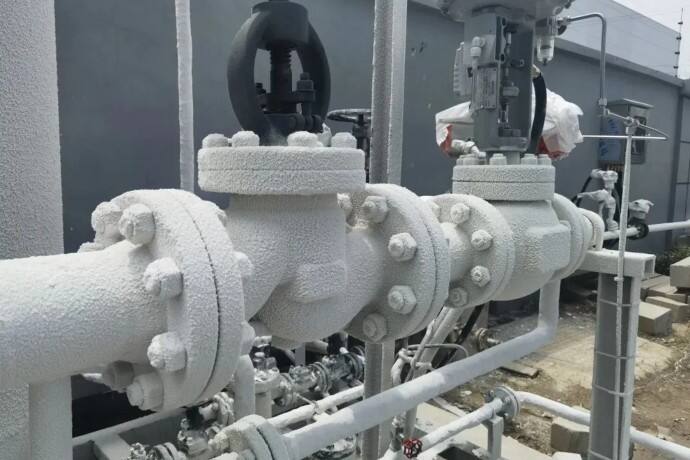
Steam tracing for gas industry represents a critical thermal management solution designed to maintain optimal temperatures throughout gas processing, transportation, and distribution systems. This sophisticated heating method utilizes steam circulation through specialized tubing networks that run parallel to gas pipelines, ensuring consistent temperature control across extensive infrastructure networks. The primary function of steam tracing for gas industry involves preventing hydrate formation, maintaining viscosity levels, and ensuring continuous flow operations even in challenging environmental conditions. The technology features robust steam distribution systems that deliver controlled heat transfer through direct contact or proximity heating methods. Advanced steam tracing for gas industry implementations incorporate automated control systems that monitor temperature variations and adjust steam flow rates accordingly, providing precise thermal regulation throughout the entire gas handling process. The technological framework includes steam generators, distribution headers, tracer lines, and condensate return systems that work synergistically to maintain predetermined temperature parameters. Applications span across natural gas processing facilities, LNG terminals, offshore platforms, and distribution networks where temperature maintenance proves essential for operational efficiency. Steam tracing for gas industry solutions excel in environments where electrical heating alternatives face limitations due to hazardous area classifications or power availability constraints. The system design accommodates various pipe diameters, complex geometries, and extensive routing requirements while maintaining uniform heat distribution characteristics. Modern steam tracing for gas industry installations feature enhanced insulation packages, corrosion-resistant materials, and modular configurations that facilitate maintenance operations and system expansions. The integration capabilities allow seamless connection with existing plant infrastructure, making steam tracing for gas industry an adaptable solution for both new construction projects and retrofit applications across diverse operational environments.
New Product Recommendations

Steam tracing for gas industry delivers exceptional operational reliability through its inherent design characteristics that eliminate single points of failure common in electrical heating systems. The robust nature of steam circulation provides consistent heat distribution without dependency on complex electronic components, reducing maintenance requirements and extending system lifespan significantly. This reliability translates into substantial cost savings for operators who benefit from reduced downtime and lower replacement part expenses over the system's operational lifecycle. Steam tracing for gas industry offers superior safety performance in hazardous environments where explosive gas concentrations may occur, as steam systems operate without electrical spark risks that could trigger dangerous incidents. The intrinsic safety features make steam tracing for gas industry the preferred choice for offshore platforms, processing facilities, and storage terminals where safety regulations demand the highest protection standards. Energy efficiency represents another compelling advantage, as steam tracing for gas industry utilizes waste heat from existing plant operations, converting what would otherwise be lost energy into valuable thermal input for temperature maintenance systems. This energy recycling capability reduces overall facility power consumption while maintaining optimal operating temperatures throughout the gas handling infrastructure. The scalability of steam tracing for gas industry systems accommodates expanding operations without requiring complete system redesigns, allowing operators to add new tracer circuits as processing capacity increases or pipeline networks extend. Installation flexibility enables steam tracing for gas industry applications across diverse geographical locations, from arctic conditions to desert environments, maintaining consistent performance regardless of ambient temperature variations. The system responds quickly to temperature fluctuations, providing immediate heat input when conditions change, ensuring continuous gas flow without interruption. Maintenance procedures for steam tracing for gas industry remain straightforward, utilizing standard industrial practices that most facility personnel already understand, reducing training requirements and operational complexity. The longevity of steam tracing for gas industry components exceeds typical electrical alternatives, with proper maintenance extending operational life beyond twenty years while maintaining peak performance characteristics.

Tips And Tricks

Soaring to New Heights: AcKaM Industrial Surges in Billion-Dollar Market with 200% H1 Sales Growth

04

Nov

Soaring to New Heights: AcKaM Industrial Surges in Billion-Dollar Market with 200% H1 Sales Growth

View More
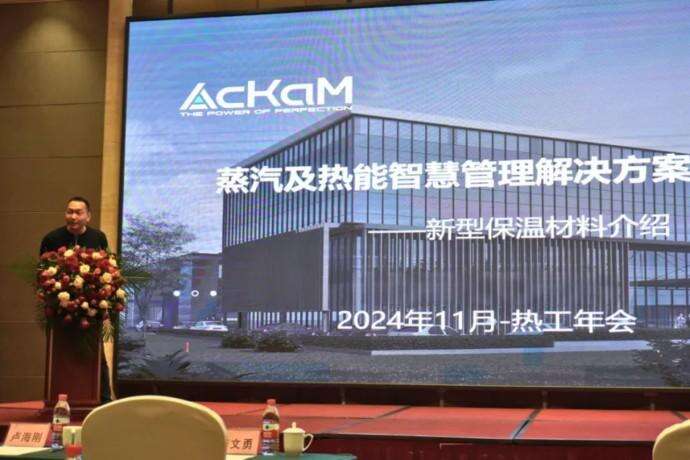
Innovation in Thermal Insulation Technology! AcKaM Delivers Keynote Speech at 2024 National Thermal Engineering Conference

05

Nov

Innovation in Thermal Insulation Technology! AcKaM Delivers Keynote Speech at 2024 National Thermal Engineering Conference

View More
AcKaM: Riding the Trillion-Yuan Wave to Pioneer Innovation

04

Nov

AcKaM: Riding the Trillion-Yuan Wave to Pioneer Innovation

View More

Get a Free Quote

Our representative will contact you soon.
Email
Name
Company Name
Message
0/1000

steam tracing for gas industry

Advanced Temperature Control and Process Optimization

Advanced Temperature Control and Process Optimization

Steam tracing for gas industry excels in delivering precise temperature control that optimizes gas processing operations across multiple critical parameters. The sophisticated thermal regulation capabilities ensure consistent viscosity management, preventing flow disruptions that could compromise production schedules and operational efficiency. This advanced temperature control system utilizes distributed steam networks that respond instantaneously to thermal variations, maintaining optimal conditions for gas separation processes, compression operations, and storage activities. The precision achieved through steam tracing for gas industry applications directly impacts product quality and processing yields, as temperature fluctuations can significantly affect gas composition and recovery rates in processing facilities. Modern steam tracing for gas industry implementations incorporate intelligent control systems that continuously monitor multiple temperature points throughout the infrastructure, automatically adjusting steam flow rates to compensate for environmental changes or operational variations. This automated response capability eliminates manual intervention requirements while ensuring consistent performance standards that meet stringent industry specifications. The thermal uniformity provided by steam tracing for gas industry systems prevents hot spots and cold zones that could create operational inefficiencies or safety concerns within gas handling equipment. Temperature gradients remain minimal across extended pipeline runs, ensuring uniform heating performance that maintains gas properties throughout transportation and processing cycles. The control precision extends to startup and shutdown procedures, where steam tracing for gas industry systems provide controlled heating and cooling rates that prevent thermal shock damage to expensive pipeline infrastructure and processing equipment. This careful thermal management protects capital investments while optimizing operational readiness for production activities. The integration with facility control systems allows steam tracing for gas industry operations to coordinate with broader plant management protocols, ensuring temperature control aligns with production schedules, maintenance activities, and emergency response procedures for comprehensive operational optimization.
Enhanced Safety and Hazardous Area Compliance

Enhanced Safety and Hazardous Area Compliance

Steam tracing for gas industry provides unparalleled safety advantages in hazardous environments where explosive atmospheres and toxic gas exposures create significant operational risks. The intrinsically safe design eliminates electrical ignition sources that could trigger catastrophic incidents in gas processing facilities, offshore platforms, and storage terminals where hydrocarbon vapors present constant explosion hazards. This fundamental safety characteristic makes steam tracing for gas industry the preferred heating solution for applications requiring Zone 0, Zone 1, and Zone 2 hazardous area classifications under international safety standards. The absence of electrical components in heating circuits eliminates concerns about spark generation, arc formation, or component failures that could create ignition sources during normal operations or emergency conditions. Steam tracing for gas industry systems maintain their safety profile even during maintenance activities, as steam isolation procedures follow established industrial practices that minimize risks to maintenance personnel and surrounding equipment. The thermal energy delivery method through steam circulation provides controlled heating without surface temperatures exceeding safe limits for personnel contact or equipment protection requirements. Emergency shutdown capabilities allow rapid steam isolation when safety systems detect potentially dangerous conditions, ensuring steam tracing for gas industry operations integrate seamlessly with facility safety protocols and emergency response procedures. The robust construction standards required for steam tracing for gas industry applications ensure system integrity under extreme operating conditions, including seismic events, extreme weather, and operational upsets that could compromise facility safety. Personnel protection features include proper insulation systems that prevent accidental contact with hot surfaces while maintaining accessibility for routine inspection and maintenance activities. The proven safety record of steam tracing for gas industry installations across decades of industrial applications demonstrates reliability in protecting both personnel and equipment from thermal and explosion hazards. Regulatory compliance becomes straightforward with steam tracing for gas industry systems, as safety authorities recognize the inherent protection provided by steam-based heating methods in hazardous industrial environments.
Cost-Effective Operations and Long-Term Value

Cost-Effective Operations and Long-Term Value

Steam tracing for gas industry delivers exceptional economic value through reduced operating costs, minimal maintenance requirements, and extended equipment lifespan that significantly improves return on investment for facility operators. The energy efficiency advantages stem from utilizing existing steam infrastructure or waste heat recovery systems, transforming what would otherwise be lost thermal energy into productive heating capacity for gas temperature maintenance. This energy recycling capability reduces facility power consumption while maintaining optimal operating temperatures, creating substantial savings on utility costs over the system's operational lifetime. Steam tracing for gas industry systems require significantly lower capital investment compared to electrical heating alternatives, particularly in large-scale applications where extensive heating coverage becomes necessary for comprehensive temperature control. The simplified installation procedures reduce construction costs and project timelines, allowing faster commissioning of gas processing facilities and quicker return to productive operations during expansion or retrofit projects. Maintenance costs remain minimal throughout the operational lifecycle, as steam tracing for gas industry components utilize proven industrial technologies that require only routine inspection and standard maintenance procedures familiar to plant personnel. The absence of complex electronic components eliminates expensive replacement parts and specialized repair services that characterize electrical heating systems, reducing total cost of ownership significantly over extended operating periods. Reliability translates directly into operational savings through reduced downtime, consistent production rates, and elimination of emergency repair costs associated with heating system failures. Steam tracing for gas industry installations demonstrate remarkable longevity, with properly maintained systems operating effectively for decades while maintaining original performance specifications and safety standards. The scalability features allow incremental expansion of heating capacity as facility requirements grow, avoiding costly complete system replacements and enabling efficient capital utilization throughout facility development phases. Insurance and risk management benefits accrue from the enhanced safety profile of steam tracing for gas industry systems, potentially reducing facility insurance premiums and liability exposure while maintaining compliance with increasingly stringent safety regulations governing gas industry operations.

Get a Free Quote

Our representative will contact you soon.
Email
Name
Company Name
Message
0/1000