Heat Trace System Components: Advanced Temperature Control Solutions for Industrial Applications

All Categories

Get a Free Quote

Our representative will contact you soon.
Email
Name
Company Name
Message
0/1000

heat trace system components

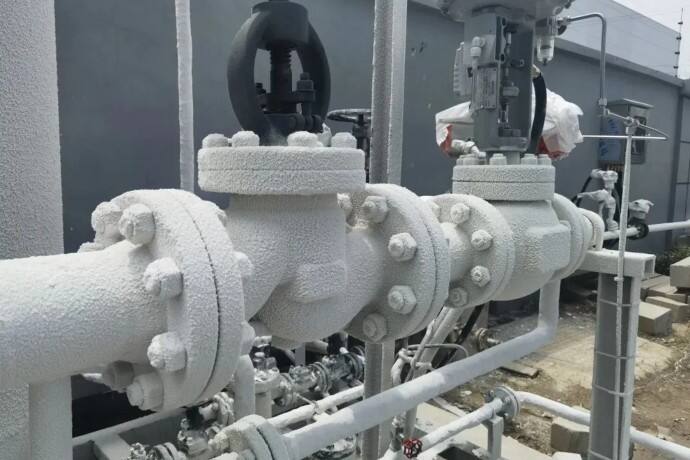
Heat trace system components form the backbone of modern temperature maintenance solutions designed to prevent freezing, maintain optimal temperatures, and ensure continuous operation in industrial and commercial applications. These sophisticated systems consist of several key elements working in harmony to deliver reliable thermal protection across diverse environments. The primary components include heating cables or tapes, temperature controllers, distribution panels, circuit protection devices, and monitoring equipment. Each heat trace system component serves a specific function while contributing to the overall efficiency and safety of the thermal management solution. Heating cables represent the core heat trace system components, available in self-regulating and constant wattage varieties to accommodate different temperature requirements and environmental conditions. Temperature controllers act as the brain of heat trace system components, providing precise thermal regulation through advanced sensing technology and programmable settings. Distribution panels organize and manage power distribution to multiple heating circuits, ensuring balanced load management across extensive installations. Circuit protection devices safeguard heat trace system components from electrical faults, overcurrent conditions, and short circuits, preventing costly damage and maintaining operational integrity. Monitoring equipment enables real-time assessment of system performance, allowing operators to track temperature variations, energy consumption, and component status remotely. Modern heat trace system components incorporate cutting-edge technologies including digital communication protocols, wireless connectivity, and intelligent diagnostic capabilities. These technological features enable predictive maintenance, energy optimization, and seamless integration with building management systems. Applications for heat trace system components span numerous industries including oil and gas, chemical processing, food and beverage, pharmaceuticals, and residential plumbing systems. The versatility of these components allows customization for specific environmental challenges, from arctic pipelines to tropical processing facilities, ensuring reliable performance regardless of external conditions.

New Products

Heat trace system components offer numerous practical benefits that directly impact operational efficiency, cost savings, and system reliability for businesses and property owners. The primary advantage lies in freeze protection capabilities, where these components prevent costly pipe bursts, equipment damage, and production shutdowns during cold weather conditions. This protection translates into significant financial savings by eliminating expensive repairs, insurance claims, and lost productivity associated with frozen systems. Energy efficiency represents another major benefit of modern heat trace system components, as self-regulating heating cables automatically adjust power output based on ambient temperatures, reducing unnecessary energy consumption while maintaining optimal performance. This intelligent operation reduces utility costs substantially compared to traditional heating methods. Installation flexibility makes heat trace system components particularly attractive for retrofit projects and new construction alike, as these systems adapt to complex piping configurations, tight spaces, and challenging environments where conventional heating solutions prove impractical. The components require minimal structural modifications, reducing installation time and associated labor costs significantly. Maintenance requirements for heat trace system components remain exceptionally low, with many systems operating reliably for decades without major service interventions. This reliability stems from robust construction, quality materials, and advanced protection features that resist environmental stresses, chemical exposure, and mechanical damage. Remote monitoring capabilities built into modern heat trace system components enable proactive maintenance scheduling and real-time performance optimization, reducing the need for manual inspections and emergency repairs. Safety benefits include elimination of hot surfaces, reduced fire risks compared to steam tracing, and compliance with strict safety regulations in hazardous environments. Heat trace system components also provide precise temperature control, essential for processes requiring specific thermal conditions for product quality, chemical reactions, or material properties. The scalability of these systems allows expansion or modification without complete system replacement, protecting long-term investments while accommodating changing operational requirements. Environmental benefits include reduced carbon footprint through efficient energy usage, elimination of steam generation requirements, and decreased maintenance-related waste, aligning with sustainability goals and regulatory compliance requirements.

Practical Tips

Soaring to New Heights: AcKaM Industrial Surges in Billion-Dollar Market with 200% H1 Sales Growth

04

Nov

Soaring to New Heights: AcKaM Industrial Surges in Billion-Dollar Market with 200% H1 Sales Growth

View More
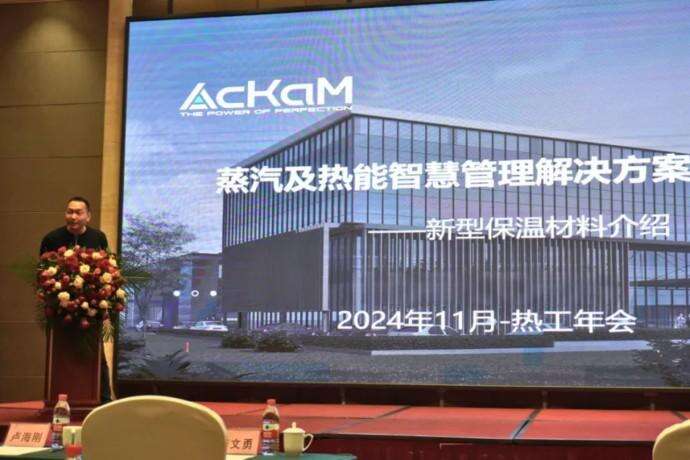
Innovation in Thermal Insulation Technology! AcKaM Delivers Keynote Speech at 2024 National Thermal Engineering Conference

05

Nov

Innovation in Thermal Insulation Technology! AcKaM Delivers Keynote Speech at 2024 National Thermal Engineering Conference

View More
AcKaM: Riding the Trillion-Yuan Wave to Pioneer Innovation

04

Nov

AcKaM: Riding the Trillion-Yuan Wave to Pioneer Innovation

View More

Get a Free Quote

Our representative will contact you soon.
Email
Name
Company Name
Message
0/1000

heat trace system components

Advanced Self-Regulating Technology

Advanced Self-Regulating Technology

The self-regulating technology embedded in modern heat trace system components represents a revolutionary advancement in thermal management, offering unprecedented efficiency and reliability for temperature maintenance applications. This innovative feature automatically adjusts heating output based on ambient temperature conditions, ensuring optimal performance while minimizing energy consumption throughout varying seasonal conditions. The self-regulating mechanism works through a conductive polymer core that increases electrical resistance as temperatures rise, naturally reducing power output when less heat is needed and increasing output during colder periods. This intelligent response eliminates the risk of overheating while providing consistent freeze protection, making these heat trace system components ideal for applications where temperature fluctuations are common. The technology significantly reduces operating costs by preventing unnecessary energy waste, with some installations reporting energy savings of up to forty percent compared to constant wattage alternatives. Self-regulating heat trace system components also offer enhanced safety features, as the automatic temperature regulation prevents dangerous overheating conditions that could damage equipment or create fire hazards. Installation becomes more straightforward with self-regulating components, as they can overlap without risk of thermal damage, reducing design complexity and installation time. The longevity of self-regulating heat trace system components exceeds traditional alternatives due to reduced thermal stress and consistent operating temperatures, providing superior return on investment through extended service life. Maintenance requirements decrease substantially with self-regulating technology, as the stable operating characteristics reduce component wear and eliminate the need for frequent temperature adjustments or recalibration. These heat trace system components adapt automatically to changing environmental conditions, seasonal variations, and load fluctuations without manual intervention, ensuring continuous protection regardless of external factors. The precision of self-regulating technology makes these components particularly valuable in sensitive applications where temperature control directly impacts product quality, process efficiency, or equipment longevity, delivering consistent results that meet strict operational requirements.
Comprehensive Circuit Protection Features

Comprehensive Circuit Protection Features

Circuit protection capabilities integrated into modern heat trace system components provide essential safeguards that ensure system longevity, operational safety, and regulatory compliance across demanding industrial environments. These protective features encompass multiple layers of defense against electrical faults, overcurrent conditions, ground faults, and environmental hazards that could compromise system integrity or pose safety risks. Ground fault circuit interrupters built into heat trace system components detect minute electrical leakages and immediately disconnect power, preventing electrical shock hazards and equipment damage while maintaining compliance with electrical safety codes. Overcurrent protection devices automatically shut down circuits when electrical loads exceed safe operating parameters, preventing wire damage, fire risks, and costly equipment failures that could result in extended downtime. Arc fault detection technology identifies dangerous electrical arcing conditions before they escalate into serious safety hazards, providing early warning capabilities that enable preventive maintenance and system optimization. Temperature monitoring and protection features within heat trace system components continuously assess thermal conditions and activate protective shutdowns when predetermined limits are exceeded, preventing overheating damage to cables, insulation, and surrounding equipment. Surge protection capabilities shield sensitive electronic components from voltage spikes caused by lightning strikes, power grid fluctuations, or switching operations, ensuring continued operation in challenging electrical environments. These comprehensive protection features work seamlessly together, creating multiple redundant safety layers that significantly reduce risk exposure while maintaining optimal system performance. The integration of protection features directly into heat trace system components eliminates the need for separate protective devices, reducing installation complexity, component count, and potential failure points throughout the system. Diagnostic capabilities built into protected heat trace system components provide detailed fault analysis and system status information, enabling rapid troubleshooting and targeted maintenance activities that minimize repair time and costs. Regular testing and verification functions ensure that all protection features remain operational throughout the system lifecycle, providing ongoing confidence in safety and reliability performance standards.
Intelligent Monitoring and Control Capabilities

Intelligent Monitoring and Control Capabilities

Intelligent monitoring and control capabilities represent the cutting-edge evolution of heat trace system components, providing unprecedented visibility into system performance, energy consumption, and operational status through advanced digital technologies. These sophisticated features transform traditional heating systems into smart, connected solutions that deliver real-time data analytics, predictive maintenance insights, and remote management capabilities essential for modern facility operations. Digital communication protocols integrated into advanced heat trace system components enable seamless connectivity with building management systems, SCADA networks, and cloud-based monitoring platforms, creating comprehensive thermal management ecosystems. Temperature sensing accuracy reaches exceptional levels through precision thermistors and RTD sensors embedded throughout heat trace system components, providing detailed thermal mapping that enables optimal energy utilization and process control. Remote monitoring capabilities allow facility managers to assess system status, adjust operating parameters, and receive instant alerts regarding performance anomalies from anywhere with internet connectivity, dramatically improving response times and operational efficiency. Energy consumption tracking features within intelligent heat trace system components provide detailed usage analytics that identify optimization opportunities, support sustainability initiatives, and enable accurate cost allocation across multiple departments or tenant spaces. Predictive maintenance algorithms analyze performance trends, component aging characteristics, and environmental factors to forecast potential failures before they occur, enabling proactive maintenance scheduling that prevents costly emergency repairs and production interruptions. Historical data logging capabilities capture comprehensive performance records that support compliance documentation, warranty claims, and system optimization analysis over extended operational periods. Customizable alarm systems integrated into heat trace system components provide immediate notification of critical conditions through multiple communication channels including email, text messaging, and automated phone calls, ensuring rapid response to potential issues. Advanced control algorithms optimize heating patterns based on weather forecasts, occupancy schedules, and process requirements, maximizing energy efficiency while maintaining precise temperature control throughout varying operational demands. Integration capabilities allow heat trace system components to coordinate with other building systems including HVAC, lighting, and security networks, creating synergistic operational efficiencies that reduce overall facility operating costs and improve occupant comfort levels.
Get a Free Quote

Our representative will contact you soon.
Email
Name
Company Name
Message
0/1000