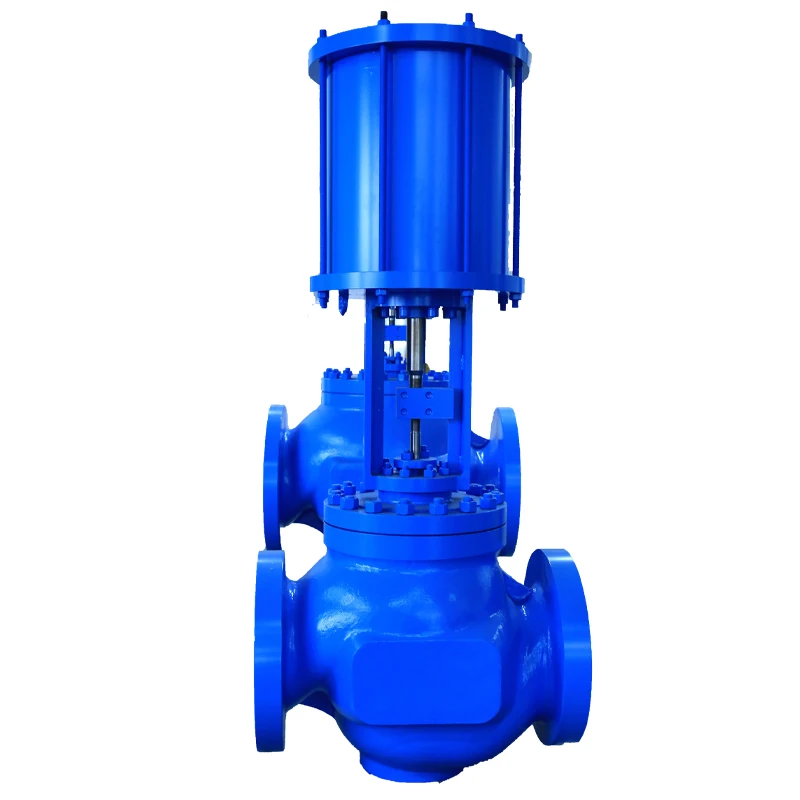
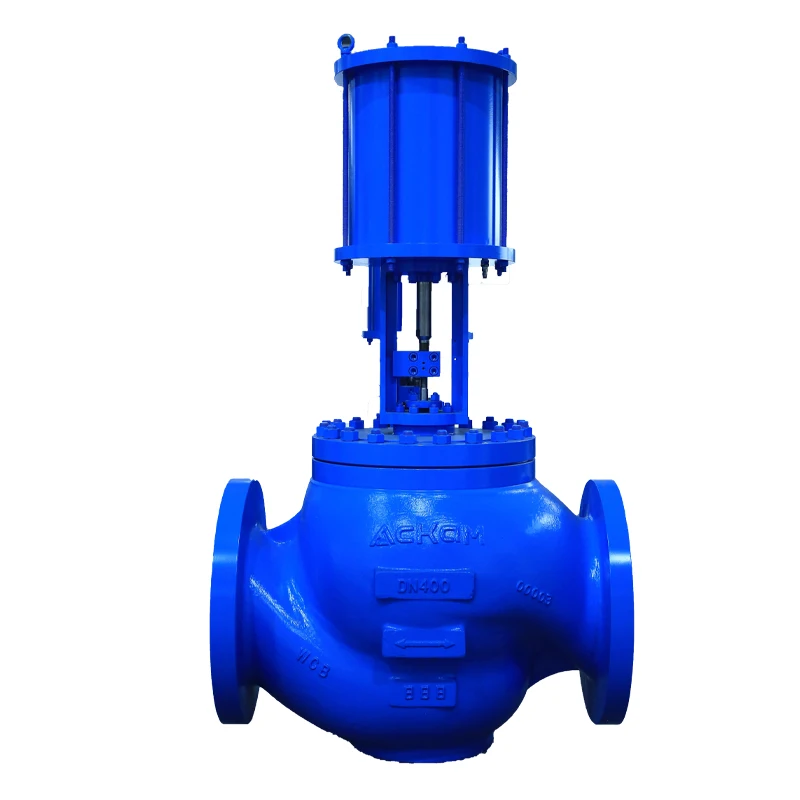
Steam Tracing for Oil Industry: Advanced Heating Solutions for Petroleum Operations

All Categories

Get a Free Quote

Our representative will contact you soon.
Email
Name
Company Name
Message
0/1000

steam tracing for oil industry

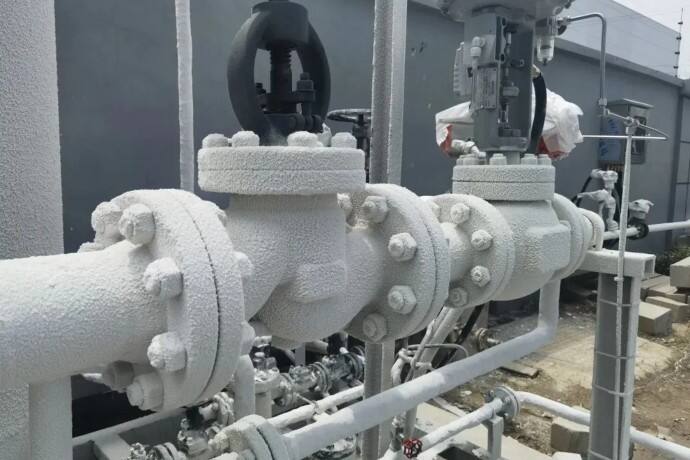
Steam tracing for oil industry represents a critical heating solution designed to maintain optimal temperatures in pipelines, storage tanks, and processing equipment throughout petroleum operations. This sophisticated thermal management system utilizes pressurized steam distributed through specialized tubing networks that run parallel to or wrap around oil-carrying infrastructure. The primary objective centers on preventing crude oil viscosity increases that occur during temperature drops, ensuring continuous flow and operational efficiency. Steam tracing for oil industry applications encompasses various configurations, including steam jacketing systems, heat tracing cables with steam supply, and integrated steam distribution manifolds. The technology operates by transferring thermal energy from steam condensate to oil-bearing vessels, maintaining predetermined temperature ranges essential for fluid transport and processing. Modern steam tracing for oil industry installations incorporate advanced control systems featuring temperature sensors, pressure regulators, and automated steam trap mechanisms. These components work collectively to optimize energy consumption while delivering consistent heating performance. The system architecture typically includes steam generators, distribution headers, tracing lines, condensate return systems, and monitoring equipment. Installation methods vary depending on application requirements, with options ranging from direct contact tracing to indirect heating through thermal bridges. Steam tracing for oil industry operations proves particularly valuable in cold climate regions where ambient temperatures threaten pipeline integrity and product flow characteristics. The technology addresses critical challenges including wax precipitation, paraffin crystallization, and viscosity-related flow restrictions. Beyond basic heating functions, steam tracing for oil industry systems provide freeze protection for instrumentation lines, process sampling circuits, and emergency shutdown equipment. Quality steam tracing installations feature corrosion-resistant materials, thermal insulation packages, and weatherproof enclosures designed to withstand harsh industrial environments while maintaining long-term reliability and performance standards throughout demanding petroleum operations.

New Product Releases

Steam tracing for oil industry delivers exceptional reliability through proven thermal transfer principles that ensure consistent temperature maintenance across extensive pipeline networks and processing facilities. This dependable heating method eliminates costly production interruptions caused by oil solidification, wax formation, or viscosity-related flow problems. The system operates continuously without electrical power requirements at the point of application, making steam tracing for oil industry ideal for remote locations and hazardous environments where electrical heating poses safety risks. Energy efficiency represents another significant advantage, as steam carries substantial thermal energy per unit volume, requiring smaller distribution systems compared to alternative heating methods. Steam tracing for oil industry installations achieve rapid heat-up times, enabling quick response to temperature fluctuations and operational demands. The technology supports precise temperature control through adjustable steam pressure regulation, allowing operators to maintain optimal heating levels for different oil grades and processing requirements. Maintenance simplicity distinguishes steam tracing for oil industry from complex electrical systems, featuring fewer failure points and straightforward troubleshooting procedures. Steam condensate recovery capabilities provide additional economic benefits by returning heated water to boiler systems, reducing overall energy consumption and operational costs. The scalable nature of steam tracing for oil industry makes it adaptable to facilities ranging from small gathering stations to major refineries and petrochemical complexes. Safety advantages include intrinsically safe operation in explosive atmospheres, elimination of electrical shock hazards, and natural fail-safe characteristics where system failure results in gradual cooling rather than catastrophic overheating. Steam tracing for oil industry systems demonstrate exceptional durability, with properly maintained installations operating reliably for decades in harsh industrial conditions. Environmental benefits emerge through reduced energy waste, lower emissions compared to direct-fired heating, and compatibility with renewable steam generation sources. Installation flexibility allows steam tracing for oil industry applications in retrofit projects and new construction, accommodating various pipe sizes, configurations, and accessibility constraints. The technology provides uniform heat distribution along entire pipeline lengths, preventing hot spots and thermal stress that can damage equipment or compromise product quality. Cost-effectiveness becomes apparent through reduced pumping energy requirements, as heated oil flows more easily, requiring less pressure and power consumption throughout distribution systems.

Practical Tips

Soaring to New Heights: AcKaM Industrial Surges in Billion-Dollar Market with 200% H1 Sales Growth

04

Nov

Soaring to New Heights: AcKaM Industrial Surges in Billion-Dollar Market with 200% H1 Sales Growth

View More
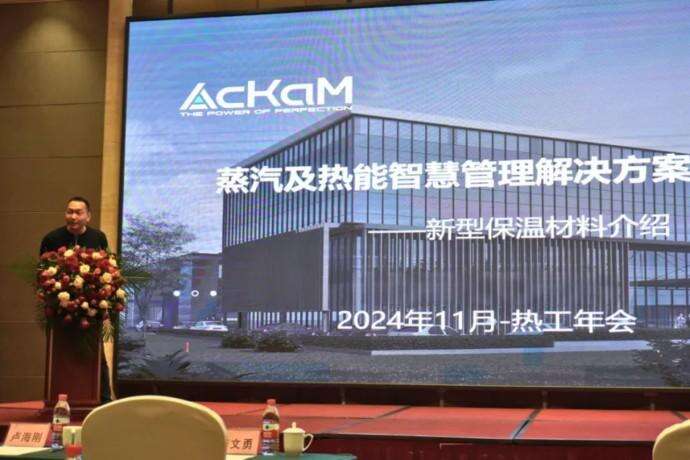
Innovation in Thermal Insulation Technology! AcKaM Delivers Keynote Speech at 2024 National Thermal Engineering Conference

05

Nov

Innovation in Thermal Insulation Technology! AcKaM Delivers Keynote Speech at 2024 National Thermal Engineering Conference

View More
AcKaM: Riding the Trillion-Yuan Wave to Pioneer Innovation

04

Nov

AcKaM: Riding the Trillion-Yuan Wave to Pioneer Innovation

View More

Get a Free Quote

Our representative will contact you soon.
Email
Name
Company Name
Message
0/1000

steam tracing for oil industry

Advanced Temperature Control Technology

Advanced Temperature Control Technology

Steam tracing for oil industry incorporates sophisticated temperature regulation systems that deliver precise thermal management capabilities essential for optimal petroleum operations. This advanced control technology utilizes intelligent steam distribution networks equipped with proportional temperature controllers, automated steam trap assemblies, and real-time monitoring sensors that continuously adjust heating output based on actual pipeline conditions. The system responds dynamically to ambient temperature changes, product flow variations, and operational demands, ensuring consistent oil temperatures throughout complex facility networks. Steam tracing for oil industry control systems feature programmable logic controllers that integrate with plant-wide automation platforms, enabling remote monitoring and adjustment capabilities that enhance operational efficiency while reducing labor requirements. Temperature accuracy typically maintains within plus or minus two degrees Fahrenheit of setpoint values, providing the precision necessary for temperature-sensitive petroleum products and processes. The technology incorporates fail-safe mechanisms that prevent overheating while ensuring adequate freeze protection during system malfunctions or maintenance activities. Advanced steam tracing for oil industry installations include predictive maintenance features that monitor system performance parameters, identify potential issues before failures occur, and optimize maintenance scheduling to minimize operational disruptions. Smart valve assemblies automatically regulate steam flow based on heat demand, reducing energy consumption during periods of lower thermal requirements while maintaining rapid response capabilities for sudden temperature drops. The control technology supports multiple heating zones within single facilities, allowing customized temperature profiles for different pipeline sections, storage areas, and processing equipment. Steam tracing for oil industry systems integrate seamlessly with existing facility infrastructure, communicating with distributed control systems and providing valuable operational data for process optimization and energy management initiatives. These advanced features translate into improved product quality, reduced energy costs, enhanced safety margins, and simplified operation that benefits facility managers, maintenance personnel, and operational staff throughout petroleum industry applications.
Robust Industrial Design and Durability

Robust Industrial Design and Durability

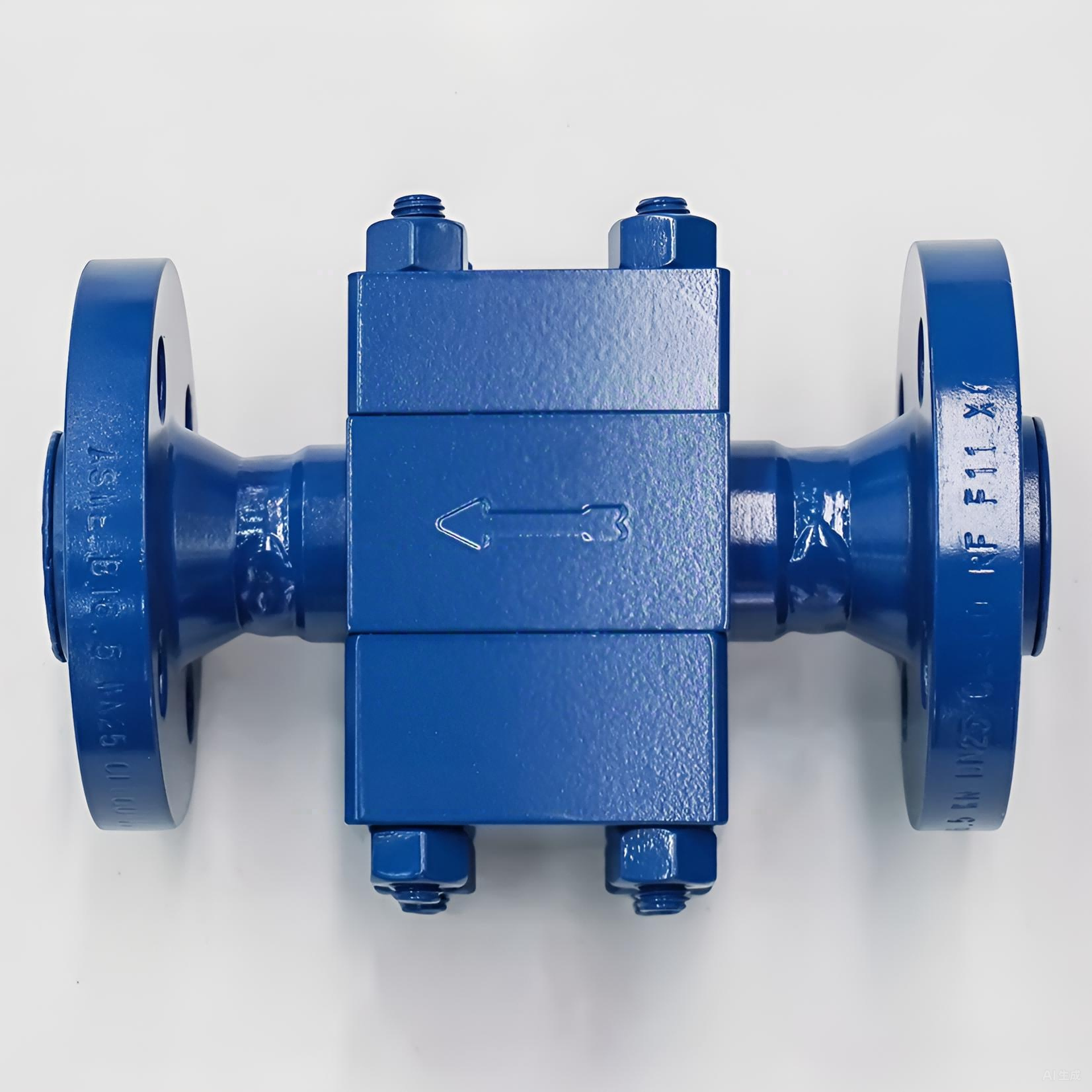
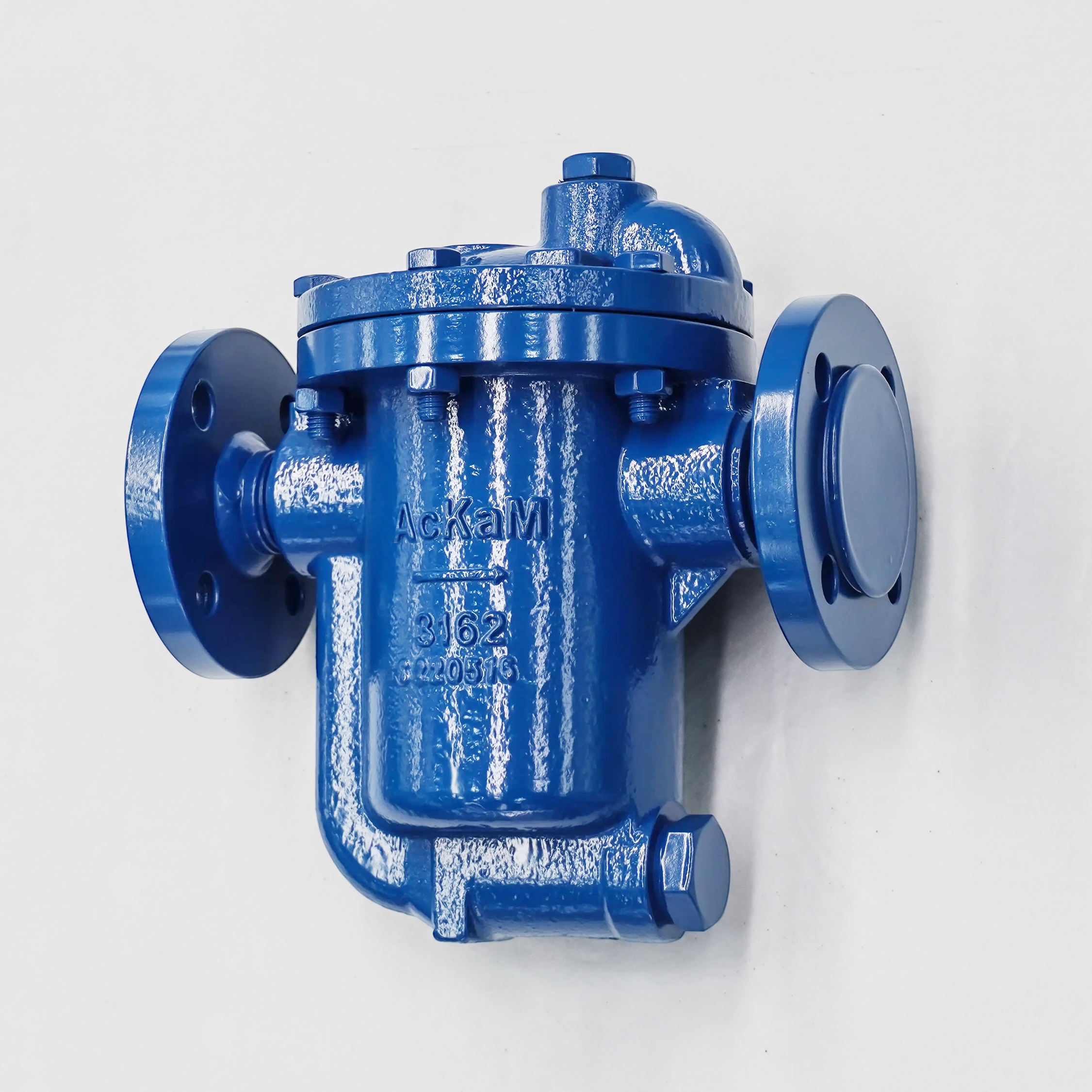
Steam tracing for oil industry systems feature rugged construction designed specifically to withstand the demanding conditions prevalent in petroleum operations, including extreme temperatures, corrosive environments, mechanical stress, and continuous operational requirements. The robust engineering approach encompasses material selection, component design, and installation methodologies that ensure long-term reliability and performance in challenging industrial settings. Steam tracing for oil industry installations utilize high-grade stainless steel tubing, corrosion-resistant fittings, and specialized insulation materials that resist chemical degradation, moisture penetration, and thermal cycling effects common in oil and gas facilities. The system architecture incorporates redundant safety features, including pressure relief valves, thermal expansion joints, and emergency isolation capabilities that protect equipment and personnel during abnormal operating conditions. Heavy-duty mounting systems secure steam tracing for oil industry components against vibration, thermal expansion, and mechanical impact while maintaining proper heat transfer contact with heated surfaces. Weather-resistant enclosures protect control equipment and instrumentation from environmental factors including dust, moisture, salt spray, and ultraviolet radiation that can compromise system performance and longevity. The durability design extends to steam trap mechanisms that feature hardened components capable of handling condensate loads, pressure variations, and continuous cycling without premature failure. Steam tracing for oil industry systems undergo rigorous testing protocols that verify performance under simulated field conditions, ensuring reliable operation before installation and commissioning. Modular construction techniques facilitate maintenance activities and component replacement without extensive system shutdowns, minimizing operational disruptions and maintenance costs. The robust design philosophy includes consideration for thermal stress management, with expansion loops, flexible connections, and stress-relieving configurations that accommodate thermal growth without compromising system integrity. Quality assurance programs ensure steam tracing for oil industry installations meet or exceed industry standards for pressure containment, temperature ratings, and safety performance throughout their operational lifecycle.
Energy Efficiency and Cost Optimization

Energy Efficiency and Cost Optimization

Steam tracing for oil industry delivers exceptional energy efficiency through intelligent thermal management that optimizes heating performance while minimizing operational costs across petroleum facilities. The technology leverages the superior heat transfer characteristics of steam to provide efficient thermal energy distribution using minimal infrastructure compared to alternative heating methods. Steam tracing for oil industry systems achieve high thermal efficiency through direct heat transfer mechanisms that eliminate intermediate conversion losses common in electrical heating applications. The condensate recovery feature captures and returns heated water to boiler systems, recycling thermal energy that would otherwise be wasted and reducing overall fuel consumption. Smart control systems continuously monitor thermal demands and adjust steam flow accordingly, preventing energy waste during periods of reduced heating requirements while maintaining adequate temperature levels for product flow and process needs. Steam tracing for oil industry installations support variable heating zones that allow selective temperature control for different facility areas, enabling energy conservation in unused or low-demand sections without compromising critical operations. The technology reduces pumping energy requirements by maintaining optimal oil viscosity levels, allowing pumps to operate more efficiently with lower power consumption and reduced mechanical stress. Thermal insulation systems integrated with steam tracing for oil industry maximize heat retention, minimize heat loss to ambient conditions, and improve overall system efficiency while reducing steam consumption. Energy management capabilities include automated scheduling functions that reduce heating during non-operational periods, demand-based steam generation, and integration with facility energy management systems for comprehensive optimization. The scalable nature of steam tracing for oil industry allows phased implementation and capacity expansion without major infrastructure modifications, supporting cost-effective facility growth and operational changes. Maintenance cost optimization results from simplified system design, standardized components, and predictive maintenance capabilities that reduce unplanned repairs and extend equipment lifecycle. Return on investment calculations typically demonstrate payback periods of two to four years through combined energy savings, reduced maintenance costs, improved operational reliability, and enhanced product flow efficiency that directly impact facility profitability and competitive positioning.

Get a Free Quote

Our representative will contact you soon.
Email
Name
Company Name
Message
0/1000