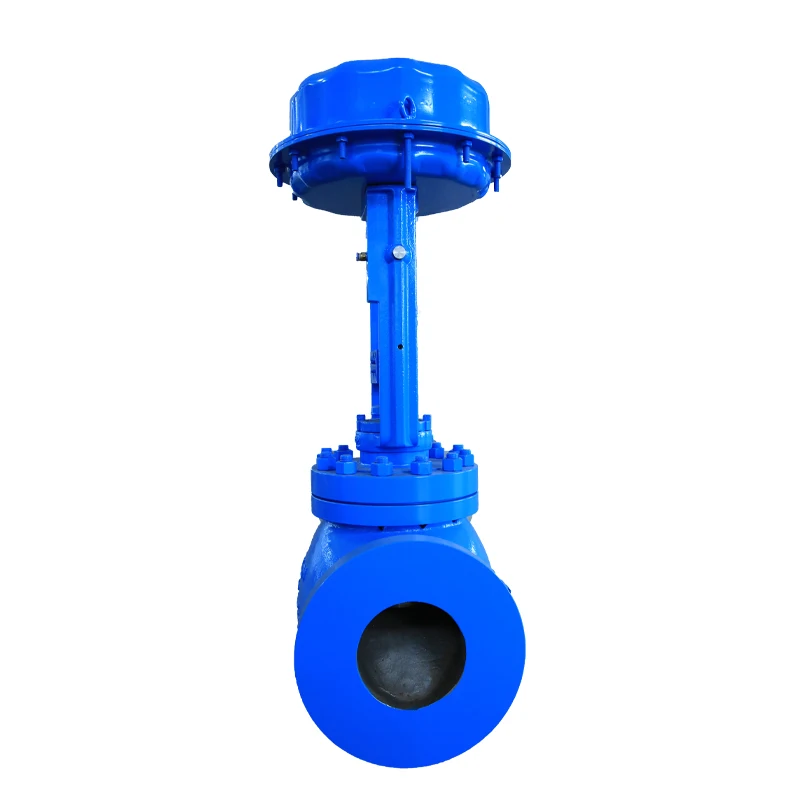
Steam Tracing for Line Heating: Efficient Industrial Process Heating Solutions

All Categories

Get a Free Quote

Our representative will contact you soon.
Email
Name
Company Name
Message
0/1000

steam tracing for line heating

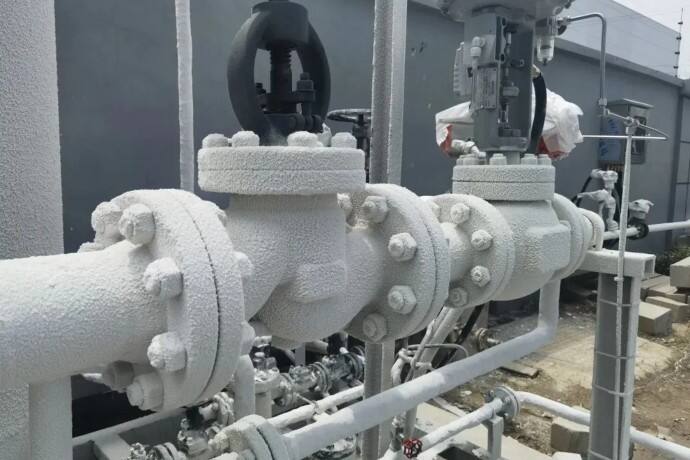
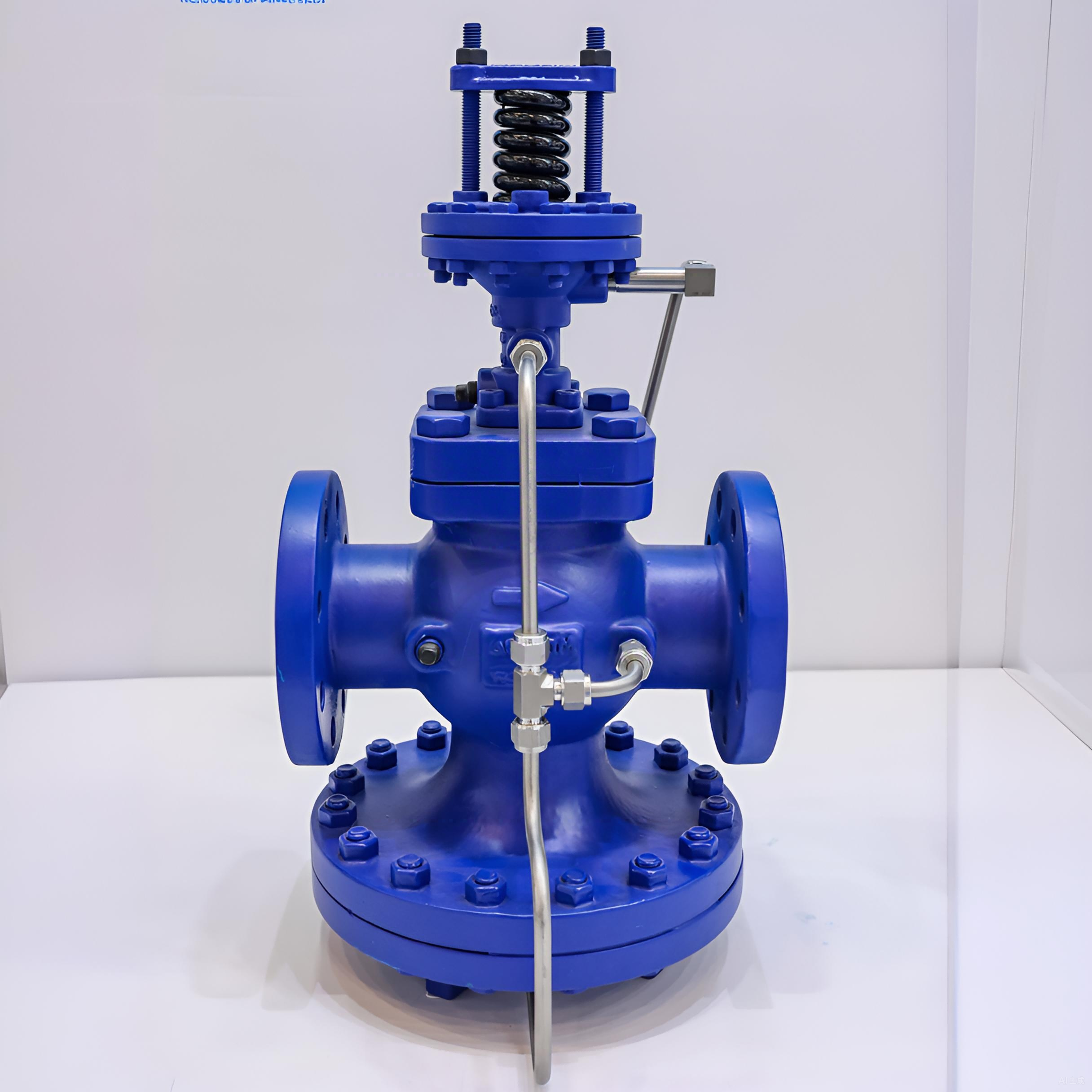
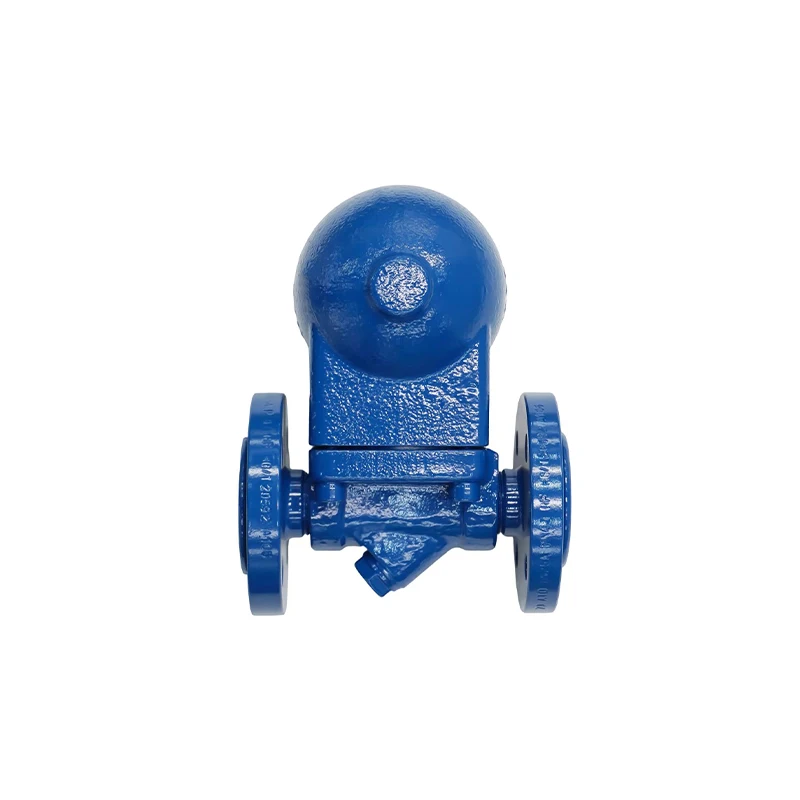
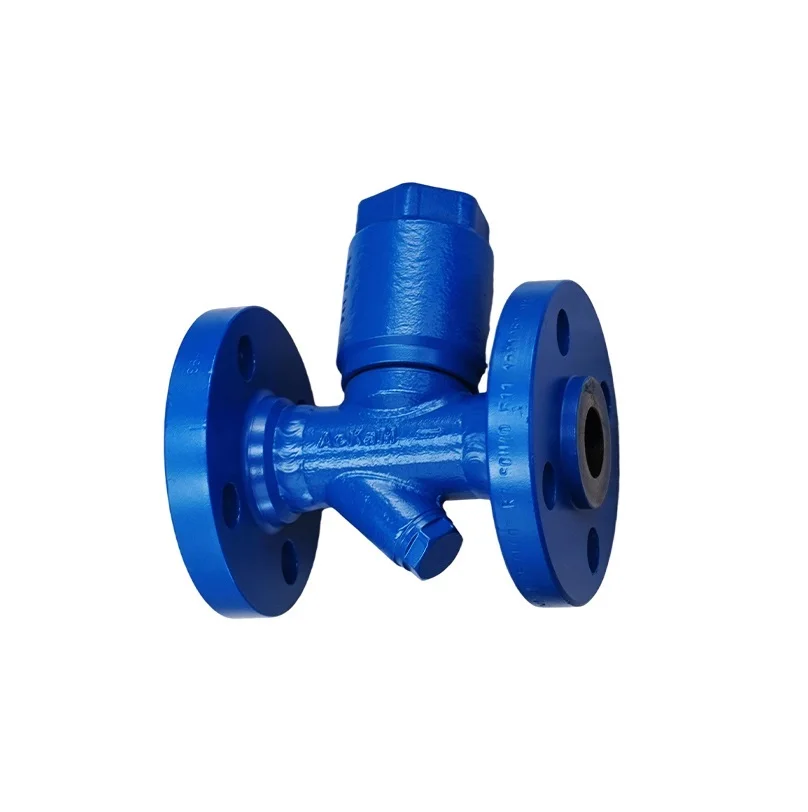
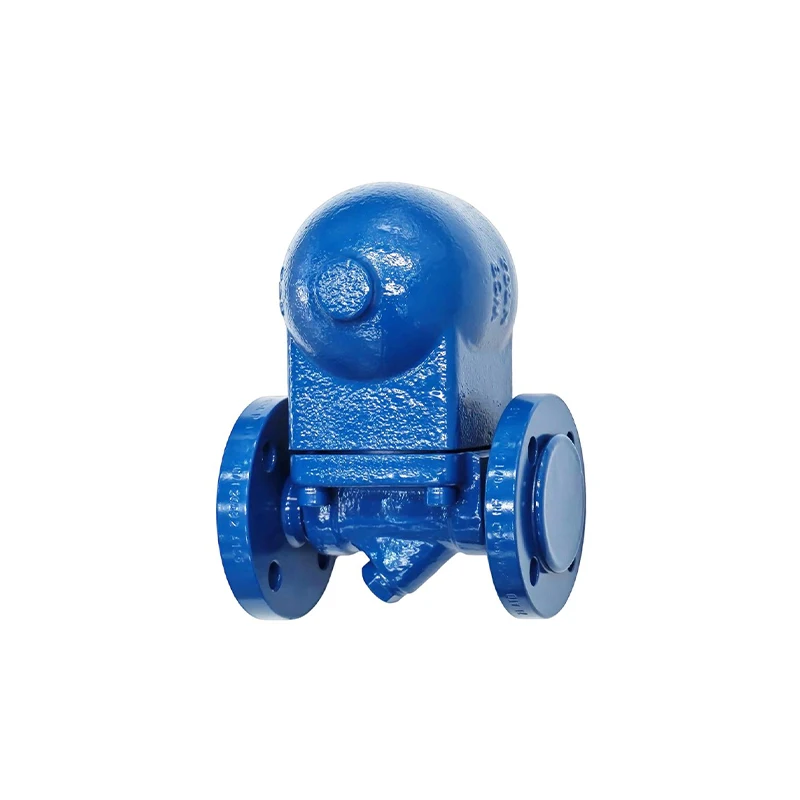
Steam tracing for line heating represents a fundamental industrial heating solution that utilizes steam as the primary heat source to maintain optimal temperatures in pipelines, tanks, and process equipment. This technology operates by circulating steam through specially designed tracing lines that run parallel to or wrap around the equipment requiring heat maintenance. The steam tracing for line heating system ensures consistent temperature control across extensive industrial operations, preventing freezing, maintaining viscosity, and enabling efficient material flow. The core function of steam tracing for line heating involves heat transfer from steam to the target equipment through conduction and radiation. Steam enters the tracing lines at high pressure and temperature, releasing latent heat as it condenses along the traced surfaces. This condensation process provides uniform heat distribution, making steam tracing for line heating exceptionally effective for maintaining steady temperatures across long pipeline runs and complex equipment configurations. Technological features of steam tracing for line heating include precise temperature control mechanisms, automated steam trap systems, and insulation packages that maximize energy efficiency. Modern steam tracing for line heating systems incorporate advanced monitoring capabilities, allowing operators to track performance metrics and adjust parameters in real-time. The systems feature robust construction materials that withstand harsh industrial environments while delivering reliable performance over extended operational periods. Applications for steam tracing for line heating span numerous industries, including petrochemical processing, pharmaceutical manufacturing, food production, and chemical processing facilities. In refineries, steam tracing for line heating maintains crude oil viscosity during transportation through extensive pipeline networks. Pharmaceutical facilities rely on steam tracing for line heating to prevent crystallization in process lines and maintain sterile conditions. Food processing plants utilize steam tracing for line heating to keep edible oils and other temperature-sensitive products flowing smoothly through production systems.

New Product Recommendations

Steam tracing for line heating offers remarkable energy efficiency advantages that significantly reduce operational costs compared to electrical heating alternatives. The high heat capacity of steam allows steam tracing for line heating systems to deliver substantial thermal energy with minimal steam consumption, resulting in lower utility expenses and improved cost-effectiveness. Steam tracing for line heating provides superior temperature uniformity across heated surfaces, eliminating hot spots and cold zones that can compromise product quality or equipment integrity. This uniform heat distribution ensures consistent process conditions, reducing waste and improving overall production efficiency. The reliability of steam tracing for line heating systems surpasses many alternative heating methods, as steam provides a stable and predictable heat source that maintains consistent temperatures regardless of ambient conditions. Steam tracing for line heating systems require minimal electrical infrastructure, making them ideal for hazardous areas where electrical heating poses safety risks. The intrinsic safety characteristics of steam tracing for line heating eliminate concerns about electrical sparks or overheating that could trigger dangerous incidents in volatile environments. Maintenance requirements for steam tracing for line heating are typically lower than electrical systems, as steam systems have fewer complex components prone to failure. The simplicity of steam tracing for line heating design translates to reduced maintenance costs and extended equipment lifecycles. Steam tracing for line heating systems offer exceptional scalability, allowing facilities to expand heating coverage without major infrastructure modifications. The modular nature of steam tracing for line heating enables customization for specific applications, accommodating varying temperature requirements and equipment configurations. Environmental benefits of steam tracing for line heating include reduced carbon footprint when facilities generate steam from renewable energy sources or waste heat recovery systems. Steam tracing for line heating systems support sustainable operations by maximizing energy utilization and minimizing waste heat losses. The rapid response characteristics of steam tracing for line heating allow quick temperature adjustments during process changes, enhancing operational flexibility and productivity. Steam tracing for line heating systems integrate seamlessly with existing plant infrastructure, utilizing available steam supplies without requiring dedicated heating equipment investments.

Practical Tips

Soaring to New Heights: AcKaM Industrial Surges in Billion-Dollar Market with 200% H1 Sales Growth

04

Nov

Soaring to New Heights: AcKaM Industrial Surges in Billion-Dollar Market with 200% H1 Sales Growth

View More
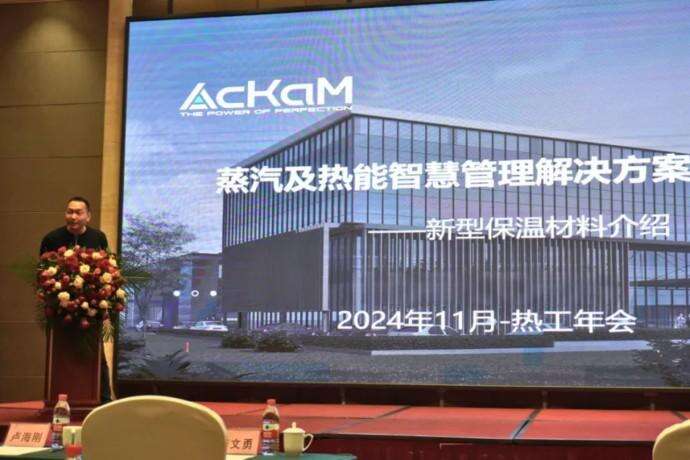
Innovation in Thermal Insulation Technology! AcKaM Delivers Keynote Speech at 2024 National Thermal Engineering Conference

05

Nov

Innovation in Thermal Insulation Technology! AcKaM Delivers Keynote Speech at 2024 National Thermal Engineering Conference

View More
AcKaM: Riding the Trillion-Yuan Wave to Pioneer Innovation

04

Nov

AcKaM: Riding the Trillion-Yuan Wave to Pioneer Innovation

View More

Get a Free Quote

Our representative will contact you soon.
Email
Name
Company Name
Message
0/1000

steam tracing for line heating

Superior Heat Transfer Efficiency and Energy Conservation

Superior Heat Transfer Efficiency and Energy Conservation

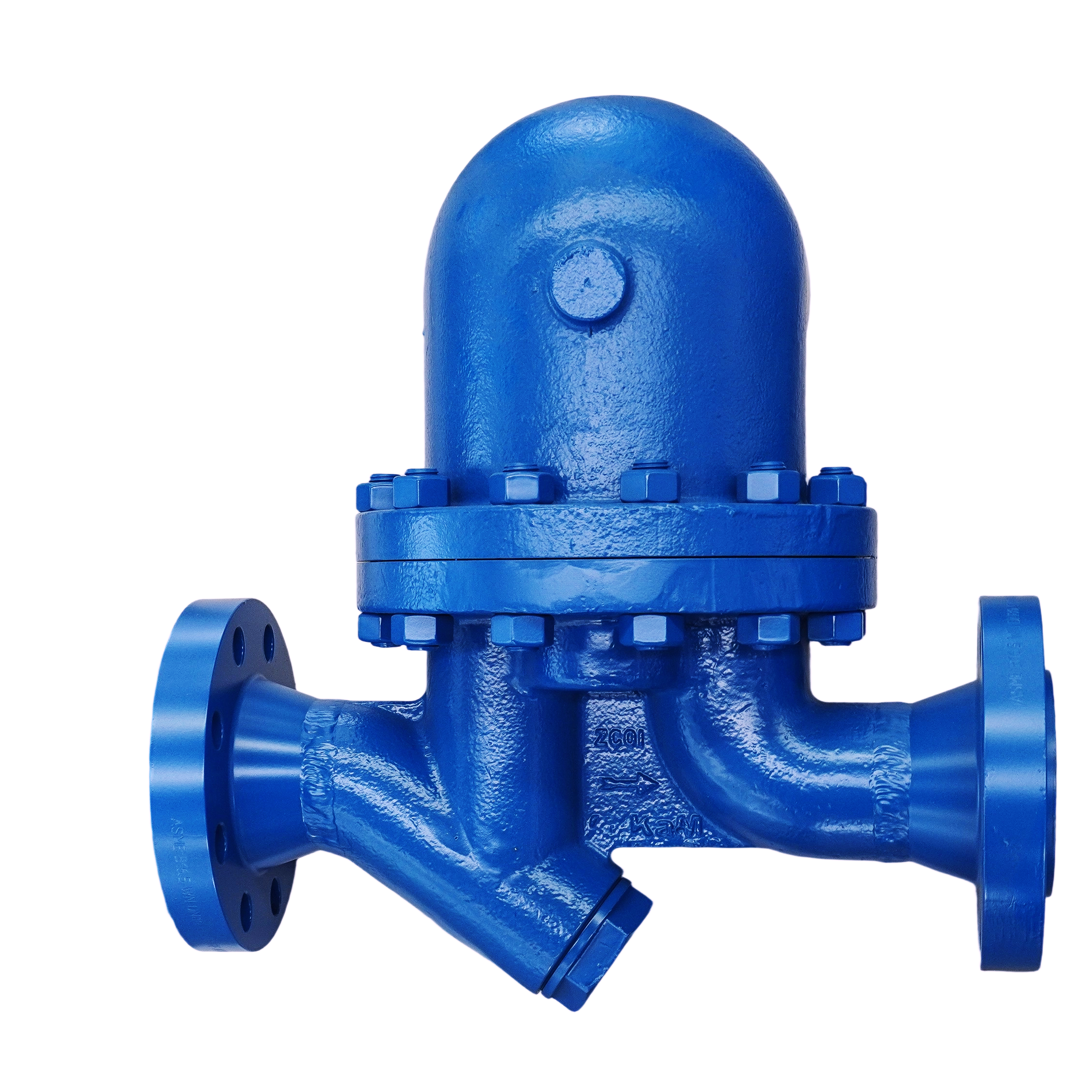
Steam tracing for line heating delivers exceptional heat transfer efficiency that outperforms conventional heating methods through the fundamental principles of latent heat utilization and optimal thermal conductivity. The steam tracing for line heating process harnesses the tremendous energy content of steam during phase change, releasing approximately 970 BTU per pound as steam condenses to water. This latent heat release provides consistent, high-density energy transfer that maintains precise temperatures while consuming minimal steam volumes. Steam tracing for line heating systems achieve remarkable energy conservation by eliminating the need for continuous electrical power consumption that characterizes electric heating systems. The natural convection properties of steam ensure uniform heat distribution throughout the tracing network, preventing energy waste from uneven heating patterns. Advanced steam tracing for line heating designs incorporate condensate return systems that capture and reuse the valuable thermal energy contained in condensed steam, further enhancing overall system efficiency. Modern steam tracing for line heating installations feature intelligent steam trap systems that automatically remove condensate while preventing live steam loss, optimizing energy utilization across the entire heating network. The thermal mass characteristics of steam tracing for line heating provide excellent temperature stability, reducing the frequency of heating cycles and associated energy consumption. Industrial facilities implementing steam tracing for line heating typically experience 20-30% reduction in heating costs compared to electrical alternatives, while achieving superior temperature control performance. The energy conservation benefits of steam tracing for line heating extend beyond direct heating costs, as reduced electrical demand decreases peak power charges and infrastructure requirements. Steam tracing for line heating systems support facility-wide energy management strategies by utilizing existing steam infrastructure and waste heat recovery opportunities, creating synergistic efficiency improvements across multiple plant operations.
Enhanced Safety and Hazardous Area Compatibility

Enhanced Safety and Hazardous Area Compatibility

Steam tracing for line heating provides unmatched safety advantages in hazardous industrial environments where explosive atmospheres, flammable materials, or extreme conditions pose significant risks to personnel and equipment. The inherent safety characteristics of steam tracing for line heating eliminate electrical ignition sources that could trigger catastrophic incidents in facilities handling volatile chemicals, hydrocarbon vapors, or combustible dusts. Steam tracing for line heating systems operate without electrical heating elements, contactors, or control circuits in the hazardous area, significantly reducing the risk of electrical faults that could cause explosions or fires. The temperature-limiting properties of steam tracing for line heating prevent overheating scenarios that might occur with electrical systems, as steam temperature naturally regulates according to pressure conditions and cannot exceed safe operational limits. Steam tracing for line heating installations comply with stringent hazardous area classifications including Class I Division 1 and Zone 0 environments, where even explosion-proof electrical equipment may not provide adequate safety margins. The robust construction of steam tracing for line heating systems withstands harsh chemical exposures, extreme temperatures, and mechanical stresses that might compromise electrical heating components, ensuring reliable operation in demanding industrial applications. Steam tracing for line heating systems feature fail-safe operational characteristics, as steam supply interruptions result in gradual cooling rather than sudden temperature fluctuations that could damage equipment or compromise process safety. Advanced steam tracing for line heating designs incorporate multiple safety redundancies, including temperature monitoring, pressure relief systems, and automated shutdown capabilities that protect against operational anomalies. The maintenance safety benefits of steam tracing for line heating are substantial, as technicians can service systems without de-energizing electrical circuits or working near live electrical components in potentially explosive atmospheres. Steam tracing for line heating systems support comprehensive plant safety management programs by reducing electrical infrastructure requirements in hazardous areas, simplifying safety assessments and emergency response procedures while maintaining optimal process heating performance.
Exceptional Reliability and Low Maintenance Operations

Exceptional Reliability and Low Maintenance Operations

Steam tracing for line heating systems demonstrate exceptional operational reliability through robust engineering design, minimal component complexity, and proven performance in demanding industrial applications spanning decades of continuous service. The fundamental simplicity of steam tracing for line heating eliminates many failure modes associated with electrical heating systems, as steam systems contain no electronic controls, heating elements, or complex circuitry that might malfunction under harsh operating conditions. Steam tracing for line heating reliability stems from the passive nature of heat transfer, where steam naturally flows to areas requiring heat without active pumping or circulation systems that could fail. The corrosion resistance of properly designed steam tracing for line heating systems ensures long-term reliability, as high-quality materials and protective coatings prevent degradation from chemical exposures or environmental conditions. Steam tracing for line heating systems typically achieve 95-99% uptime performance, significantly exceeding electrical heating reliability statistics, while requiring minimal scheduled maintenance interventions. The predictive maintenance capabilities of steam tracing for line heating enable proactive service scheduling based on steam trap performance, condensate quality, and thermal efficiency measurements rather than reactive repairs following system failures. Steam tracing for line heating maintenance primarily involves periodic steam trap inspection and replacement, insulation assessment, and leak detection activities that can be performed during normal plant operations without production interruptions. The standardized components used in steam tracing for line heating systems ensure ready availability of replacement parts and simplified inventory management, reducing maintenance costs and minimizing downtime risks. Steam tracing for line heating systems demonstrate remarkable durability under thermal cycling, pressure fluctuations, and mechanical stresses that might damage electrical heating components, contributing to extended service life and reduced total cost of ownership. The diagnostic capabilities of modern steam tracing for line heating systems provide real-time performance monitoring that enables optimization of maintenance schedules and prevention of costly equipment failures, supporting lean maintenance strategies and continuous improvement initiatives that maximize operational efficiency while minimizing maintenance expenditures.

Get a Free Quote

Our representative will contact you soon.
Email
Name
Company Name
Message
0/1000