Steam Tracing for Anti-Condensation: Complete Guide to Industrial Moisture Prevention Solutions

All Categories

Get a Free Quote

Our representative will contact you soon.
Email
Name
Company Name
Message
0/1000

steam tracing for anti-condensation

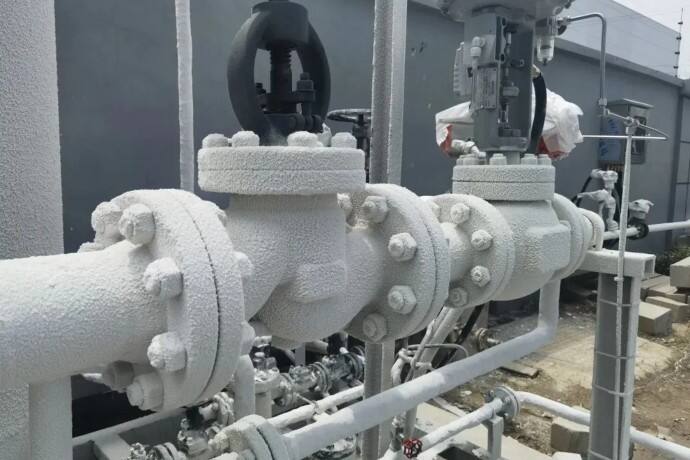
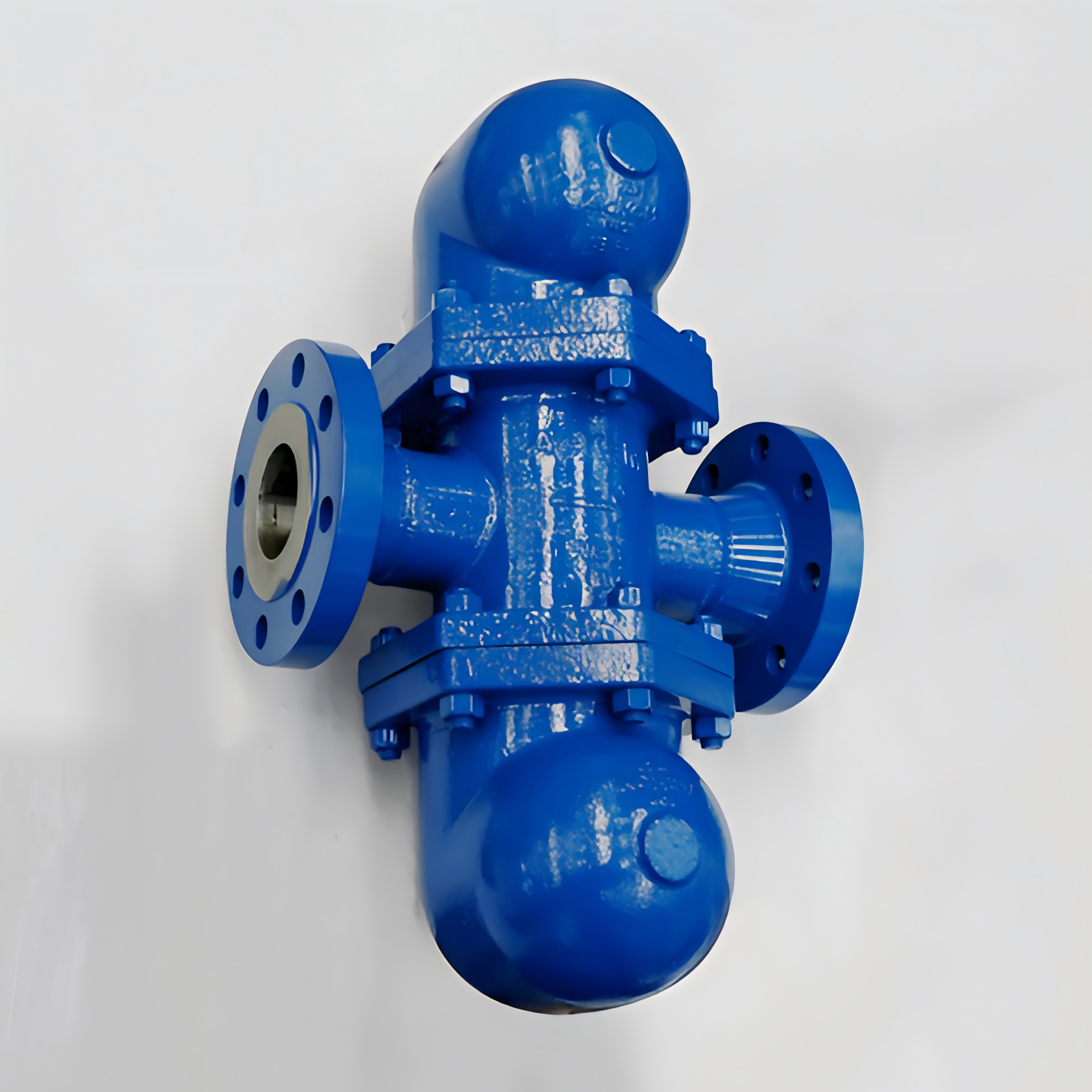
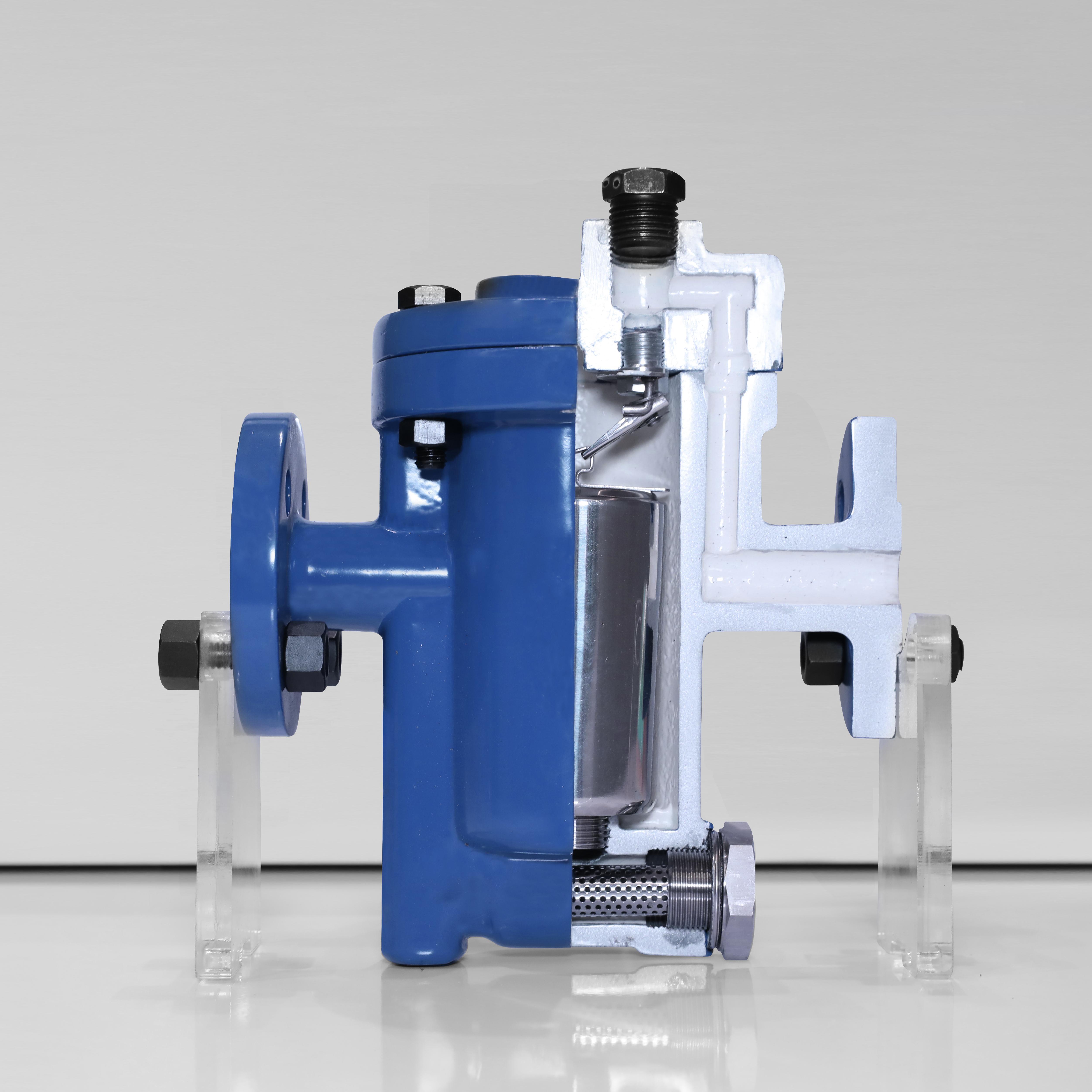
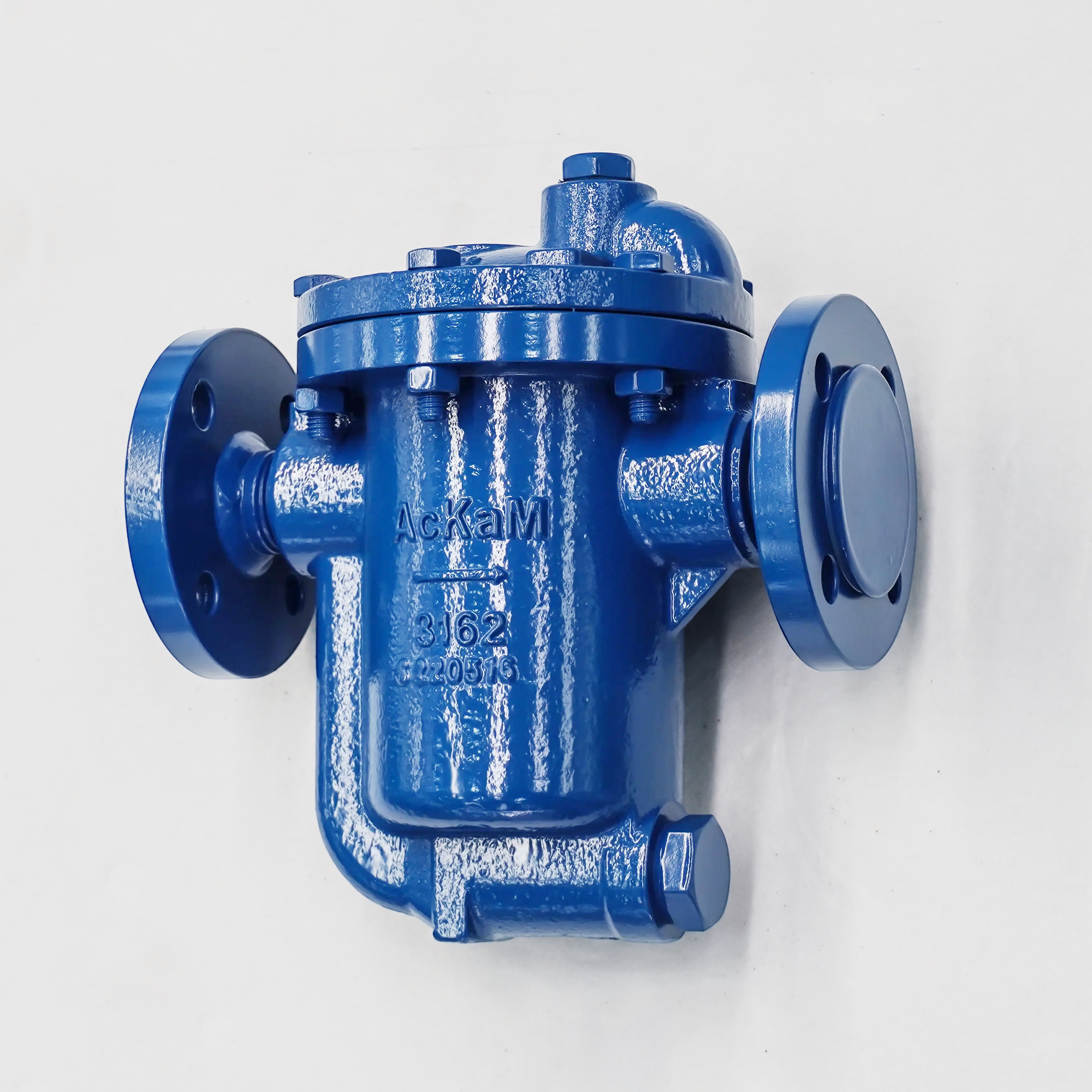
Steam tracing for anti-condensation represents a sophisticated thermal management solution designed to prevent moisture formation and maintain optimal operating temperatures in industrial piping systems and equipment. This technology utilizes controlled steam circulation through specialized tracing lines that run parallel to process pipes, vessels, and instrumentation, effectively creating a thermal barrier against condensation formation. The primary function of steam tracing for anti-condensation involves maintaining surface temperatures above the dew point of surrounding air, thereby eliminating conditions that promote moisture accumulation. The system operates by distributing saturated steam through small-diameter tubing that transfers heat directly to the protected surfaces, ensuring consistent temperature control across extensive pipeline networks. Technological features of steam tracing for anti-condensation include precise temperature regulation through steam pressure control, corrosion-resistant materials such as stainless steel or copper tubing, and integrated condensate drainage systems that remove cooled steam efficiently. Advanced steam tracing for anti-condensation systems incorporate automatic temperature controls, steam traps for optimal condensate removal, and insulation packages that maximize heat transfer efficiency while minimizing energy consumption. Applications span numerous industries including petrochemical processing, power generation, pharmaceutical manufacturing, food processing, and offshore oil platforms where moisture control is critical for operational safety and equipment longevity. In chemical plants, steam tracing for anti-condensation protects catalyst lines from moisture-induced deactivation, while in power facilities it prevents condensation in steam and feedwater systems. Marine applications utilize steam tracing for anti-condensation to protect deck piping and instrumentation from saltwater corrosion and ice formation. The technology proves particularly valuable in cold climates where ambient temperatures create severe condensation risks, making steam tracing for anti-condensation an essential component of comprehensive thermal management strategies.

Popular Products

The advantages of steam tracing for anti-condensation extend far beyond simple moisture prevention, delivering comprehensive operational benefits that directly impact productivity, safety, and cost efficiency. Energy efficiency stands as a primary advantage, as steam tracing for anti-condensation utilizes existing plant steam infrastructure, eliminating the need for separate electrical heating systems that consume significant power. This approach reduces overall energy costs while providing more uniform heat distribution compared to electric alternatives. Maintenance requirements remain minimal with steam tracing for anti-condensation systems, as they contain fewer moving parts and electronic components that typically require frequent servicing or replacement. The robust design of steam tracing for anti-condensation ensures reliable operation in harsh industrial environments where electrical systems might fail due to moisture, vibration, or chemical exposure. Safety benefits include elimination of electrical hazards in potentially explosive atmospheres, making steam tracing for anti-condensation the preferred choice for hazardous area classifications. The system prevents dangerous ice formation on walkways and equipment platforms, reducing slip hazards and equipment damage risks. Operational reliability improves significantly as steam tracing for anti-condensation maintains consistent temperatures regardless of weather conditions or ambient temperature fluctuations. This reliability ensures continuous production processes without weather-related shutdowns or equipment failures. Installation flexibility allows steam tracing for anti-condensation to accommodate complex piping configurations and retrofit applications without major structural modifications. The technology adapts easily to existing facilities, providing immediate anti-condensation benefits without extensive downtime. Cost-effectiveness emerges through reduced equipment replacement cycles, as moisture-related corrosion and freeze damage are eliminated. Process efficiency gains result from maintained fluid viscosities and prevention of hydrate formation in gas processing applications. Long-term operational benefits include extended equipment life, reduced insurance premiums due to improved safety records, and enhanced product quality through elimination of moisture contamination. Environmental advantages include reduced carbon footprint compared to electric heating alternatives and elimination of moisture-related waste disposal requirements. The scalability of steam tracing for anti-condensation allows systems to expand with facility growth while maintaining consistent performance standards across all protected areas.

Practical Tips

Soaring to New Heights: AcKaM Industrial Surges in Billion-Dollar Market with 200% H1 Sales Growth

04

Nov

Soaring to New Heights: AcKaM Industrial Surges in Billion-Dollar Market with 200% H1 Sales Growth

View More
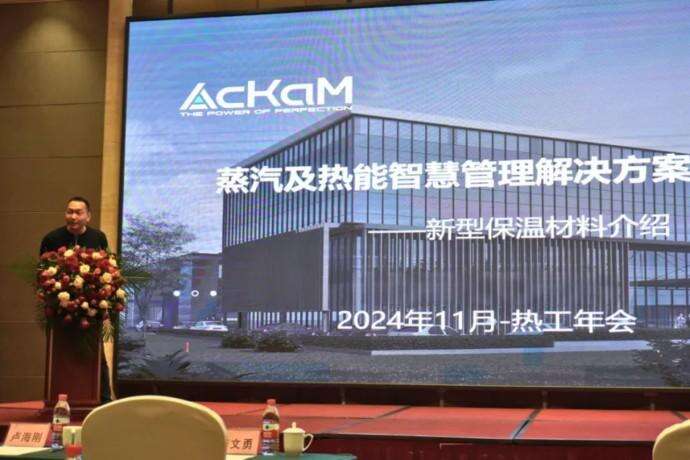
Innovation in Thermal Insulation Technology! AcKaM Delivers Keynote Speech at 2024 National Thermal Engineering Conference

05

Nov

Innovation in Thermal Insulation Technology! AcKaM Delivers Keynote Speech at 2024 National Thermal Engineering Conference

View More
AcKaM: Riding the Trillion-Yuan Wave to Pioneer Innovation

04

Nov

AcKaM: Riding the Trillion-Yuan Wave to Pioneer Innovation

View More

Get a Free Quote

Our representative will contact you soon.
Email
Name
Company Name
Message
0/1000

steam tracing for anti-condensation

Superior Temperature Control and Consistency

Superior Temperature Control and Consistency

Steam tracing for anti-condensation delivers unmatched temperature control precision that sets it apart from conventional heating methods. The system maintains surface temperatures within narrow tolerance ranges, typically plus or minus two degrees Celsius, ensuring optimal anti-condensation performance under varying environmental conditions. This precision stems from steam's inherent temperature stability at given pressures, providing natural temperature regulation without complex control systems. The heat transfer characteristics of steam tracing for anti-condensation create uniform temperature distribution along entire pipeline lengths, eliminating hot spots and cold zones that could compromise moisture prevention effectiveness. Unlike electric heating systems that experience temperature variations due to voltage fluctuations or element aging, steam tracing for anti-condensation maintains consistent thermal output throughout its operational life. The system responds rapidly to temperature changes, automatically adjusting heat output based on ambient conditions and heat loss rates. This responsiveness ensures continuous protection against condensation formation, even during sudden weather changes or process upsets. Advanced steam tracing for anti-condensation designs incorporate modulating controls that optimize steam flow based on actual temperature requirements, maximizing energy efficiency while maintaining precise temperature control. The thermal mass of steam provides excellent buffering against temperature fluctuations, creating stable operating conditions that protect sensitive processes and equipment. Installation of steam tracing for anti-condensation systems allows for zone-specific temperature control, enabling different areas of a facility to maintain optimal temperatures based on their specific anti-condensation requirements. The system's ability to maintain consistent temperatures reduces thermal stress on piping and equipment, extending service life and reducing maintenance costs. Quality control benefits include elimination of temperature-related product variations and improved process repeatability. The superior temperature consistency of steam tracing for anti-condensation makes it particularly valuable in applications where precise thermal management is critical for product quality, equipment protection, and operational safety.
Comprehensive Corrosion Prevention and Equipment Protection

Comprehensive Corrosion Prevention and Equipment Protection

Steam tracing for anti-condensation provides exceptional corrosion prevention capabilities that protect valuable industrial equipment and infrastructure from moisture-related damage. The system creates a protective thermal envelope around piping, vessels, and instrumentation, maintaining surface temperatures above dew points that prevent condensation formation and subsequent corrosion initiation. This protection extends equipment service life significantly, often doubling or tripling the expected operational lifespan of unprotected systems. The anti-condensation properties of steam tracing eliminate the acidic conditions that develop when moisture combines with atmospheric pollutants, preventing the electrochemical reactions that cause metal degradation. In marine environments, steam tracing for anti-condensation prevents saltwater condensation that accelerates corrosion rates exponentially, protecting expensive offshore equipment investments. The system's ability to maintain dry surfaces eliminates under-insulation corrosion, a costly problem that affects insulated piping systems exposed to moisture infiltration. Steam tracing for anti-condensation prevents freeze damage by maintaining temperatures above freezing points, eliminating pipe ruptures and equipment failures associated with ice formation. The technology protects sensitive instrumentation from moisture-induced failures, ensuring accurate measurements and control system reliability. Electronic components benefit from the dry environment created by steam tracing for anti-condensation, reducing false readings, signal interference, and premature equipment replacement costs. The system prevents biological growth such as mold and bacteria that thrive in moist conditions, maintaining sanitary conditions in food processing and pharmaceutical applications. Structural protection extends to building components, as steam tracing for anti-condensation prevents condensation on walls, ceilings, and support structures that could lead to structural deterioration. The comprehensive protection offered by steam tracing for anti-condensation reduces insurance premiums by minimizing equipment failure risks and associated business interruption costs. Preventive maintenance costs decrease substantially as moisture-related problems are eliminated, allowing maintenance resources to focus on productive improvements rather than corrosion repair. The long-term economic benefits of comprehensive equipment protection make steam tracing for anti-condensation a sound investment that pays for itself through reduced replacement costs and extended equipment life.
Versatile Application Flexibility and Seamless Integration

Versatile Application Flexibility and Seamless Integration

Steam tracing for anti-condensation demonstrates remarkable versatility in application design and integration capabilities, adapting seamlessly to diverse industrial environments and operational requirements. The technology accommodates complex piping geometries, including bends, loops, and vertical runs, maintaining effective anti-condensation protection throughout intricate pipeline networks. Installation flexibility allows steam tracing for anti-condensation to retrofit existing facilities without major structural modifications or extended downtime periods. The system integrates with various pipe sizes, from small instrument tubing to large process lines, providing scalable solutions that match specific application needs. Modular design characteristics enable steam tracing for anti-condensation systems to expand incrementally as facilities grow, maintaining consistent performance standards across all protected areas. The technology adapts to different operational pressures and temperatures, making it suitable for low-pressure condensate systems and high-pressure process applications alike. Steam tracing for anti-condensation accommodates various insulation types and thicknesses, working effectively with traditional mineral wool, cellular glass, and advanced aerogel insulation systems. The system's compatibility with different pipe materials, including carbon steel, stainless steel, and specialty alloys, ensures broad applicability across industrial sectors. Control system integration allows steam tracing for anti-condensation to interface with existing plant automation systems, enabling remote monitoring and automated operation. The technology supports both constant temperature and variable temperature applications, adjusting to seasonal requirements and process variations. Installation methods range from direct attachment to embedded designs within insulation systems, providing options that optimize performance for specific applications. Steam tracing for anti-condensation systems accommodate hazardous area classifications, meeting stringent safety requirements for explosive atmospheres and chemical processing environments. The technology supports both indoor and outdoor applications, withstanding harsh weather conditions while maintaining consistent anti-condensation performance. Maintenance accessibility remains excellent with properly designed steam tracing for anti-condensation installations, allowing routine inspections and repairs without system shutdown. The versatile nature of steam tracing for anti-condensation makes it suitable for temporary applications during construction or maintenance activities, providing flexible solutions for changing operational needs. Integration capabilities extend to renewable energy applications, where steam tracing for anti-condensation protects solar thermal systems and geothermal installations from moisture-related performance degradation.
Get a Free Quote

Our representative will contact you soon.
Email
Name
Company Name
Message
0/1000