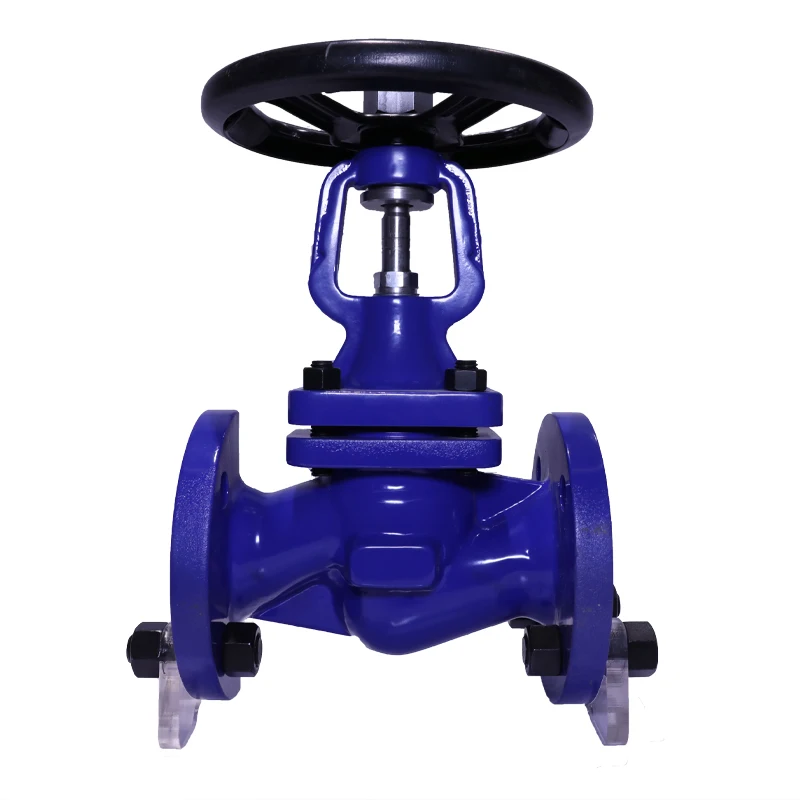
steam tracing for temperature control
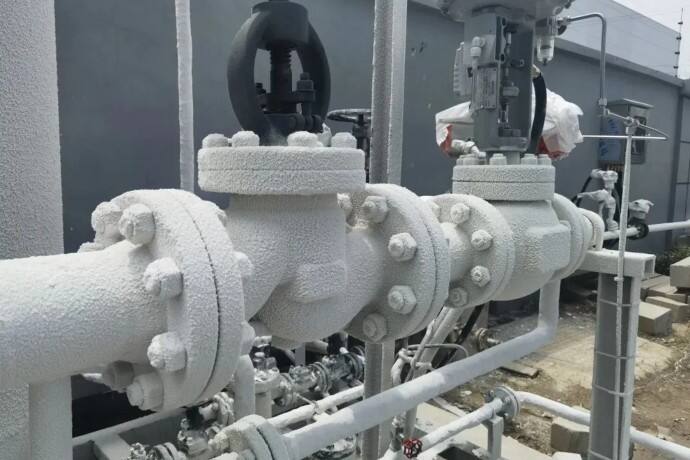
Steam tracing for temperature control represents a highly effective thermal management solution that maintains consistent temperatures in pipelines, vessels, and equipment across various industrial applications. This technology utilizes steam as a heating medium to prevent freezing, maintain viscosity, and ensure optimal process temperatures throughout complex industrial systems. The fundamental principle involves routing steam-carrying tubes alongside or around the equipment requiring temperature maintenance, creating a controlled heat transfer mechanism that delivers precise thermal regulation. Steam tracing for temperature control systems typically consist of steam supply lines, condensate return systems, temperature monitoring devices, and insulation components that work together to create an integrated thermal management network. The technology offers exceptional versatility in design configurations, allowing engineers to customize installations based on specific temperature requirements, environmental conditions, and operational parameters. Modern steam tracing for temperature control systems incorporate advanced monitoring capabilities that enable real-time temperature tracking and automated control adjustments. The steam distribution network can be configured in parallel or series arrangements, depending on the application requirements and desired temperature uniformity. These systems excel in maintaining temperatures ranging from just above freezing to several hundred degrees, making them suitable for diverse industrial processes. The condensate return feature ensures energy efficiency by capturing and recycling the thermal energy contained in condensed steam. Steam tracing for temperature control applications extend across petrochemical facilities, power generation plants, food processing operations, pharmaceutical manufacturing, and water treatment facilities. The technology proves particularly valuable in cold climates where freeze protection becomes critical for operational continuity and equipment protection.