heat trace for plumbing pipes
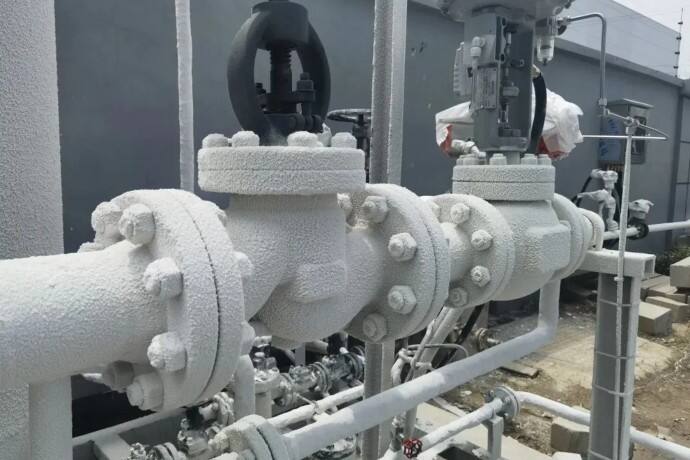
Heat trace for plumbing pipes represents a sophisticated electrical heating solution designed to prevent freezing and maintain optimal temperatures in residential, commercial, and industrial water systems. This technology employs specialized heating cables or tapes that are strategically installed along pipelines to deliver consistent thermal energy, ensuring continuous water flow even during extreme cold weather conditions. The heat trace for plumbing pipes system operates through self-regulating or constant wattage heating elements that automatically adjust their heat output based on ambient temperature fluctuations. Modern heat trace for plumbing pipes solutions incorporate advanced polymer technology that increases electrical resistance as temperatures rise, providing energy-efficient operation while preventing overheating. These systems feature robust construction with weather-resistant jackets, UV-stabilized materials, and chemical-resistant insulation that withstands harsh environmental conditions. The technological framework of heat trace for plumbing pipes includes multiple installation configurations such as spiral wrapping, straight-line application, and zone-specific heating arrangements. Installation typically involves securing the heating cable directly to the pipe surface using specialized tape or clamps, followed by proper insulation to maximize thermal efficiency. Control systems integrated with heat trace for plumbing pipes often include digital thermostats, ground fault protection, and remote monitoring capabilities that enable precise temperature management. Applications span diverse sectors including residential homes in cold climates, commercial buildings, industrial processing facilities, and outdoor installations where freeze protection is critical. The system proves particularly valuable for exposed pipework, crawl spaces, basements, and exterior pipe runs that experience temperature variations. Heat trace for plumbing pipes technology has evolved to accommodate various pipe materials including copper, PVC, steel, and composite materials, with specific heating cables designed for each application type. Safety features incorporated into modern systems include ground fault circuit interrupters, thermal protection devices, and fire-resistant cable jackets that meet stringent building codes and safety standards.