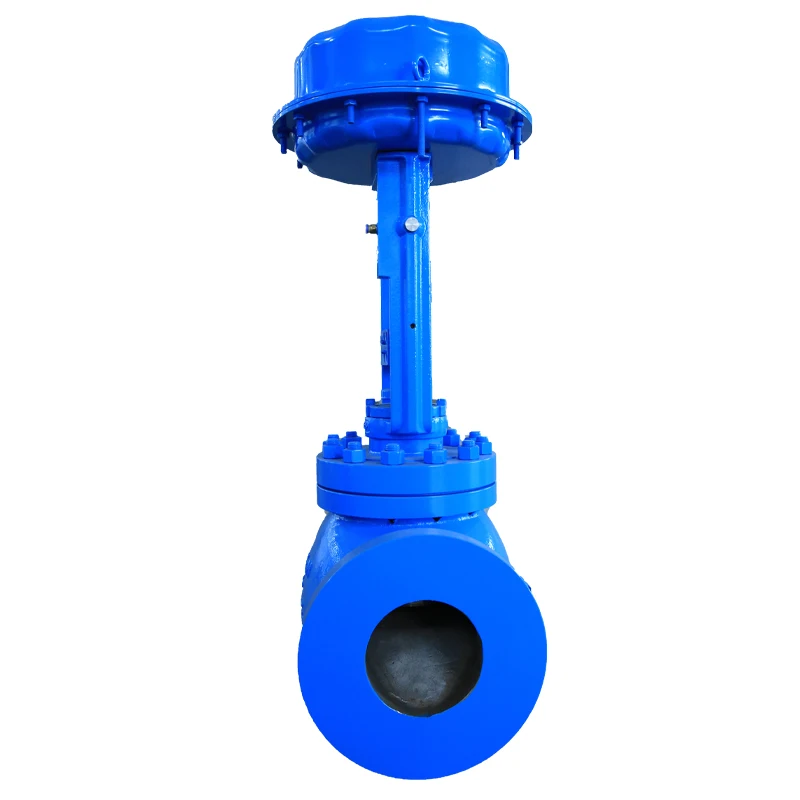
Professional Tank Heat Tracing Solutions - Efficient Industrial Heating Systems

All Categories

Get a Free Quote

Our representative will contact you soon.
Email
Name
Company Name
Message
0/1000

tank heat tracing

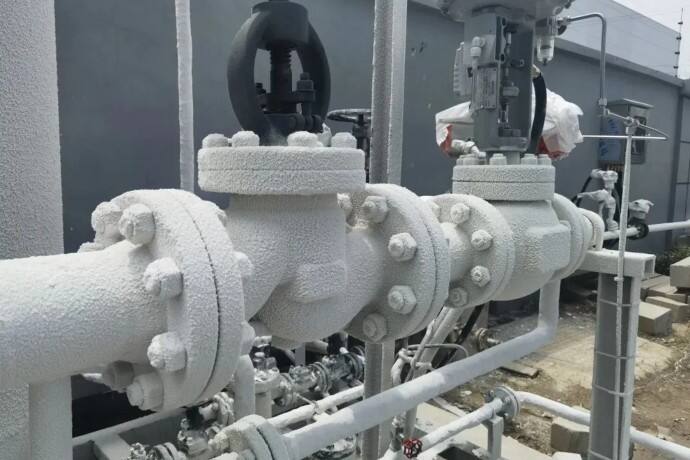
Tank heat tracing represents a critical thermal management solution designed to maintain optimal temperatures in storage tanks and vessels across various industrial applications. This sophisticated heating system utilizes electric heating cables, steam tracers, or hot water circulation to prevent freezing, maintain viscosity, and ensure proper flow characteristics of stored liquids. The primary function of tank heat tracing involves delivering controlled heat distribution around tank surfaces, pipelines, and associated equipment to counteract heat loss and environmental temperature variations. Modern tank heat tracing systems incorporate advanced temperature monitoring and control mechanisms that automatically adjust heating output based on ambient conditions and specific process requirements. These systems feature robust construction materials capable of withstanding harsh industrial environments, including chemical exposure, mechanical stress, and extreme weather conditions. The technology employs various heating methods including self-regulating electric cables, constant wattage heating elements, and mineral-insulated heating cables, each offering distinct advantages for different applications. Tank heat tracing systems integrate seamlessly with existing infrastructure while providing precise temperature control through digital thermostats and monitoring devices. The installation process involves strategically positioning heating elements around tank surfaces, ensuring uniform heat distribution and optimal energy efficiency. Safety features include ground fault protection, temperature limiting devices, and explosion-proof enclosures for hazardous environments. These systems support diverse industries including petrochemicals, food processing, pharmaceuticals, and water treatment facilities where maintaining specific temperatures is crucial for operational success. Tank heat tracing technology continues evolving with smart monitoring capabilities, remote control options, and enhanced energy efficiency measures that reduce operational costs while improving reliability and performance standards.
New Product Releases

Tank heat tracing delivers substantial operational benefits that directly impact productivity and cost efficiency for industrial facilities. The most significant advantage lies in preventing costly freeze damage to storage tanks and their contents, which can result in thousands of dollars in repairs and lost production time. By maintaining consistent temperatures, tank heat tracing ensures continuous material flow, eliminating the need for expensive thawing procedures or product replacement due to freezing. Energy efficiency represents another major benefit, as modern tank heat tracing systems consume significantly less power compared to alternative heating methods while providing superior temperature control accuracy. These systems operate automatically, reducing labor costs and minimizing human error associated with manual heating processes. The technology extends equipment lifespan by preventing thermal shock and reducing stress on tank walls and associated piping systems. Maintenance requirements remain minimal due to the robust design of heating cables and control systems, resulting in lower long-term operational expenses. Tank heat tracing provides rapid heating response times, allowing facilities to quickly adjust temperatures when process requirements change or environmental conditions shift dramatically. The systems offer excellent scalability, accommodating tanks of various sizes and configurations without requiring extensive modifications to existing infrastructure. Safety improvements include reduced fire hazards compared to open flame heating methods and elimination of hot surfaces that could pose burn risks to personnel. Process reliability increases substantially with tank heat tracing, as consistent temperatures ensure predictable material properties and flow characteristics essential for quality control. The technology supports environmental compliance by preventing product waste and reducing emissions associated with reheating frozen materials. Installation flexibility allows tank heat tracing systems to be customized for specific applications, including underground tanks, elevated storage vessels, and complex piping networks. Cost predictability improves through stable energy consumption patterns and reduced emergency repair expenses. These systems integrate effectively with building automation systems, enabling centralized monitoring and control that enhances operational efficiency across entire facilities.

Tips And Tricks

Soaring to New Heights: AcKaM Industrial Surges in Billion-Dollar Market with 200% H1 Sales Growth

04

Nov

Soaring to New Heights: AcKaM Industrial Surges in Billion-Dollar Market with 200% H1 Sales Growth

View More
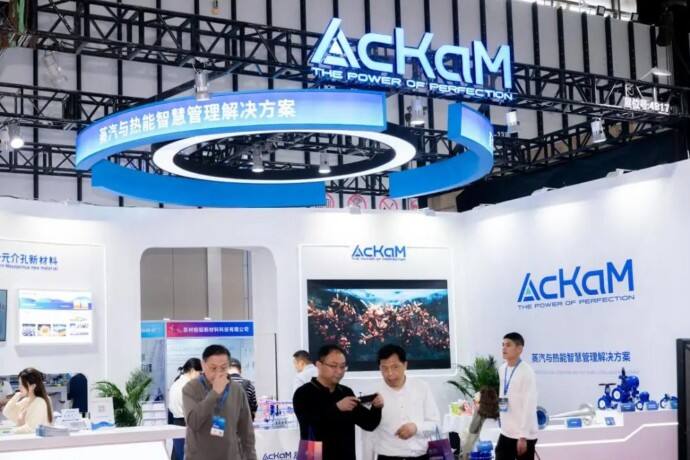
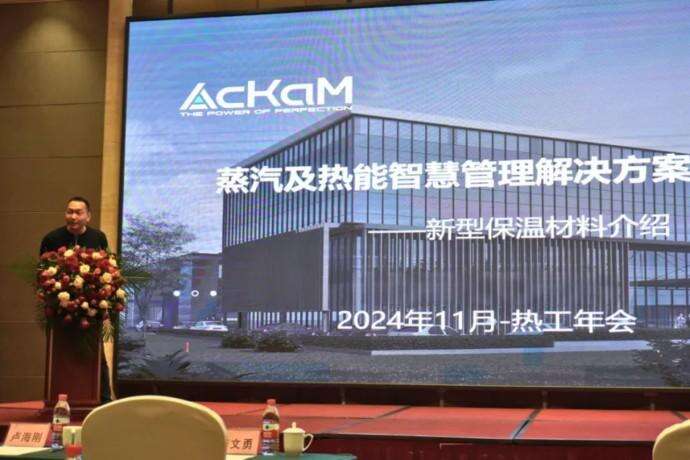
Innovation in Thermal Insulation Technology! AcKaM Delivers Keynote Speech at 2024 National Thermal Engineering Conference

05

Nov

Innovation in Thermal Insulation Technology! AcKaM Delivers Keynote Speech at 2024 National Thermal Engineering Conference

View More
AcKaM: Riding the Trillion-Yuan Wave to Pioneer Innovation

04

Nov

AcKaM: Riding the Trillion-Yuan Wave to Pioneer Innovation

View More

Get a Free Quote

Our representative will contact you soon.
Email
Name
Company Name
Message
0/1000

tank heat tracing

Advanced Temperature Control Technology

Advanced Temperature Control Technology

Tank heat tracing systems incorporate cutting-edge temperature control technology that revolutionizes thermal management in industrial storage applications. The sophisticated control mechanisms utilize precision sensors and digital thermostats to maintain exact temperature ranges with minimal deviation, ensuring optimal conditions for stored materials regardless of external weather fluctuations. These advanced systems feature programmable temperature profiles that automatically adjust heating output based on time schedules, seasonal requirements, and specific process needs. The intelligent control algorithms continuously monitor multiple temperature points across tank surfaces, providing comprehensive thermal mapping that identifies potential cold spots or overheating areas before they impact operations. Smart monitoring capabilities include wireless connectivity options that enable remote temperature tracking through mobile devices and computer interfaces, allowing facility managers to oversee multiple tank heat tracing installations from centralized locations. The technology incorporates predictive maintenance features that analyze heating element performance patterns and alert operators to potential issues before system failures occur. Advanced tank heat tracing controllers offer data logging capabilities that record temperature trends, energy consumption patterns, and system performance metrics for regulatory compliance and operational optimization purposes. The precision control systems prevent temperature overshooting that could damage sensitive materials or waste energy through excessive heating. Alarm functions immediately notify operators when temperatures fall outside acceptable ranges, enabling rapid response to prevent product loss or equipment damage. Integration capabilities allow tank heat tracing control systems to communicate with existing facility management networks, creating seamless coordination between heating operations and other industrial processes. The advanced technology supports multiple heating zones within single tank installations, providing customized temperature control for different product types or storage requirements within the same vessel.
Superior Energy Efficiency and Cost Savings

Superior Energy Efficiency and Cost Savings

Tank heat tracing technology delivers exceptional energy efficiency that translates into substantial cost savings for industrial operations while maintaining superior heating performance. The self-regulating heating cable design automatically adjusts power consumption based on ambient temperatures, consuming maximum energy only when necessary to maintain target temperatures and reducing output as conditions stabilize. This intelligent energy management eliminates waste associated with constant high-power heating systems and prevents overheating that increases operational costs unnecessarily. Modern tank heat tracing installations achieve energy efficiency ratings significantly higher than traditional heating methods, with some systems reducing power consumption by up to forty percent compared to conventional alternatives. The precise temperature control capabilities minimize energy fluctuations and maintain steady-state conditions that optimize fuel usage across extended operating periods. Heat distribution efficiency maximizes thermal transfer while minimizing energy loss through superior insulation integration and strategic heating element placement around tank surfaces. The technology supports variable heating zones that allow operators to heat only specific tank areas when full-capacity heating is unnecessary, providing additional energy savings opportunities during low-demand periods. Maintenance cost reductions contribute significantly to overall savings, as tank heat tracing systems require minimal servicing compared to complex mechanical heating equipment with moving parts and regular component replacements. The extended operational lifespan of heating cables and control components reduces capital replacement expenses while maintaining consistent performance standards throughout the system lifecycle. Energy monitoring features provide detailed consumption data that enables facility managers to optimize heating schedules and identify opportunities for further efficiency improvements. Quick heating response times reduce startup energy requirements when systems activate after shutdown periods, minimizing peak power demands that increase utility costs. The technology eliminates energy waste associated with preheating large volumes of air or heating media required by alternative heating methods. Return on investment calculations consistently demonstrate payback periods of less than two years for most tank heat tracing installations through combined energy savings and reduced maintenance expenses.
Versatile Applications and Installation Flexibility

Versatile Applications and Installation Flexibility

Tank heat tracing systems demonstrate remarkable versatility across diverse industrial applications, providing customized thermal solutions for virtually any storage tank configuration or operational requirement. The technology adapts seamlessly to various tank materials including steel, fiberglass, concrete, and specialized alloys, ensuring compatibility with existing infrastructure without requiring expensive modifications or replacements. Installation flexibility accommodates tanks ranging from small laboratory vessels to massive industrial storage facilities containing millions of gallons of materials, with heating systems scalable to match specific capacity and thermal requirements. The technology serves multiple industries including petrochemicals where tank heat tracing prevents wax buildup in crude oil storage, food processing applications that maintain chocolate and cooking oil temperatures, pharmaceutical manufacturing requiring precise temperature control for active ingredients, and water treatment facilities preventing freeze damage to chemical storage tanks. Specialized applications include underground tank heating where conventional heating methods prove impractical, elevated storage vessel heating that overcomes accessibility challenges, and mobile tank heating for transportation and temporary storage solutions. The systems accommodate various product types from highly viscous materials requiring significant heating to temperature-sensitive compounds needing gentle warming, with heating outputs adjustable to match specific thermal characteristics and flow requirements. Installation configurations include external tank wall mounting, internal immersion heating, pipe tracing for inlet and outlet lines, and valve and fitting heating to ensure complete thermal protection throughout storage systems. The technology integrates with existing insulation systems to maximize heating efficiency while supporting various insulation types and thicknesses commonly used in industrial applications. Retrofit capabilities allow tank heat tracing installation on operating facilities with minimal downtime, providing upgrade paths for aging heating systems without requiring complete infrastructure replacement. Environmental adaptability ensures reliable operation in extreme climates, corrosive atmospheres, and hazardous locations with appropriate heating cable selections and protective enclosures. Expansion possibilities accommodate facility growth by adding heating zones or upgrading control systems without replacing existing tank heat tracing infrastructure, providing long-term value and operational flexibility for evolving industrial requirements.

Get a Free Quote

Our representative will contact you soon.
Email
Name
Company Name
Message
0/1000