steam tracing for freeze protection
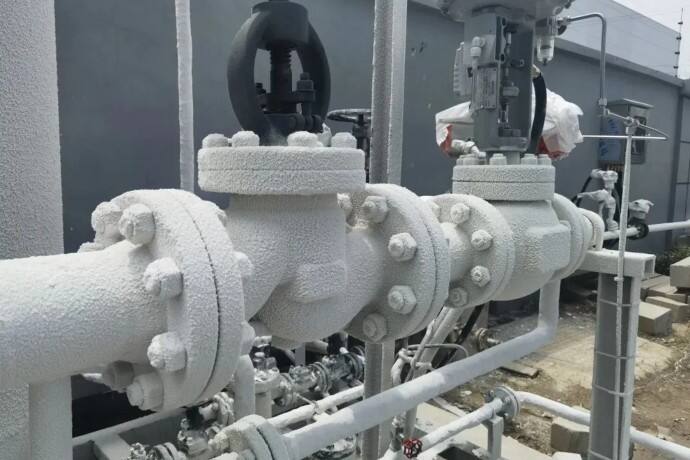
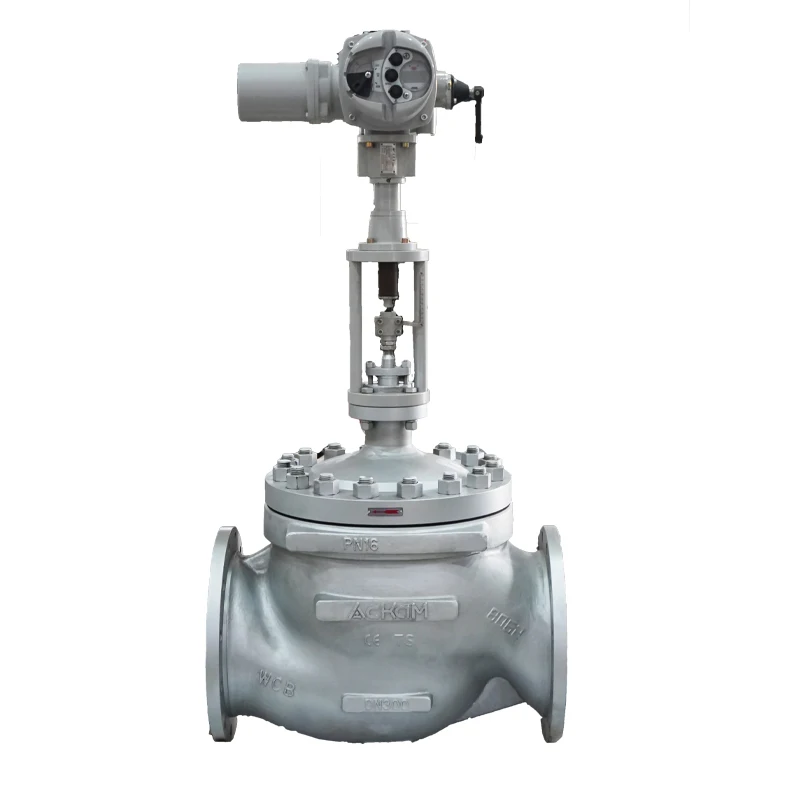
Steam tracing for freeze protection represents a critical industrial heating solution designed to maintain optimal temperatures in pipelines, vessels, and equipment during cold weather conditions. This sophisticated system utilizes pressurized steam circulation through specially designed tubing that runs parallel to or wraps around the infrastructure requiring protection. The primary function involves preventing water, chemicals, and other process fluids from freezing, which could cause catastrophic pipe bursts, equipment damage, and production shutdowns. Steam tracing for freeze protection operates by transferring thermal energy from the steam medium directly to the target surfaces, creating a continuous heat source that maintains temperatures above freezing points. The technological framework incorporates steam supply headers, distribution networks, condensate return systems, and temperature control mechanisms that work together to deliver consistent thermal protection. Modern steam tracing for freeze protection systems feature advanced monitoring capabilities, including temperature sensors, pressure gauges, and automated control valves that optimize steam consumption while ensuring reliable protection. Applications span across diverse industries including petrochemical processing, power generation, water treatment facilities, pharmaceutical manufacturing, and food processing operations. The versatility of steam tracing for freeze protection makes it suitable for both indoor and outdoor installations, accommodating various pipe materials, sizes, and operating conditions. Installation configurations range from simple parallel tracing arrangements to complex serpentine patterns depending on specific heat requirements and environmental factors. The system proves particularly valuable in regions experiencing extreme winter conditions where traditional insulation alone cannot provide adequate protection against freezing temperatures that threaten operational continuity and safety standards.