heat tracaing for chemical
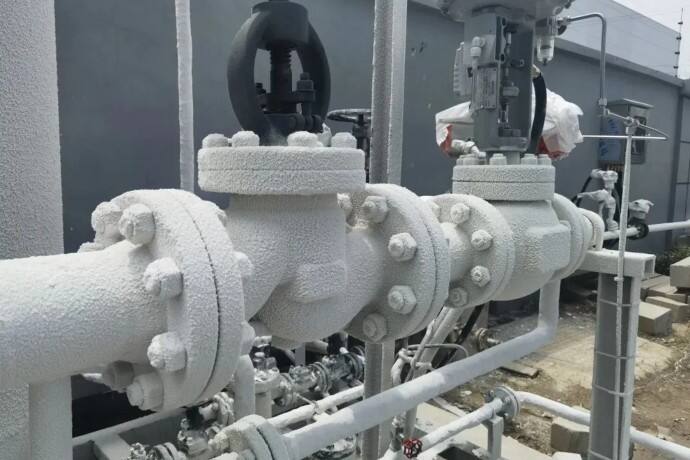
Heat tracing for chemical represents a critical thermal management solution designed to maintain optimal temperatures in chemical processing systems, pipelines, and storage facilities. This sophisticated technology employs electric heating cables or steam-based systems to prevent freezing, maintain viscosity, and ensure consistent temperature control throughout chemical operations. The primary function of heat tracing for chemical applications involves delivering precise, controlled heating to maintain process fluids at their required operating temperatures, preventing crystallization, solidification, or viscosity changes that could disrupt production processes. The technological foundation of heat tracing for chemical systems incorporates advanced temperature sensors, intelligent control systems, and specialized heating elements engineered to withstand harsh chemical environments. These systems utilize self-regulating heating cables that automatically adjust their heat output based on ambient conditions, ensuring energy efficiency while maintaining precise temperature control. Modern heat tracing for chemical installations feature corrosion-resistant materials, explosion-proof designs, and integrated monitoring capabilities that provide real-time temperature data and system performance metrics. Applications for heat tracing for chemical processes span across pharmaceutical manufacturing, petrochemical refineries, specialty chemical production, and industrial processing facilities where temperature stability is paramount. The technology proves essential in maintaining heated storage tanks, preventing pipeline freeze-up during winter operations, and ensuring consistent product quality in temperature-sensitive chemical reactions. Advanced heat tracing for chemical systems incorporate smart controls that enable remote monitoring, predictive maintenance scheduling, and automated temperature adjustments based on process requirements. These installations support various chemical processing environments, from highly corrosive acid handling systems to delicate pharmaceutical manufacturing processes requiring precise temperature maintenance. The integration of heat tracing for chemical applications ensures operational continuity, reduces maintenance costs, and enhances overall process reliability while meeting stringent safety and environmental regulations governing chemical industry operations.