Steam Tracing for Fats: Advanced Industrial Heating Solutions for Optimal Fat Processing

All Categories

Get a Free Quote

Our representative will contact you soon.
Email
Name
Company Name
Message
0/1000

steam tracing for fats

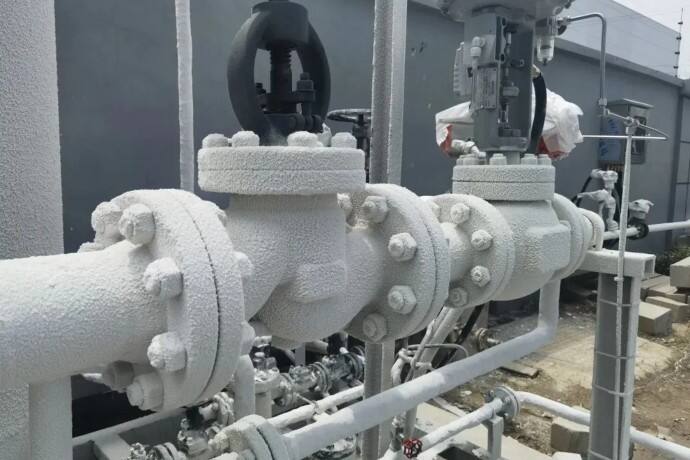
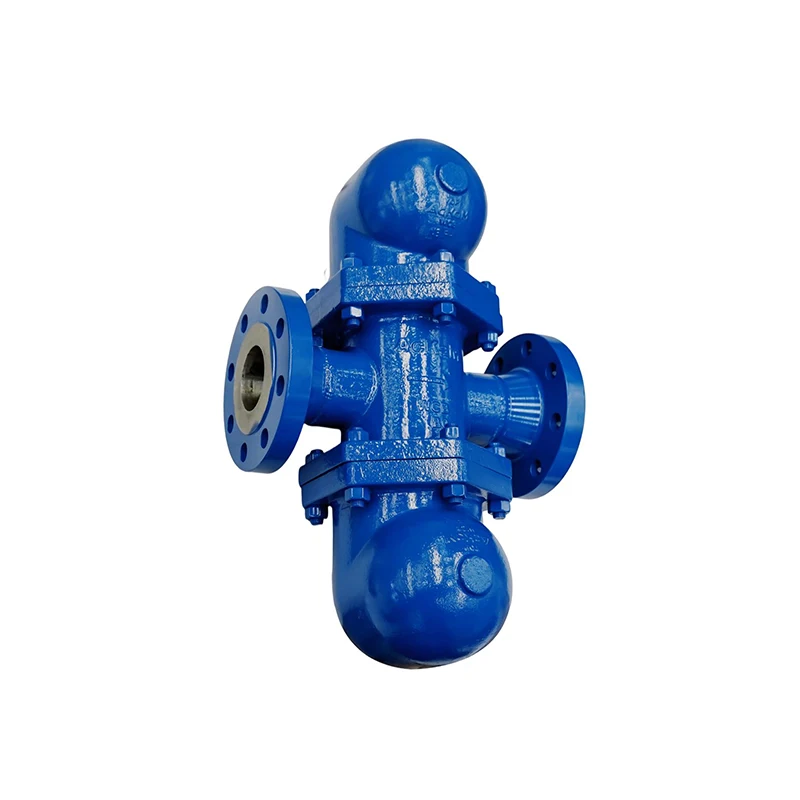
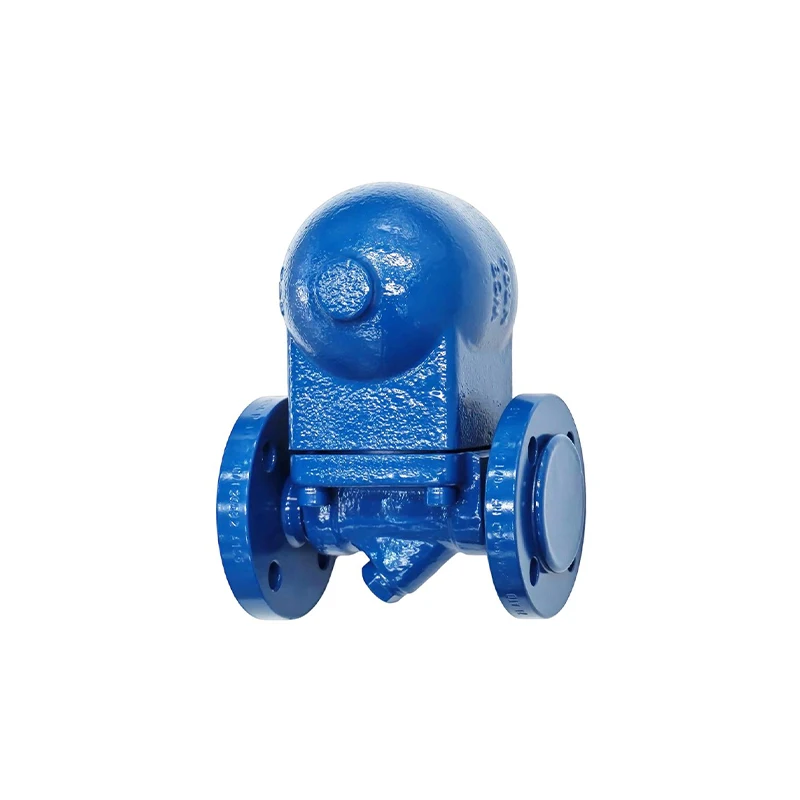
Steam tracing for fats represents a crucial thermal management solution designed specifically for handling viscous fat-based products in industrial applications. This sophisticated heating system utilizes steam circulation through specialized tubing networks to maintain optimal temperatures for fat processing, storage, and transportation. The primary function of steam tracing for fats involves preventing solidification and maintaining fluid consistency across various stages of production. The technology operates by circulating saturated steam through heat-conducting tubes that run parallel to fat-containing pipelines, vessels, and storage tanks. This continuous heat transfer ensures that fats remain at their required processing temperatures, typically ranging from 40°C to 80°C depending on the specific fat type and application requirements. The technological features of steam tracing for fats include precision temperature control systems, corrosion-resistant materials, and energy-efficient heat distribution mechanisms. Advanced control systems monitor temperature variations and automatically adjust steam flow rates to maintain consistent heating performance. The tracing tubes are manufactured from materials that withstand high temperatures while providing excellent thermal conductivity. Installation flexibility allows steam tracing for fats to accommodate complex pipeline configurations and varying facility layouts. Applications span across food processing industries, biodiesel production facilities, soap manufacturing plants, and cosmetic production centers. In food processing, steam tracing for fats ensures that cooking oils, butter, margarine, and other fat-based ingredients maintain proper consistency during production cycles. Biodiesel facilities rely on this technology to keep feedstock oils fluid during processing and storage. The system's versatility makes it suitable for both small-scale operations and large industrial installations, providing reliable temperature maintenance regardless of ambient conditions or seasonal variations.

New Product Releases

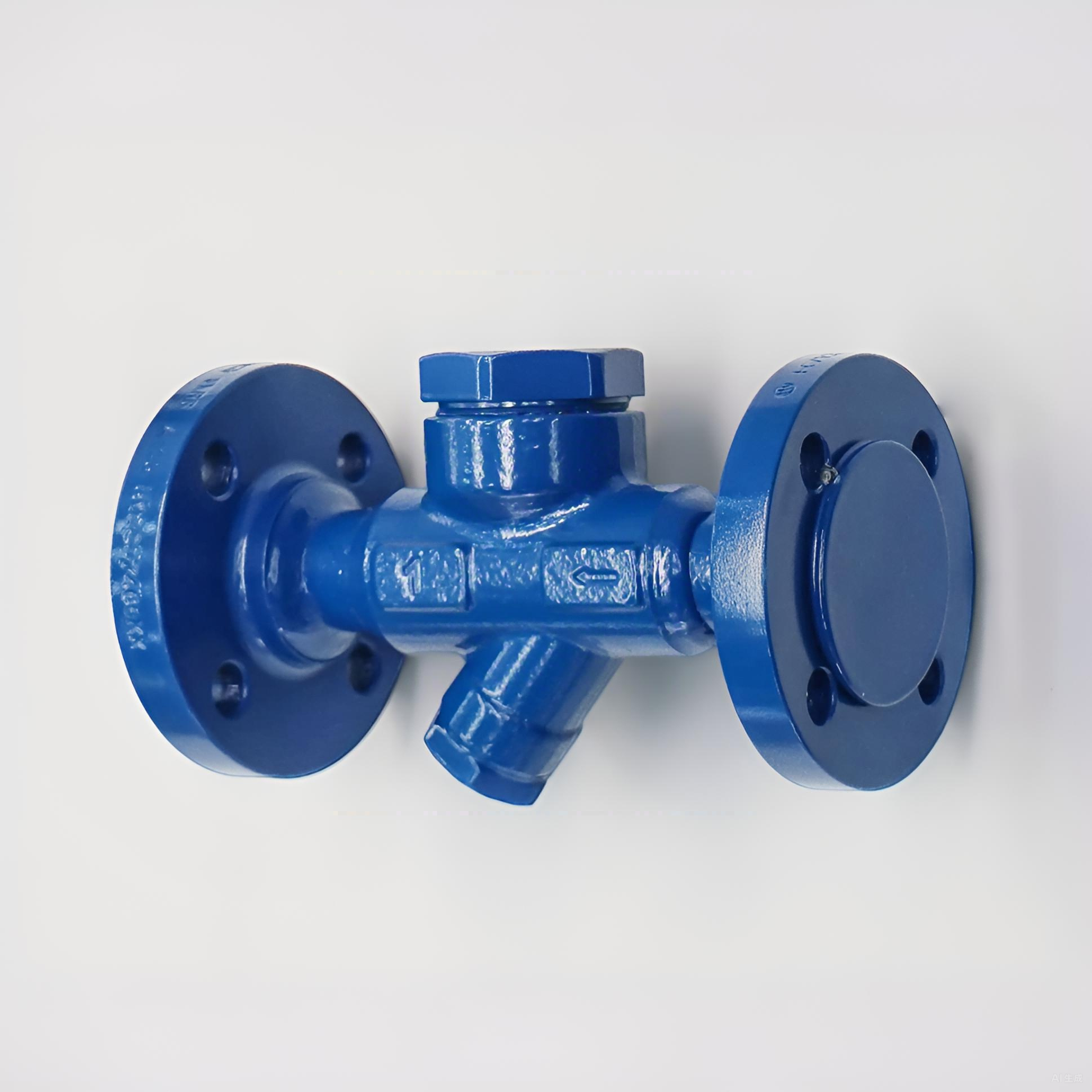
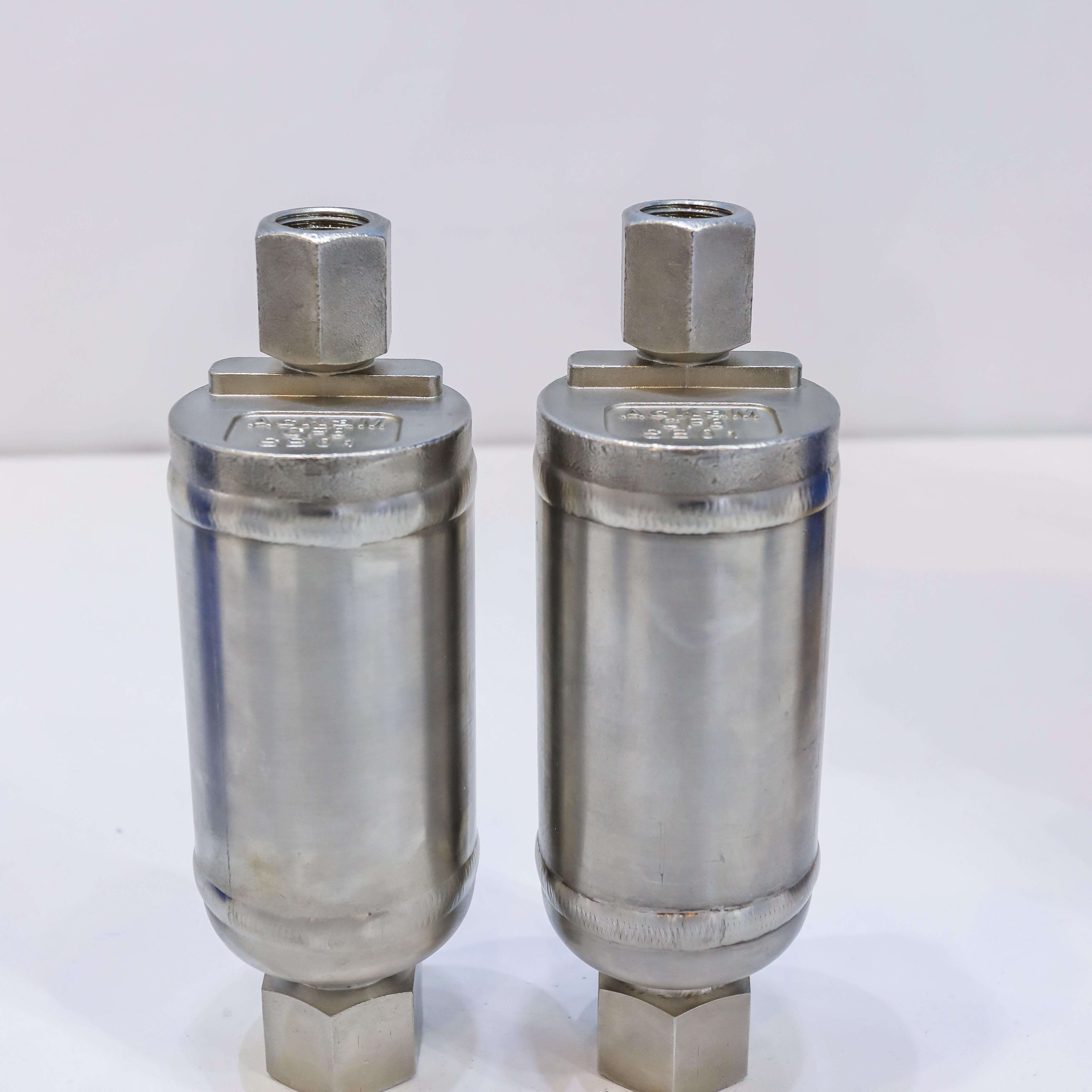
Steam tracing for fats delivers exceptional energy efficiency compared to alternative heating methods, significantly reducing operational costs while maintaining superior temperature control. This system converts steam energy directly into heat without requiring electrical heating elements, resulting in lower energy consumption and reduced utility expenses. The consistent heat distribution prevents hot spots and temperature fluctuations that could damage fat products or create quality inconsistencies. Unlike electric heating systems, steam tracing for fats provides uniform temperature across entire pipeline networks, eliminating cold zones where fat solidification might occur. The reliability factor stands out as steam tracing systems operate continuously without frequent maintenance interruptions, ensuring uninterrupted production schedules. These systems demonstrate remarkable durability, withstanding harsh industrial environments while maintaining consistent performance over extended periods. Safety benefits include reduced fire hazards since steam tracing operates at lower surface temperatures compared to electric heating elements, minimizing risks in fat processing environments where combustible materials are present. The environmental advantages of steam tracing for fats include reduced carbon footprint through efficient steam utilization and minimal waste heat generation. Installation simplicity allows rapid deployment without extensive facility modifications, reducing implementation costs and minimizing production downtime. Maintenance requirements are minimal, involving primarily routine inspections and occasional steam trap servicing, which translates to lower long-term operational expenses. The scalability advantage enables steam tracing for fats to expand with growing production demands without requiring complete system replacements. Temperature precision ensures optimal product quality by maintaining fats within specific temperature ranges that preserve nutritional properties and prevent thermal degradation. Operational flexibility allows adjustment of heating intensity based on seasonal requirements, product types, or production schedules. The quick response time of steam tracing systems enables rapid temperature adjustments when switching between different fat products or processing parameters, enhancing overall production efficiency and product quality consistency.

Tips And Tricks

Soaring to New Heights: AcKaM Industrial Surges in Billion-Dollar Market with 200% H1 Sales Growth

04

Nov

Soaring to New Heights: AcKaM Industrial Surges in Billion-Dollar Market with 200% H1 Sales Growth

View More
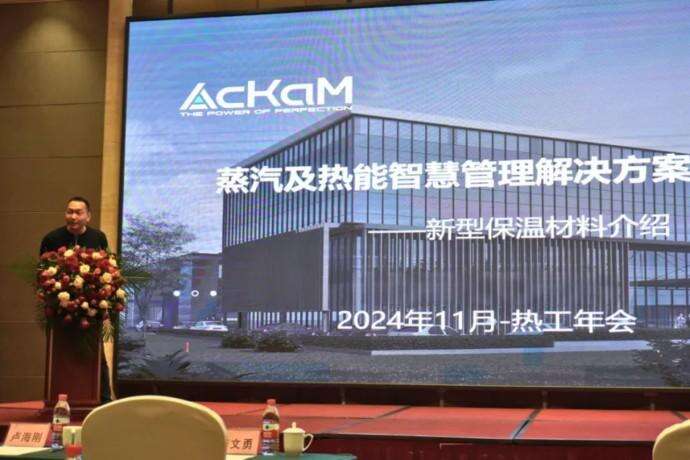
Innovation in Thermal Insulation Technology! AcKaM Delivers Keynote Speech at 2024 National Thermal Engineering Conference

05

Nov

Innovation in Thermal Insulation Technology! AcKaM Delivers Keynote Speech at 2024 National Thermal Engineering Conference

View More
AcKaM: Riding the Trillion-Yuan Wave to Pioneer Innovation

04

Nov

AcKaM: Riding the Trillion-Yuan Wave to Pioneer Innovation

View More

Get a Free Quote

Our representative will contact you soon.
Email
Name
Company Name
Message
0/1000

steam tracing for fats

Advanced Temperature Control Technology

Advanced Temperature Control Technology

The advanced temperature control technology integrated into steam tracing for fats represents a breakthrough in industrial thermal management, offering unprecedented precision and reliability for fat processing applications. This sophisticated control system utilizes multiple sensor arrays strategically positioned throughout the tracing network to monitor temperature variations in real-time, ensuring optimal heat distribution across all fat-containing systems. The technology incorporates smart algorithms that automatically adjust steam flow rates based on ambient conditions, product requirements, and operational demands. These intelligent control mechanisms prevent temperature overshooting and undershooting, which can significantly impact fat quality and processing efficiency. The system features programmable temperature profiles that accommodate different fat types, from high-melting-point animal fats to temperature-sensitive vegetable oils, ensuring each product receives appropriate thermal treatment. Advanced monitoring capabilities provide operators with comprehensive data visualization through digital interfaces, displaying temperature trends, energy consumption patterns, and system performance metrics. This data-driven approach enables predictive maintenance scheduling, reducing unexpected downtime and optimizing operational efficiency. The control technology integrates seamlessly with existing facility management systems, allowing centralized monitoring and control of multiple steam tracing for fats installations across different production areas. Emergency response features automatically activate protective measures when temperature deviations exceed safe operating parameters, preventing product spoilage and equipment damage. The precision temperature control minimizes energy waste by delivering exactly the required heating capacity without excess steam consumption. Customizable alarm systems alert operators to potential issues before they impact production, ensuring continuous operation and consistent product quality. This advanced control technology represents a significant competitive advantage for facilities processing various fat products, providing the flexibility and precision necessary for modern industrial applications while maintaining cost-effectiveness and operational reliability.
Superior Heat Distribution Uniformity

Superior Heat Distribution Uniformity

Superior heat distribution uniformity stands as the cornerstone advantage of steam tracing for fats, delivering consistent thermal performance across complex industrial installations and ensuring optimal product quality throughout processing operations. This exceptional uniformity results from carefully engineered tube configurations that distribute steam energy evenly along entire pipeline networks, storage vessels, and processing equipment. Unlike conventional heating methods that create temperature gradients and hot spots, steam tracing for fats maintains consistent temperatures within narrow tolerance ranges, preventing localized overheating that could degrade fat quality or cause uneven melting patterns. The uniform heat distribution eliminates cold zones where fat solidification might occur, ensuring continuous flow and preventing costly blockages that interrupt production schedules. Engineering principles behind this uniformity involve optimized tube spacing, proper insulation techniques, and strategic steam supply configurations that maintain consistent pressure and temperature throughout the entire tracing network. This uniform heating approach proves particularly beneficial for processing temperature-sensitive fats that require precise thermal conditions to preserve their nutritional properties, flavor profiles, and chemical stability. The consistent heat distribution extends equipment lifespan by preventing thermal stress concentrations that cause metal expansion and contraction cycles, reducing maintenance requirements and replacement costs. Quality control benefits include uniform melting characteristics that ensure consistent product texture, preventing separation or crystallization issues that compromise final product quality. Production efficiency gains result from predictable heating performance that allows accurate process timing and reduces batch-to-batch variations. The uniform heat distribution capability of steam tracing for fats enables processing facilities to maintain strict quality standards while maximizing throughput and minimizing waste. This thermal uniformity proves essential for facilities handling multiple fat products with different melting points and processing requirements, providing the flexibility needed to switch between products without compromising quality or efficiency. The superior heat distribution uniformity represents a fundamental advantage that directly impacts product quality, operational efficiency, and long-term cost-effectiveness.
Enhanced Safety and Environmental Benefits

Enhanced Safety and Environmental Benefits

Enhanced safety and environmental benefits position steam tracing for fats as the preferred thermal management solution for responsible industrial operations, combining worker protection with sustainable operational practices. The inherent safety advantages stem from lower surface temperatures compared to electric heating systems, significantly reducing burn risks for maintenance personnel and operators working near heated pipelines and equipment. Steam tracing for fats operates without exposed electrical components, eliminating electrocution hazards and reducing fire risks in environments where flammable fat vapors may be present. The system design incorporates multiple safety redundancies, including pressure relief valves, temperature limiters, and automatic shutdown mechanisms that activate during abnormal operating conditions. Environmental benefits include substantial reduction in greenhouse gas emissions through efficient steam utilization, which typically produces lower carbon footprints compared to electric heating systems powered by fossil fuel-generated electricity. The closed-loop steam system minimizes waste heat generation and allows for steam condensate recovery, reducing water consumption and energy waste while supporting circular economy principles. Steam tracing for fats eliminates the need for chemical heating additives or antifreeze compounds that might contaminate fat products or require special disposal procedures, supporting cleaner production processes. The system's longevity reduces manufacturing waste by eliminating frequent equipment replacements, while its energy efficiency contributes to overall facility sustainability goals. Safety monitoring features include leak detection systems that immediately identify steam losses, preventing workplace hazards and energy waste while maintaining system integrity. The environmental impact extends to improved indoor air quality since steam tracing produces no combustion byproducts or electromagnetic emissions that could affect sensitive production environments. Worker safety enhancements include ergonomic installation designs that facilitate easy maintenance access without exposing personnel to high-temperature surfaces or hazardous conditions. These comprehensive safety and environmental benefits make steam tracing for fats an essential component of modern sustainable manufacturing practices, supporting corporate responsibility initiatives while maintaining operational excellence and regulatory compliance across diverse industrial applications.

Get a Free Quote

Our representative will contact you soon.
Email
Name
Company Name
Message
0/1000