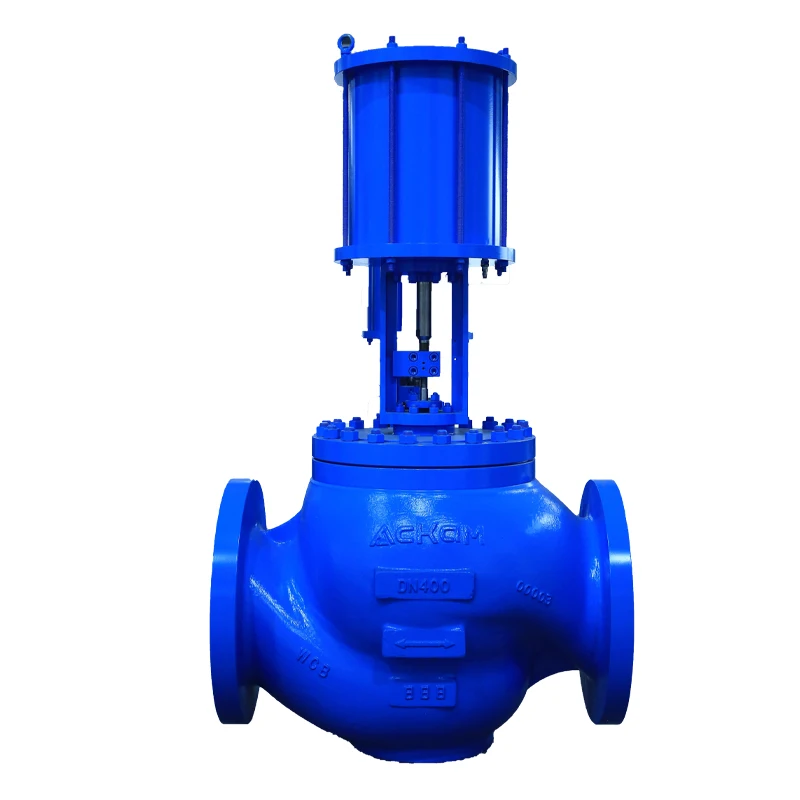
Professional Steam Tracing Solutions for Raw Material Lines - Industrial Heating Systems

All Categories

Get a Free Quote

Our representative will contact you soon.
Email
Name
Company Name
Message
0/1000

steam tracing for raw material lines

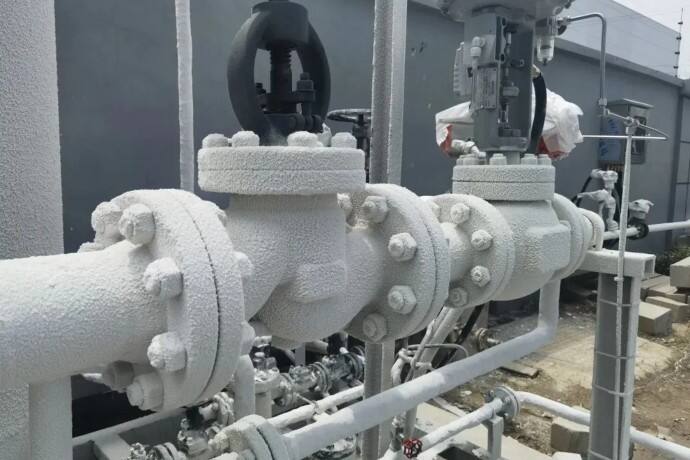
Steam tracing for raw material lines represents a critical heat management solution designed to maintain optimal temperatures throughout industrial processing systems. This sophisticated technology involves the installation of steam-carrying tubes alongside or around raw material pipelines, ensuring consistent thermal conditions that prevent material degradation, freezing, or viscosity issues. The primary function of steam tracing for raw material lines centers on temperature maintenance, where controlled steam circulation provides uniform heating across extended pipeline networks. This system effectively addresses challenges associated with temperature-sensitive materials, seasonal variations, and processing requirements that demand precise thermal control. The technological foundation of steam tracing for raw material lines incorporates advanced heat transfer principles, utilizing steam's latent heat properties to deliver efficient energy distribution. Modern implementations feature sophisticated control mechanisms, including temperature sensors, steam traps, and automated regulation systems that optimize performance while minimizing energy consumption. The design flexibility allows for customized configurations that accommodate various pipe sizes, material types, and operational environments. Steam tracing for raw material lines finds extensive applications across diverse industries, including chemical processing, petroleum refining, food production, pharmaceutical manufacturing, and power generation. In chemical facilities, this technology ensures reactive compounds maintain stable temperatures throughout transportation, preventing unwanted reactions or crystallization. Petroleum operations rely on steam tracing for raw material lines to maintain crude oil fluidity and prevent wax formation in pipelines. Food processing industries utilize these systems to preserve ingredient quality during transport and storage phases. The pharmaceutical sector depends on precise temperature control for active ingredient stability and product integrity. Installation considerations for steam tracing for raw material lines encompass proper insulation, steam supply adequacy, and maintenance accessibility. Professional implementation ensures optimal heat distribution while preventing thermal stress or material damage.
New Products

Steam tracing for raw material lines delivers exceptional operational benefits that directly impact production efficiency and cost management across industrial facilities. The most significant advantage lies in preventing costly material waste through consistent temperature maintenance, eliminating losses from solidification, crystallization, or thermal degradation that can render expensive raw materials unusable. This protection translates to substantial financial savings, particularly when processing high-value chemicals, specialty compounds, or temperature-sensitive ingredients where material replacement costs can severely impact profitability. Energy efficiency represents another compelling benefit of steam tracing for raw material lines, as these systems utilize waste steam or low-pressure steam that might otherwise be vented, converting potential energy loss into productive heating applications. This efficient energy utilization reduces overall facility heating costs while supporting environmental sustainability initiatives through improved resource management. The reliability factor of steam tracing for raw material lines ensures continuous production operations without temperature-related interruptions that can halt entire processing lines. Unlike electric heating alternatives, steam systems provide consistent performance even during power outages or electrical system maintenance, maintaining critical temperature parameters that keep production schedules on track. Maintenance requirements remain minimal with properly designed steam tracing for raw material lines, as these systems feature robust construction with fewer electronic components prone to failure compared to electric heating systems. The simplicity of steam-based heating reduces troubleshooting complexity and allows maintenance teams to quickly identify and resolve issues using standard industrial procedures. Flexibility in temperature control enables operators to adjust heating levels based on seasonal changes, material properties, or processing requirements without extensive system modifications. Steam tracing for raw material lines adapts to varying operational demands while maintaining precise control over thermal parameters essential for product quality. Safety enhancements include reduced fire risk compared to electric systems and elimination of hot surface exposure that could pose burn hazards to personnel. The enclosed nature of steam circulation provides inherent safety benefits while maintaining effective heating performance throughout the installation.

Tips And Tricks

Soaring to New Heights: AcKaM Industrial Surges in Billion-Dollar Market with 200% H1 Sales Growth

04

Nov

Soaring to New Heights: AcKaM Industrial Surges in Billion-Dollar Market with 200% H1 Sales Growth

View More
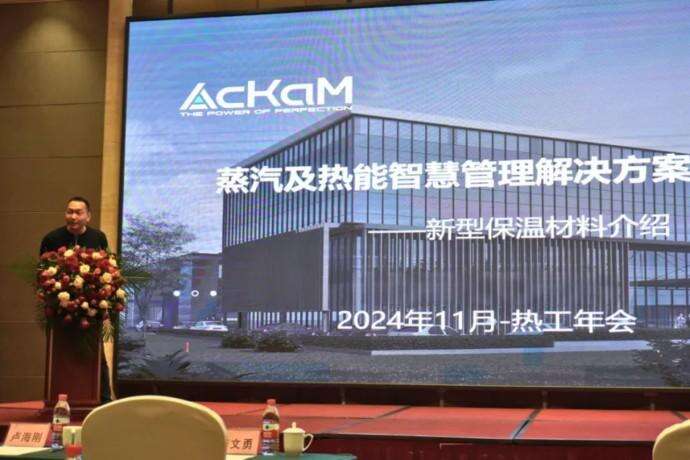
Innovation in Thermal Insulation Technology! AcKaM Delivers Keynote Speech at 2024 National Thermal Engineering Conference

05

Nov

Innovation in Thermal Insulation Technology! AcKaM Delivers Keynote Speech at 2024 National Thermal Engineering Conference

View More
AcKaM: Riding the Trillion-Yuan Wave to Pioneer Innovation

04

Nov

AcKaM: Riding the Trillion-Yuan Wave to Pioneer Innovation

View More

Get a Free Quote

Our representative will contact you soon.
Email
Name
Company Name
Message
0/1000

steam tracing for raw material lines

Advanced Temperature Control Technology

Advanced Temperature Control Technology

Steam tracing for raw material lines incorporates cutting-edge temperature control technology that revolutionizes how industrial facilities manage thermal requirements across complex pipeline networks. This sophisticated system employs precise steam regulation mechanisms that continuously monitor and adjust heating levels based on real-time temperature feedback, ensuring optimal conditions for sensitive materials throughout the entire transportation process. The advanced control capabilities of steam tracing for raw material lines extend beyond simple heating, incorporating intelligent sensors that detect temperature variations and automatically compensate for environmental changes, material flow rates, and seasonal fluctuations. This responsive technology prevents temperature excursions that could compromise product quality or create safety hazards in processing environments. The integration of modern control systems with steam tracing for raw material lines enables remote monitoring and automated adjustments, reducing the need for manual intervention while maintaining consistent performance standards. Operators can access comprehensive temperature data through digital interfaces, allowing for predictive maintenance scheduling and optimization of energy consumption patterns. The precision achievable with contemporary steam tracing for raw material lines surpasses traditional heating methods, providing temperature stability within narrow tolerances that meet stringent industry requirements for pharmaceutical, chemical, and food processing applications. This level of control ensures raw materials maintain their intended properties throughout transportation, preventing costly quality issues that can affect downstream processing operations. The scalability of advanced temperature control systems allows steam tracing for raw material lines to accommodate facility expansions or process modifications without requiring complete system redesigns. Modern installations feature modular components that can be easily integrated with existing infrastructure while maintaining optimal performance characteristics across the entire network.
Energy Efficient Heat Distribution

Energy Efficient Heat Distribution

Steam tracing for raw material lines delivers unmatched energy efficiency through innovative heat distribution methods that maximize thermal transfer while minimizing energy waste throughout industrial operations. This efficient approach utilizes the natural properties of steam to provide consistent, uniform heating across extended pipeline networks without the energy losses typically associated with electric heating systems or hot water circulation methods. The superior thermal conductivity characteristics of steam tracing for raw material lines ensure rapid heat transfer from the steam medium to the material being transported, reducing the overall energy input required to maintain desired temperatures. This efficiency translates directly into lower operational costs and reduced environmental impact, making steam tracing an economically and environmentally responsible choice for industrial heating applications. The design optimization of steam tracing for raw material lines incorporates advanced insulation techniques and heat recovery systems that capture and redirect thermal energy that might otherwise be lost to the surrounding environment. These integrated efficiency measures can reduce energy consumption by up to forty percent compared to conventional heating methods while maintaining superior temperature control performance. The ability to utilize low-pressure or waste steam sources makes steam tracing for raw material lines an exceptionally efficient option for facilities that generate steam for other processes, effectively converting potential waste energy into productive heating capacity. This dual-purpose utilization maximizes return on energy investment while supporting overall facility sustainability goals. Strategic placement and routing of steam tracing for raw material lines optimize heat distribution patterns, ensuring even temperature profiles across complex pipeline configurations without creating hot spots or cold zones that could affect material quality. The efficiency gains from proper steam tracing implementation often result in payback periods of less than two years, making this technology an attractive investment for facilities seeking to reduce operating costs while improving process reliability and product consistency.
Robust Industrial Reliability

Robust Industrial Reliability

Steam tracing for raw material lines provides exceptional industrial reliability that ensures continuous operation even under demanding conditions, making it the preferred heating solution for mission-critical processing applications. The inherent durability of steam-based heating systems stems from their simple mechanical design principles, which eliminate complex electronic components that are susceptible to failure in harsh industrial environments. This robust construction approach means steam tracing for raw material lines can withstand temperature extremes, chemical exposure, vibration, and other challenging conditions that commonly cause failures in alternative heating systems. The proven track record of steam tracing for raw material lines in industrial applications spans decades, demonstrating consistent performance across diverse operating environments from arctic conditions to tropical climates. This reliability factor becomes particularly crucial in continuous processing operations where heating system failures can result in costly production shutdowns, material losses, and schedule disruptions that affect customer commitments and revenue streams. The maintenance requirements for steam tracing for raw material lines remain minimal due to the absence of moving parts and electronic controls in the basic heating elements, reducing both scheduled downtime and emergency repair incidents. When maintenance is required, the standardized nature of steam system components ensures rapid parts availability and straightforward repair procedures that can be completed by standard maintenance personnel without specialized training or equipment. The fail-safe characteristics of steam tracing for raw material lines provide additional reliability benefits, as system failures typically result in gradual temperature reduction rather than sudden overheating or complete loss of control that could damage materials or create safety hazards. This predictable failure mode allows operators to implement corrective measures before critical temperature limits are reached, maintaining process integrity even during component malfunctions. The compatibility of steam tracing for raw material lines with existing industrial infrastructure eliminates the need for specialized electrical installations or control systems that could introduce additional failure points or complicate troubleshooting procedures during operational emergencies.

Get a Free Quote

Our representative will contact you soon.
Email
Name
Company Name
Message
0/1000