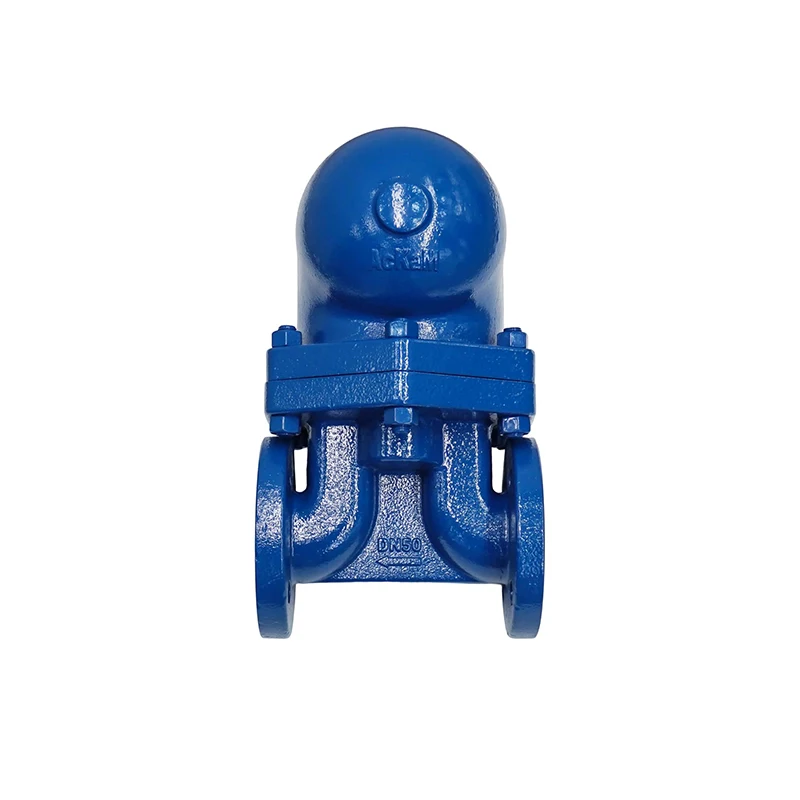
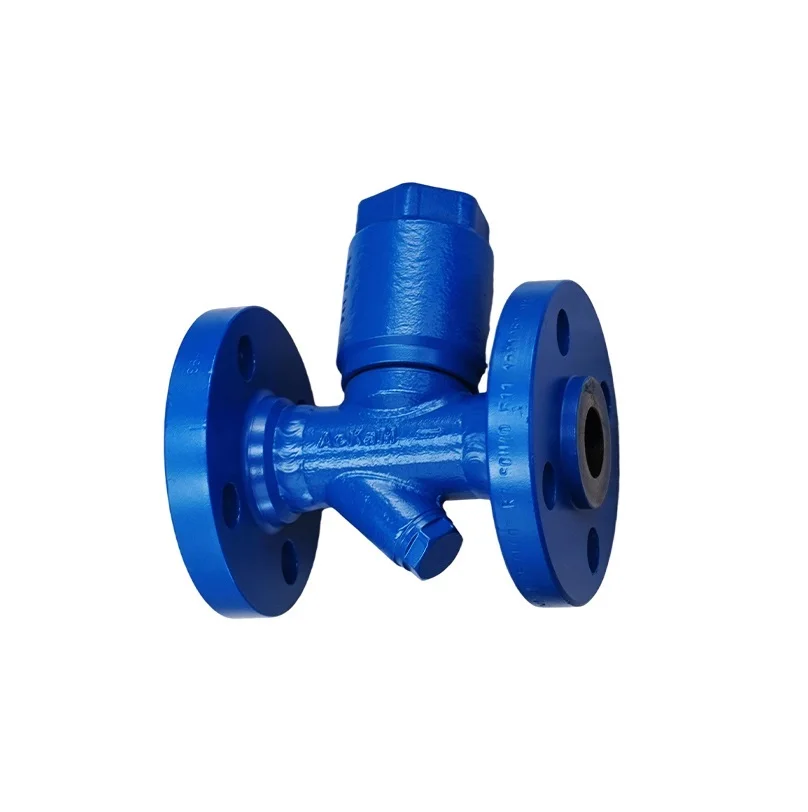
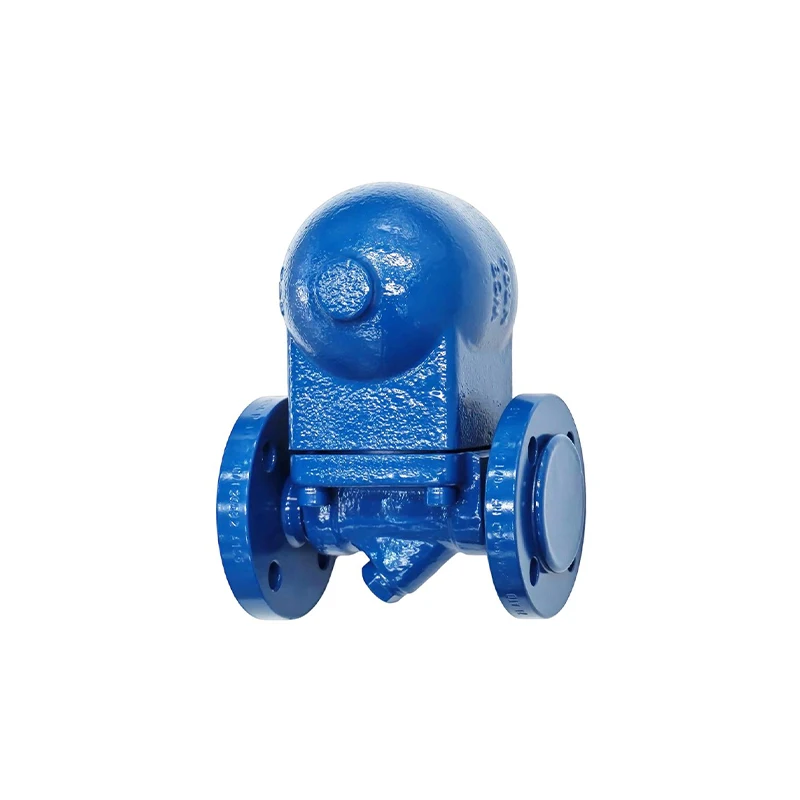
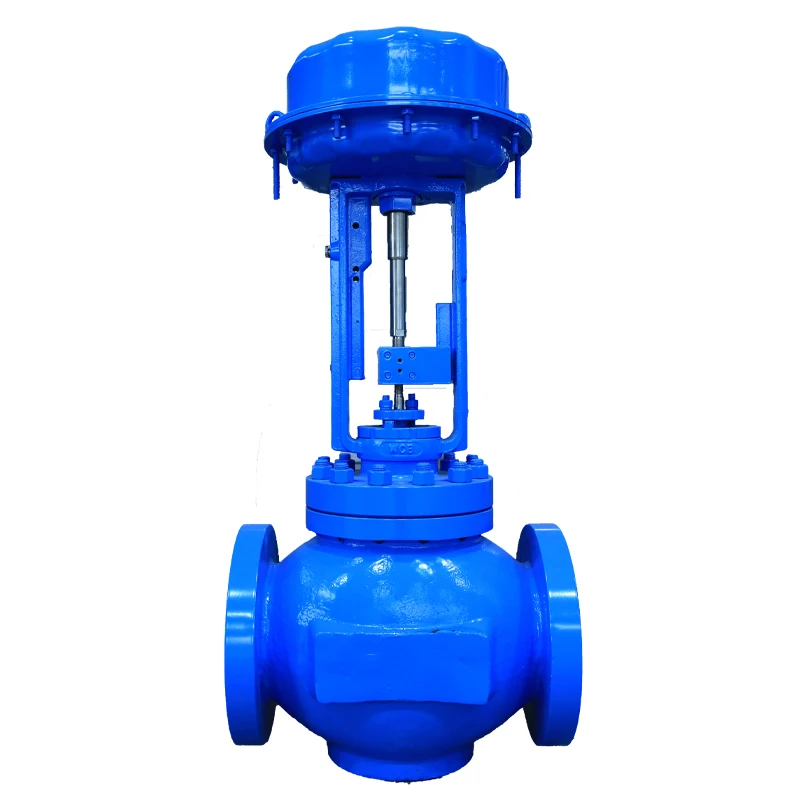
manual air control valve
The manual air control valve stands as a fundamental component in pneumatic systems, serving as a critical interface between operators and compressed air flow management. This mechanical device enables precise regulation of air pressure, flow rate, and direction through direct manual operation, eliminating the need for electrical power or automated controls. The manual air control valve operates through a simple yet effective mechanism where operators physically adjust valve positions to achieve desired air flow characteristics. These valves typically feature robust construction with durable materials such as brass, stainless steel, or engineered plastics, ensuring long-term reliability in demanding industrial environments. The core functionality revolves around controlling compressed air distribution to various pneumatic components including cylinders, actuators, and other air-powered equipment. Most manual air control valves incorporate multiple ports ranging from two-way to complex multi-port configurations, allowing versatile installation options across different system architectures. The technological features include precision-machined internal components that provide smooth operation and consistent performance over extended periods. Many models feature adjustable flow control capabilities through graduated dial settings or linear adjustment mechanisms, enabling fine-tuning of air flow rates to match specific application requirements. The valve body design typically incorporates leak-proof sealing systems using O-rings or specialized gaskets to prevent air losses and maintain system efficiency. Applications for manual air control valves span numerous industries including manufacturing, automotive, packaging, textile, food processing, and general industrial automation. These valves excel in situations requiring operator oversight, emergency shutdown capabilities, or environments where electrical controls may be impractical or unsafe. The manual air control valve provides essential safety features through immediate manual override capabilities, allowing operators to quickly respond to changing operational conditions or emergency situations.