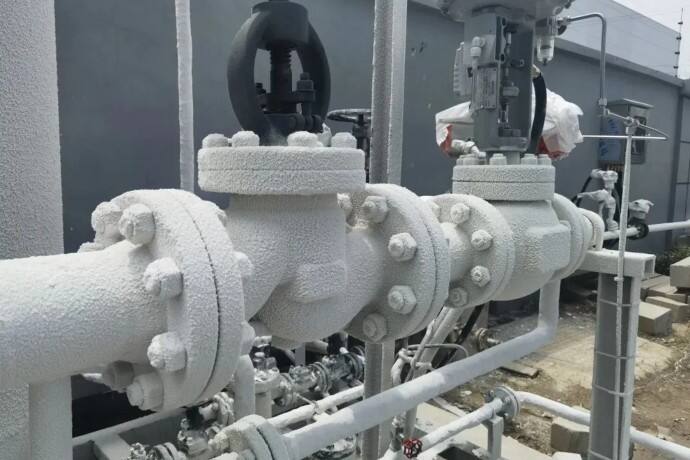
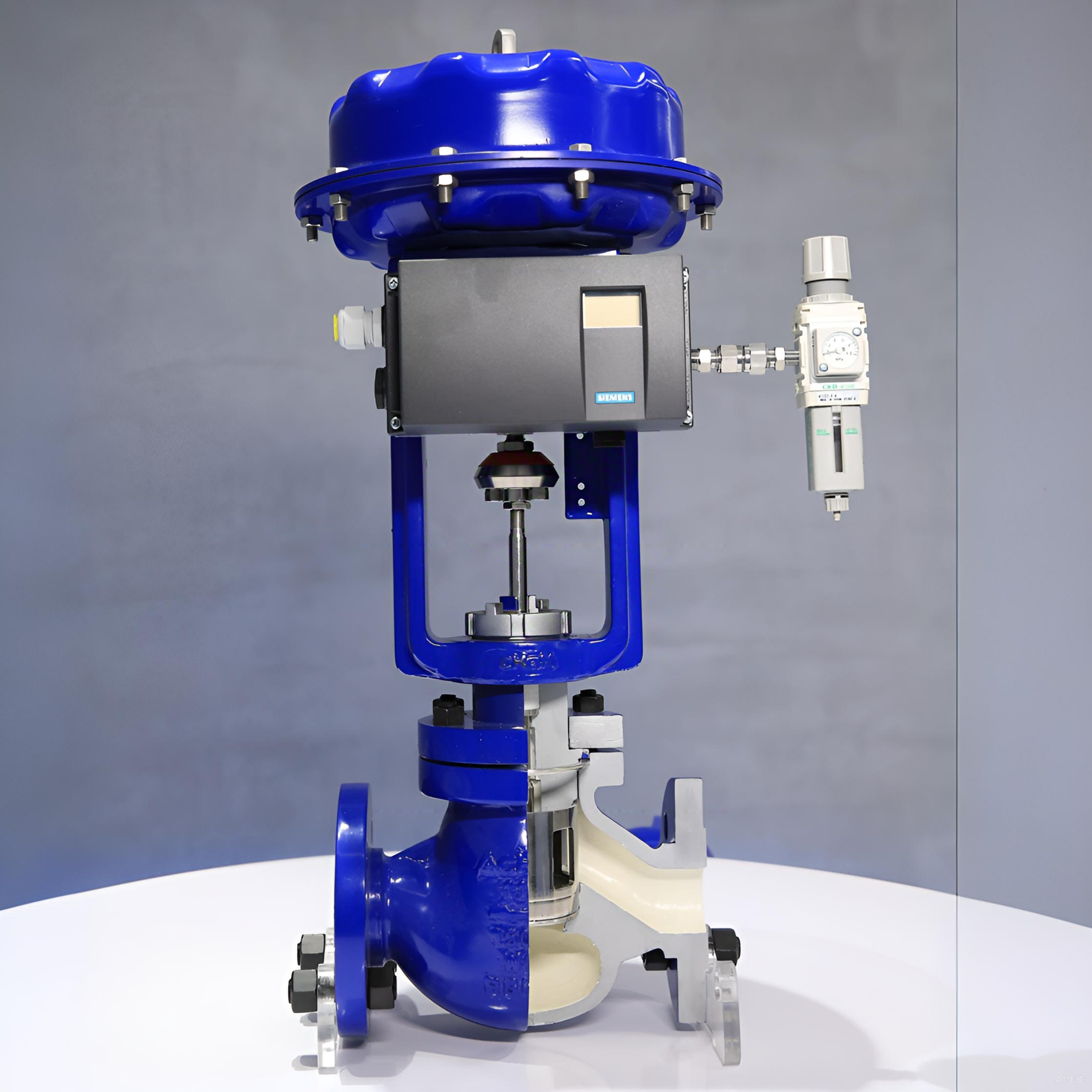
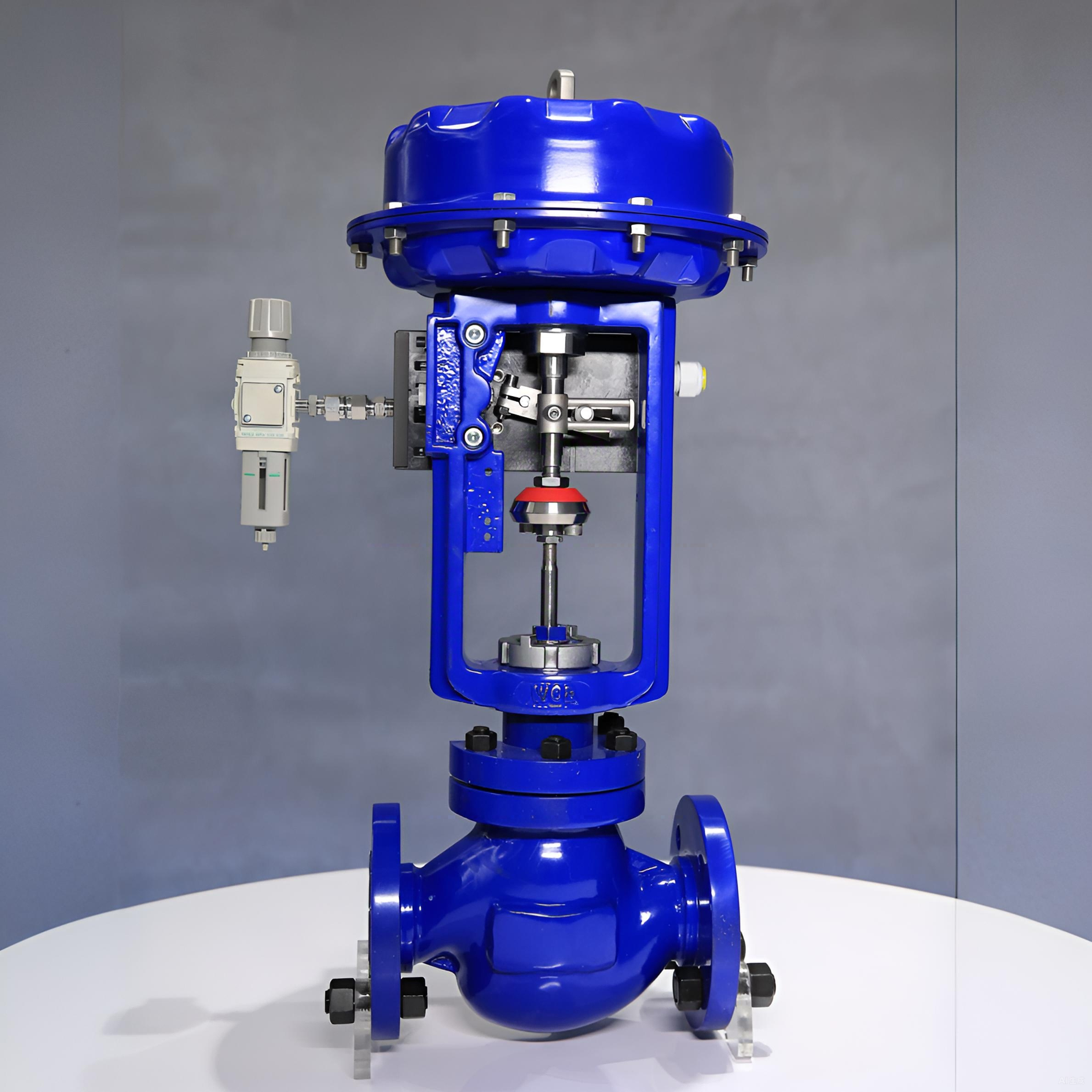
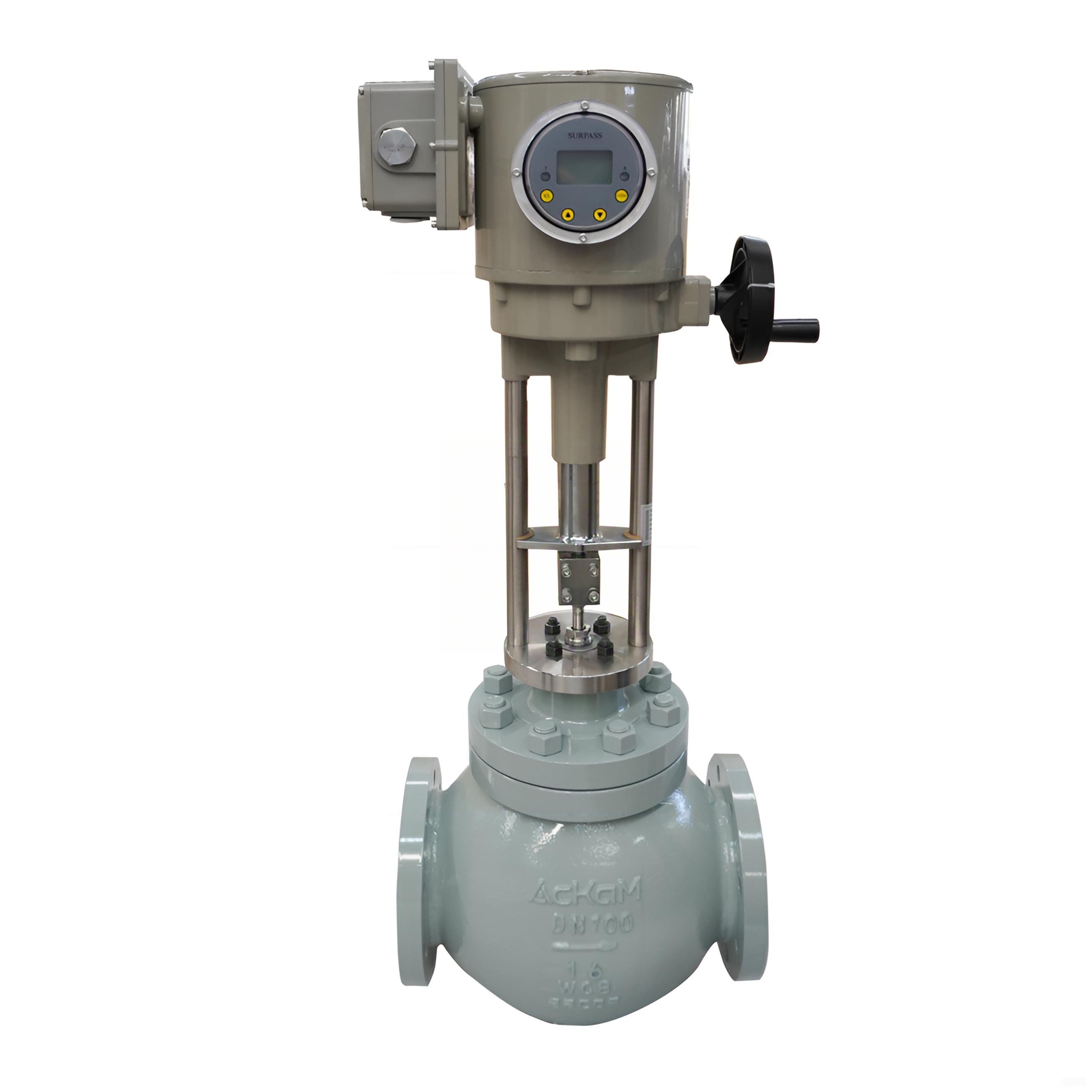
compressed air valve
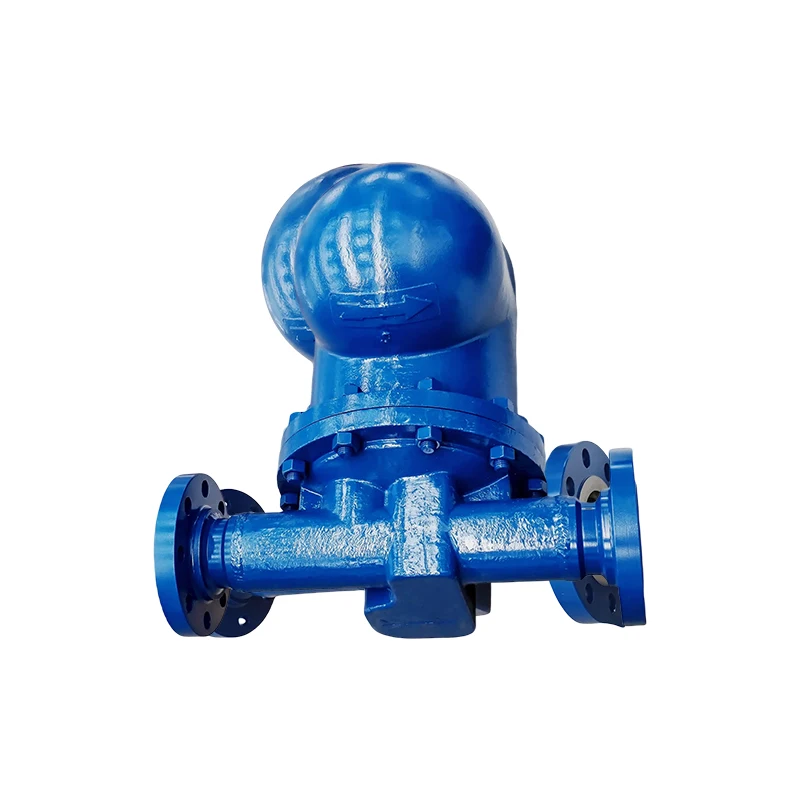
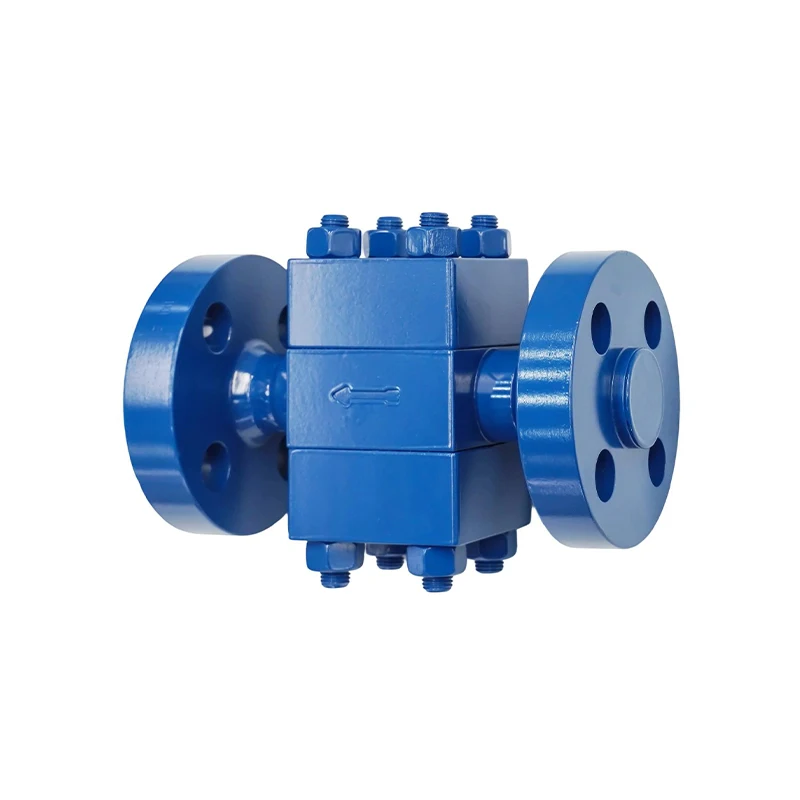
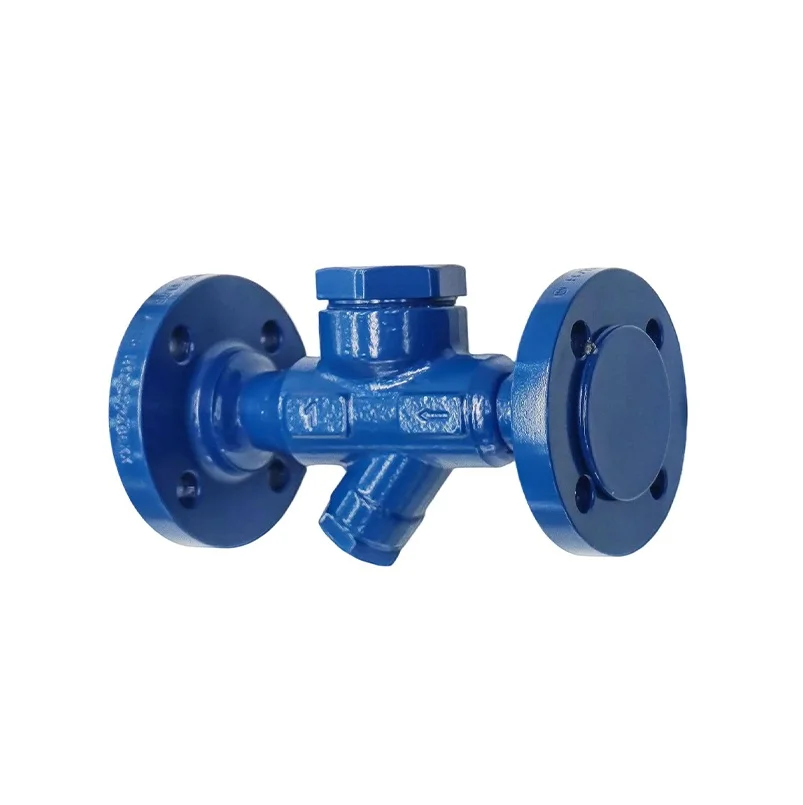
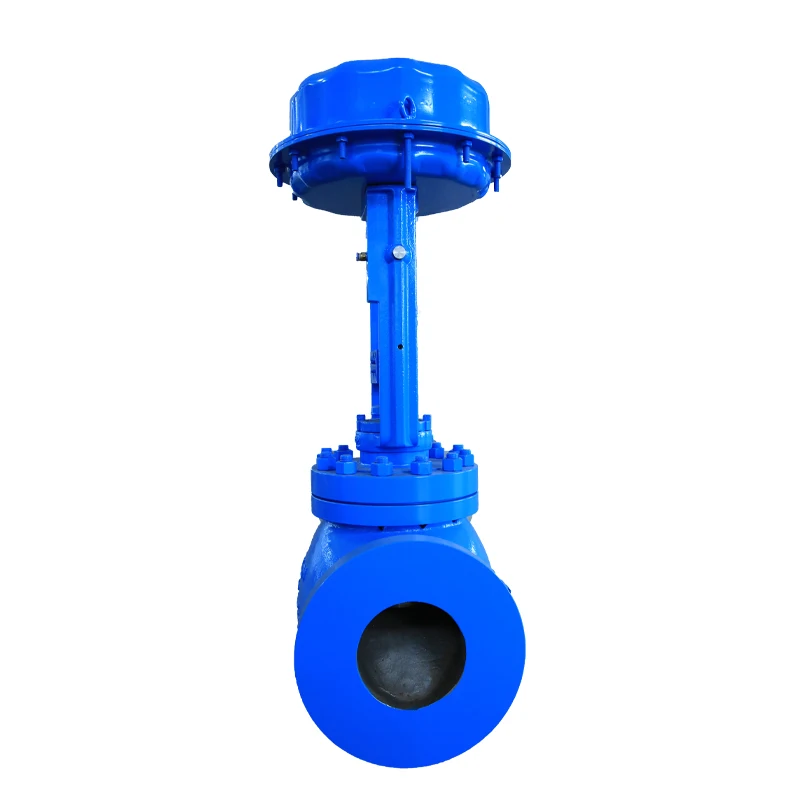
A compressed air valve represents a critical control component in pneumatic systems, designed to regulate, direct, and manage the flow of pressurized air throughout various industrial and commercial applications. This sophisticated device operates as the primary interface between compressed air sources and downstream equipment, ensuring optimal performance and safety in pneumatic operations. The compressed air valve functions through precise mechanical mechanisms that respond to electrical signals, manual operation, or automated control systems to open, close, or modulate air flow rates. Modern compressed air valve designs incorporate advanced materials such as stainless steel, brass, and specialized polymers that withstand high pressures while maintaining consistent performance over extended periods. These valves feature multiple port configurations, including two-way, three-way, and four-way designs, each serving specific operational requirements in complex pneumatic circuits. The technological sophistication of today's compressed air valve includes quick-response actuation, minimal pressure drop characteristics, and enhanced sealing capabilities that prevent air leakage. Many units integrate electronic controls with programmable logic controllers, enabling remote operation and precise timing sequences. The compressed air valve typically operates within pressure ranges from 0 to 250 PSI, with some specialized models handling even higher pressures for demanding industrial applications. Key applications span manufacturing automation, automotive assembly lines, food processing equipment, packaging machinery, and HVAC systems. The versatility of compressed air valve technology makes it indispensable in industries requiring reliable, clean, and controllable power transmission. Installation flexibility allows these valves to mount in various orientations while maintaining optimal performance characteristics, making them suitable for space-constrained environments and complex pneumatic layouts.